2027 Online Psychology - Mental Health Degrees for Mental Health Technician Roles

Co-Founder and Chief Data Scientist
Aspiring mental health technicians often confront a critical bottleneck: balancing the urgency to enter the workforce against the time constraints of traditional degree programs. With the Bureau of Labor Statistics projecting a 10% employment growth for these roles by 2032, the window for timely, affordable credentialing narrows.
Meanwhile, National Center for Education Statistics data reveals a 14% annual increase in adult enrollment in online psychology-related programs, signaling a shift toward flexible learning models that accommodate work and caregiving responsibilities. Understanding the landscape of online psychology - mental health degrees, their structure, and workforce alignment becomes essential for making informed, strategic educational choices.
This article evaluates current online degree options designed for mental health technician roles, addressing accessibility, curriculum relevance, and career impact to guide prospective students toward viable pathways.
Key Things You Should Know
- BA/BS psychology degrees accelerate entry into mental health technician roles but offer lower median starting salaries ($37K) compared to specialized associate credentials, reflecting employer preference for targeted clinical skills per 2024 BLS data.
- Employers increasingly demand certifications like CPR and de-escalation techniques alongside degrees; absence can delay hire dates by up to 6 months, per National Alliance on Mental Illness workforce surveys.
- Online degree costs vary from $15K to $45K, with average completion times stretching 24-36 months, affecting opportunity cost and debt burden; rapid credential stacks may optimize timeliness but limit depth.
What is an online psychology mental health degree and how does it prepare mental health technicians?
Online psychology mental health degree programs for mental health technicians primarily develop cognitive and observational skills essential for supporting licensed practitioners in diverse settings. Graduates routinely manage patient documentation, respond to crises, and adhere to communication protocols, which aligns with industry demands where 41% of psychology bachelor's degree holders work in healthcare sectors. In this context, these degrees facilitate entry into roles requiring both foundational theory and practical application.
Students pursuing this path must recognize the balance between theory-focused online instruction and the necessity of securing clinical placements or internships to gain hands-on experience. This tradeoff affects employability and state certification readiness, as employers often require demonstrated competence beyond classroom learning. Programs offering clear guidance for fieldwork integration stand apart by addressing this critical gap.
Program accreditation and alignment with targeted job markets are decisive factors influencing workforce acceptance of credentials. Without recognized accreditation, graduates risk limited geographic or employer recognition despite completed coursework.
For working professionals exploring an educational pivot, the flexibility of online programs enables ongoing employment while acquiring skills directly applicable in clinical or community roles. However, they must strategize to supplement academic knowledge with supervised practical training to meet employer expectations.
Those seeking accelerated pathways might consider exploring online accelerated psychology degree options that integrate faster timelines with curriculum designed for timely workforce preparation.
What education and training do you need to become a mental health technician?
Achieving the role of a mental health technician in the US demands more than a high school diploma; it requires targeted postsecondary training that balances theoretical knowledge with hands-on clinical exposure. Most employers prioritize candidates who complete a certificate program or associate degree in psychology, psychiatric technology, or related fields.
These training programs for mental health technician certification typically span 1 to 2 years and emphasize behavioral health, patient management techniques, and crisis response. A critical real-world scenario is managing psychiatric emergencies under supervision, which underscores the necessity of practical clinical hours—often 500 or more—before entry-level employment.
Employers in inpatient psychiatric units, residential facilities, and substance abuse centers expect technicians to master mental disorder basics alongside effective communication strategies for diverse populations. Although state licensure or national certification, such as Certified Psychiatric Technician, is not universally mandated, it significantly enhances competitive positioning in regulated markets.
The projected 18% employment growth in related counseling positions further intensifies competition, rewarding candidates with advanced coursework and supervised experience.
For professionals balancing existing jobs, navigating the practical demands of clinical hours alongside continuing education can be a principal barrier. Accredited online or hybrid programs that integrate practicum options offer critical flexibility, especially for those in underserved or rural communities.
Additionally, understanding the pros of being a forensic psychologist can inform strategic educational choices in the broader psychology - mental health field.
How do online psychology and mental health programs compare to campus-based options?
In evaluating online psychology and mental health degree program differences, prospective students must recognize that theoretical knowledge is largely consistent between online and campus-based formats; the primary divergence lies in the intensity and accessibility of hands-on training.
Campus-based mental health technician training often integrates supervised practicums with direct faculty involvement, producing verifiable applied experience that many employers prefer. Online programs tend to require students to independently coordinate internships or clinical hours, which can impact the ease of transition into technician roles at settings like community health centers.
Employers emphasize confirmed practical experience, making it a significant hurdle for online-only graduates unless they actively secure local clinical supervision. Data showing a 16% increase in psychology bachelor's degrees and a 17% increase in master's degrees between 2012 and 2021 signals heightened competition where substantive, supervised experience can distinguish candidates irrespective of delivery format.
Key considerations include accreditation standards, practicum support quality, and clear licensing pathways-factors that directly affect employability and timeliness of workforce entry. Online options can improve financial and geographic accessibility, particularly for working professionals, but require rigorous evaluation regarding practicum integration and employer recognition.
Hybrid models emerging within online master's programs address gaps in practical training, offering students a blend of flexibility and hands-on experience essential for career viability.
For those exploring pathways in mental health fields, considering an online masters in marriage and family therapy program exemplifies this trend toward blended educational designs.
Which types of psychology or mental health degrees lead to mental health technician roles?
Degree paths in psychology, mental health, or human services that emphasize clinical, counseling, or applied psychology serve as the direct channels to mental health technician roles. Employers favor graduates whose programs incorporate practical coursework and internships, as these are indicative of readiness to handle patient care logistics and assist clinical teams effectively.
In states like California, where certification and state licensure for psychiatric technicians are mandated, candidates lacking these credentials face additional training costs and delayed workforce entry.
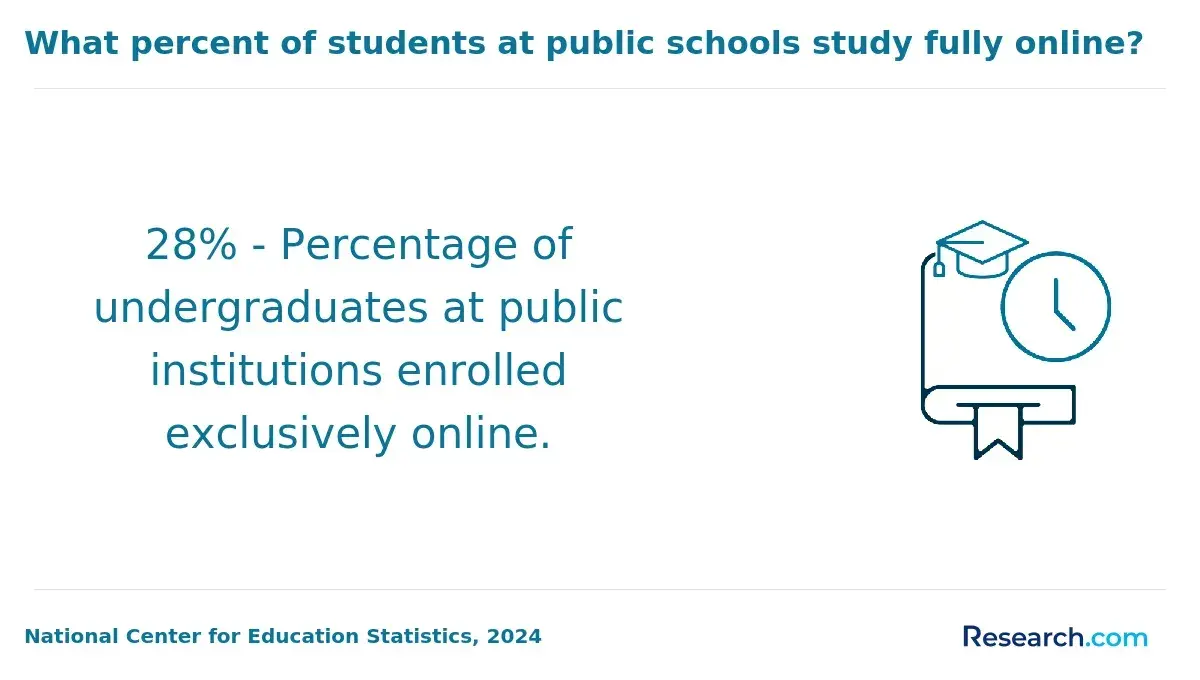
The distinction between degree options significantly affects both cost and employability. Fully online mental health technician degree options in psychology reduce annual tuition by about 31% (averaging $11,698 versus $16,929 on-campus), enhancing affordability for working professionals.
Yet, students must assess if such programs include supervised clinical hours and align with local credentialing requirements to avoid regulatory gaps that compromise licensure or job security.
Choosing degree programs focused solely on theoretical knowledge without applied mental health practice may stall progression. Graduates benefit most when their education balances foundational behavioral theory with hands-on clinical experience and clear pathways to certification. This practical approach also prepares candidates to navigate evolving healthcare regulations that impact technician roles.
For those considering cost-effective routes, resources like the online counseling degree guide provide comparative insight into affordability and program quality for psychology and mental health degree programs for technician roles.
What courses and clinical experiences are included in online mental health degree programs?
Online mental health degree programs designed for technician roles demand rigorous clinical experience alongside core coursework in abnormal psychology, psychopharmacology, behavioral health interventions, and ethical/legal frameworks.
Practical training through supervised externships in hospitals or community settings is non-negotiable, as it equips students to perform crisis intervention, patient assessment, documentation, and teamwork within multidisciplinary teams. This is not mere academic theory but essential preparation aligned with employer expectations for technicians to function effectively in dynamic clinical environments.
For working professionals already in inpatient psychiatric units, these programs offer a pathway to increased responsibility by leveraging existing clinical hours. This support role often includes assisting with medication administration and managing behavioral health documentation, tasks that require both compliance with healthcare regulations and rapid adaptability.
However, technician certification tends to cap earning potential and job mobility without further accreditation or licensure, making the opportunity cost of time and resources a critical consideration.
The Bureau of Labor Statistics reports median salaries of $57,720 for mental health and substance abuse social workers versus $38,380 for psychiatric technicians, underscoring the wage disparity linked to education and competencies.
Students must weigh the intensity of clinical placements against projected labor market returns, as comprehensive hands-on experience correlates strongly with sustained employability and advancement in mental health professions.
How long do online psychology mental health degrees take and what do they cost?
Completing an online psychology mental health degree involves a significant time-cost tradeoff, with associate programs typically lasting around two years and bachelor's programs closer to four. Students aiming for quicker workforce entry might consider shorter associate degrees or certificate options paired with targeted clinical hours, although these often restrict career advancement opportunities compared to bachelor's degrees.
Employers generally look for both academic credentials and practical experience, frequently requiring unpaid internships or practicums, which extend time and financial commitments beyond tuition alone.
Tuition for online bachelor's programs averages between $15,000 and $40,000, heavily influenced by institutional type and residency status. Additional annual expenses of $1,500 to $3,000 cover books, technology, and occasional in-person requirements, all factors that candidates should weigh carefully against expected early career earnings.
Notably, only about 55% of psychology bachelor's graduates secure employment within six months, often in paraprofessional positions such as mental health technicians. This underscores the importance of practical experience embedded in degree programs to improve employability.
For students balancing cost, time, and career goals, understanding that comprehensive degrees with practicum components generally align better with employer expectations is essential, even if it means longer completion times and higher upfront costs. Those prioritizing rapid entry must anticipate possible tradeoffs in long-term growth potential.
How do accreditation and state regulations affect mental health technician education and careers?
Accreditation and state regulations decisively determine a mental health technician's qualification and employability. Employers demand credentials from programs recognized by regional or national accreditors, as this ensures compliance with strict educational and clinical standards.
For instance, a candidate graduating from a non-accredited online program may be ineligible for state licensure or hospital positions bound by rigorous oversight, limiting job opportunities and geographic mobility.
State-specific requirements often differ in coursework, clinical hour mandates, and certification prerequisites, meaning training valid in one state might not transfer elsewhere. This fragmentation forces many technicians either to pursue additional education or accept roles confined to non-clinical support, especially where licensing boards demand specific clinical practice components.
Cost comparisons show online psychology and counseling programs frequently cost 10-30% less than on-campus equivalents, but lower prices rarely compensate for poor accreditation. Students must verify that online degrees carry recognized accreditation accepted by their target state licensing authority before enrolling. Improper accreditation risks short-term savings that undermine long-term career progression in the psychology - mental health workforce.
Students should prioritize programs accredited by authoritative bodies such as the Council for Higher Education Accreditation or relevant state boards. Direct confirmation of state licensure acceptance helps align educational choices with real workforce demands, balancing budget considerations with regulatory compliance to ensure practical career viability.
What certifications or credentials are available for mental health technicians after graduation?
Certification for mental health technicians serves as a licensing filter rather than a career escalator, demanding a clear-eyed assessment of return on investment. States like California require the Certified Psychiatric Technician (CPT) license, involving 2080 supervised clinical hours plus passing a standardized exam. This gatekeeping role ensures baseline competence but does not equate to advanced clinical licensing or significant salary gains.
Employers often use certifications such as CPT or Certified Mental Health Technician (CMHT) as a hiring minimum, especially in hospitals and residential facilities, but these credentials rarely open paths beyond technician-level roles. Specialized certifications, including the Registered Behavioral Technician (RBT) for behavioral disorders, require ongoing supervision and renewal, which can be burdensome without proportionate pay increase or role autonomy.
The financial ceiling of these roles is evident when contrasted with licensed counselors or therapists, who earn an average between $65,000 and $72,000 annually. Technicians typically earn less, creating a practical tradeoff between certification effort and mid-range earnings. Graduates need to evaluate state requirements early to navigate clinical hours and exams efficiently, balancing these demands against modest growth potential.
For individuals aiming to move beyond technical functions, investing in master's-level education and licensure pathways provides broader professional opportunities and substantially improved income.
What are typical job duties, work settings, and career advancement options for mental health technicians?
Mental health technicians occupy a role that requires balancing direct patient support with operational demands, a dynamic that varies significantly by work setting. For instance, technicians in correctional facilities navigate complex security protocols alongside behavioral monitoring, whereas outpatient clinics emphasize rapid patient engagement and communication skills. This duality demands adaptability and situational awareness beyond standard clinical competencies.
Key responsibilities include monitoring patient behavior, aiding daily living activities, assisting with therapeutic tasks under supervision, and maintaining detailed patient records. Their role often acts as a communication bridge between patients and licensed clinicians, contributing to treatment adherence and safety oversight.
Advancing beyond entry-level technician duties typically requires formal education, such as an associate or bachelor's degree in psychology or social work. Such credentials open pathways to roles like case manager or licensed counselor.
However, ascending to clinical psychologist status involves doctoral education and state licensure and carries substantially higher compensation—median salaries range from $99,560 to $102,740, with projected job growth of 6% through 2032.
Professionals must weigh the emotional resilience needed for frontline technician work, often with modest pay and irregular shifts, against the time and financial investment in advanced education. These tradeoffs critically impact career trajectory and earning potential, underscoring the importance of strategic planning for those pursuing a sustained career in psychology - mental health.
What salary ranges and job outlook can mental health technicians expect in the United States?
Salary ranges for mental health technicians in the U.S. generally span from $30,000 to $45,000 annually, influenced by location, employer type, and experience. Entry-level roles in community settings lean toward the lower end, while urban hospitals and government agencies may offer higher salaries.
The U.S. Bureau of Labor Statistics cites a median hourly wage of about $17.50, equating to roughly $36,400 annually. Pay increases typically align with added certifications, experience, and specialized training.
The workforce landscape shows moderate growth around 6% over the next decade, but this is complicated by recent enrollment drops in psychology programs, as reported by the American Psychological Association. This decline may reduce the influx of qualified candidates, intensifying competition, especially in job-rich yet unevenly distributed regional markets.
Employers now tend to favor candidates who combine online psychology education with practical experience or certifications, valuing readiness over purely academic credentials. Mental health technicians who invest in continuing clinical education and develop specialized skills in settings like forensic hospitals or substance abuse programs stand better chances for higher pay and job stability.
Prospective entrants face a strategic choice: accept immediate employment in entry-level posts or pursue advanced online degrees that open pathways to supervisory or therapy-assistant roles offering stronger compensation and career resilience.
Other Things You Should Know About Psychology - Mental Health
Balancing full-time work with an online psychology - mental health degree is possible but challenging. Programs with clinical practicum components demand flexible scheduling, often during business hours, limiting when you can work. Prioritize programs offering evening or weekend practicum options if you plan to maintain full-time employment, as employer expectations and course workload rarely accommodate heavy work hours simultaneously.
Specialization impacts employability more in clinical or counseling roles than in mental health technician positions, which typically require broad foundational knowledge. Choose programs focusing on general mental health support skills and patient interaction rather than narrow research or advanced clinical tracks. This practical focus aligns better with employer expectations and job tasks in technician roles, optimizing post-graduation outcomes.
Prioritize gaining work experience before pursuing certification unless required by your employer or state. On-the-job experience provides practical insights and skill refinement that strengthen certification applications and future employment prospects. Immediate certification without experience can limit advancement, as many credentialing bodies and employers value demonstrated competency alongside formal credentials.
References
- Job Outlook and Salary Expectations for Mental Health Technicians in 2024 and Beyond - MedCertify https://medcertify.com/job-outlook-and-salary-expectations-for-mental-health-technicians-in-2024-and-beyond/
- Become a Licensed Mental Health Technician: Your California Career Roadmap - Psychology California https://psychologyca.org/careers-in-psychology/mental-health-technician/
- Workforce Education: Start Your Mental Health Tech Career https://www.nhti.edu/workforce-education-start-your-mental-health-tech-career/
- How to Become a Mental Health Tech (with Steps) https://www.carerev.com/blog/how-to-become-a-mental-health-tech
- MHTC Certification - Online Training https://medcerts.com/certifications/healthcare/mental-health-technician-certification
- How Do You Become a Behavioral Health Technician? Your Complete Career Guide https://webber.edu/how-do-you-become-a-behavioral-health-technician-your-complete-career-guide/
- Online Mental Health Technician (Voucher Included) from College of Eastern Idaho https://careertraining.cei.edu/training-programs/mental-health-technician-voucher-included/
- Online Mental Health Technician (Voucher Included) from Odessa College https://careertraining.odessa.edu/training-programs/mental-health-technician-voucher-included/
- What does a Behavioral Health Technician do? Career Overview, Roles, Jobs | NSH https://jobs.nsh.org/career/behavioral-health-technician