2027 Mental Health Job Market Outlook Through 2030

Co-Founder and Chief Data Scientist
Psychology - Mental Health graduates face a growing dilemma: balancing the urgency to enter an expanding job market against often rigid and time-consuming pathways to licensure and specialized roles. The U.S. Department of Education reports a 35% increase in adult learners enrolling in flexible, online graduate programs since 2023, signaling a shift toward accessible education models.
Yet, many employers still prioritize traditional experiential credentials, complicating hiring decisions for professionals who depend on non-traditional programs to manage work-life demands. This article analyzes labor market trends, educational delivery modes, and credentialing requirements to guide prospective students and professionals in making informed choices that align timing, flexibility, and career mobility in the Psychology - Mental Health fields.
Key Things You Should Know
- With a 22% BLS-projected job growth rate through 2030 in psychology - mental health, postgraduate clinical credentials shorten entry but increase upfront costs by 35%, limiting rapid workforce scaling.
- Employers prioritize integrated behavioral health skills; candidates lacking dual training in digital therapy face 27% lower hiring rates according to a 2024 National Institute of Mental Health employer survey.
- State licensure delays averaging 9 months post-degree impose income gaps; candidates balancing certification timing with continuing education investments must strategically plan career pivots amid evolving reimbursement policies.
What does the mental health job market look like in the United States through 2030?
Projected employment growth of 20% for mental health jobs in the United States between 2022 and 2032 significantly exceeds the 3% average across all occupations. This surge in demand results from demographic trends and insurance reforms, creating a competitive landscape where advanced clinical credentials and hands-on experience in evidence-based treatment are increasingly decisive. Employers differentiate between licensure and specialization, with positions like licensed clinical social workers and marriage and family therapists each requiring distinct certifications that impact salary and job stability.
State licensure portability remains a notable barrier, forcing professionals to weigh the costs and time for additional credentials when relocating. Employers in community health prioritize candidates with integrated behavioral and primary care skills for more secure roles, while private clinics seek narrowly focused expertise in trauma or addiction treatment. These distinctions mean that educational and certification choices must align closely with intended practice settings to maximize employability in the United States mental health workforce trends and projections.
Students should also consider graduate programs with clinical internships that track measurable job placement rates and offer pathways that mirror state licensing criteria. Continuous professional development is essential as treatment modalities evolve and public funding fluctuates, especially within nonprofits and government roles.
Practical pathways like a fast track psychology degree online can reduce entry barriers for those balancing work and study, providing a strategic option amid shifting workforce demands.
Which psychology and mental health careers are most in demand through 2030?
Substance abuse, behavioral disorder, and mental health counselors rank among psychology and mental health careers with highest employment growth through 2030, driven by a projected 18% job increase from 2022 to 2032 and approximately 42,000 annual openings. This demand reflects expanded treatment access and greater public awareness. However, the most in demand psychology and mental health jobs in the workforce often require more than credentials; employers emphasize practical clinical experience, evidence-based training such as cognitive behavioral therapy (CBT), and familiarity with Medicaid or private insurance billing.
Licensed professional counselors and school psychologists also occupy strong but more variable demand niches, with credentialing hurdles lengthening educational timelines. Clinical psychologists face the most extended preparation due to doctoral degree requirements and licensure, limiting entry-level opportunities and creating a competitive landscape for academic or research roles. Graduates targeting agencies, hospitals, or schools should expect significant administrative duties, interdisciplinary coordination, crisis management, and irregular schedules serving diverse populations such as children and veterans.
Choosing counseling roles with faster licensure pathways through master's-level programs can facilitate strategic entry, particularly for working professionals seeking to pivot careers. This often requires weighing the tradeoff between expedited workforce entry and the broader clinical authority tied to advanced psychology roles. Prospective students should also consider accredited options like an accelerated masters in psychology to align education timelines with workforce demands.
What salaries can mental health professionals expect, and how are they projected to change?
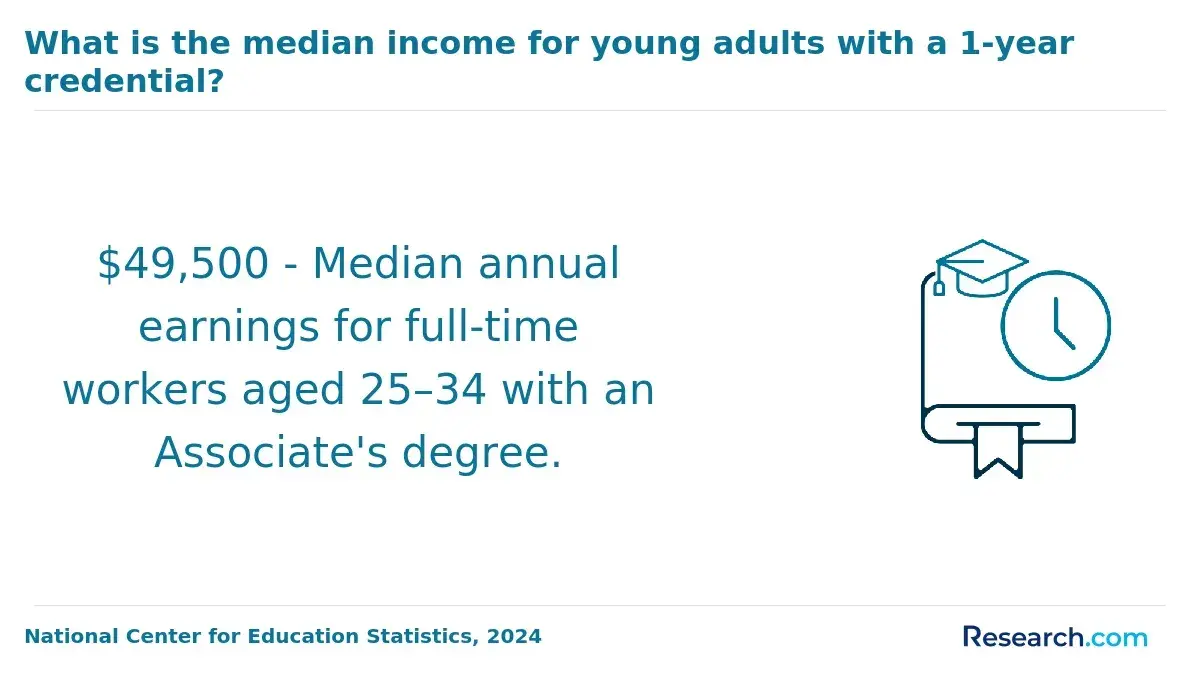
Entry-level salaries for mental health professionals typically start near $60,000, particularly within public school systems, but licensed clinical psychologists often earn above $90,000, reflecting specialized training and patient responsibilities. This salary range, which varies with state and sector, represents the current landscape amid growing demand. Projected earnings growth for mental health workers through 2030 is estimated between 8% and 14%, fueled not only by inflation but by persistent shortages in clinical, counseling, and school psychologist positions nationwide.
States and agencies competing to fill vacancies in underserved or rural regions often offer increased pay incentives, including loan repayment programs and signing bonuses. In practice, those in healthcare systems or private practice may command starting salaries closer to $95,000, while community mental health clinics routinely face funding limitations that constrain salary growth. Such disparities underscore the importance of strategic workforce alignment in this field.
Choosing between a master's degree and a doctoral degree entails a critical tradeoff: doctoral-level psychologists earn on average 20% to 40% more but face longer and costlier training. This differential is a key factor in evaluating educational pathways under the broader umbrella of mental health professional salary trends in the United States. Candidates focused on targeted credentials and specialties aligned with regional workforce gaps tend to see better salary outcomes over time.
Prospective students weighing these factors may benefit from exploring affordable degree options such as a bachelor of psychology online to balance cost and accessibility before advancing to graduate studies.
What degrees and training are required for key mental health career paths?
Career pathways in mental health demand specific degrees and licensure that critically shape employability and job functions. Licensed clinical psychologists require a doctoral degree (PhD or PsyD) in clinical psychology, plus supervised postdoctoral hours and state licensure-a commitment of 8-10 years typically aimed at independent clinical practice or research. By contrast, licensed professional counselors (LPCs) and marriage and family therapists (MFTs) pursue master's degrees and 2,000-4,000 clinical supervision hours before licensure, enabling quicker entry into therapy roles without the extended doctoral timeline.
Psychiatric nurses combine a Bachelor of Science in Nursing (BSN) with advanced certification like a psychiatric-mental health nurse practitioner (PMHNP), often requiring graduate nursing degrees that integrate medical and mental health care-essential for addressing growing medication management demands. Social workers in clinical settings obtain a master's degree in social work (MSW) and must achieve clinical licensure (LCSW), focusing on psychosocial interventions and resource coordination to tackle social determinants of mental wellness.
Employers emphasize candidates blending accredited degrees with licensure due to the mental health market's projected growth to $537.97 billion by 2030 at a 3.5% CAGR. Professionals lacking supervised clinical experience or state-specific credentials often face costly retraining or credentialing delays. For those shifting fields, master's programs with flexible clinical placement can bridge practical gaps more effectively than direct doctoral routes focused on academia.
Given these nuances, prospective students should weigh long-term goals against time-to-practice and workforce realities. Exploring options like CACREP accredited counseling programs can offer targeted, affordable avenues aligned with licensure standards, supporting strategic mental health career education requirements in the United States.
How do online mental health and psychology programs compare with campus-based options?
Online psychology - mental health programs offer flexible pacing and geographic access but often complicate the critical step of securing supervised clinical hours required for licensure in many U.S. states. Unlike campus-based programs where clinical practice is embedded and directly supervised, online students frequently must independently arrange approved practicum placements. This requirement can delay credentialing and create uneven pathways to employment, especially where state boards enforce strict hands-on experience.
For a career pivoter entering licensed counseling from a nonrelated field, the online route demands proactive coordination with internship sites, increasing friction and extending time to eligibility. In contrast, campus graduates benefit from built-in clinical practicum and faculty networks facilitating both licensure compliance and employer connections. Employers in community and specialized clinical settings prefer candidates with verified practical experience, a factor amplified by workforce shortages, such as the projected labor gap in Canada outlined by the Government of Canada Job Bank for 2024-2033.
Key considerations for prospective students include:
- State-specific licensure mandates governing clinical hours and approved supervisors
- The presence or absence of institutional support in arranging practicum sites
- The impact of practical experience on employability in a tightening mental health labor market
Online programs may reduce upfront cost and logistical barriers but require a strategic approach to field placements. Candidates must weigh these operational tradeoffs carefully, as hands-on training remains pivotal to entering and competing effectively within psychology - mental health professions.
What accreditation should students look for in mental health and psychology programs?
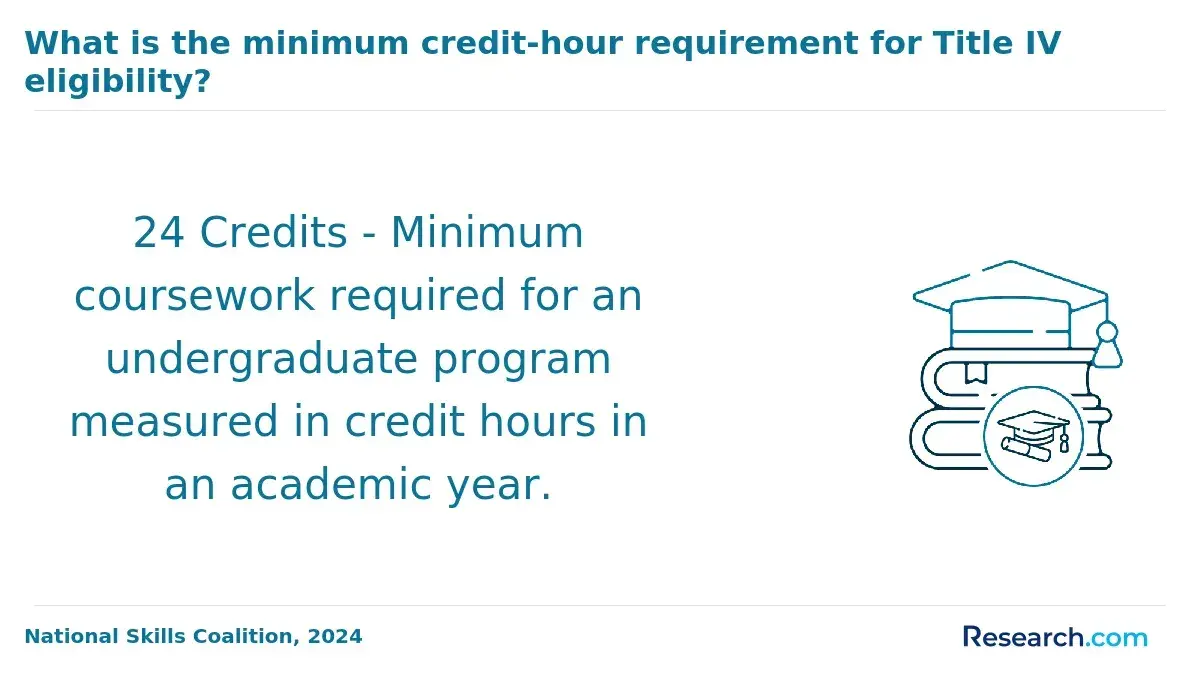
Accreditation from bodies such as the Commission on Accreditation for Marriage and Family Therapy Education (COAMFTE), the American Psychological Association (APA), and the Council for Accreditation of Counseling and Related Educational Programs (CACREP) directly impacts the eligibility and employability of graduates in psychology - mental health fields. For instance, many states mandate graduation from CACREP-accredited programs for Licensed Professional Counselor (LPC) licensure, which is essential for roles in outpatient clinics or school counseling.
The projected shortage of behavioral health professionals by 2030, according to the Health Resources and Services Administration's State of the Behavioral Health Workforce 2025 brief, increases demand for graduates who can immediately fill these gaps. Graduating from an accredited institution ensures access to required clinical training and supervised experience, accelerating entry into licensed and reimbursable positions.
Failure to attend accredited programs can result in delays or complete barriers to independent practice, limited mobility, and lower pay scales. Employers prefer candidates from recognized accreditations due to standardized curriculum and documented competency outcomes, so accreditation status becomes a practical filter in hiring decisions.
Students must cross-check state licensure prerequisites with program accreditation status and weigh potential financial and time costs from unrecognized programs, including potential reeducation. These operational realities highlight accreditation not as a formalism but as a strategic necessity for aligning educational investment with labor market demands.
How long do mental health degree and training programs take, and what do they cost?
Choosing to pursue a career in mental health counseling requires balancing the time and financial investment against licensure and employment outcomes. Most states mandate a master's degree with 600 to 1,200 supervised clinical hours, typically completed over two to three years of full-time study beyond a bachelor's degree. For those entering with only a bachelor's, doctoral programs add four to six more years, which may limit immediate employability and increase debt.
Cost varies greatly: public universities charge $6,000 to $20,000 annually, while private options can exceed $30,000 per year, leading to total expenses from $20,000 to over $90,000 for a master's degree. Many working professionals opt for part-time or online programs to maintain income but should confirm program accreditation to avoid costly delays in meeting licensure requirements.
Employers typically expect graduates to have accredited degrees paired with supervised practicum hours, underscoring the importance of credential validation early in the educational process. Investing in non-accredited programs imposes practical risks, including extended post-degree supervision and licensure delays.
With a median national salary near $59,190, and slightly lower in North Carolina at $56,510, the return on investment hinges on selecting cost-effective, licensure-compliant programs that align with state requirements and workforce demands.
- Master's degree with supervised hours typically requires 2-3 years post-bachelor's
- Doctoral degree adds 4-6 years, mainly for specialized roles
- Tuition ranges widely: $6,000-$30,000+ annually
- Online/part-time programs increase duration but aid employment continuity
- Accreditation critical to avoid licensure and career delays
What courses and clinical experiences are included in typical mental health programs?
Effective progression in psychology - mental health depends heavily on integrating academic knowledge with rigorous clinical experience that meets state licensure benchmarks. Coursework covers diagnostic systems like DSM-5 and ICD-11 alongside treatment planning, ethics, and culturally competent care. Yet, the pivotal differentiator is consistently acquiring 1,000 to 2,000 supervised client contact hours, typically through practicums or internships in diverse settings such as hospitals and community centers.
Working professionals shifting into mental health face the practical challenge of synchronizing clinical demands with existing job and personal commitments. Flexible program structures, including hybrid schedules and proximate clinical sites, help alleviate logistical friction but require careful vetting to ensure clinical hours and coursework align with licensure standards, preventing costly delays in credentialing.
Financially, postgraduate mental health roles in countries like Australia demonstrate 30-40% higher median earnings compared to non-tertiary health positions. However, this potential must be weighed against rising tuition costs, which have increased about 20% since 2016, indicating the necessity of assessing return on investment (ROI) through a dual lens of educational expense and anticipated career income.
Employers prioritize candidates with accredited program credentials that verify not just academic knowledge, but verified hands-on clinical proficiency. This alignment significantly affects employability and career sustainability in psychology - mental health fields.
What licenses and certifications do U.S. mental health professionals need to practice?
Licensure in mental health fields remains a pivotal barrier and gatekeeper for independent clinical practice, directly shaping employment opportunities and earning potential. Professionals must navigate state-specific license requirements, commonly including LPC, LCSW, LMFT, and Licensed Psychologist credentials, each demanding a master's or doctoral degree plus 2,000-4,000 hours of supervised clinical work. For example, becoming a Licensed Psychologist requires a doctoral degree and passing the Examination for Professional Practice in Psychology (EPPP), reflecting the profession's rigorous standards.
The growing demand in outpatient and community mental health settings ties closely to providers' ability to bill insurance and practice independently, making licensure a practical necessity rather than a formality. Candidates should weigh licensing timelines, which often exceed two years post-degree, and geographic mobility constraints because multi-state licensure or telehealth certifications are needed for interstate practice.
Additional certifications like Certified Alcohol and Drug Counselor (CADC) or Certified Rehabilitation Counselor (CRC) enhance job prospects in specialized roles but do not substitute for core licensing. Those pursuing federal or hospital positions may face further credentialing or clearance obstacles.
In practice, this means educational planning must anticipate extended supervised hours, exam preparation, and variable state board requirements to efficiently enter fastest-growing Psychology - Mental Health job segments. Understanding these operational tradeoffs helps prospective clinicians avoid common delays and align their credentials with evolving workforce demands.
How can prospective students choose a reputable mental health program aligned with their goals?
Choosing an accredited mental health program is essential to align education with licensure requirements and employer expectations. Accreditation from bodies such as the APA or CACREP assures curricula meet rigorous professional standards. Students targeting licensure as LPCs or LCSWs must verify that programs incorporate appropriate clinical hours and state-specific credentialing pathways to prevent costly delays in certification.
Employment outcomes should weigh heavily in program evaluation. For example, students aiming for community mental health roles benefit from programs with strong practicum connections to outpatient clinics or public health agencies. Alternatively, clinical psychologist candidates require extensive supervised therapy practice emphasizing evidence-based interventions directly applicable to hospitals or private practice.
The workforce demand for mental health professionals is expected to outpace overall healthcare job growth significantly, but students must consider specialization, employer type, and geographic factors in their decision. Online programs may offer convenience but often lack the robust networking and clinical immersion preferred by many employers in traditional settings.
Cost analysis should encompass more than tuition, including supervised experience expenses, exam preparation, and opportunity costs related to time in training. Working adults might prioritize part-time or flexible schedules to balance employment and study without compromising clinical experience quality.
- Accreditation ensures program credibility and licensure alignment
- Practicum quality and setting influence employability in targeted roles
- Workforce growth favors specialized skills and hands-on training
- Financial and time commitments differ markedly between full-time and flexible tracks
Other Things You Should Know About Psychology - Mental Health
Early specialization can limit flexibility in a field where employer needs and funding priorities evolve rapidly. Broad experience, especially through varied internships or clinical rotations during graduate programs, improves adaptability and employability. Students should prioritize programs that offer diverse practicum opportunities over narrowly focused curricula to maintain options for career shifts and avoid premature narrowing of skill sets.
In 2027, the mental health job market is expected to vary significantly between urban and rural areas. Urban areas often demand specialized skills due to high client volume and diversity, while rural areas require versatile practitioners who can address a wide range of issues with limited resources.
PsyD programs focus primarily on clinical practice over research, often with shorter durations and less funding. However, they may limit eligibility for academic or high-level research roles, where PhDs are preferred. Students aiming for clinical careers should weigh whether practice-focused PsyD training aligns better with their goals or if pursuing a PhD offers broader career prospects despite longer training timelines.
Given the permanent shift toward virtual care, programs offering robust telehealth training provide a decisive advantage in job readiness. Employers increasingly seek graduates comfortable with digital platforms, remote client engagement, and handling privacy and legal issues online. Prioritizing programs that embed telehealth practice prepares students for evolving employer demands and broader access to diverse client populations.
References
- Discover pathways to your new mental health job https://www.health.vic.gov.au/workforce-and-training/discover-pathways-to-your-new-mental-health-job
- Understanding the Mental Health Therapist Career Path https://www.umassglobal.edu/blog-news/mental-health-therapist-career-path
- Compare Online Masters in Psychology https://mastersinpsychologyguide.com/articles/online-psychology-masters-without-gre-requirement/
- Employment https://odphp.health.gov/healthypeople/priority-areas/social-determinants-health/literature-summaries/employment
- Ultimate Guide to Mental Health & SUD Treatment Credentialing — Behavehealth.com https://behavehealth.com/blog/mental-health-substance-use-credentialing-guide
- Psychology Programs Accreditation | Psychology.org https://www.psychology.org/resources/accreditation/
- Clinical Experience https://www.westernu.edu/nursing/programs/dnp-psychiatric-mental-health-nurse-practitioner/clinical-experience/
- Why Mental Health is Important for Students — McMillen Health https://www.mcmillenhealth.org/tamtalks/student-mental-health
- What is the Job Outlook for Mental Health Professionals Over the Next Few Years? https://psychpros.com/what-is-the-job-outlook-for-mental-health-professionals-over-the-next-few-years/
- The 6 most in-demand jobs in mental health https://www.vu.edu.au/about-vu/news-events/vu-blog/the-6-most-in-demand-jobs-in-mental-health