2027 Human Services Roles You Can Target With a Psychology - Mental Health Degree

Co-Founder and Chief Data Scientist
Facing a saturated job market, many psychology - mental health degree holders confront a crucial barrier: identifying roles that leverage their specific skills without requiring additional costly certifications or extensive retraining. The U. S. Bureau of Labor Statistics projects a 17% employment growth for mental health counselors and related occupations over the next decade, reflecting rising demand but also intensifying competition.
Simultaneously, a 2024 National Center for Education Statistics report notes a 23% increase in adult learner enrollment in flexible, online mental health programs, signaling a shift toward accessible education that balances work and study. This dual trend calls for a strategic approach to career targeting. This article outlines viable human services positions aligned with psychology - mental health degrees, emphasizing entry requirements, job stability, and growth potential to guide timely, informed career decisions.
Key Things You Should Know
- Graduates with psychology - mental health degrees face an entry-level wage ceiling averaging 8% below clinical counterparts, influencing long-term earning power and necessitating advanced credentials for parity, according to BLS 2024 data.
- Demand growth of 19% for community mental health roles till 2030, reported by the U.S. Dept. of Labor, pressures employers to prioritize candidates with practicum experience, intensifying hiring competition among new graduates.
- Degree completion costs averaging $35,000 combined with rising certification requirements extend professional entry timelines by 18 months on average, delaying return on investment amid evolving reimbursement policies.
What human services careers can you pursue with a psychology-mental health degree?
Graduates holding a psychology - mental health degree navigate a workforce where practical experience and specialized skills materially influence employability and career trajectory. Human services careers with a psychology - mental health degree frequently center around roles like mental health case management, behavioral support, and social service coordination, all demanding not just theoretical knowledge but proficiency in client interaction and regulatory compliance.
Demand is underscored by approximately 2.3 million U.S. workers in community and social service occupations, with a projected growth of 12% through 2032, signaling expansion driven by increasing needs for mental health and social support services. Job opportunities in human services for psychology - mental health graduates typically require strong interpersonal abilities, cultural competence, and familiarity with documentation standards such as HIPAA.
For example, a graduate employed by a nonprofit managing chronic mental health programs must juggle client engagement, administrative duties, and team coordination, highlighting the multifaceted nature of these roles. Graduates face a crucial decision: entry-level positions with a bachelor's degree provide foundational experience but may limit clinical responsibilities, whereas a master's degree is essential for licensure and advanced practice.
Those considering an accelerated online bachelor's degree in psychology should weigh these practical implications against their career goals. Internships, background clearances, and certifications often factor into securing competitive roles, making strategic credential choices essential in navigating the human services sector effectively.
What education and training are required for common mental health and human services roles?
Licensure in mental health roles demands more than academic credentials; states typically require 2,000 to 4,000 supervised clinical hours post-master's degree before allowing independent practice as a licensed professional counselor (LPC) or equivalent. This threshold creates notable delays and financial burdens for students pursuing clinical licensure.
Entry-level human services roles may accept a bachelor's degree with targeted coursework and certifications, offering a pragmatic option for career changers or those seeking less intensive credentialing. However, advancing beyond these roles requires verified clinical hours and practical training in evidence-based practices.
Employment projections reinforce the value of advanced training in psychology and mental health training programs in human services: the U.S. Bureau of Labor Statistics forecasts an 18% growth rate in mental health counseling jobs through 2032, well above average occupational growth, with a median annual wage of $53,710.
Yet specialized paths such as corrections or school psychology demand additional certifications and internships, lengthening education timelines and increasing tuition, thus affecting the return on investment compared to broader human services fields. For students weighing academic options, especially those focusing on child mental health, program affordability and clinical opportunities critically influence career outcomes.
Resources such as master's child and adolescent mental health programs can offer structured pathways aligned with regional demand and licensure requirements.
How does a psychology-mental health degree prepare you for licensed counseling roles?
A psychology - mental health degree provides essential competencies for licensed counselor certification but requires navigating significant practical and regulatory complexities. Graduates gain foundational skills in assessment, diagnosis, and evidence-based interventions such as cognitive-behavioral therapy, aligned with employer expectations in diverse clinical environments like community health centers and private practice.
However, licensing boards mandate supervised clinical hours beyond the degree, demanding internships or residencies that often extend the timeline before independent practice. This degree's curriculum integrates ethical standards and legal compliance with outreach strategies important in community settings, reflecting workforce demands for counselors who address social determinants of health alongside individual therapy.
Employment data show that community health workers and health educators earn a median wage near $59,990 with steady growth, but initial roles may emphasize case management and public health coordination over specialized therapy skills acquired through licensure. Those considering this pathway must balance the rigor of licensing exams and ongoing credentialing against the streamlined training that psychology - mental health programs offer.
The pathway supports counseling careers by equipping candidates with practical skills and clinical knowledge critical for employment outcomes. Prospective students interested in accessible options can review psychology degrees online to compare affordability and program features.
Which non-licensed human services positions are accessible with this degree?
Non-licensed human services careers in mental health tied to a psychology - mental health degree often serve as immediate employment points, yet with notable constraints. Roles like case managers, behavioral health technicians, peer support specialists, and school mental health aides demand strong skills in client communication, crisis response, and behavioral intervention without requiring clinical licensure.
For instance, case managers coordinate care but cannot independently diagnose or treat clients, operating typically within nonprofits or educational settings. This distinction is critical for candidates weighing the tradeoffs between workforce entry and longer-term professional development. Reports from the National Center for Education Statistics reveal a rise from 37% to 56% in public schools increasing mental health staff.
This expansion fuels demand for non-licensed human services jobs for psychology - mental health graduates, particularly in support capacities such as youth mental health workers under licensed supervision. These positions emphasize early intervention, behavioral assessments, and referral facilitation as part of growing district mental health initiatives.
Employers expect proficiency in confidentiality, foundational psychological concepts, and accurate documentation. However, non-licensed workers face wage stagnation and limited autonomy, constrained by supervision requirements and restricted scope of practice. For professionals aiming to advance beyond these entry points, additional qualifications-potentially through specialized clinical mental health counseling programs become essential.
What typical salaries and earning potential exist in psychology-related human services careers?
Median salaries for psychology - mental health roles vary widely based on specialization, credentials, and employer type, influencing career decisions significantly. For example, substance abuse and behavioral disorder counselors report median wages around $53,710, with demand fueled by the opioid crisis and addiction services expansion. These roles often grow 18% over a decade, reflecting strong openings mainly in community health centers, corrections, and outpatient settings.
Entry-level positions such as case managers or behavioral therapists frequently start between $35,000 and $45,000, requiring careful credentialing or experience to surpass median counselor pay. Licensed Clinical Social Workers (LCSWs) and Licensed Professional Counselors (LPCs) commonly earn over $60,000, yet these numbers depend heavily on additional certifications and supervisory experience.
Employer expectations usually emphasize master's degrees for clinical roles, while doctorate holders access higher salary tiers and private practice feasibility. Urban healthcare organizations typically offer wages 15% above median but expect more complex caseloads and administrative duties, contrasting with rural or underserved areas where pay is closer to entry levels.
Effective salary growth hinges on pursuing licensure like LCSW or LPC and niche expertise such as trauma or adolescent mental health. Candidates must weigh tradeoffs among starting wages, licensure expenses, benefits, and continuing education demands when navigating diverse organizational contexts.
What is the job outlook and demand for mental health and human services professionals?
The workforce demand for psychology - mental health and human services professionals is shaped by sector-specific conditions that influence hiring, wages, and career mobility. For instance, while human resources specialists-whose roles integrate psychological principles-earn a median wage of $70,190 annually and see 6% job growth projection through 2032, healthcare counselors face additional barriers such as licensure hurdles and reimbursement complexities.
Graduates targeting clinical roles need advanced credentials and strategic networking, whereas community-based positions often involve quicker placement but come with lower pay and limited advancement. Employers increasingly require candidates to demonstrate skills beyond clinical expertise, including data-driven decision making, cultural competency, and multidisciplinary collaboration.
Professionals who combine knowledge of organizational behavior or program evaluation with mental health training can leverage these skills in nonprofits and corporate settings where funding and outcome metrics govern employment stability. The practical realities for candidates include assessing willingness to pursue ongoing certification, understanding geographic wage disparities, and aligning career goals with sectors that balance financial and lifestyle considerations.
Success in this field relies on targeted education choices, realistic wage expectations, and proactive engagement with evolving funding and policy landscapes.
- Licensure and credentialing demands shape entry into clinical psychology - mental health roles
- Human services roles emphasize quicker access but with wage and advancement tradeoffs
- Cross-disciplinary competencies increasingly influence employer hiring decisions
- Ongoing professional development and navigating policy-driven funding cycles are critical
How do online psychology-mental health programs compare to campus-based options?
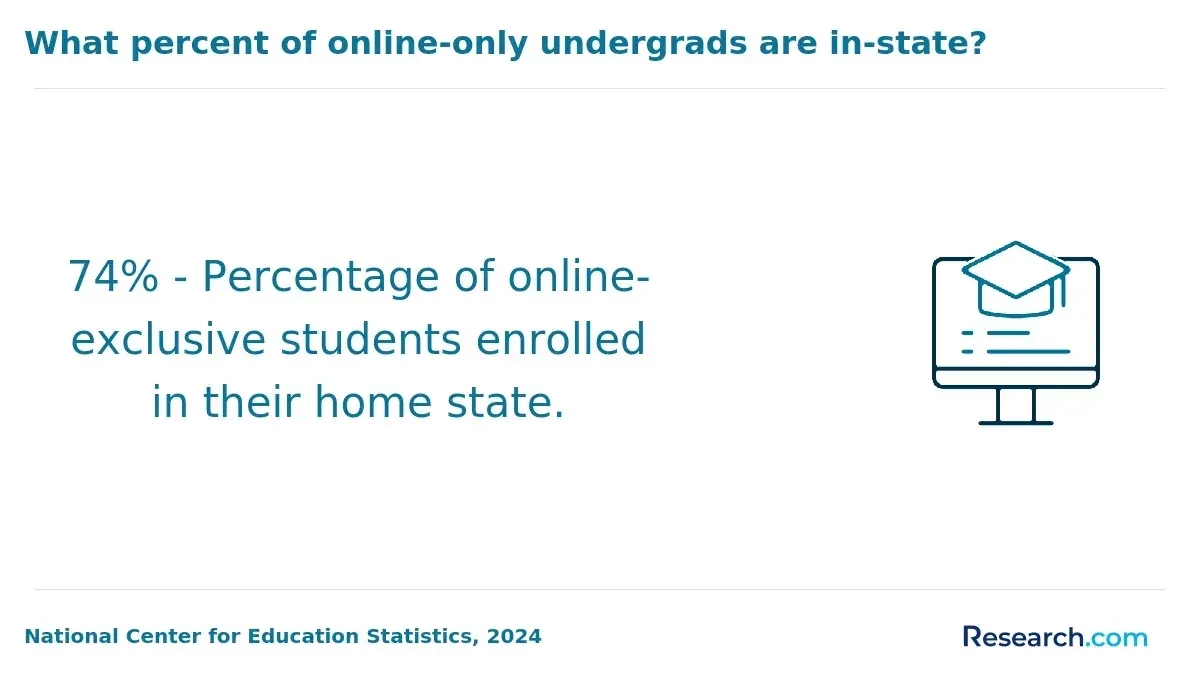
Choosing between online and campus-based psychology-mental health programs involves weighing distinct tradeoffs in skill acquisition and career positioning. Online formats offer flexibility suited to students juggling full-time jobs or caregiving, allowing access to coursework beyond traditional hours. However, these programs often lack direct access to faculty mentorship, peer collaboration, and local practicum sites essential for developing practical clinical competencies.
Employers in nonprofit and community mental health sectors prioritize candidates with supervised field experience-a feature more reliably found in campus programs that integrate internships and lab work. This experiential learning fosters local networks and supervisory relationships critical for licensure and job placement, especially given a median wage of $77,030 for social and community service managers and a projected 9% job growth by 2032.
Online programs vary greatly in quality and support for clinical placements; prospective students must verify accreditation and robust practicum coordination. The absence of informal face-to-face networking can hinder securing supervised practicum positions, limiting post-graduation job opportunities.
For example, a student targeting leadership roles in community mental health administration might find online credentials practical if paired with strategic networking, but clinical roles generally demand campus-attained hands-on experience with supervision adherence. Decision-makers should prioritize programs aligning with licensure pathways recognized by employers in their geographic and professional target areas.
What accredited program types best align with human services and counseling pathways?
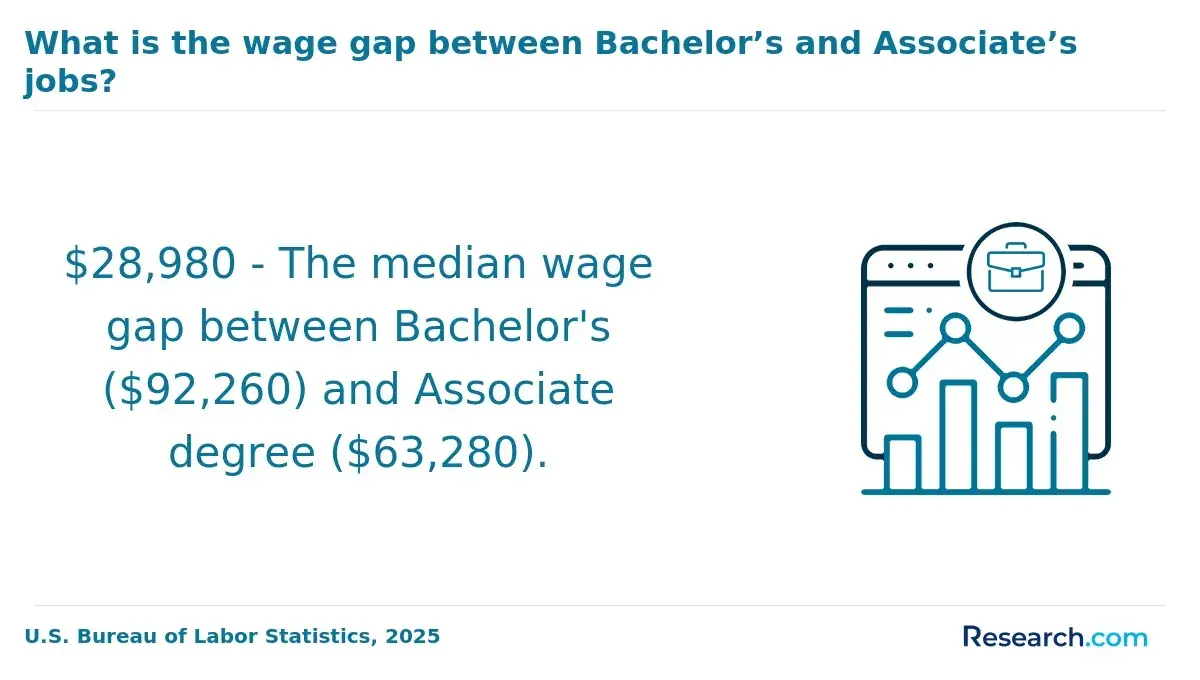
Choosing an accredited associate or bachelor's degree in human services or psychology significantly shapes entry into counseling and mental health roles by aligning training with employer needs. An associate degree often prepares graduates for technical support positions, such as psychiatric technicians, with a median wage near $38,030 and sustained job growth of 8% through 2032, per U.S. Bureau of Labor Statistics data.
Such roles require less autonomy but provide critical frontline exposure to behavioral health. Bachelor's degrees expand access to positions like case managers or behavioral health specialists, which demand more advanced intervention skills and ethical judgment. Their practicum components are crucial, ensuring supervised field experience that improves hiring prospects by meeting workplace readiness standards.
Graduate certificates and master's programs offer expanded opportunities, including licensure pathways, but involve longer completion times and prerequisite degrees that may not suit those seeking rapid career shifts. For pragmatic career pivots, programs accredited by bodies like the Council for Standards in Human Service Education (CSHSE) balance time investment with job market relevance effectively.
Employer priorities highlight the need for relevant coursework, accreditation, and practicum access; lacking these typically prolongs job searches and depresses starting salaries. Prospective students should weigh curriculum scope, clinical exposure, and regional certification alignment carefully when selecting programs, especially in Psychology - Mental Health pathways.
What core courses and fieldwork experiences should a strong psychology-mental health curriculum include?
A psychology-mental health curriculum that aligns with workforce expectations integrates both core theoretical knowledge and substantial applied experience. This balance is essential because roles such as probation officers and correctional treatment specialists demand not only clinical understanding but also proficiency in managing behavioral interventions within complex justice systems.
Practical fieldwork in settings like juvenile detention or community clinics is critical to developing real-time decision-making skills under pressure. Key coursework must cover abnormal and developmental psychology, psychopharmacology, and counseling methods, with emphasis on diagnostic accuracy, trauma-informed care, and ethical standards.
Additional training in research methods and statistics is indispensable for interpreting behavioral data and evaluating treatment outcomes-skills increasingly valued in data-driven public health and social service roles. Field placements should actively involve students in mental health evaluations and interdisciplinary collaboration rather than passive observation. Such engagement exposes systemic challenges-including resource limitations and bureaucratic hurdles-that impact service delivery, thus shaping practical readiness.
Employment trends reveal a median annual wage of $65,140 for probation officers and correctional treatment specialists with a modest 3% growth rate projected over the next decade. This underscores a need for candidates to weigh the tradeoffs between clinical depth versus administrative and compliance skills, which dictate divergent career pathways. Targeted education programs must reflect these nuances to prepare graduates for specific sector demands and realistic job market conditions.
How can you evaluate and choose a reputable psychology-mental health program for human services work?
Selecting a psychology - mental health program for human services requires balancing accreditation, curriculum focus, and graduate outcomes with real workforce demands. Accreditation by a recognized agency affects licensure eligibility and employer credibility, which directly impacts career trajectories.
Programs must teach relevant competencies-counseling theories, behavioral assessment, crisis intervention-that align with human services roles earning a median wage of $53,420, notably above the overall occupational median of $48,060 per U.S. Bureau of Labor Statistics data.
Employment connections are vital. For instance, candidates aiming to become substance abuse counselors benefit from programs linked to certified treatment centers where practicum placement ensures timely hands-on experience. This affiliation improves job placement opportunities significantly.
Consider how each program balances theory and applied skills. Heavy research emphasis suits those pursuing clinical psychology, but working professionals might prioritize flexible schedules or online access without compromising practicum quality.
Financially, public institutions generally offer lower tuition and stronger in-state networks, while private programs may provide niche certifications at higher costs. Additionally, understanding state-specific licensing requirements upfront prevents credentialing delays after graduation.
- Accreditation impacts licensure access
- Curriculum must cover core human services skills
- Graduate employment hinges on agency partnerships
- Flexibility and practicum quality are key for working adults
- Cost must be weighed against regional job market entry
Other Things You Should Know About Psychology - Mental Health
While a psychology - mental health degree provides essential theoretical knowledge and foundational skills, many employers also prioritize practical experience and relevant certifications. Entry-level positions may accept the degree alone, but advancing or specializing often requires additional credentials, supervised practicum, or licensure. Candidates should assess their target roles carefully to decide if pursuing internships, certifications, or graduate education is necessary to meet employer standards.
Programs emphasizing hands-on clinical fieldwork and intensive case management prepare students better for stress-prone environments by fostering real-time problem-solving skills and resilience. Programs lacking practical components may leave graduates underprepared for the emotional demands of crisis intervention or high caseloads. Prioritize programs that integrate comprehensive supervised practicums to build coping strategies essential for sustainable practice in mental health and social services.
Career advancement in human services often hinges on graduate-level qualifications or specialized certifications beyond a bachelor's or master's in psychology - mental health. While the degree can open entry-level opportunities, leadership, clinical, and licensed positions generally require further graduate training. For professionals aiming at supervisory roles or clinical practice, planning for continued education is essential to access promotions and higher responsibility jobs.
References
- Exploring Non-Traditional Social Work Careers https://agentsofchangeprep.com/blog/exploring-non-traditional-social-work-careers/
- Curriculum & Study Plan https://psychology.ff.cuni.cz/curriculum-study-plan/
- Types of Mental Health Professionals | NAMI https://www.nami.org/treatments-and-approaches/types-of-mental-health-professionals/
- 9 Mental Health Careers You Can Pursue with a BA https://www.nec.edu/news/9-mental-health-careers-you-can-pursue-with-a-ba
- Jobs With A Bachelor's Degree In Psychology https://www.psychology.org/resources/jobs-with-a-bachelor-of-arts-in-psychology/
- What Do Psychologists Earn? Highest Paying Psychology Jobs | Walbrook https://www.walbrook.ac.uk/subjects/psychology/psychologist-salaries-highest-paying-jobs/
- Mental Health Counselor Job Outlook and Salary | Bradley University Online https://onlinedegrees.bradley.edu/blog/mental-health-counselor-job-outlook
- Online Degrees https://onlinecounselingprograms.com/online-counseling-degrees/
- What is Human Services https://www.nationalhumanservices.org/what-is-human-services/
- Human Services Careers | PublicHealthOnline.org https://www.publichealthonline.org/human-services/