2027 Best Online Psychology - Mental Health Programs for Professionals Seeking School and Youth Program Careers

Co-Founder and Chief Data Scientist
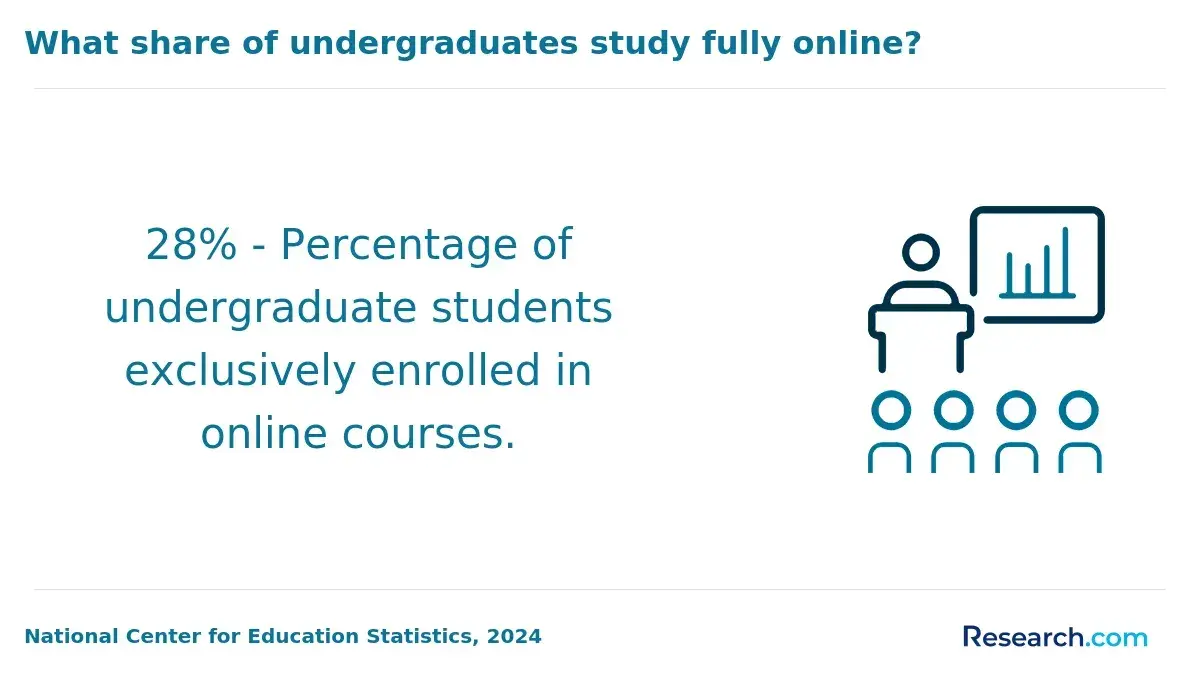
Professionals aiming to specialize in school- and youth-focused psychology and mental health face a daunting barrier: balancing intensive work or life obligations with gaining credentials that meet state licensure and employer standards. The National Center for Education Statistics noted a 12% rise in adult enrollment in online graduate programs in 2024, reflecting a clear pivot toward flexible, accessible learning models that accommodate working professionals.
However, not all programs deliver equally on practical training, accreditation, and career placement, which critically impacts employability and advancement. This article evaluates the best online psychology - mental health programs designed to optimize career outcomes for those targeting school and youth settings, offering guidance to align educational choices with professional realities.
Key Things You Should Know
- Demand for school and youth psychology specialists surged 18% through 2024, but state licensure variance creates tradeoffs between accelerated online degrees and full clinical accreditation, complicating career timelines.
- Employers prioritize candidates with fieldwork-integrated online credentials due to persistent shortages; programs lacking synchronous practical training see up to 40% lower hire rates, per national workforce studies.
- Average tuition for vetted online Psychology - Mental Health programs rose 12% since 2022, presenting cost-access friction that disproportionately impacts career changers without employer tuition support or federal aid eligibility.
What are the best online psychology and mental health programs for school and youth careers?
Online psychology and mental health programs targeting school counselors and youth professionals must extend beyond flexible coursework to include rigorous practicum components within K-12 settings. Employers stress internships involving psychoeducational assessments and individualized education plan (IEP) collaborations, reflecting the demand for verified clinical experience alongside theoretical knowledge.
Failure to secure programs with accredited field placements can delay licensure and limit employment prospects in education-focused mental health roles. State licensure requirements introduce complex variables, often necessitating regionally accredited degrees and supervision by certified school psychologists. Students pursuing the best online psychology and mental health programs for school counselors should verify compatibility with their state board's specific pathways to avoid credentialing setbacks.
The growth in online graduate enrollment has increased competition for top spots in programs that integrate applied, evidence-based methods such as cognitive-behavioral therapy designed for children and adolescents. Programs lacking depth in practical exposure risk restricting career mobility, especially as districts require documentation of both academic rigor and direct client interaction.
Professionals focused on youth care must also develop crisis intervention and substance use disorder competencies to align with evolving public school and community agency needs. For those evaluating accelerated options, resources like the accelerated psychology bachelor's degree online offer pathways but demand careful consideration of experiential learning balance.
Prioritizing top accredited mental health programs for youth career professionals involves weighing program flexibility against the necessity of structured, supervised fieldwork. The practical realities of licensure and employer expectations necessitate strategic program selection tailored to workforce demands in school-based mental health services.
How do online psychology-mental health degrees prepare you for school-based roles?
Online psychology mental health degrees for school counselors provide targeted skills essential for navigating complex K-12 environments while balancing developmental, behavioral, and systemic factors. Graduates must master adolescent cognitive and emotional development to effectively tailor interventions, often bridging family systems theory with community psychology to tackle external challenges like trauma or socioeconomic stressors.
Practical training emphasizes scenarios such as crisis response and coordination of multi-tiered support systems. For instance, a counselor trained online can identify anxiety affecting a student's academics and then work collaboratively with educators and parents to customize accommodations, highlighting operational skills demanded by employers.
Coursework includes rigorous coverage of educational laws such as IDEA and FERPA, a non-negotiable skill set for professionals expected to advocate within bureaucratic frameworks and maintain compliance. This focus on legal literacy distinguishes candidates in competitive hiring processes.
Further, specialists are equipped to analyze data-driven evaluation tools used in school districts, aligning with an increasing employer preference for evidence-based program oversight. Given the U.S. Bureau of Labor Statistics' projection of 17% job growth for school and career counselors from 2024 to 2034, this preparation supports alignment with a rapidly expanding workforce area that prioritizes youth mental health.
Students considering this pathway should weigh the practical benefits against challenges such as online learning dynamics and varying state licensure requirements. For those seeking cost-effective options, exploring master's in psychology online cheap may provide strategic advantages in preparation for youth mental health program careers.
What education and licensure are required to work in school and youth mental health?
Effective career entry into school and youth mental health requires more than a master's degree in counseling, psychology, social work, or a similar field; it demands navigating complex state-specific licensure tailored to educational settings. For licensed school counselors, completing a CACREP-accredited graduate program or equivalent, alongside 600 to 1,000 supervised clinical hours post-graduation, is standard before applying for certification.
Licensure often includes passing the National Counselor Examination (NCE) or Praxis School Counselor exam. Employers emphasize candidates' hands-on experience in K-12 environments or youth-focused clinical roles. Without practical exposure to school-based behavioral interventions, job prospects diminish significantly, regardless of formal credentials. Many professionals supplement their training with certifications in youth mental health to meet evolving employer demands and enhance competitiveness.
Those pursuing roles in school mental health education requirements face a time-intensive and costly path, typically spanning 2 to 3 years beyond a bachelor's degree for education and licensure. Transitioning counselors often must acquire additional state credentialing and ongoing training in educational law, child development, and crisis intervention to meet employer standards.
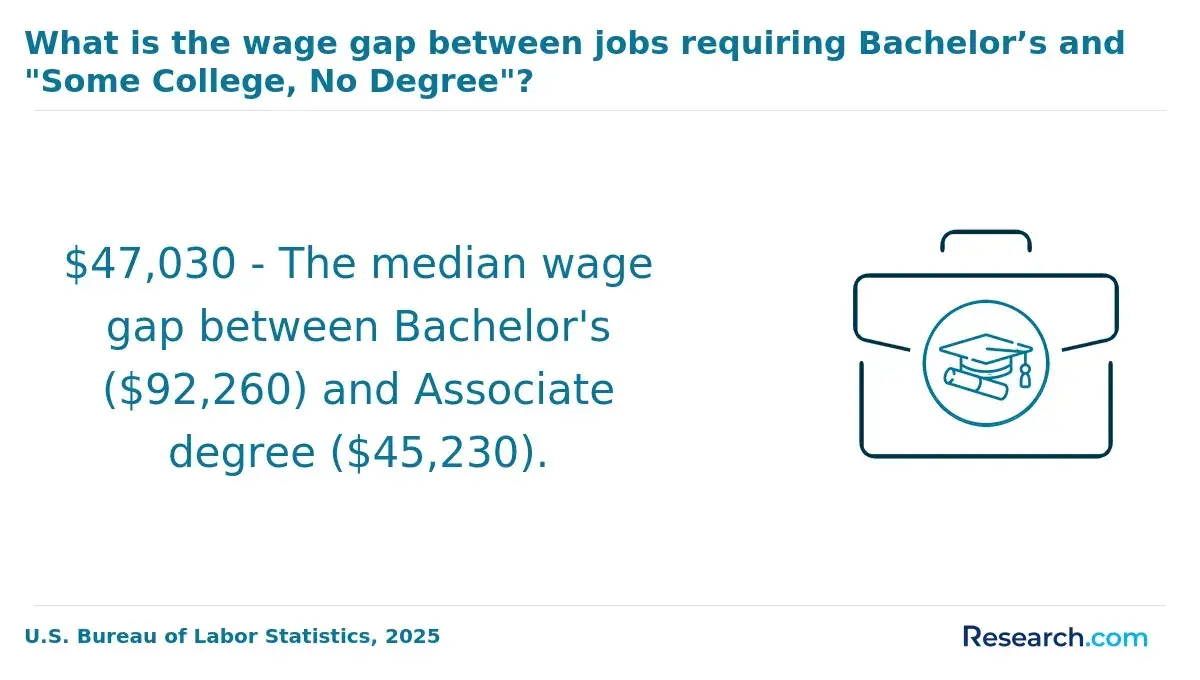
Job market data from the U.S. Bureau of Labor Statistics indicate median wages for school and career counselors near $64,090, with the top 10% exceeding $100,000, affirming the financial incentive of pursuing full licensure and credentials. For an informed perspective on specialized degree options in this field, review the types of therapy degrees that align with these trajectories.
How do online psychology-mental health programs compare to campus options for training quality?
Employers in school and youth mental health environments prioritize supervised practicum experience and licensure eligibility over whether education is delivered online or on campus, emphasizing a crucial hiring reality for candidates evaluating online psychology mental health training quality comparison. Accredited online programs maintain curriculum rigor and meet identical state and national standards as traditional campus options, producing graduates with competent clinical skills verified by licensure requirements.
However, online students often face the practical challenge of independently securing local clinical placements, which may extend licensure timelines compared to campus students with institutional placement support. Graduates from online master's programs report average debt-to-income ratios 15-20% lower than on-campus counterparts, largely due to reduced tuition and relocation costs and the flexibility to balance work-study demands-a significant consideration for working professionals pivoting careers.
This financial advantage can be further explored through a list of cheapest online counseling degree options tailored for cost-conscious students. Tradeoffs include weaker face-to-face networking opportunities in online programs, which may affect candidates targeting competitive urban markets requiring advanced interpersonal connections.
Conversely, online training offers flexibility beneficial to those pursuing youth-focused roles in rural or underserved districts where in-person education access is limited. When weighing differences between online and campus psychology mental health programs, prospective students should consider how well each format aligns with their licensure goals, job market demands, and practical barriers such as local practicum availability.
What types of degrees and certificates support careers in school and youth mental health?
Employers in school and youth mental health demand credentials that combine theoretical knowledge with applied experience, particularly emphasizing state licensure such as LPC or LCSW tied to Clinical Mental Health Counseling or School Counseling master's programs. Over 60% of online counseling curricula now include specialized tracks for youth populations, responding to workforce needs documented in Psychology.org's 2026 data.
This specialization matters because practical readiness hinges on supervised practicum hours or internships within real school or community settings-not just classroom theory. Graduate certificates focused on trauma-informed care or adolescent therapy can offer faster entry into support roles where full clinical licensure isn't mandatory, such as behavioral specialists or program coordinators.
For example, a licensed school psychologist moving toward youth counseling might pursue a certificate concentrating on systemic risk factors and family dynamics, aligning with district compliance demands. Key points for candidates evaluating pathways:
- Master's degrees with licensure pathways remain essential for clinical and counselor roles working directly with youth.
- Certificates provide targeted skill sets but usually do not substitute for full licensure where clinical decision-making is required.
- Integration of supervised fieldwork in degree programs significantly increases employability and on-the-job competence.
- Bachelor's holders and certificate completers often find opportunities limited to para-educator or case management positions within youth services.
Prioritizing programs with embedded practical experience and understanding employer licensure requirements improves strategic decision-making for professionals seeking meaningful advancement in Psychology - Mental Health focused on youth populations.
Which accreditation and program approvals should online psychology-mental health programs have?
Regional accreditation recognized by the U.S. Department of Education or the Council for Higher Education Accreditation is the baseline for online psychology-mental health programs to ensure degrees hold value for licensure and employment. Without this, graduates face significant barriers obtaining state licenses or advanced certifications, limiting their ability to practice or secure insurance reimbursements.
Specific approvals heavily influence career trajectories: APA accreditation is essential for clinical psychology licensure eligibility, while NASP approval or equivalent state endorsements are non-negotiable for school psychology roles, particularly in stringent states like California. Selecting a program lacking these endorsements directly impacts eligibility for public school employment and can result in costly retraining or credentialing delays.
Admissions competition reflects the workforce's demand for rigorous, accredited programs-top online master's programs often see 3-5 applications per available seat with acceptance rates below 35%. Candidates must also prioritize programs offering supervised practicum or internships aligned with state licensing requirements, as hands-on experience is a pivotal credentialing step for youth-focused psychology careers.
Key considerations include:
- Confirming both institutional and program-specific accreditations before enrollment
- Understanding state-specific licensing prerequisites to match program credentials
- Evaluating practicum availability to ensure supervised, compliant experience
What coursework and field experiences do school-focused online mental health programs include?
Completing a school-focused online master's degree in psychology - mental health demands navigating rigorous fieldwork integration alongside comprehensive coursework, reflecting direct employer expectations rather than abstract academic goals. Graduates must accumulate 600 to 1,200 supervised practicum hours within settings such as K-12 schools, juvenile justice centers, or youth programs, exposing them to real-time crisis responses, Individualized Education Program (IEP) collaboration, and multidisciplinary team involvement.
For example, a candidate employed in a public school district must be adept at managing IEP meetings and applying trauma-informed approaches-skills developed through targeted practicum assignments rather than theoretical study alone. Beyond practical skills, these programs emphasize legal and ethical compliance, notably FERPA requirements, ensuring graduates meet state regulatory demands relevant to school mental health services.
Curricula typically cover developmental psychology, child and adolescent counseling methods, educational psychology, and behavioral interventions tailored to school environments, coupled with youth-specific assessment techniques like social-emotional screenings and learning disability evaluations. These elements collectively reflect recognized professional competencies required in educational agencies.
Financial considerations present a significant tradeoff: tuition ranges from approximately $15,000 to $60,000, per analysis by OnlineMastersDegrees.org, with time-consuming fieldwork that may require flexible work arrangements or employer cooperation to avoid career disruption. Prospective students must weigh this investment against their professional context and long-term employability outcomes to determine if the pathway aligns with their strategic goals.
What are typical admission requirements, program length, and total costs for these degrees?
Admission into online psychology - mental health programs often hinges on specific prerequisites that can materially affect a student's readiness for licensure and employment. A bachelor's degree with a minimum GPA near 3.0 is standard, supplemented by GRE scores or waivers dependent on professional experience. Targeted programs, especially those focused on school or youth counseling, frequently require prior coursework, letters of recommendation, and a statement of purpose demonstrating clear career objectives.
Program durations vary significantly: master's degrees typically require 2 to 3 years full-time, extending up to 4 years part-time for working professionals, while doctoral tracks demand 4 to 6 years given practicum and dissertation demands. Accreditation, particularly by CACREP, directly influences clinical training quality and licensure board approval, where graduates see initial licensure pass rates above 90%, according to 2025 Psychology.org data.
Cost ranges for master's degrees span $20,000 to $45,000, but total expenses often rise due to mandatory background checks, clinical supervision fees, and practicum or internship placements. Candidates must consider these hidden costs realistically when budgeting.
Licensure requirements differ by state and can impact time-to-employment. For instance, states with extensive supervised clinical hours can add months to post-graduate timelines, delaying entry into school counseling roles. Students must weigh these constraints alongside program length and cost when evaluating options that align with their targeted workforce outcomes.
- Bachelor's degree with minimum 3.0 GPA
- GRE scores or waivers based on experience
- 2-3 years full-time master's programs
- Accreditation critical for licensure alignment
- Variable costs including hidden supervision fees
- State-specific clinical hour requirements affect timelines
What jobs, salary ranges, and career advancement options exist in school and youth mental health?
School and youth mental health roles-such as school psychologists, licensed professional counselors (LPCs), social workers, and behavioral specialists-differ substantially in compensation and credential demands depending on their work settings. School psychologists often earn $60,000 to $90,000 annually, influenced by district size and location. LPCs and social workers in youth-focused programs typically make between $45,000 and $70,000, with variation tied to licensure and environment.
Professionals face a real challenge balancing state-specific credential requirements, practicum hours, and their existing professional or personal obligations, especially in pursuit of licensure that involves supervised experience. More than 80% of accredited online counseling and psychology master's programs now require supervised practicum hours within K-12 or youth-serving settings, which directly respond to employer demands for demonstrable hands-on experience handling complex cases.
For example, candidates who secure school-based practicum integrated into online programs can reduce the logistical burdens of field placements while enhancing their employability. Advancement pathways differ significantly by setting: public school roles such as district coordinator or special education director often require doctoral credentials or administrative certification.
Meanwhile, youth-service organizations may prioritize master's-level licensure combined with leadership experience for clinical supervision or program development roles. Prospective professionals must weigh the time and financial investments for advanced credentials against realistic salary progression and job stability in their chosen environment.
How can prospective students evaluate and choose a reputable online psychology-mental health program?
Accreditation and alignment with state licensure requirements directly influence employment prospects in online psychology - mental health programs, as employers often prioritize graduates from recognized and compliant curricula. For instance, a candidate aiming to work in youth services must verify that their program's clinical hours and coursework meet the licensing board's specifications in their target state.
Graduation outcomes matter significantly. Programs that publicly report licensure exam pass rates and graduate employment in sectors like schools or family services provide clearer insights into market alignment. Data from the counseling profession indicate over a third of licensed mental health counselors enter these settings within a decade post-graduation, reinforcing the value of specialized preparation.
Practicums and internships constitute a practical benchmark. Those integrated with community agencies or school districts offer both essential clinical exposure and networking routes-opportunities often limited or less relevant in accelerated or purely online programs. Program flexibility, while attractive for working professionals, demands careful scrutiny. Accelerated formats may compress clinical experience, which can affect readiness for real-world challenges.
Meanwhile, strong faculty expertise combined with career services tied to professional bodies can substantially ease credential navigation and job placement. Cost should be evaluated relative to long-term value: beginning salaries, professional growth potential, and employer expectations all feed into a realistic return on investment analysis.
Other Things You Should Know About Psychology - Mental Health
Some school districts and youth organizations show a preference for candidates who completed hybrid or in-person programs due to perceived advantages in hands-on experience and networking. However, accredited, well-structured fully online programs with comprehensive fieldwork can meet employer expectations if candidates demonstrate practical skills and relevant certifications. Prioritizing programs that embed supervised clinical experience is more important than delivery mode alone.
Online students often struggle to secure quality placements in school or youth mental health settings due to geographic limitations, competition, and lack of program support. This can delay graduation or weaken practical readiness for employers. Evaluating programs based on their fieldwork support infrastructure and local placement networks helps mitigate these risks and align training with career goals.
Specialization certificates can enhance focus on school- or youth-specific mental health issues, but they add cost and time without substituting for required licensure stages. Candidates targeting school psychology or counseling careers should first confirm that core degree and licensure requirements are met, then pursue certificates that expand skill sets or meet local service demands. Certificates are best viewed as complementary rather than foundational credentials.
References
- Average Cost of College [2025]: Yearly Tuition + Expenses https://educationdata.org/average-cost-of-college
- CYMHS - Certified Youth Mental Health Specialist (US) https://www.evergreencertifications.com/certification/certified-youth-mental-health-specialist/
- Student Mental Health and Education https://learningpolicyinstitute.org/product/student-mental-health-education-factsheet
- Online vs Offline Psychology Training in India: Which Is Better? https://psyquench.com/online-vs-offline-psychology-training-which-is-right-for-you/
- Explore Psychology Degrees Online | Psychology.org https://www.psychology.org/online-degrees/
- Mental Health Requirement https://www.nd.gov/espb/licensure/license-information/mental-health-requirement
- Child And Adolescent Mental Health Jobs (with Salaries) - SEEK https://au.seek.com/child-and-adolescent-mental-health-jobs
- Homepage https://www.onlinepsychologydegrees.com/
- Pros and Cons of Online Mental Health Courses | Hader https://www.haderinstitute.edu.au/news/online-learning-advantages-challenges-in-mental-health-studies
- Master Degree in UK: Cost, Duration & Entry Criteria in 2026 - GCRD https://gcrdhub.com/master-degree-in-uk-cost-duration-entry-criteria-in-2026/