2027 Best Online Psychology - Mental Health Programs for Professionals Seeking Human Services Careers

Co-Founder and Chief Data Scientist
Professionals aiming to expand their expertise in psychology - mental health often confront a bottleneck balancing workforce demands with academic accessibility. Nearly 60% of psychology-related graduate students in 2024 enrolled in online or hybrid programs, according to the National Center for Education Statistics, signaling a decisive shift toward flexible education models tailored for working adults.
This growth reflects employers' increasing acceptance of non-traditional credentials but also challenges candidates to distinguish programs that offer practical training aligned with evolving licensure and certification standards.
This article evaluates the best online psychology - mental health programs that optimize flexibility, accreditation, and career readiness for human services professionals navigating these complexities.
Key Things You Should Know
- The 15% tuition variance between top online psychology - mental health master's programs impacts total debt load, influencing career advancement timing given average entry-level salaries near $55K per BLS 2024 data.
- Employers increasingly prioritize clinician licensure validity and supervised practicum hours, making programs without APA accreditation a significant barrier to competitive mental health roles and state licensure reciprocity.
- Programs compressed under 18 months risk superficial clinical skill development, producing faster workforce entry but potentially higher early-career turnover, indicating tradeoffs between speed and sustained employability.
What are the best online psychology and mental health programs for human services careers?
Effective online psychology and mental health programs tailored for human services professionals must balance flexible coursework with robust supervised practicum opportunities to meet licensing board requirements—a critical factor for working adults.
Consider a licensed clinical social worker (LCSW) candidate who needs accessible local practicum sites alongside online classes to complete supervision hours without income loss. Programs offered by regionally accredited universities with strong employer networks tend to yield better job placement outcomes.
National employment growth for substance abuse, behavioral disorder, and mental health counselors is projected at 18% from 2022 to 2032, with 71,500 new positions opening according to the U.S. Bureau of Labor Statistics. Meeting employer expectations increasingly requires training in telehealth, trauma-informed care, and culturally competent approaches.
Graduates from programs lacking these elements often face disadvantages in public health and community behavioral clinics.
When evaluating the best online psychology programs for human services professionals, prioritize alignment with state licensure standards, tuition cost efficiency, and career services tailored to human services roles.
Programs emphasizing extensive theory without substantial practicum can delay workforce entry and necessitate costly additional certification. Aspiring licensed professional counselors (LPCs) benefit most from programs integrating exam preparation and career advising.
For a comprehensive overview of program options, consider reviewing psychology online resources that detail accelerated pathways to credentialing and employment.
How do accreditation and licensure affect online mental health degrees?
Accreditation fundamentally shapes the practical value of accredited online mental health degree programs in the US, determining access to licensure and employment opportunities. Graduates without degrees from regionally or nationally recognized programs often cannot qualify for required licensing exams, barring them from independent clinical roles such as licensed professional counselor or clinical psychologist. Employers and state boards insist on verified accreditation to ensure compliance with professional standards.
Licensure requirements for online psychology and mental health degrees extend beyond coursework, mandating supervised clinical hours and successful completion of state-specific examinations. These criteria differ by jurisdiction, influencing internship availability and post-graduate supervision options, which directly affect timely entry into regulated mental health professions.
For instance, social service roles projected to grow by over 280,000 openings annually favor candidates holding these licensure credentials.
Choosing unaccredited or non-compliant programs risks wasted resources and limited career mobility, particularly since some states do not recognize out-of-state online degrees lacking proper accreditation. Prospective students should rigorously verify program accreditation, curriculum relevance to licensure, and alignment with their target state's requirements before committing.
Those exploring advanced study options should consult resources offering transparent data on cost and credential validity. For those examining degree affordability and outcomes, this online masters in psychology comparison provides critical insights for informed decision-making.
Which online mental health degrees lead to counseling or social services licensure?
Online mental health degree programs for counseling licensure demand careful scrutiny beyond coursework alone, as state-specific social services licensure requirements for mental health professionals can vary drastically in supervised clinical hour obligations and exam criteria.
For example, an MSW with a clinical focus might qualify a student to pursue Licensed Clinical Social Worker (LCSW) status only if the program coordinates internships meeting local board mandates. This distinction often forces candidates to weigh programs by their practical field placement support rather than just academic content.
State boards may require in-person clinical supervision, restricting fully online degree completions unless students access local partnerships, which impacts timelines and licensure eligibility. Employers across healthcare, education, and social service sectors prioritize candidates whose graduate training aligns directly with governing board standards and documented supervised experience. Missing these nuances can delay or derail independent practice.
Tuition for online psychology master's programs spans from $15,000 to $60,000, a range reflecting significant differences in licensure preparation quality, faculty access, and clinical networking opportunities. Lower-cost programs may impede employability by limiting supervised clinical experiences essential for meeting credentialing requirements and workforce expectations.
Students intent on navigating these complexities effectively should consider investigating detailed program outcomes and licensure success rates. Comparing programs through vetted resources like online degree psychology listings can reveal critical tradeoffs in cost, support, and eventual job market positioning.
How do online and campus mental health programs compare?
Choosing between online mental health degree programs and traditional campus options requires weighing practical tradeoffs affecting career outcomes. Online pathways offer flexibility critical for working professionals or those outside urban centers but demand deliberate planning to secure clinical practicum placements essential for state licensure.
Campus programs frequently integrate supervised clinical experiences directly, supporting immediate skill application and local professional networking, which can accelerate job placement.
Employment success in human services hinges more on documented clinical competence and licensure than on program delivery. Campus students often benefit from embedded local connections upon graduation, while online learners must proactively develop similar networks, sometimes leveraging virtual forums and strategically chosen local internships. A prospective student's decision should consider these relational dynamics alongside personal scheduling constraints.
Licensed Professional Counselors earn an average of $55,153 annually in the U.S., reflecting consistent mid-career earning potential regardless of program format.
Those assessing options should focus on programs-especially strong CACREP-accredited programs-with reliable clinical placement partnerships within their geographic region to avoid delays caused by relocation or commuting burdens.
Differences between campus and online psychology programs extend beyond format, affecting both timeline and access to mentorship crucial for career trajectory shifts in Psychology - Mental Health fields.
What courses are included in online psychology and mental health programs?
Employment prospects for substance abuse, behavioral disorder, and mental health counselors in North Carolina, exhibiting a steady 2.4% annual growth rate through 2032 according to Methodist University data, necessitate focused training on substance abuse and behavioral disorder topics within online psychology and mental health programs.
This specialized emphasis aligns with workforce demand, where practitioners must navigate complex client needs in diverse community settings.
Core curricula extend beyond theoretical foundations, incorporating evidence-based interventions such as cognitive behavioral therapy (CBT), trauma-informed care, and motivational interviewing. Students face the practical challenge of integrating these treatments with telehealth platforms and managing adherence remotely during practicum or internship components, a critical preparation for contemporary clinical environments.
Foundational coursework generally includes neuropsychology and psychopharmacology to provide biological context, alongside research methods and data analysis skills. These competencies are indispensable for professionals who must critically assess treatment efficacy and comply with agency requirements focused on evidence-based outcomes.
Programs designed for career changers and advancement focus distinctly on licensing examinations and state-specific regulatory knowledge, helping students avoid common delays in credentialing-a frequent bottleneck impacting workforce entry and progression.
What are the admission requirements for online mental health programs?
Admission into online mental health programs commonly requires a bachelor's degree with a minimum 3.0 GPA, though specific expectations vary by program based on occupational focus. For clinical psychology or counseling tracks, a relevant undergraduate background or coursework in psychology and statistics often strengthens candidacy.
Programs typically request official transcripts, two to three recommendation letters, and a statement of purpose clarifying career trajectory. While some still require GRE scores, an increasing number waive this, aligning with evolving graduate admissions trends.
Applicants presenting professional experience in human services tend to gain an advantage, especially in competitive areas like clinical psychology, which has seen heightened enrollment due to employer demand for advanced clinical skills. Practical admissions considerations also include background checks and immunization verification, particularly when clinical internships or practicums are mandatory.
International candidates face added layers such as English proficiency exams and credential evaluations, which can extend preparation time and complicate application processes.
Working professionals balancing current employment with coursework should anticipate significant time management challenges to meet rigorous deadlines without compromising academic performance. Failure to submit complete, timely documentation often results in delayed enrollment or outright rejection, impacting workforce entry timelines.
Key operational takeaways for prospective students include:
- Confirming exact prerequisite requirements early to avoid last-minute gaps.
- Aligning prior academic and practical experience with program specificity.
- Preparing comprehensive application materials well before deadlines.
These steps reduce the risk of administrative pitfalls that hinder strategic pivots or progression in psychology - mental health careers.
How long do online psychology and mental health programs take?
Completion timelines for online psychology and mental health programs range from 1 to 3 years, influenced by factors such as full-time versus part-time enrollment, clinical practicum requirements, and program structure. Professionals working full-time commonly extend their studies toward the three-year mark, balancing coursework with clinical hours.
For instance, mental health counselors in community agencies frequently opt for part-time paths to manage caseloads while fulfilling practicum demands, whereas recent graduates prioritizing swift workforce entry might accept the intensity of accelerated programs lasting 12 to 18 months.
Time-to-completion affects not only licensure eligibility but also longer-term employability and return on investment. Tuition costs vary significantly—ranging from $15,000 to $60,000—reflecting a substantial financial tradeoff that factors into program choice. Selecting a shorter, more costly program can advance career timelines but may increase debt levels and restrict income during intense study periods.
Key decision points include:
- Availability of clinical placements, which can prolong program duration if institutional partnerships are limited.
- Employer tuition support, influencing feasible pacing of study and practicum hours.
- State-specific licensure requirements, sometimes mandating extended supervised experience before independent practice.
Aligning program length with realistic workforce demands and financial capacity is essential for meaningful career progression in psychology - mental health fields.
How much do online mental health degrees cost?
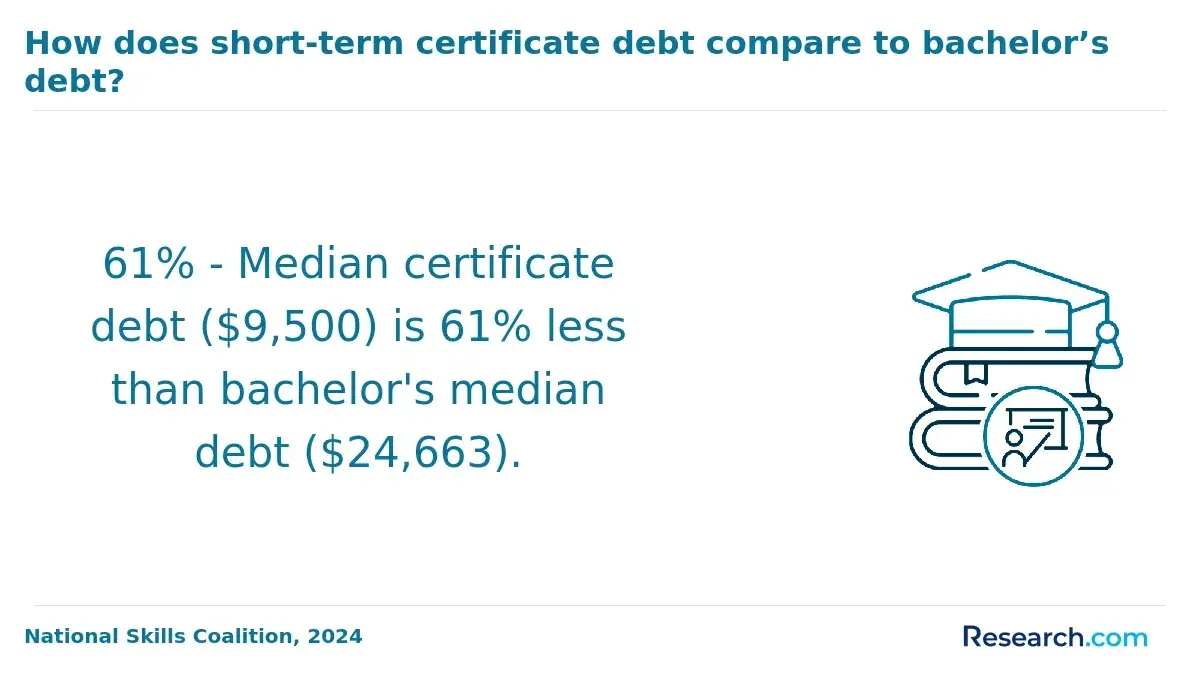
Choosing between certificate programs and master's degrees in psychology - mental health involves significant tradeoffs in cost, timeline, and career outcomes. Certificate programs averaging under $10,000 offer rapid re-entry into roles such as behavioral health technician or mental health case manager, making them practical for professionals needing quick workforce access.
However, these credentials generally fall short for positions requiring clinical licensure, which mandate accredited master's degrees plus supervised clinical hours.
Master's degrees in clinical psychology or counseling typically range from $25,000 to $50,000 in tuition, reflecting the extended training and rigor employers expect for licensed clinicians. Online asynchronous formats with part-time pacing help mitigate income disruption by allowing students to work concurrently, but the overall investment still includes licensure exam fees and supervised practice costs, potentially adding several thousand dollars beyond tuition.
Pragmatically, those pivoting careers toward mental health support must balance upfront affordability with long-term professional eligibility. Budgeting should encompass technology fees, textbooks, and possible in-person practicum expenses to avoid underestimating costs.
What jobs can you get with an online mental health degree?
Entry-level roles for graduates with an online mental health degree primarily include mental health technician, social service assistant, and case manager—positions that require direct client engagement and coordination within human services and behavioral health sectors.
For instance, mental health technicians typically operate in residential or inpatient environments, managing patient behavior under clinical supervision, while social service assistants work within agencies to link clients with essential public resources, demanding strong organizational skills.
Advancement beyond these roles generally hinges on additional licensure or a master's degree, especially for clinical tasks such as psychotherapy or independent counseling. Online associate and bachelor's programs provide foundational knowledge but often fall short in eligibility for licensed clinical positions that require supervised practice hours and state-specific credentials. Early consideration of state licensing requirements and programs that incorporate practicum experiences is crucial.
Employers increasingly expect candidates to demonstrate proficiency in electronic health records and data documentation alongside interpersonal abilities. Practical experience, obtained through internships or volunteer engagements aligned with coursework, significantly strengthens candidacy.
Moreover, certifications like Certified Addiction Counselor (CAC) or Mental Health First Aid can enhance employability in community health settings without mandating advanced degrees.
What are the salary and job outlook for human services careers?
Human services positions tied to psychology - mental health offer varied salary outcomes largely shaped by credential level and licensure status. Median wages for roles like social workers and counselors range from approximately $37,000 to $60,000; obtaining a master's degree typically leads to higher pay but often still places professionals below the licensure-required salary tier.
For instance, a community mental health worker with a one-year accelerated master's may earn between $45,000 and $55,000, occupying paraprofessional or support roles such as program coordination or research assistance.
The key tradeoff lies between accelerated master's programs and full licensure pathways. Accelerated degrees reduce time and cost but restrict the worker to non-clinical roles with limited salary ceilings, often capping earning potential below licensed practitioners who make $70,000 or more annually. This distinction affects both scope of practice and long-term career flexibility.
Job growth for human services roles is projected at 13% through 2032, propelled by aging populations and increased mental health awareness. However, employers still expect at least a bachelor's degree for entry and a master's for clinical or supervisory roles.
Other Things You Should Know About Psychology - Mental Health
Studying in the best online psychology - mental health programs in 2027 can offer increased flexibility, access to diverse resources, and exposure to innovative technologies. These programs help students gain relevant skills in telehealth, enabling them to meet evolving industry demands and enhance career opportunities in human services.
Internships and practicums remain critical despite program delivery mode. Programs that lack robust partnerships with local agencies or do not require in-person supervised experiences leave graduates at a competitive disadvantage in agencies that prioritize field experience. Applicants should verify that online programs provide guaranteed, supervised clinical hours and assess the quality of these placements since employers often demand proven applied competence, which directly affects hiring likelihood and potential starting roles.
Choosing between a master's and doctoral pathway depends on specific career goals and employer expectations. Master's degrees typically qualify candidates for entry-level counseling and human services roles but may restrict advancement to supervisory or clinical psychologist positions. Doctoral degrees, while requiring more investment of time and resources, are essential for licensed psychologist roles and leadership positions in research or higher education. For those targeting clinical licensure or higher pay grades, prioritizing doctoral programs-even online-aligns better with long-term career returns.
Many online programs now include telehealth training and digital communication skills, reflecting growing demand in human services employment. However, coverage is uneven; programs without explicit telepractice curricula leave graduates less equipped for virtual care roles, which are increasingly common in mental health service delivery. Applicants should prioritize programs with specific course content or practicum experiences in telehealth platforms and digital client engagement to ensure alignment with employer expectations and employment trends.
References
- Can I Be a Therapist with a Social Work Degree? Transition Options & Licencing Requirements https://www.scuhs.edu/psyd-article/can-i-be-a-therapist-with-a-social-work-degree-transition-options-licencing-requirements/
- How Long Does It Take to Become a Licensed Counselor? https://onlinecounselingprograms.com/become-a-counselor/how-long-does-it-take/
- Is Online School Better for Students' Mental Health? | CCA https://ccaeducate.me/blog/is-online-school-better-for-students-mental-health/
- Importance of CACREP Accreditation for Online Counseling Programs https://www.onlineeducation.com/counseling/faqs/importance-of-cacrep-accreditation
- Best Online Mental Health Counseling Psychology Programs https://mastersinpsychologyguide.com/articles/best-online-mental-health-counseling-psychology-programs/
- For Students - CACREP https://www.cacrep.org/for-students/
- The Benefits of Online Therapy for College Students - Mantra Health https://mantrahealth.com/post/student-benefits-online-therapy/
- Best Online Counseling Degree Programs 2025 https://www.psychology.org/rankings/best-online-counseling-programs/
- Online Mental Health Counseling Masters: Careers That Heal https://sdgs.org.uk/online-mental-health-counseling-masters-careers-that-heal
- Social and Human Service Assistants: Salary, career path, job outlook, education and more - RaiseMe https://www.raise.me/careers/community-and-social-service/social-and-human-service-assistants/