2027 Best Online Psychology - Mental Health Degrees for Advancement in Behavioral Support Leadership

Co-Founder and Chief Data Scientist
Securing advanced credentials in psychology - mental health has become a critical pivot for professionals wrestling with evolving leadership demands in behavioral support roles. The workforce growth projection of over 14% in mental health services by the U. S. Bureau of Labor Statistics signals escalating employer expectations for candidates who combine specialized expertise with flexible credentials.
However, balancing ongoing clinical work or personal responsibilities with rigid traditional programs creates significant barriers. The National Center for Education Statistics reports a 32% increase in adult enrollment in online degree programs since 2022, emphasizing the urgency for accessible, high-quality options. This article evaluates the best online psychology - mental health degrees targeting leadership advancement and career mobility, guiding readers through selection criteria that align with real-world constraints and market requirements.
Key Things You Should Know
- Online psychology - mental health degrees demand balancing accelerated cohort models that cut time-to-completion by 20% against risks of reduced clinical practicum quality, potentially limiting credential portability per 2024 APA data.
- Employers increasingly prefer candidates from programs with integrated digital skills training; National Institute of Mental Health statistics show 65% of leadership roles require telehealth proficiency, reshaping curriculum value for behavioral support trajectories.
- Cost differentials driven by regional accreditation affect loan eligibility and employer tuition reimbursement; Department of Education reports 40% of candidates defer matriculation citing financial aid uncertainty amid evolving federal policies.
What is an online psychology-mental health degree and who is it best suited for?
Choosing an online psychology and mental health degree program in the United States entails balancing flexible access to accredited education with the pragmatic demands of workforce readiness. These degrees typically serve nontraditional students-those managing jobs or caretaking-who need asynchronous coursework that allows them to maintain employment. Yet, employers often look beyond diplomas to verified practical experience, so strongest candidates for online psychology and mental health degrees in behavioral support leadership actively pursue internships, certifications, or supervised fieldwork to validate their skills.
In clinical settings, an online degree may open doors to supervisory roles without requiring relocation or income interruption. However, licensure as a clinical psychologist or counselor usually demands graduate degrees and state-specific clinical training unavailable fully online. This structural limitation means students must carefully evaluate programs for accreditation status and alignment with licensure requirements to avoid misaligned expectations.
With 16% of U.S. psychology bachelor's graduates completing degrees fully online-a tripling over a decade-these programs offer the same theoretical rigor as campus options but demand high self-motivation and robust digital communication abilities. Applicants should also note employer regional preferences, as some regions prioritize traditional credentials.
Those weighing accelerated options may find value in a fast track psychology degree, which can reduce time to completion but amplify intensity and self-discipline requirements, impacting retention and outcome consistency.
How do online psychology-mental health programs compare to campus-based options for flexibility and quality?
Flexibility defines the core advantage of online psychology mental health degree programs, yet that benefit requires careful weighing against clinical training demands. Accredited online programs deliver rigorous curricula and mirror the expertise of campus-based offerings, preserving educational quality differences primarily linked to accreditation and practicum access rather than delivery mode. This distinction frames one of the most significant practical tradeoffs for students balancing work, family, and licensure timelines.
Employers uniformly emphasize clinical competency and supervised fieldwork over the format of degree completion, meaning online students must strategically secure local internships and professional networks to match campus graduates' hands-on readiness. For instance, a behavioral health manager in a rural area may rely on online formats for career progression where geographic limitations restrict access to campus programs, whereas urban employers often prefer candidates with intensive on-site training.
The U.S. Bureau of Labor Statistics projects an 18% growth in employment for substance abuse, behavioral disorder, and mental health counselors through 2032, underscoring sustained demand for adaptable educational pathways. The challenge lies in aligning program flexibility with the reality of comprehensive clinical experience and accreditation requirements.
Students investigating options should factor in specific licensure frameworks and practicum opportunities before committing. Resources like NASP accredited programs can guide prospective candidates to accredited institutions that balance online flexibility with essential professional preparation.
Which accreditation and program approvals should psychology-mental health degrees have in the U.S.?
Institutional accreditation by agencies recognized by the U.S. Department of Education or the Council for Higher Education Accreditation is non-negotiable for accredited psychology mental health degree programs in the U.S., as it determines federal financial aid access and overall program legitimacy. Beyond this, discipline-specific accreditations critically shape licensure and employability. For clinical psychology, American Psychological Association (APA) accreditation is mandatory to qualify for independent practice and meet hiring standards in clinical settings. Counseling-focused tracks should pursue Council for Accreditation of Counseling and Related Educational Programs (CACREP) recognition or equivalent specialized approvals.
The absence of these key accreditations often leads to postponed licensure, diminished employment options, and barriers to certifications, particularly in regulated fields like healthcare or school psychology. For example, an industrial-organizational psychologist with a program lacking recognized credentials risks delayed entry into a labor market where the median salary is $113,040, according to the U.S. Bureau of Labor Statistics.
State licensing board approvals and supervised clinical hours that align with state policies are essential for exam eligibility, especially the Examination for Professional Practice in Psychology (EPPP), a standardized hurdle nationwide. This practical component significantly affects readiness and credential acceptance.
Students and professionals exploring U.S. program approvals for psychology mental health degrees must evaluate if curricula and accreditation status converge toward genuine industry relevance. Program choices lacking these features can undermine employability and the ability to credibly pivot careers within behavioral health sectors, where median wages hover around $92,430.
Prospective candidates seeking pathways should consider these factors alongside financial commitments, comparing offerings including the most affordable online psychology degree programs available on the market.
What levels of psychology-mental health degrees are available online and which path should I choose?
Selecting the appropriate level of psychology - mental health degrees online hinges on aligning credentials with concrete workforce requirements and licensure realities. An online bachelor's degree, with median tuition around $9,375, often serves as a pragmatic entry for those shifting careers or balancing employment, preparing graduates for roles like case management or behavioral technician positions. This level provides foundational knowledge but typically lacks licensure eligibility needed for advanced clinical responsibilities.
Master's degrees supply the clinical authority and advanced leadership potential essential for roles requiring state licensure, particularly Licensed Professional Counselor (LPC) designations. These programs demand considerable time and financial investment and should be scrutinized for compatibility with your state's licensing board. For those assessing options, understanding where to find the cheapest online LPC programs can be pivotal for cost-effective advancement without compromising on professional requirements.
Doctoral degrees (PhD or PsyD) target clinical psychologists, research directors, and upper administration but often impose hybrid attendance and practicum needs that complicate purely online study. These degrees carry significant costs and time commitments, and their impact is limited without licensure.
When mapping the best online psychology mental health degree paths, prospective students must evaluate how each degree level trades off accessibility, credential utility, and alignment with employer expectations to strategically navigate practical, long-term career outcomes.
What courses, concentrations, and practicum experiences are typical in online mental health programs?
Selecting an online Psychology - Mental Health program requires critical scrutiny of practicum components and curriculum alignment with specific career objectives. Graduates must develop competencies in evidence-based interventions and behavioral health systems management, which hinges heavily on obtaining 300 to 1,000 supervised practicum hours tailored to state licensure needs. For instance, a student pursuing leadership roles in community mental health agencies should prioritize practicum placements offering administration and policy exposure rather than purely clinical patient interactions.
Core courses commonly encompass abnormal psychology, counseling theories, psychopathology, and research methods to establish foundational expertise, while focused tracks in trauma-informed care, addiction, adolescent psychology, and behavioral health leadership align study with target employment sectors.
Programs also integrate ethics and cultural competence training, reflecting escalating regulatory demands and workforce diversity. Additionally, some curricula emphasize data analysis and outcome measurement, equipping graduates to meet the rising emphasis on evidence-driven practice within behavioral health organizations.
Financial decisions must weigh tuition against projected earnings. Data from OnlineU's 2025 report reveals that graduates from affordable online psychology programs carried a median debt-to-earnings ratio of 0.54, indicating income levels that typically double loan repayments-a crucial metric for professionals balancing educational investment with realistic financial returns.
What admission requirements and prior experience do online psychology-mental health programs expect?
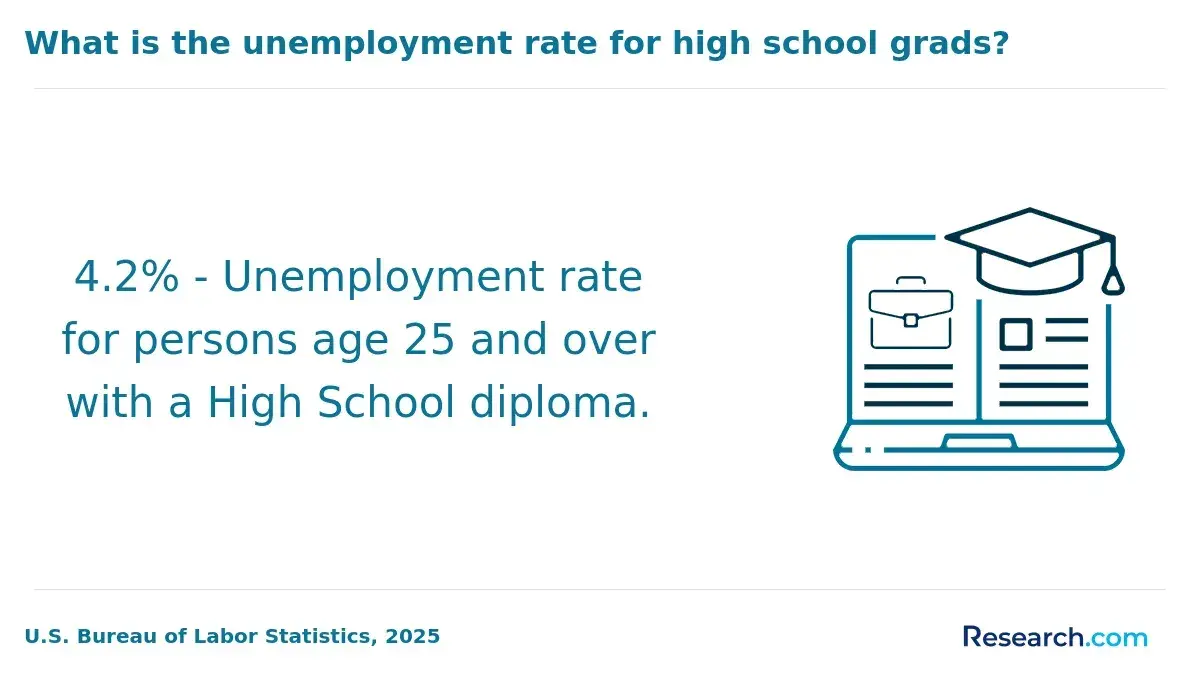
Admission to online psychology-mental health programs reflects distinct tradeoffs between academic metrics and practical experience that shape outcomes and employability. Undergraduate applicants typically need a high school diploma or GED and a GPA near 2.5, but growing test-optional policies shift focus toward demonstrated competencies and prior credits, which can accelerate degree completion for working adults.
At the graduate level, a completed bachelor's-often in psychology or related fields-with a minimum GPA of 3.0 is standard. Programs heavily weigh documented behavioral health experience, such as internships or volunteer hours, over purely managerial backgrounds. For example, a behavioral support coordinator moving from social services will benefit more from client interaction hours than unrelated leadership roles, as employers prioritize demonstrable clinical exposure and practicum involvement indicating readiness for complex behavioral leadership.
Prerequisite coursework in statistics and research methods remains necessary, particularly in self-paced online formats, because foundational understanding supports program persistence and success. The scale of online psychology enrollments, such as Southern New Hampshire University Online's 2,993 BA Psychology graduates in 2024, intensifies competition and raises the bar for applicants who must differentiate themselves beyond minimum qualifications.
Applicants should assess how credit transfer, prior experience, and academic rigor align with their career goals, recognizing that the pathway demands navigating employer expectations that favor supervised clinical experience as a marker of field readiness.
How long do online psychology-mental health degrees take and what do they cost?
Accelerated online psychology-mental health master's programs, ranging from 18 months to 3 years full-time, promise faster degree completion but often demand careful coordination of clinical placements to meet licensing requirements. Working professionals should recognize that part-time enrollment may extend completion to 4 years or more, making the balance between course load and practicum availability a critical factor influencing time to licensure.
Tuition costs vary widely, typically between $15,000 and $40,000, with public universities offering more affordable rates for in-state students compared to private institutions. Importantly, extra expenses such as supervised clinical hours and exam prep are often excluded from these base figures, impacting total investment and budgeting strategies. Considering employer expectations, investments in integrated practicum placements can improve employability in counseling and clinical roles despite higher upfront costs.
Growth in master's degrees in counseling and applied psychology-up 64% from 2013 to 2023-has increased competition for both programs and clinical jobs. For example, candidates targeting supervisory roles in community health must weigh the tradeoff between accelerated curricula and the depth of clinical training that employers prioritize.
- Delayed or unavailable practicum placements can prolong certification, affecting job market entry.
- Balancing online coursework with real-world clinical hours requires realistic self-assessment to avoid extended timelines.
- Employers favor validated clinical competencies over speed of degree completion alone.
What behavioral support and mental health careers can these degrees lead to?
Behavioral support and mental health degrees lead directly to specialized roles such as Board Certified Behavior Analyst (BCBA), mental health counselor, or behavioral intervention specialist, each requiring targeted skills beyond general psychology. For instance, a BCBA typically manages applied behavior analysis programs within educational or clinical environments, shaping individualized treatment plans for clients with developmental challenges. Meanwhile, mental health counselors often work in community or private settings, delivering trauma-informed care rooted in evidence-based practices.
The rapid 330% increase in credentialed BCBAs between 2014 and 2023, as reported by the Behavior Analyst Certification Board, illustrates employer demand concentrated in education, healthcare, and social services. However, entry into these roles involves distinct credentialing hurdles: BCBAs must complete substantial supervised clinical hours and pass rigorous exams, extending time-to-practice and requiring precise planning.
In contrast, roles such as mental health case managers may accept a master's in psychology plus licensure, offering quicker access but often limited advancement compared to BCBA-certified positions. Hiring managers consistently weigh verified certifications alongside degree qualifications, favoring candidates with measurable, applied competencies.
Professionals aiming for leadership should consider not only current credentialing standards but also evolving regulatory frameworks that shape role expectations and compensation tiers. Aligning studies with Behavior Analyst Certification Board-approved coursework and developing both administrative and data-driven intervention skills better positions candidates for clinical supervisory or program director roles.
What are the salary expectations and job outlook for behavioral support leadership roles?
Behavioral support leadership positions come with nuanced salary and career progression realities rarely captured by broad market data. Entry-level supervisors in nonprofit behavioral health frequently encounter wage ceilings near $50,000, balancing significant caseloads with limited upward mobility unless they pursue graduate credentials. In contrast, managers in hospital or government settings benefit from structured salary growth often between 5% and 8% annually, provided they earn licensure and demonstrate measurable program outcomes.
Projected 10% growth in social and community service management jobs signals rising demand, particularly for those combining evidence-based mental health expertise with operational skills. However, purely bachelor's-level credentials primarily access lower tiers, whereas advanced certificates or master's degrees unlock leadership roles paying $90,000 and above, with exceptions surpassing $100,000 in urban healthcare environments.
Labor market data shows a 24% increase in job postings requiring a bachelor's in psychology between 2019 and 2024, reflecting employer preference for candidates who can navigate both clinical and administrative responsibilities. Professionals must weigh immediate workforce entry against delayed earning potential and broader career options that graduate education affords.
- Nonprofit supervisors face a tradeoff: earlier employment but constrained growth.
- Hospital/government roles provide clearer salary escalation linked to outcomes and licensure.
- Advanced education improves negotiating power and access to senior behavioral support leadership.
These dynamics influence strategic educational choices in Psychology - Mental Health career pathways and highlight the importance of aligning academic investment with realistic job market expectations.
How do licensing and certification work for mental health and counseling careers after graduation?
Licensing in Psychology - Mental Health hinges on fulfilling state-specific supervised clinical hours-typically between 1,500 and 4,000-and passing rigorous exams such as the Examination for Professional Practice in Psychology (EPPP) or equivalent state board assessments. This regulatory framework reflects the profession's complex accountability demands, where incomplete or purely online practicum experiences can jeopardize licensure eligibility in many states.
Consider a candidate with a fully online master's degree whose internship hours were exclusively virtual: several state boards may reject their licensure application, delaying employment and limiting job prospects. This variation in acceptance highlights the necessity of aligning educational choices closely with state regulatory requirements and accessing in-person supervised fieldwork approved by licensing authorities.
Specialized roles in clinical social work or school counseling demand additional certifications or credentials tied to state-specific regulations, affecting both scope of practice and salary potential. Without appropriate licensure, professionals often remain confined to lower-responsibility positions with limited pay.
Employers prioritize verifiable licensure, seeing it as a proxy for liability management and professional readiness. Postgraduate credentials like Licensed Professional Counselor (LPC), Licensed Clinical Social Worker (LCSW), or Licensed Marriage and Family Therapist (LMFT) function less as optional enhancements and more as essential career gateways. Practical advice for candidates includes:
- Confirming program accreditation and state board policies before enrollment
- Ensuring supervised hours meet in-person requirements
- Strategically targeting certifications aligned with intended career tracks
This approach mitigates common pitfalls in transitioning to licensed roles and aligns education with labor market realities.
Other Things You Should Know About Psychology - Mental Health
Employers in behavioral support leadership prioritize accredited degrees regardless of delivery format, but the reputation of the awarding institution and program rigor also matter. Online degrees from well-established universities are accepted, but some employers remain cautious about programs with minimal practicum or limited applied training. Selecting programs with strong experiential components and recognized accreditation improves hiring prospects and readiness for real-world challenges.
In 2027, online psychology and mental health degrees are increasingly respected, provided they come from accredited institutions. Employers value the flexibility these programs offer for developing practical skills and the ability to balance study with professional commitments, making them a credible option for advancing careers in behavioral support leadership.
Skipping programs with extensive hands-on practicum directly affects clinical competence and can limit eligibility for certain leadership roles that require applied experience. Employers expect candidates to demonstrate real-world intervention skills, especially in behavioral support contexts. Programs lacking strong field placements may delay licensure or require additional supervised hours post-graduation, impeding immediate career advancement.
Specialization enhances employability in niche leadership roles, such as trauma-informed care or substance abuse treatment, but may restrict flexibility in shifting career paths. Broad-based programs provide varied foundational skills beneficial to leadership overseeing diverse teams. Prospective students aiming for sector adaptability should prioritize comprehensive curricula combined with targeted electives to maintain competitive versatility.
References
- Psychology Online Degree Pathway https://www.learndirect.com/course/psychology-online-degree
- Behavioral Health Specialist Salary and Job Description https://www.warnerpacific.edu/blog/behavioral-health-specialist/
- 9 Mental Health Careers You Can Pursue with a BA https://www.nec.edu/news/9-mental-health-careers-you-can-pursue-with-a-ba
- Study with us Whakakotahi mai https://www.openpolytechnic.ac.nz/qualifications-and-courses/psychology/
- Compare Counseling And Psychology Accreditation https://www.accreditedschoolsonline.org/psychology/resources/accreditation/
- Making an Impact with Careers in Mental Health - ECCM https://www.eccm.org/blog/making-an-impact-with-careers-in-mental-health
- Become a Mental Health Counselor https://socialworklicensemap.com/social-work-resources/become-mental-health-counselor/
- Behavioral Therapist Salary and Career Outlook - Able Stars https://ablestarsaba.com/blog/behavioral-therapist-salary/
- Psychology Grad School Guide & Requirements | Psychology.org https://www.psychology.org/resources/graduate-application-guide/
- Unveiling the Potential: Advantages of an Online Psychology Degree https://www.calcoast.edu/news/unveiling-the-potential-advantages-of-an-online-psychology-degree