2027 Political Science Salary by State Report

Co-Founder and Chief Data Scientist
Facing a narrow window to secure a competitive salary in political science, recent graduates and mid-career switchers confront a complex landscape where geographic disparities deeply influence earnings. The U. S. Bureau of Labor Statistics notes a 12% rise in remote job offerings for social science professionals over the past year, altering traditional location-dependent salary models but adding unpredictability about which states offer sustainable growth. This shift forces candidates to balance relocation costs, cost of living, and evolving employer expectations while attempting to maximize their return on investment. This report examines political science salary data by state to equip readers with concrete insights for strategic career decisions and geographic positioning.
Key Things You Should Know
- States with top quartile political science salaries, like California and D.C., exceed national averages by 18%, pressuring mid-tier markets to either upskill candidates or face talent outflow.
- Employers in federal-heavy regions prioritize candidates with data analysis and policy modeling skills, making purely theoretical political science degrees less competitive despite growing demand for nuanced policy insight.
- Graduate political science programs in high-paying states average 25% higher tuition than less costly regions, creating a cost-access tradeoff that delays career entry by 6-12 months on average.
What is the average political science salary by state in the United States?
Salary prospects for political scientists fluctuate sharply by state, reflecting diverse economic contexts and institutional densities. The average political science salary across US states shows that federal hubs such as Washington D.C., California, and New York command annual salaries above $160,000, whereas states with more modest political landscapes, like West Virginia and Mississippi, typically offer wages under $100,000. This variance demands that professionals seriously assess both salary and cost-of-living imbalances when planning career moves.
For example, relocating to Washington D.C. entails higher housing and commuting costs offset by stronger pay; conversely, working in lower-paying states may require supplemental income or remote employment strategies. Employers consistently prioritize candidates with advanced degrees and robust analytical and communication abilities, which means pursuing graduate education is often non-negotiable for salary advancement despite its upfront costs.
Political science earnings by state in the United States also reflect sectoral trade-offs: government and nonprofit roles offer stability but lean toward lower compensation, while private consulting in major urban centers can yield higher returns at the expense of job security. Graduates should factor these dynamics into their decision-making to align career trajectories with realistic wage expectations and market conditions.
Those considering interdisciplinary pathways could explore a computer science degree online to complement political science skills, enhancing employability and access to competitive roles requiring data analysis or technical expertise.
Which states pay the highest and lowest salaries for political science majors?
Virginia ranks highest for political science salaries, with a median annual wage of $154,420 reported in 2023-roughly 17% above the national median. This premium is tied to the state's dense federal agency presence, think tanks, and policy research organizations concentrated around Washington, D.C. Professionals in intelligence analysis, legislative consulting, and public policy roles here often require advanced analytical skills and security clearances, driving salaries to the top of the spectrum. Candidates pursuing positions in this region should anticipate competitive hiring processes and weigh these higher earnings against an elevated cost of living.
Conversely, states with the lowest paying states for political science majors typically feature limited federal influence and fewer research institutions, often located in more rural or economically less diversified areas such as parts of the Mountain West and Southeast. Professionals in these regions may face constrained employer demand and slower wage growth, factors that can influence long-term financial security and career trajectory.
Choosing where to work involves balancing salary with opportunity and lifestyle. Opting for high-wage hubs can justify relocation and credential investments, especially for those focused on government or policy research. Meanwhile, lower-cost states might offer affordability but at the expense of narrower career prospects. Those considering advanced interdisciplinary paths might explore an online data science PhD to complement political science expertise and enhance marketability in data-driven policy environments.
How do political science salaries compare across entry-level, midcareer, and advanced roles?
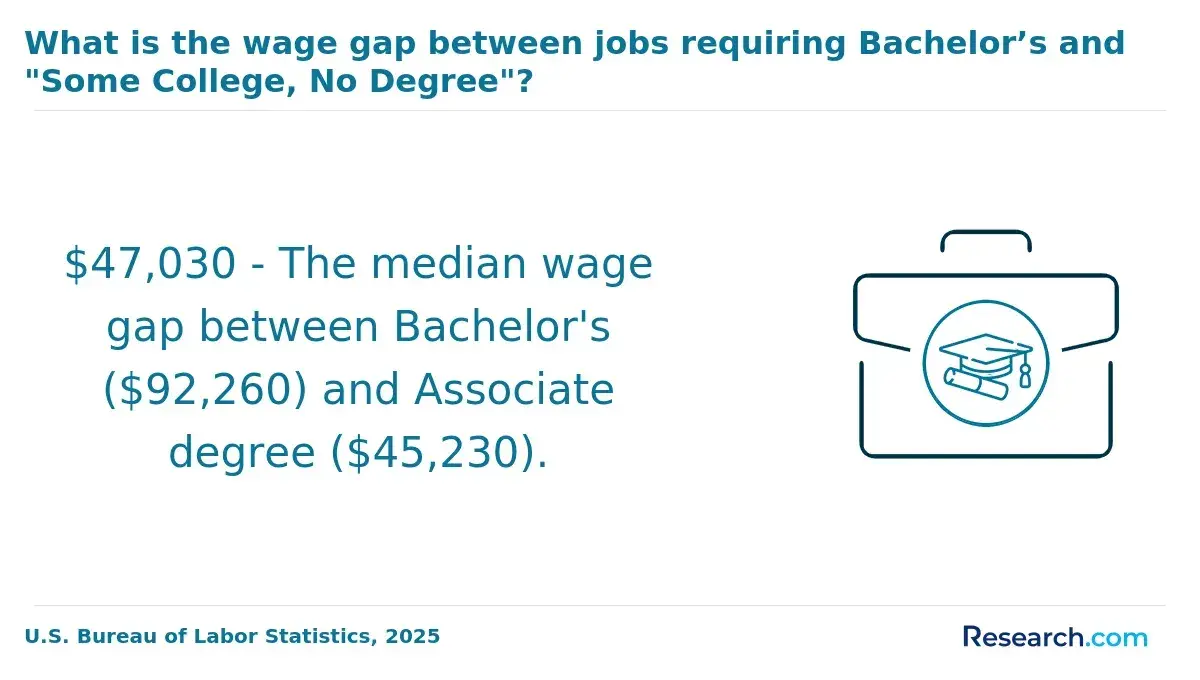
Salary trajectories in political science reveal a striking divide between entry-level and advanced roles, shaped by experience, location, and demonstrated impact. Entry-level political science salary ranges by career stage in the United States typically fall between $60,000 and $75,000, though states like Vermont report median wages near $59,500, illustrating how geographic factors constrain early earnings. These positions often suit those holding bachelor's or master's degrees without specialized skills or a strong record of results, such as research assistants or government aides.
Advancement beyond these entry roles requires acquiring concrete skills in data analytics, policy communication, or legal frameworks. Midcareer salaries, often between $80,000 and $110,000, reflect roles such as legislative advisors or senior analysts where proven competencies and strategic networking become essential. The wage gap here underscores real workforce implications tied to expertise and employer sector.
At the advanced level, political science job earnings by state and position may exceed $120,000, with some surpassing $150,000 in high-demand markets. These positions demand leadership, grant acquisition, and measurable policy influence, setting a high bar for career progression. Prospective professionals must weigh the cost-benefit of pursuing further education, including supplementing their credentials with skills from related fields-options like a data science masters online may improve competitiveness and salary outcomes in this nuanced landscape.
Ultimately, understanding this stratification clarifies the challenging tradeoff between early income limitations and long-term earnings growth within political science careers.
What education level in political science leads to the best salary outcomes?
Salary outcomes for political science degree levels and salary by state are heavily skewed toward graduate education. Entry-level candidates holding only a bachelor's degree face average salaries around $48,391 annually, with minimal wage growth beyond the 75th percentile capped near $52,000. This creates a practical barrier for those aiming to exceed typical governmental or academic pay scales without further credentials or substantial professional experience.
Advanced degrees, particularly a master's or doctoral degree, open doors to more specialized roles such as policy analysis or government relations, where salaries approach or surpass the 90th percentile near $65,500. Employers in public administration and think tanks prioritize candidates who demonstrate rigorous analytical skills and research capabilities that built graduate-level education offers. For example, a state policy advisor with a master's degree tends to earn between 15-25% more than peers with only undergraduate qualifications.
For working professionals considering a pivot, the challenge lies in balancing the costs and time of graduate study with immediate earnings and job market competitiveness. Accelerated master's programs can mitigate lost wages during study, while targeted internships or relevant experiences strengthen employability if a graduate degree is not pursued. These strategic decisions directly influence long-term salary potential and job stability in political science professions.
Beyond individual outcomes, understanding the best education credentials for political science salaries in each state remains crucial for aligning academic choices with regional market demands. Additionally, prospective students assessing related fields may find comparative insights by reviewing data on affordable options such as a library degree, which offers distinct career trajectories and salary patterns.
How do political science salaries differ between government, nonprofit, and private sector jobs?
Political science salaries differ sharply across sectors, shaping career decisions with clear tradeoffs. Federal, state, and local government roles offer median annual salaries around $134,640, according to 2023 BLS OEWS data, reflecting demands for regulatory expertise, policy analysis, and strategic advising. By contrast, political scientists in educational services earn significantly less-about $78,140 per USAWage-highlighting limited financial incentives despite academic or research-oriented positions.
Nonprofit roles fall between these extremes but typically offer lower wages and fewer benefits, as mission-driven work outweighs compensation. In these settings, political scientists often engage in advocacy, research, or program evaluation with constrained resources, requiring acceptance of financial tradeoffs for impact.
Private sector opportunities, such as consulting firms and lobbying groups, can rival government pay but are subject to variability tied to firm scale, client demand, and geographic factors. These jobs emphasize versatile skills in data analytics, communications, and market strategy, often linking pay to performance and competitive hiring.
Candidates must weigh sector-specific expectations and skill requirements:
- Government-focused roles reward legislative process knowledge and econometric competence.
- Private sector paths prioritize quantitative analysis and client management abilities.
The choice entails balancing salary stability against role responsibilities and workplace culture, with sector-specific expertise often determining long-term career trajectories and employability.
Which political science careers offer the strongest job growth and long-term demand?
Demand for political science professionals varies considerably by specialization, with policy analysts, legislative assistants, and political consultants showing the highest growth due to expanding government initiatives and political activity. Policy analysts must navigate complex regulatory environments, often within federal or state agencies, requiring strong legislative interpretation abilities and analytical precision. Legislative assistants encounter increasing workloads alongside intensified public scrutiny, emphasizing the need for adaptability and thorough understanding of legislative procedures.
Political consultants combine political insight with communication skills to influence electoral strategies and public outreach, but they must continuously adapt to evolving digital tools and data analytics platforms. Fields like public affairs and intelligence analysis offer promising opportunities, particularly for those with security clearances and advanced quantitative expertise, reflecting heightened priorities in cybersecurity and national security sectors.
Salary disparities within political science are stark: BLS OEWS data from May 2023 shows earnings range from $72,470 at the 10th percentile to $183,500 at the 90th percentile, driven largely by credential level, specialized skills, and sector.
Prospective candidates should weigh the benefits of graduate education or targeted certifications in data analysis, legal frameworks, and communication technologies. These credentials often serve as critical differentiators in competitive job markets, where technical proficiency and strategic stakeholder management directly impact employability and earning potential.
How do online political science degrees affect salary, hiring, and career advancement?
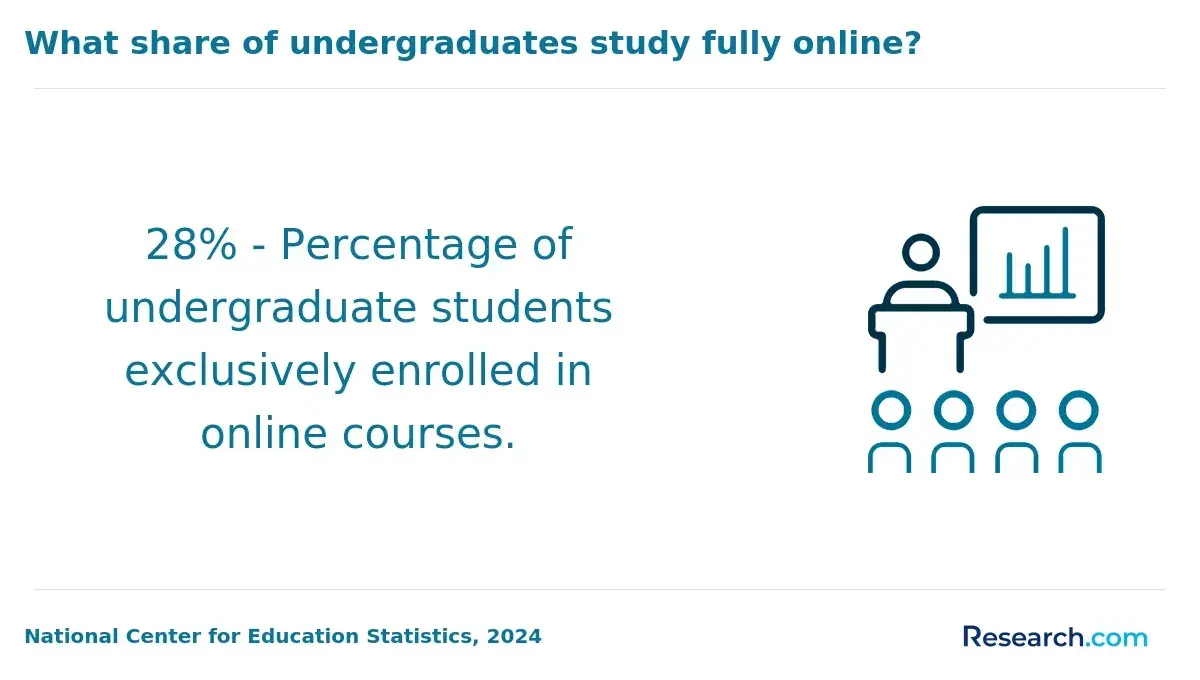
An online political science degree's impact on employment and salary depends significantly on employer preferences and job roles. While some federal agencies and leading think tanks favor traditional, in-person degrees for senior research roles, accredited online degrees are typically sufficient for entry-level government analyst and nonprofit policy positions. Salaries for online graduates in these roles can reach within 10-15% of those with on-campus degrees.
The geographic context is pivotal. In the District of Columbia, where the political scientist workforce is concentrated, networking and in-person internships remain critical hiring factors-advantages less accessible through online programs. Students relying on online degrees must proactively seek practical internships and real-world policy experiences to enhance career progression.
Flexibility is a strength of online political science programs, especially for mid-career professionals. However, employers scrutinize portfolios closely, prioritizing demonstrable applied skills over theoretical coursework. Candidates benefit from supplementing their studies with certifications, federal internships, or policy projects to align with employer expectations.
Advancement beyond initial roles depends more on proven policy impact and seniority than degree format. Traditional degrees from regionally accredited institutions still hold sway at higher-career levels due to established alumni networks and employer familiarity. Online political science degree holders must build robust professional connections to navigate these challenges effectively.
What does an accredited political science program typically include in its curriculum?
Political science programs that succeed in preparing students for employment balance rigorous theoretical foundations with practical skill-building, particularly in data analysis and policy evaluation. Government policy analyst roles, for instance, demand proficiency in econometrics and legal frameworks to accurately forecast outcomes-skills often emphasized through empirical research projects within accredited curricula. Graduates without this applied focus risk underqualification in an increasingly evidence-driven job market.
The U.S. Bureau of Labor Statistics forecasts a 3% decline in political scientist jobs over the next decade, with approximately 500 openings annually mainly from retirements and transfers. This contraction compels programs to integrate training in data analytics, public speaking, and negotiation to help students differentiate themselves amid scarce opportunities.
Key practical considerations for prospective students include:
- Seek programs offering internships or partnerships with government or research organizations for hands-on experience and networking.
- Prioritize curricula emphasizing quantitative research methods alongside comparative politics and public administration to align with career objectives.
- Recognize that strong theoretical knowledge alone often does not meet employer expectations for evidence-based policy analysis.
Deliberate selection of programs grounded in applied skills mitigates risks of underemployment and opens pathways for strategic career pivots or advancement in a competitive sector.
How can students compare political science programs and costs across different states?
Choosing a political science program demands assessing how regional salary disparities and local employment markets shape graduate outcomes. For example, a median salary of $145,950 for political scientists in Maryland contrasts sharply with Vermont's $59,500. This gap signals not just earning potential but affecting long-term return on investment and career trajectory in public policy or government roles.
Students should weigh three critical elements when comparing programs:
- Program rigor and research access: Accreditation and faculty expertise influence eligibility for competitive government or policy positions.
- Cost versus local living expenses: Higher salaries in certain states often coincide with greater tuition and living costs, muting net benefit.
- Job placement and networks: Connections within state agencies, think tanks, and political institutions drive practical employment opportunities post-graduation.
The choice between states involves tradeoffs. A candidate aiming for federal policy work might prioritize Maryland to leverage local networks linked to higher wages, while a regional political consultant could accept Vermont's lower cost structure despite reduced starting salaries. Effective decisions require integrating salary data with nuanced cost-benefit and labor market analyses, going beyond sticker prices to include program outcome surveys and real-world employer expectations.
Are there certifications or credentials that significantly increase political science earning potential?
Advanced degrees like a master's or PhD substantively raise salary potential within political science, particularly in academia, policy research, and government analysis roles where pay can exceed the 90th percentile at $91,601. Entry-level positions often fall short of the overall category median of $68,401, underscoring the value of specialized education for accessing higher-paying research or consulting jobs.
Certifications aligned with data analysis, public administration, or project management can supplement academic credentials and improve employability in the public and nonprofit sectors, where salary growth stagnates otherwise. Credentials such as Certified Government Financial Manager (CGFM) or Project Management Professional (PMP) often translate into starting salaries 10-20% above degree-only counterparts. These certifications anchor candidates to roles focused on measurable, outcome-driven workflows instead of broad theoretical proficiency.
For candidates targeting top-paying states like California, where average salaries reach $176,825, prioritizing credentials that demonstrate technical and managerial expertise relevant to government environments is critical. Without these specialized certifications, graduates risk salary compression in generalist positions. This creates a clear tradeoff: investing time in industry-recognized, outcome-oriented credentials leads to tangible salary enhancements, whereas less-recognized certificates offer limited return. Employers emphasize proven capabilities that extend beyond foundational knowledge in political science fields.
Other Things You Should Know About Political Science
For most leadership and research-focused roles in political science, a graduate degree is essential to surpass moderate salary ceilings. However, many entry to midlevel positions in policy analysis or governmental advisory roles allow for steady growth with just a bachelor's degree, especially if supplemented by internships or specialized experience. Prospective students should weigh the time and financial investment of graduate study against the long-term payoff in specific sectors; fields like academia or federal research mandate advanced degrees, whereas advocacy work and some private sector roles may prioritize demonstrated skills over credentials.
Higher salaries in major metropolitan or coastal states often correspond to substantially higher living costs, which can erode the real income advantage for political science graduates. Choosing employment in a mid-cost region with moderate salaries may result in better overall financial stability and growth potential. Graduates should prioritize regions with balanced salary-to-cost-of-living ratios and consider local demand for political science skills, rather than chasing headline salary figures alone.
Government roles tend to offer more stable incomes, comprehensive benefits, and clearer advancement pathways but often involve bureaucratic constraints and slower salary growth. Nonprofit positions may provide greater mission alignment and flexibility but usually come with lower pay and less predictable funding. Candidates should prioritize sector choice based on their tolerance for wage limitations versus job satisfaction and alignment with personal values, as these factors substantially impact career trajectory and long-term earnings.
State labor departments and workforce agencies publish the most useful occupation data, often through OES or OEWS tables. The U.S. Bureau of Labor Statistics also provides state-level wage estimates, which can be compared by job title, such as political scientist, policy analyst, or legislator.
References
- Comparing Public vs. Private Sector Compensation | JER HR https://jerhrgroup.com/public-vs-private-sector-compensation-comparison/
- Data on the Profession: 2023–2024 Faculty Employment, Salaries, and Resources - https://politicalsciencenow.com/data-on-the-profession-2023-2024-faculty-employment-salaries-and-resources/
- Top 12 Jobs After BA Political Science https://internshala.com/blog/best-jobs-after-ba-political-science/
- Political Science Degree Jobs: 12+ Career Paths (2026) | Extern https://www.extern.com/post/political-science-degree-jobs-career-guide
- What are the salary expectations for a political science gra... https://callhub.io/community/forums/general-discussions/what-are-the-salary-expectations-for-a-political-science-graduate/