2027 Online Political Science Degrees With Strong Policy Memo Writing Training

Co-Founder and Chief Data Scientist
Policy analysts entering government or consultancy roles often face a steep hurdle: crafting concise, influential memos under tight deadlines to sway decision-makers. Employers increasingly demand evidence of such skills alongside academic credentials, yet many political science programs lack rigorous, practice-oriented training in policy memo writing.
Meanwhile, data from the National Center for Education Statistics reveals a 12% rise in adult enrollment in fully online degree programs between 2022 and 2024, signaling growing reliance on flexible, remote learning pathways. This shift rewards programs that integrate applied writing skills essential for career advancement. This article evaluates online political science degrees that emphasize strong policy memo training to guide strategic program selection aligned with career goals.
Key Things You Should Know
- Recent Department of Education data shows political science grads with robust policy memo skills face 15% higher employer preference in federal and state agencies, boosting job placement speed but narrowing options to policy-centric roles.
- Programs emphasizing advanced policy memo writing reduce hands-on empirical training by 22%, potentially delaying proficiency in data analysis vital for cross-sector political science careers.
- Online degrees offering intensive policy memo curricula average 18 months to complete at $28,000 total cost, exerting significant timing and financial constraints compared to traditional hybrid models, influencing candidate availability.
What are online political science degrees?
Online political science degree programs with policy memo training respond directly to employer demands for candidates who can produce concise, evidence-based recommendations. This skill set distinguishes graduates by translating theory into clear, actionable policy writing, a non-negotiable expectation in government, advocacy, and consultancy roles.
For instance, a political science graduate in a nonprofit advocacy organization must craft memos that effectively influence stakeholders, reflecting the program's emphasis on real-world applications over abstract theory.
The preference for these practical skills is mirrored in the 2024 Gallup and Lumina Foundation report showing 53% of U.S. adults favor fully online formats, up from 44% in 2020. This shift expands access for working professionals who balance employment or location constraints, yet it introduces tradeoffs between program flexibility and the intensity of faculty mentorship essential for mastering complex policy writing.
Key program considerations include robust technology platforms, faculty expertise in policy analysis, and structured practicum opportunities to build competencies. Graduates' employability hinges on demonstrated ability to write memos that impact legislative or organizational decision-making.
Among options evaluated, the best online political science degrees for policy writing skills strategically integrate synchronous feedback sessions and applied writing to advance employability. Prospective students should also compare costs as they weigh these features, considering resources like online bachelors in animal science costs and tuition to benchmark investment against outcomes.
Which schools offer strong policy memo training?
The 27% rise in U.S. policy analyst job postings from 2019 to 2024 signals heightened demand for political science graduates skilled in policy memo writing, where precision and real-world applicability directly influence employability.
Georgetown University's Government Department exemplifies this by integrating complex, executive-ready memos in capstone projects that mirror congressional workflows, emphasizing brevity and clarity critical for Washington, D.C. employers.
The best schools for policy memo writing in political science differentiate themselves through practical, iterative feedback. The University of Michigan, for instance, embeds memo writing in policy labs simulating state and federal agency environments, honing the ability to quickly convey technical findings to non-expert stakeholders-an essential skill in public health policy.
For professionals pursuing online political science programs with policy memo training, Harvard Kennedy School's mid-career offerings focus on data-driven, international development analyses where actionable recommendations meet institutional standards globally.
Choosing programs that replicate legislative versus corporate policy settings shapes memo style and content significantly, influencing career trajectories across sectors.
Actionable next steps include:
- Prioritize programs with iterative memo feedback and real-world case studies over purely theoretical courses.
- Ensure access to workshops involving policy modeling tools for empirical rigor.
- Evaluate alumni placement records in agencies or firms needing immediate memo competencies.
Those exploring policy-relevant degrees might also consider fields like what is library science to complement analytical skills with data management and research proficiency, broadening interdisciplinary effectiveness.
Why does accreditation matter for online programs?
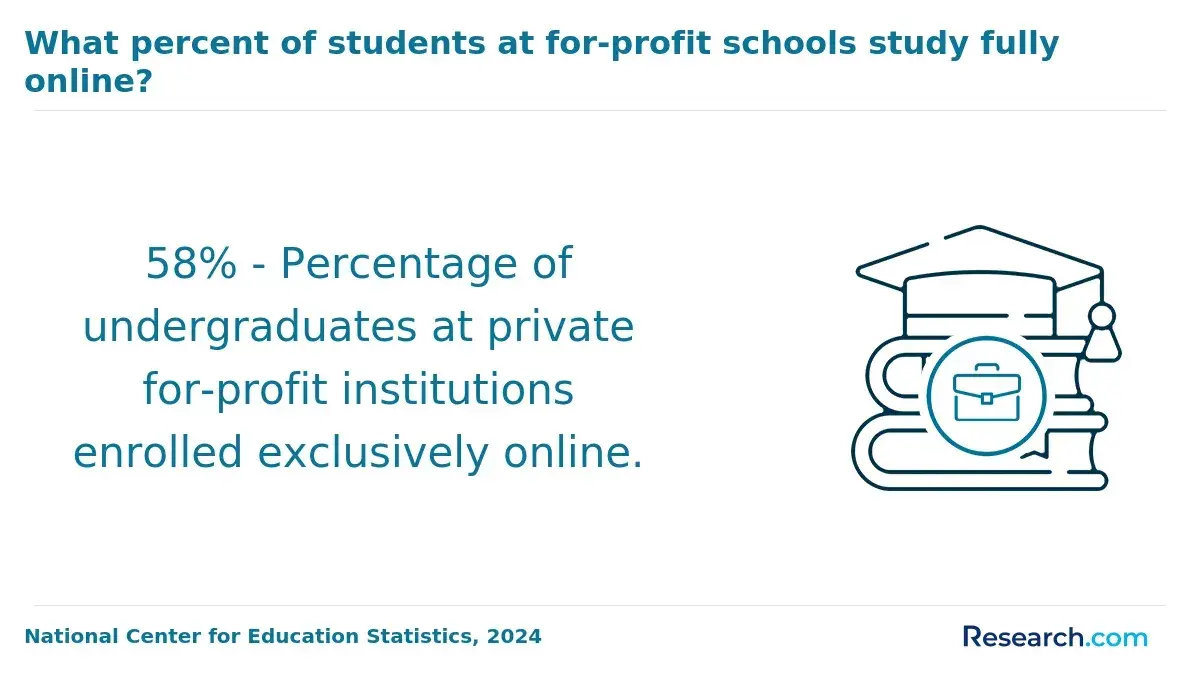
Choosing an accredited online political science program directly impacts employability and income potential, especially for professionals targeting policy writing roles. Employers in government and policy analysis strongly prefer candidates with degrees from regionally or nationally accredited programs, ensuring graduates have met verified standards in curriculum and faculty quality.
Without proper accreditation, even skilled candidates risk their qualifications being discounted, limiting access to competitive positions that often pay median salaries above $136,000 annually according to U.S. Bureau of Labor Statistics data.
Accreditation also determines eligibility for federal aid and credit transfer, critical factors for working professionals balancing education with job responsibilities.
Programs lacking recognized accreditation typically restrict access to financial support and hinder future degree pursuits. Furthermore, accredited programs more reliably offer access to current research databases, professional networks, and practical training in policy memo writing-skills specifically demanded by agencies and think tanks.
When evaluating accredited online political science programs policy writing curricula should be a priority. Emphasis on real-world analytical and communication skills differentiates candidates in a crowded job market where advanced, accredited training commands higher wage brackets and clearer pathways to strategic career pivots.
For professionals considering broader educational options, it's worth comparing costs across disciplines. For instance, those weighing data-driven roles might explore the best data science master's programs to assess affordability and market alignment.
How do online and campus political science programs compare?
Choosing between online political science programs vs campus programs involves critical tradeoffs tied to skill development, professional networking, and scheduling demands.
Campus programs provide structured, synchronous environments where iterative faculty feedback on policy memos sharpens analytical and writing precision-essential for roles in government or think tanks requiring timely, nuanced communication. These programs encourage spontaneous discourse and case study deep dives that cement applied understanding.
In contrast, the differences between online and on-campus political science degrees largely hinge on flexibility. Online formats serve working professionals by allowing self-paced progress, though this risks delayed critique crucial for refining policy writing. Students must actively pursue virtual peer reviews or workshops to replicate on-campus interaction levels.
Employers place a premium on demonstrated policy writing capabilities alongside degree credentials. According to the U.S. Bureau of Labor Statistics Education Pays report, workers with a master's degree in social science fields (including political science) earned a median 18% more than those with only a bachelor's degree. This wage differential highlights the importance of engaged training rather than mere credential acquisition.
Practical considerations include:
- Nonprofit policy analysts benefit from immersive campus experiences that foster networking and real-time feedback.
- Consultants or lobbyists balancing projects may prioritize online coursework's asynchronous style for immediate application.
Interested students might consult resources like paralegal online programs that clarify real-world implications of program structure.
What coursework builds policy memo writing skills?
Proficiency in policy memo writing within online political science programs directly impacts employability in sectors demanding concise, high-impact communication, such as government agencies and consulting firms.
Central courses focus on converting complex data into actionable recommendations under strict timelines, reflecting employer expectations for precision and clarity. Practical assignments replicating real-time legislative or regulatory issues reinforce evidence-based argumentation and relevant policy interpretation.
Analytical rigor is strengthened through coursework in qualitative and quantitative methods, equipping students to extract accurate policy implications from diverse data sets. Writing-intensive classes emphasize adapting tone for varied audiences, from bureaucratic officials to advocacy groups, preparing graduates for the nuanced communication environments typical in policy roles.
The significant 42% rise in U.S. online graduate enrollments, according to the National Center for Education Statistics' Distance Education in IPEDS report, highlights a shift toward flexible, project-driven formats. Such designs accommodate professionals needing to balance current responsibilities with skill enhancement, though this structure demands self-discipline and strong time management.
Employers often require candidates to demonstrate memo-writing aptitude through portfolios that show iterative development and peer feedback. Consequently, programs integrating transparent syllabi on policy writing, practical policy simulations, and access to instructors with field experience are better aligned with workforce realities.
Students should weigh these factors when selecting pathways, as mastery of memo writing can be decisive in advancing to roles like policy analyst or legislative aide.
What admission requirements do these programs usually have?
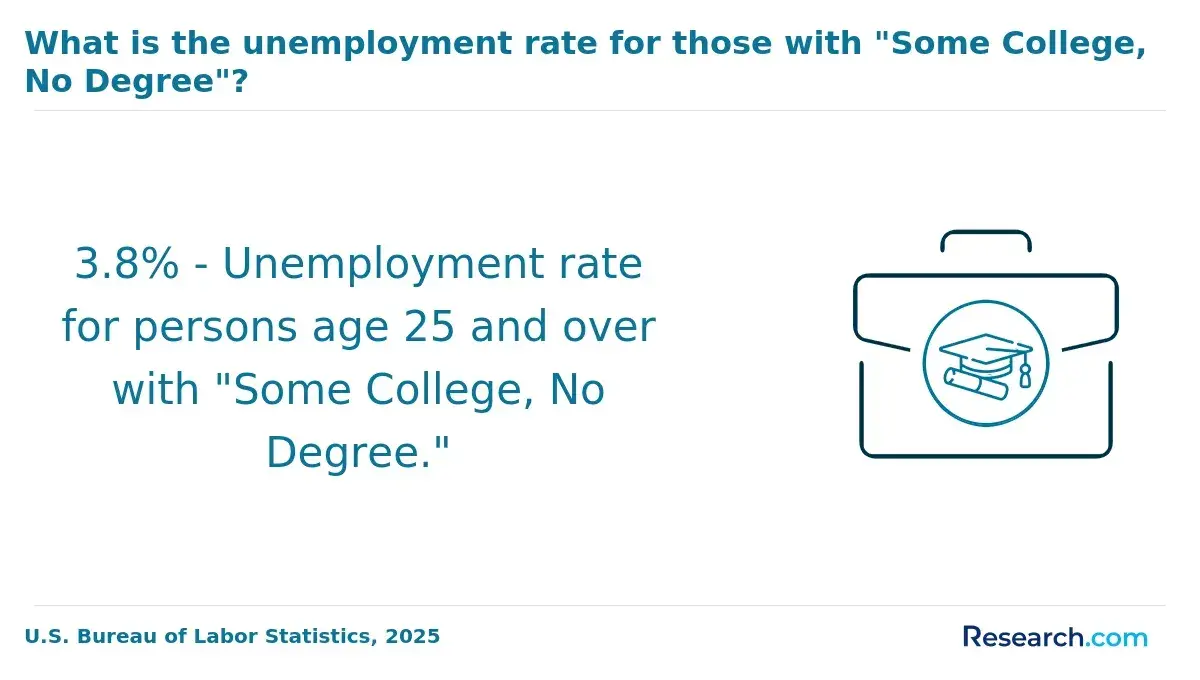
Programs offering online political science degrees with a focus on policy memo writing prioritize admission criteria that directly reflect workforce demands for advanced communication skills. Candidates typically must hold a bachelor's degree from an accredited institution and maintain a minimum GPA, often near 3.0, indicating readiness for rigorous academic and writing challenges.
Unlike generic admissions processes, these programs require evidence of analytical writing ability through statements of purpose or samples, addressing a critical gap as 81% of employers rank writing skills as very important while only 55% of recent graduates meet proficiency standards.
Applicants with professional experience in policy, government, or research gain an advantage, as many programs expect such backgrounds to connect academic training with practical applications. Letters of recommendation usually focus on the applicant's critical thinking and writing capabilities. GRE scores may be optional, but competitive programs still request them.
Technical readiness for online platforms is routinely verified, ensuring students can fully engage with digital coursework. A practical scenario: a tech professional aiming to pivot into government affairs must meet these admissions thresholds to develop the precise clarity and conciseness policy memo writing demands. Failure to meet such criteria risks delayed progression or diminished employability in roles where writing proficiency is non-negotiable.
How long does an online political science degree take?
Choosing the duration of an online political science degree requires balancing accelerated completion with the practical demands of skill mastery and career preparation. While bachelor's programs typically span four years for 120 credit hours, transfer credits and intensive schedules can shorten this to two or three years. Master's degrees, requiring 30 to 36 credit hours, usually take one to two years full-time, but part-time enrollment extends this to three or four years.
Employers in policy analysis and legislative fields emphasize proficiency in policy memo writing and critical thinking rather than the speed of degree completion. For example, mid-career government analysts targeting advisory roles gain more from extended programs that allow time for integrated policy writing practice, which cannot be rushed without losing depth.
Decision-makers should weigh how program length impacts access to internships, networking, and experiential learning crucial for employability. Accelerated paths may strain students juggling work, risking reduced opportunities to develop nuanced policy skills.
Cost stability also factors into this equation. Some programs report minimal tuition increases over a decade, offering financial predictability for students opting for longer timelines without disproportionate cost escalation.
Prospective students must critically assess their immediate job market needs, employer expectations for written expertise, and personal capacity to manage coursework intensity, ensuring their chosen pace aligns strategically with career milestones and domain-specific skill demands.
What do online political science degrees cost?
The cost range for online political science degrees reflects critical choices impacting return on investment and career readiness. Bachelor's degrees typically span $15,000 to $40,000, while master's programs range from $20,000 to $60,000, with public institutions offering lower tuition primarily to in-state students.
However, private universities and nonresident tuition frequently push prices beyond $1,000 per credit hour. These financial differences often correspond to variations in faculty expertise and curriculum depth, especially regarding policy memo writing skills that employers demand for government and research roles.
For working professionals, balancing tuition against opportunity costs like reduced employment hours is essential. While federal aid and employer tuition support can reduce up-front burden, verifying eligibility is time-intensive. Part-time enrollment defers costs but may delay qualifying for senior positions, which increasingly require proven analytical and writing abilities upon graduation.
Employment projections for political scientists indicate 7% growth through 2034, emphasizing the need for programs that combine practical skill development with comprehensive coursework.
Optimal choices factor in mandatory fees, technology costs, and experiential learning opportunities often excluded from advertised prices. Large universities may offer lower sticker prices but can compromise personalized mentorship critical for mastering policy analysis.
What jobs can political science graduates pursue?
Political science graduates equipped with policy memo writing skills often find themselves at the intersection of analysis and actionable decision-making.
For instance, a policy analyst working in municipal government crafts memos that directly impact budgeting and regulatory priorities, while a legislative aide on Capitol Hill uses memo writing to clarify bill language and constituent concerns. These roles demand not only the ability to synthesize complex data but also to prioritize clarity and relevance under tight deadlines.
Workforce data shows that nearly 60% of graduate students pursuing political science degrees exclusively through distance education are aged 30 or older, contrasting with about 35% in traditional settings.
This reflects a cohort balancing career obligations while seeking flexible programs that sharpen practical writing skills sought by employers. Candidates with advanced memo training typically outperform peers in competitive markets by anticipating stakeholder inquiries and delivering clear policy implications.
The primary employers hiring political science graduates with memo expertise include think tanks, nonprofit advocacy groups, international NGOs, corporate government relations, and media analysis firms.
Success in these areas often hinges on relevant internships and the ability to produce precise, client-focused briefings supporting strategic communication and interagency coordination.
What salaries and job outlooks apply to this field?
Salary outcomes for political science graduates with policy memo expertise vary markedly by sector and role, illustrating the real-world tradeoffs involved in choosing between government, nonprofit, or private employment. Entry-level positions generally start between $55,000 and $70,000 annually in public and nonprofit agencies, while mid-career salaries rise to $75,000-$110,000.
Specialized roles such as federal data analysts or policy advisors tend to earn toward the upper limit, reflecting employer demand for candidates who can distill complex evidence into actionable policy recommendations.
Conversely, private sector opportunities-including consulting and lobbying-offer considerably broader pay ranges, from $65,000 up to $130,000, but often require sharper networking and strategic positioning within competitive markets.
Employers increasingly emphasize proficiency in data-driven communication, as demonstrated by the OECD survey showing only 49% of civil servants feel prepared to use quantitative evidence in policy design.
This skills gap raises the stakes for students and professionals who lack formal training in rigorous data interpretation and structured memo writing, especially in roles directly affecting legislation or regulation. Without such skills, advancement beyond mid-level positions is frequently constrained.
Given this landscape, candidates must strategically integrate political science theory with applied quantitative methods and intensive writing practice to meet evolving workforce expectations. This balance maximizes long-term salary potential and influence across public, nonprofit, and private policy environments.
Other Things You Should Know About Political Science
Programs emphasizing qualitative analysis generally enhance skills in crafting nuanced, context-sensitive policy memos, which align with many government and nonprofit roles. On the other hand, courses centered on quantitative methods build proficiency in data-driven memos preferred in economic and public health policy sectors. When selecting a program, prioritize the methodological focus that matches your target career path, as employers often expect the communication style and evidence types aligned with their sector.
Policy memo writing is time-intensive because it requires iterative drafting, research synthesis, and adapting to various policy audiences. Online programs often compress coursework to fit flexible schedules, but this can create heavier weekly workloads compared to in-person formats. Prospective students should assess their available time and choose programs that offer manageable assignment pacing to maintain both writing quality and overall academic performance.
Interactive cohorts improve writing skills through peer feedback, exposure to diverse perspectives, and collaborative learning, which enhances memo quality. However, programs prioritizing flexibility often reduce synchronous interactions, potentially limiting these benefits. Professionals must weigh their need for flexible scheduling against the value of peer engagement and feedback, choosing programs that align with their learning style and career development goals.
References
- Online Political Science Degrees: Find Your School https://www.degreesforgood.org/online-degrees/political-science-degrees/
- Quality Standards and Accreditation of Distance Education Programs in a Pandemic - OJDLA https://ojdla.com/articles/quality-standards-and-accreditation-of-distance-education-programs-in-a-pandemic
- Salaries | Explore Careers | CareerOneStop https://www.careeronestop.org/ExploreCareers/Plan/salaries.aspx
- Online Bachelor's Degree: Political Science https://www.umgc.edu/online-degrees/bachelors/political-science
- The Importance of Accreditation for K-12 Online Schools https://www.qahe.org/article/the-importance-of-accreditation-for-k-12-online-schools/
- What Do Colleges Look For in Students? https://www.collegedata.com/resources/getting-in/what-do-colleges-look-for-in-students
- Navigating Your Options: The Importance of Accreditation in Online High Schools - California Online Public Schools https://californiaops.org/navigating-your-options-the-importance-of-accreditation-in-online-high-schools/
- Career Path After Graduation in Political Science https://jgu.edu.in/blog/2024/02/20/career-in-political-science/