2027 Online Political Science Degrees With Strong Global Affairs Training

Co-Founder and Chief Data Scientist
Experienced professionals targeting global affairs roles face a difficult balancing act: earning a relevant political science degree without sacrificing current job commitments. With over 60% of U. S. higher education enrollments now comprising adult learners seeking flexible options, according to the National Student Clearinghouse Research Center, online programs have reshaped access but vary widely in how effectively they integrate global affairs training.
This disparity complicates efforts to gain skills that meet geopolitical employers' evolving demands for real-world analytical and diplomatic expertise. Understanding which online degrees provide rigorous, career-aligned global affairs curricula is essential for making informed choices that maximize career mobility and timing.
This article evaluates leading online political science degrees emphasizing strong global affairs instruction to help prospective students identify programs that balance flexibility with substantive, workforce-relevant training.
Key Things You Should Know
- Curriculum depth versus program length creates a tradeoff: accelerated 12-month online political science degrees yield less practical global affairs immersion, limiting readiness for complex diplomatic roles, per 2024 Brookings workforce analyses.
- Employers in federal agencies prefer graduates demonstrating dual expertise in regional geopolitics and international law, highlighting a critical gap in many online programs lacking robust applied internships, per 2024 GAO hiring reports.
- Tuition variance-with median online political science degree costs ranging $18,000-$40,000-impacts time to ROI, especially as CIPD data shows a 7% wage uplift for global affairs specialization is only realized after 3+ years in role.
What is an online political science degree with a global affairs focus and who is it best for?
Choosing an online political science degree with a global affairs specialization requires assessing whether the program equips students with analytical tools suited to practical geopolitical environments. Employers prioritize skills in cross-cultural communication, data-driven policy evaluation, and regional expertise, which hinge on curricula that integrate advanced analytics and current developments in international relations.
Between 2019 and 2023, fully online political science and international relations programs grew by over 40%, reaching 99 options nationwide by 2025, reflecting demand but also varying quality levels across providers.
Key program considerations include:
- Balance between theory and applicable case studies reflecting today's trade agreements and security alliances.
- Access to internships or policy simulation exercises critical for federal or NGO career pathways.
- Flexibility to accommodate working professionals who must independently manage engagement without on-campus support.
For example, a mid-career analyst at a multinational firm responsible for compliance amid shifting sanctions will benefit more from a program emphasizing legislative processes and up-to-date geopolitical analysis than from a purely theoretical curriculum.
On the other hand, recent graduates pursuing U.S. foreign service roles require robust internship opportunities and employer recognition.
Prospective students seeking the best online political science programs with an international relations focus should scrutinize faculty expertise and practical outcomes.
Understanding the trade-offs between program cost, duration, and employer credibility is essential when pursuing this specialized path. For broader context on degree options in different fields, explore online degrees in computer science.
How do online political science programs compare to on-campus options for global affairs training?
Online political science programs vs on-campus for global affairs reflect a balance between flexibility and experiential depth. While on-campus studies afford direct interaction with diplomats, live simulations, and collaborative research that sharpen geopolitical insight, online formats replace these with virtual internships, synchronous policy labs, and digital case studies designed for remote professionals.
This distinction critically shapes employability, since employer expectations in global affairs emphasize demonstrated analytical skills and practical experience acquired through immersive environments.
The labor market projects a 7% growth for political scientists, outpacing many fields. Candidates pursuing an online political science degree should prioritize programs embedding robust professional pathways-such as partnerships with international organizations-that help offset limitations in face-to-face networking.
For example, a Washington, D.C.-based professional aiming for foreign service can benefit more from online access to embassy casework and live policy analysis than from asynchronous coursework alone.
Decision-makers must weigh these tradeoffs: remote analytical roles align well with online political science programs' flexibility, whereas diplomacy or senior policy positions depend heavily on the on-campus environment for relationship-building. Employer demands necessitate strategic incorporation of project-based assessments and live discussions in online curricula to remain competitive.
For those considering alternate degree paths, programs like an accelerated exercise science degree online may offer different structured timelines and practical engagements.
Which accreditation and institutional qualities matter most for online political science degrees?
Choosing online political science degrees with regional accreditation ensures recognition by employers and graduate programs, avoiding degrees that lack legitimacy or current relevance. Regional accreditation from bodies like the Higher Learning Commission guarantees adherence to strict academic and administrative standards, essential for programs claiming robust global affairs training.
Programmatic accreditation is rarer but adds value by verifying curriculum relevance in international relations.
Top institutional qualities for global affairs training in political science programs include faculty actively engaged in current policy research and practical partnerships with international organizations. These elements enhance real-world applicability, a necessity for roles in federal agencies or NGOs where analytical rigor and familiarity with global systems are demanded.
Without these, graduates face longer job searches or lower starting salaries, despite the field's strong median earnings-$77,000 annually for international relations bachelor's holders, according to recent PayScale data from New England College.
Students should prioritize programs that couple regional accreditation with relevant faculty expertise and verified curriculum focus. Alumni networks tied to governmental and non-governmental sectors further improve employment prospects. Investing time in this evaluation offsets risks common in broad or unaccredited offerings, which often lack the depth needed for meaningful career movement.
Balancing cost considerations alongside accreditation and curriculum quality is crucial. Candidates interested in adjunct pathways might also explore options for a data science degree online, as data analytics increasingly intersects with political science in policy and research roles.
What core courses and specializations emphasize international relations and global affairs online?
Online political science degrees featuring international relations course concentrations demand attention to curriculum sequencing and specialization depth, as these factors directly impact employability and career trajectory. Targeted courses like Comparative Politics, International Security, and Foreign Policy Analysis offer crucial analytical tools essential for confronting geopolitical risk and navigating the complex power dynamics in organizations such as the United Nations.
Global affairs specializations in political science programs frequently include simulation-based training and case studies on treaties, sharpening practical skills beyond theory. This applied focus benefits students planning careers in foreign service, NGOs, or multinational corporations, where comprehension of conflict resolution and international law informs real-world negotiation and policy advising.
Tradeoffs emerge between program cost, credit transferability, and curriculum focus. For example, Northwest Missouri State University's B.S. in Political Science - Global Affairs costs approximately $41,640 total with no out-of-state fees, providing accessible training without sacrificing specialization. Employers often prioritize candidates who complement coursework with internships or capstone projects reflecting practical global engagement.
Prospective students should weigh program demands alongside outcome-oriented courses targeting geopolitical analysis proficiency, as these directly influence salary growth and role advancement in international policy fields. For those exploring related professional pathways, the master's in library science online program offers an alternative strategic avenue in public sector and research contexts.
What are typical admission requirements for online political science and global affairs programs?
Admissions for online political science and global affairs programs reflect a pragmatic balance between academic benchmarks and professional relevance. Undergraduate applicants typically need a high school diploma with a GPA around 2.5 to 3.0, while master's candidates should hold a relevant bachelor's degree averaging a 3.0 GPA or demonstrate substantive professional experience to offset slightly weaker academic records.
A statement of purpose focusing on concrete career goals in international relations or policy analysis is commonly required, prioritizing applied understanding over abstract theory.
Standardized tests like the SAT or GRE have become largely optional in 2026 online programs, reducing barriers yet shifting emphasis to holistic evaluation. International students still face mandatory English proficiency verification through TOEFL or IELTS.
Those entering specialized global affairs tracks must often prove language skills, prior exposure to global issues, and relevant internships or work experience tied to diplomacy or NGOs. Employers increasingly seek candidates with both intercultural fluency and tactical expertise, underlining the importance of field-specific practical competencies.
Online program growth-99 U.S. international relations offerings make transfer policies and tech readiness vital considerations. Reliable hardware, internet access, and LMS proficiency are no longer optional.
Professionals pivoting careers benefit most from programs with clear articulation agreements and flexible scheduling, enabling leverage of alumni networks and mitigating common online learning pitfalls in competitive policy fields.
How long do online political science degrees take and what schedules fit working adults?
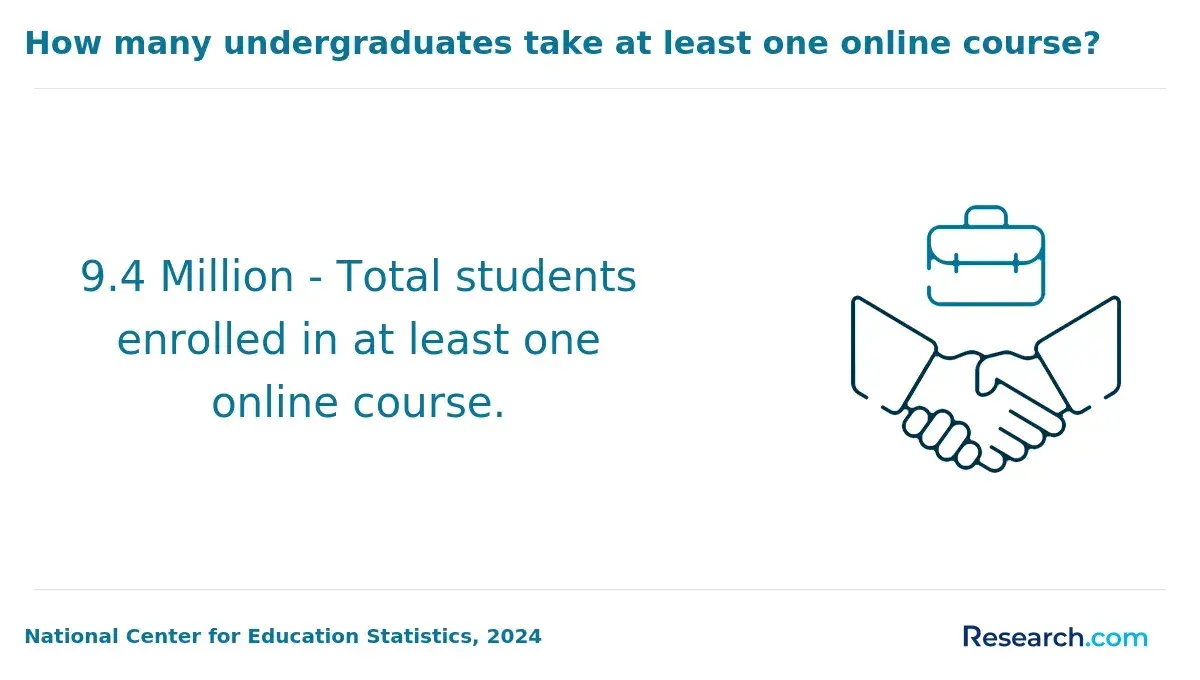
Online political science degrees require navigating a critical balance between program intensity and real-world obligations. Full-time students typically complete degrees in 18 to 24 months by taking 15 or more credit hours per term, a schedule viable mainly for those with flexible jobs or career breaks.
Part-time enrollment, often 6 to 9 credit hours per semester, extends completion to around three years but reduces weekly academic pressure, suiting professionals managing full-time employment or caregiving responsibilities.
Structured course delivery in 6- to 8-week modules offers focused learning blocks and efficient pacing, but programs with synchronous sessions can pose challenges for those with irregular work hours or across time zones. Employers evaluating candidates from such programs recognize the discipline required to balance rigorous coursework with career demands, particularly in fields like policy analysis, government, and international affairs.
Growing availability is evidenced by over 31 fully online master's political science degrees worldwide, up from low 20s in recent years, demonstrating expanding options with flexible scheduling. When assessing programs, prioritizing transparent, predictable module timing and credit loads aligned with individual constraints reduces attrition risk and supports timely graduation.
Choosing appropriately structured scheduling directly impacts not just degree completion but also sustained employer engagement and realistic workload management in a highly competitive labor market.
How much do online political science programs cost and what financial aid is available?
The cost range for online political science degrees from around $300 to $1,200 per credit hour reveals significant disparities tied to institutional type, program format, and student residency. Public universities, particularly for in-state students, tend to offer more affordable tuition, often keeping total degree costs under $25,000.
In contrast, private or highly ranked institutions can exceed $40,000, requiring candidates to weigh whether premium pricing aligns with their career objectives and employer recognition.
Financial aid often falls short of covering comprehensive expenses, particularly for part-time or graduate students. Federal loans and Pell Grants may support undergraduates, but working professionals frequently rely on employer tuition reimbursement programs, whose availability is uneven across sectors. Specialized fellowships targeting international relations or global affairs present competitive yet worthwhile funding avenues for those aiming at federal or multinational roles.
Alternative pathways like Coursera's stackable credentials, priced mostly under $2,000, provide flexible skill-building options but risk being devalued compared to full degrees in traditional hiring contexts. These modular offerings suit learners needing rapid, targeted competencies but may complicate credentials' clarity with recruiters.
- Technology fees, course materials, and travel for in-person residencies inflate total program costs beyond tuition.
- Balancing studies with full-time employment often involves tradeoffs in lost wages or increased stress.
- Analyzing total aid eligibility across federal, employer, and private sources is essential to avoid unexpected debt burdens.
What careers in diplomacy, policy, and global advocacy can this degree support?
The intersection of political science and global affairs demands more than theoretical knowledge; it requires demonstrable skills in negotiation, policy analysis, and cross-cultural communication to navigate complex international environments effectively. Careers in diplomacy, public policy, or international advocacy increasingly prioritize professionals capable of integrating geopolitical insight with data-driven approaches to policy evaluation.
For instance, a policy analyst in a government foreign affairs bureau not only interprets policy frameworks but also leverages analytic software to anticipate risks and outcomes. Successful candidates must adapt swiftly to evolving global issues, balancing diverse stakeholder interests-such as managing multinational campaigns aimed at climate policy reform, which requires understanding treaty mechanisms and governance.
This multidisciplinarity often involves fluency across international law, economics, and regional studies, underscoring the challenge of choosing between broad political science foundations and specialized global affairs expertise. Programs like George Mason University's Global Affairs online degree-completion offer pathways tailored to transfer and mid-career students, emphasizing flexibility and accelerated degree completion.
Employers favor candidates who demonstrate applied competencies over purely theoretical study, reflecting a workforce that values immediate operational impact. Students must weigh the tradeoff between practical skills and academic breadth to align educational choices with roles demanding effective international systems navigation and policy implementation.
What salary ranges and job outlook can graduates in political science and global affairs expect?
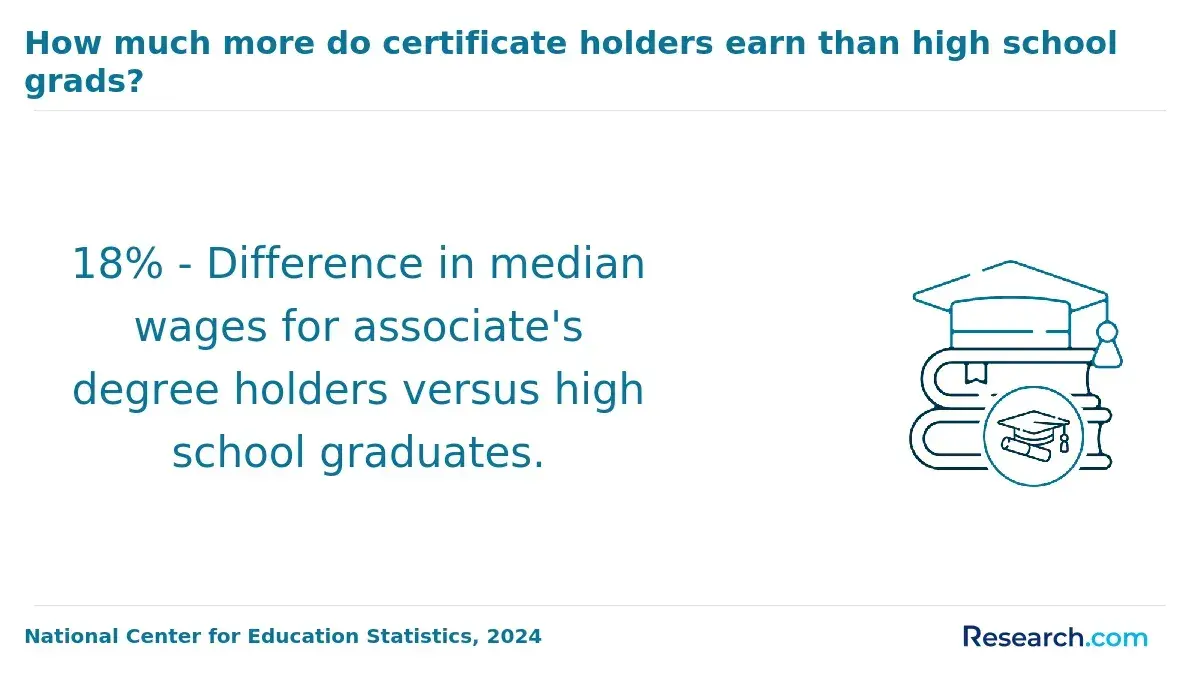
Graduates in political science and global affairs command salaries 40-50% higher than high school graduates, exceeding median bachelor's degree earnings by 10-15%. This reflects employer demand for candidates with strong analytical, communication, and policy skills valued in government, nonprofits, and private sectors. However, salary and opportunity vary significantly by subsector and geography.
For example, government roles like policy analysts often require security clearances or deep regional expertise, which can delay hiring despite steady demand. On the other hand, international nonprofit or consulting roles tend to fluctuate more but offer higher earning potential in metropolitan areas, especially for multilingual graduates.
Early-career salaries typically fall between $50,000 and $70,000, rising to $90,000-$120,000 mid-career for federal or global firm employees. Senior positions in diplomacy or global institutions can exceed $150,000 but demand extensive experience and networks.
Key factors impacting career trajectory include:
- Internships and practical experience that demonstrate real-world policy impact
- Advanced certifications or graduate-level study to stand out in competitive fields
- Foreign language proficiency and cross-cultural negotiation skills valued by many employers
- Sector mobility and credential layering to avoid stagnant earnings or lateral moves
Prospective students must balance earning potential against the time and credential requirements, weighing how geographic and sector-specific factors affect long-term returns.
How can applicants evaluate and choose the best-fit online global affairs program?
Cost disparities in online global affairs programs can significantly affect the return on investment for students targeting diplomacy, international NGOs, or federal roles. For example, Penn State World Campus charges between $638-$685 per credit, resulting in an estimated total cost near $78,000-$84,000 for its online B.A. in International Politics.
On the other hand, regional public universities such as Northwest Missouri State offer comparable programs under $350 per credit. This differential demands a careful assessment of whether the higher tuition corresponds to advantages like specialized internships, stronger networks, or faculty expertise valued by employers in these fields.
Beyond price, curriculum alignment with employment competencies is critical. Candidates aiming for federal careers should verify if programs embed required skill sets and clearance preparation. Local employment outcomes also matter; effectiveness is better gauged by graduate placement in significant global affairs hubs such as Washington D.C. or New York, not just generic statistics.
Flexibility stands as a practical consideration for working professionals balancing education with current roles. Programs offering asynchronous formats and predictable scheduling help manage this tension. Additionally, transfer credit policies and total completion time influence financial and opportunity costs, which may outweigh employer prestige in some cases.
Prospective students must weigh practical tradeoffs involving cost efficiency, program rigor, and market credibility rather than relying on brand perception alone. Using data from authoritative sources like government labor statistics or major research bodies can anchor these decisions in measurable outcomes rather than promotional narratives.
Other Things You Should Know About Political Science
Recognition depends on program reputation, accreditation, and curriculum relevance. Employers in international sectors prioritize candidates who demonstrate applied skills in research, policy analysis, and cross-cultural communication rather than just online credential status.
Graduates from programs that integrate practical case studies or internships related to global affairs have a clear edge. Choosing programs that facilitate networking with global organizations also improves employment prospects beyond degree format concerns.
Online political science degrees with global affairs content require managing rigorous readings, policy writing, and critical analysis, often at an accelerated pace to accommodate working adults. The asynchronous format demands strong time management since engagement with current events and international news is ongoing.
Students should prioritize programs offering structured deadlines and faculty support to avoid isolation and maintain steady progress. Underestimating the workload can delay graduation and reduce knowledge retention essential for career application.
Yes, if the program offers multidisciplinary coursework and transferable analytical skills. Careers in international business, NGOs, and intelligence analysis value political science graduates who understand global systems and policy environments.
However, not all programs tailor content for non-diplomatic tracks, so select ones that include global economics, data analysis, or regional studies. For career pivots, program alignment with targeted industries and opportunities for practical experience should guide decision-making to maximize return on investment.
References
- Step-by-Step Guide: How to Become a Diplomat https://youngandhired.org/tpost/nfyp1d0u11-step-by-step-guide-how-to-become-a-diplo
- What opportunities are there after studying political science? https://www.esce.fr/en/faq-all-the-answers-to-your-questions/what-opportunities-are-there-after-studying-political-science/
- Are Online Degrees Accredited? How to Identify Quality Distance Learning Programs https://www.umassglobal.edu/blog-news/online-degrees-accredited-identify-quality-distance-learning-programs
- Political Science, M.A. https://www.brooklyn.edu/academics/programs/political-science-ma/
- Choosing the Best Fit: Strategies for Selecting Between Candidates — Rev Recruitment LLC https://www.revrecruitment.com/blog/choosing-the-best-fit-strategies-for-selecting-between-candidates
- Choosing Between Political Studies Majors: Diploma vs. Degree | MaKami College https://makamicollege.com/news/choosing-political-studies-diploma-vs-degree/
- Whole Leaders For The Whole World https://oru.edu/academics/online/undergraduate/ba-in-political-science.php
- Master’s in International Relations (2026 Guide) https://admit-lab.com/masters-in-international-relations/