2027 Online Political Science Degrees With Public Affairs Career Alignment

Co-Founder and Chief Data Scientist
Political science graduates aiming for public affairs roles face a critical bottleneck: aligning academic credentials with increasingly specific employer demands while balancing full-time work or geographic constraints. As reported by the National Center for Education Statistics, over 40% of graduate students now prefer online formats, reflecting a rising need for flexible, accessible programs that still deliver relevant expertise.
This shift challenges candidates to discern legitimate online degrees that offer direct pathways into government, advocacy, or policy analysis careers, rather than generic academic training. This article evaluates online political science degrees with explicit public affairs career alignment to guide informed choices that optimize employability and growth potential.
Key Things You Should Know
- Online political science degrees in 2026 average 32 months to completion versus 24 for in-person, inflating opportunity cost by 25%, impacting mid-career students balancing employment and upskilling demands.
- Data from the Bureau of Labor Statistics shows 18% of public affairs roles now prioritize candidates with hybrid policy analysis skills, pressuring curricula toward cross-sector competencies over classical political theory.
- Employers rate graduates' applied data literacy 40% higher than theoretical knowledge, reshaping hiring toward programs integrating quantitative methods, but reducing emphasis on traditional policy research tradeoffs.
What is an online political science degree with a public affairs focus?
An online political science degree with public affairs specialization delivers targeted expertise in government policy, administrative strategies, and community engagement through an adaptable digital format. This approach suits those balancing employment while seeking advanced understanding of public sector challenges without pausing their careers.
The practical demands of public affairs require more than academic knowledge. Graduates must navigate complexities such as data-driven policy evaluation, regulatory frameworks, and stakeholder communication. For example, a mid-career professional aiming to shift into policy advisory roles benefits from blending curricular insights with relevant work experience, which is often acquired through internships or local government projects.
Employers typically expect candidates to demonstrate both analytical skills and applied experience, making it essential for students enrolled in online political science programs focused on public affairs careers to intentionally pursue hands-on learning opportunities alongside coursework.
Financially, fields linked to public affairs show a measurable advantage. According to the U.S. Bureau of Labor Statistics (2024), individuals with related degrees see roughly an 8% earnings premium over the general bachelor's degree population, validating the investment for many prospective students.
That said, the self-directed nature of an online political science degree with public affairs specialization requires high discipline and limits in-person networking, which can affect career-building. Strategic planning around experiential learning components is therefore crucial for successful outcomes.
For those considering roles at the intersection of policy and community service, exploring careers in forensics may also provide complementary pathways with distinct operational demands and opportunities.
How do online political science degrees compare to campus programs for public affairs careers?
The choice between an online political science degree benefits versus traditional campus programs hinges on access to critical networking and experiential learning opportunities that influence hiring in public affairs. Campus programs inherently offer structured internships, face-to-face mentorship, and connections with political organizations, which remain decisive in a field where professional relationships drive career advancement.
Conversely, online students must proactively secure internships and engage with local government or NGOs independently, increasing the burden of self-directed experiential learning alongside coursework.
Employment for political scientists is expected to decline by 3% between 2024 and 2034, intensifying competition for roughly 500 annual openings-and amplifying the value of practical experience over credentials alone. Public affairs employers prioritize demonstrated policy impact, often accessible through fieldwork embedded within campus programs. Online learners often need to supplement their degree with hands-on experience outside of the virtual classroom to remain competitive.
For working professionals or career changers, the flexibility of online education is significant but demands strict discipline and strategic external networking to overcome the stigma sometimes associated with less visible programs. Decision factors include:
- Readiness to pursue internships independently versus structured campus placements
- Ability to build relationships outside formal academic settings
- Capacity to manage self-directed experiential learning alongside coursework
- The necessity to overcome stigma associated with less visible online programs in highly networked public affairs sectors
For prospective students assessing political science education modalities, comparing online vs on-campus political science education for public affairs careers requires weighing these operational tradeoffs rather than relying purely on program reputation. To understand related flexible learning options, see best online library science programs as a proxy for navigating accredited online degree value in network-driven industries.
Which accreditations should online political science programs have to support public affairs jobs?
Accreditation profoundly influences the practical value of online political science programs for public affairs careers, directly affecting credit transferability, financial aid access, and employer credibility. Regional accreditation recognized by the U.S. Department of Education or the Council for Higher Education Accreditation (CHEA) forms the baseline, ensuring foundational academic standards.
However, graduates targeting policy analysis or public management roles benefit from specialized accreditation like that from the Network of Schools of Public Policy, Affairs, and Administration (NASPAA), which signals deeper alignment with public service expectations.
Working professionals pursuing accredited online political science degrees aligned with public service jobs should weigh how accreditation intersects with their career intentions. For instance, a nonprofit advocate shifting to a city government policy analyst position gains significant advantage from a NASPAA-accredited program, which frames relevant competencies employers seek.
In contrast, programs lacking specialized endorsements might suffice for roles such as legislative assistants but tend to restrict advancement where policy credentials are rigorously evaluated.
According to the U.S. Bureau of Labor Statistics, the median annual wage for political scientists reached $139,380 in May 2024, emphasizing that tuition investments must be balanced against measurable career outcomes and long-term employability. Candidates must verify accreditation status through official directories and understand employer preferences within their sector.
Prospective students should also consider flexible, cost-effective options-for example, exploring the online MLIS listings for insights on affordable accredited degrees that demonstrate how financial considerations align with accreditation and career goals.
What concentrations and coursework in political science best align with public affairs roles?
Effective public affairs career paths in political science concentrations hinge on selecting coursework with direct applicability to government and nonprofit functions. Positions such as policy analysts demand a blend of quantitative methods and deep familiarity with administrative law, enabling accurate program assessments and navigation of legislative frameworks. Without these, graduates risk underperformance in roles requiring data-driven decision-making and legal interpretation.
Tracks emphasizing public administration and intergovernmental relations align closely with employer expectations for budget oversight, stakeholder coordination, and ethical practices. This practical orientation contrasts with international relations or political theory focuses, which often lack immediate relevance to daily public affairs tasks and can dilute market readiness for specialized roles.
The expanding availability of online political science degrees provides valuable access but introduces complexity for applicants weighing program rigor versus graduate volume, as evidenced by institutions like the University of Central Florida producing 378 online political science graduates recently.
Prospective students evaluating key coursework for political science degrees aligned with public affairs should assess how well programs incorporate applied policy, fiscal management, and ethics within their curricula.
For individuals seeking complementary skill sets or related certifications, exploring online paralegal certificate programs can offer an ancillary advantage in understanding legal contexts frequently encountered in public sector environments.
What are the typical admission requirements for online political science bachelor's and master's programs?
Admission into online political science bachelor's programs typically requires a high school diploma or equivalent, with a GPA threshold around 2.5 and submission of official transcripts.
While SAT or ACT scores may be requested, many programs waive these if the applicant presents prior college credits or relevant work experience. A personal statement detailing academic goals and interest in public affairs is standard, and although letters of recommendation are seldom mandatory, they can enhance competitiveness.
Master's level entry demands completion of a bachelor's degree from an accredited institution, usually with a minimum GPA near 3.0. Candidates submit undergraduate transcripts and a statement of purpose emphasizing research interests tied to governance or policy work.
Letters of recommendation from academic or professional contacts who can attest to critical thinking and communication skills are common. GRE scores are often optional or waived, with programs favoring demonstrated academic performance and relevant experience over test results.
For working professionals, documented employment or internships related to political science can strengthen applications, especially when paired with well-crafted essays. These candidates must manage biannual application deadlines and strategically prepare materials to align with program start dates.
Among programs evaluated, graduates of the University of Maryland Global Campus reported a median earnings figure of $70,466-evidence that targeting rigorous admissions standards may impact long-term income in public affairs roles.
How long do online political science degrees take and what do they typically cost?
Online political science degrees often require four years of full-time study, though accelerated tracks can reduce this to three years while part-time options extend beyond five. These programs typically demand 120 to 130 credit hours combining foundational political science courses with electives tailored to public affairs.
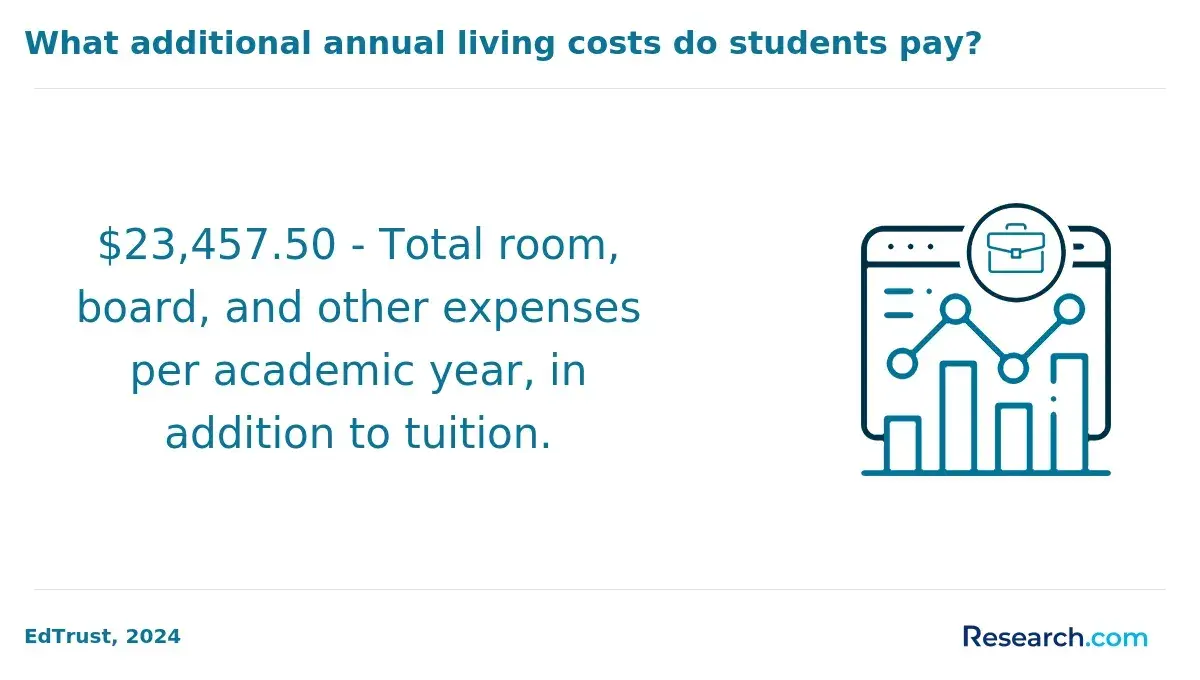
The annual tuition cost varies significantly: in-state public universities average between $15,000 and $35,000, while private institutions range from $30,000 to $50,000. Online offerings generally match these rates but may add fees and technology costs.
Working professionals must weigh the tradeoff between part-time flexibility and longer overall completion times, which can increase total tuition expenses. Financial aid and employer tuition assistance can alter net costs but require proactive planning. Employers increasingly seek candidates with applied knowledge rather than theoretical credentials alone, making programs with practical public affairs components more valuable in competitive hiring.
Graduate study remains a pivotal factor-almost half of public policy or administration bachelor's graduates pursue advanced degrees. This progression typically yields salary premiums that justify additional investment, though it adds time and financial commitments beyond the bachelor's level. Students aiming for upward mobility should carefully balance immediate costs with the extended timeline and outcomes linked to graduate specialization within the field.
What public affairs and government careers can you pursue with an online political science degree?
Online political science degrees often serve as a gateway to public sector roles requiring both specialized knowledge and adaptable skills. For instance, federal agencies like the Department of Homeland Security prioritize candidates with a solid grasp of national security policy and implementation, while local governments value expertise in community engagement and resource management.
This distinction forces students to weigh the tradeoff between focusing on niche competencies versus cultivating broad interdisciplinary abilities.
Employers expect candidates to demonstrate analytical rigor, legal understanding, and communication proficiency. Graduates frequently obtain roles as policy advisors, legislative researchers, or public affairs specialists who shape and communicate governance strategies across government and NGO contexts. Management positions within public programs demand budgeting, regulatory compliance, and leadership skills that this degree partially fulfills.
To improve marketability, supplementing the political science curriculum with certifications in areas such as public finance or program evaluation is advisable. Awareness of varying sector expectations-for example, the differences between public administration and nonprofit governance-can inform targeted course and internship selection.
Graduates with bachelor's degrees in public administration and policy consistently rank high in employment within public sector workforces, indicating well-defined employer demand tied to governance capacity and practical skill sets.
What salary ranges and advancement opportunities exist in public affairs for political science graduates?
Political science graduates targeting public affairs roles face a salary spectrum shaped by geographic location, sector, and credential level rather than a fixed trajectory. Entry salaries generally range from $50,000 to $70,000, yet the capacity to progress hinges on acquiring specialized skills in policy analysis and legislative engagement.
For instance, a legislative assistant in Washington, DC, may advance to a policy advisor role within 5 to 7 years, but this upward mobility often depends on graduate education or certifications in relevant fields like public administration.
Sectoral differences create notable disparities: government agencies and large nonprofits in urban hubs such as Washington, DC, New York, and Los Angeles offer starting salaries and senior-level positions exceeding $120,000. These cities concentrate political science expertise aligned with dense federal and policy networks, justifying higher compensation despite elevated living costs.
Conversely, corporate and advocacy fields exhibit greater salary variability, where public affairs roles starting between $45,000 and $60,000 may accelerate in pay through demonstrated lobbying success or public influence. However, this path demands strategic skill-building in communications and stakeholder relationships.
Key considerations for graduates weigh heavily on geographic mobility, credential investment, and labor market density:
- High-cost metros offer access to more advanced roles but require navigating competitive hiring and lifestyle tradeoffs.
- Positions outside core hubs may lag in salary growth despite lower expenses.
- Credentialing beyond a bachelor's degree materially improves advancement potential.
How is real-world experience, such as internships or practicums, handled in online political science programs?
Online political science programs shift much of the internship logistics onto students, requiring them to independently secure positions with government agencies, nonprofits, or advocacy groups that align with their career objectives. This proactive approach adds complexity compared to traditional campus internships, where placement support is often more centralized.
Credit eligibility typically demands between 120 and 300 hours of substantive work, emphasizing meaningful exposure to policy analysis, legislative research, or community engagement rather than clerical tasks. Students and advisors must verify that internships provide tangible skill development, as employers in public affairs increasingly expect documented, applicable experience beyond coursework.
For working professionals balancing existing jobs and location constraints, finding remote or hybrid practicum opportunities is critical since timing and geographic flexibility are major considerations. Failure to complete a recognized internship can delay graduation and negatively affect employability, highlighting the non-negotiable role of practical experience in gaining entry-level positions that involve real-world stakeholder interaction and tactical project participation.
- Students must take active roles in securing and managing internships and ensure relevance to targeted roles.
- Advisors should vet opportunities for substantive work tied to political processes and outcomes.
- Remote options help professionals navigate geographic and scheduling barriers.
Such realities reflect the broader demand among employers for measurable hands-on experience, making well-supported internships a key differentiator when evaluating online political science degrees for meaningful career pivots or sustained advancement.
How can you choose a reputable online political science program aligned with your public affairs goals?
Programs that emphasize applied policy analysis, governance, and public administration directly connect with hiring priorities in government, NGOs, and advocacy groups. Practical experience-such as internships or partnerships providing exposure to real-world public affairs-often differentiates candidates in a competitive labor market.
Candidates should critically assess the program's alignment with sector-specific employment outcomes, including graduation rates and employer engagement, rather than rely solely on institutional prestige.
Accreditation from recognized bodies ensures program credibility and eligibility for federal financial aid but does not guarantee relevant skill development or placement success. Evaluating faculty expertise with government or policy backgrounds offers insight into applied learning quality and real-world applicability. For professionals balancing work and study, asynchronous formats and flexible scheduling are essential to maintain progress without sacrificing job responsibilities.
The moderate AI automation risk score for political science (66/100) highlights the value of curricula focused on critical thinking, data literacy, and policy implementation to build resilience against workforce shifts.
For instance, a state policy analyst pursuing a career change must prioritize programs with advanced quantitative and legislative content, whereas nonprofit managers may benefit more from courses in community engagement and ethical governance-underscoring the need for upfront curricular alignment with career goals.
- Accreditation status and measurable employment outcomes
- Faculty with direct government or policy-making experience
- Program flexibility for working students
- Curriculum focused on automation-resilient skills
Other Things You Should Know About Political Science
Employer acceptance of online political science degrees varies, but quality programs from regionally accredited universities carry the same weight as traditional degrees. However, employers in competitive public affairs roles may favor candidates who demonstrate applied experience, such as internships or professional projects, alongside their degree. Prioritize programs offering practical components and strong alumni networks to offset some skepticism employers may have about the online format.
The choice depends on your current qualifications and career goals. A bachelor's degree provides foundational knowledge and qualifies you for entry-level positions, but a master's degree is generally required for higher-level policy analysis, leadership, and specialized public affairs roles.
For professionals seeking significant career advancement or a pivot to niche sectors within public affairs, investing in a master's degree online can yield stronger employer recognition and greater job mobility.
Online formats typically offer fewer organic networking opportunities compared to on-campus settings, which limits informal connections that often lead to internships or job referrals. While some programs use virtual events and discussion boards, these are less effective substitutes for face-to-face interaction. If networking is a priority, seek programs with strong career services, facilitated mentorships, and hybrid components that enable in-person engagement.
References
- Best Research Programs for Students Interested in Political Science https://riseglobaleducation.com/blogs/best-research-programs-for-students-interested-in-political-science
- How to work in public affairs? - HEIP https://www.heip.fr/en/school/faqs/how-to-work-in-public-affairs/
- Online MA Political Science (Master of Arts in Political Science) https://www.lpuonline.com/ma-political-science-course-online
- The Global Standard in Public Service Education https://www.naspaa.org/
- Online Political Science Degrees https://mycollegeguide.org/online-political-science-degrees/
- Applied Politics vs. Political Science: What’s the Difference? | MaKami College https://makamicollege.com/news/what-sets-an-applied-politics-diploma-apart-from-traditional-political-science/
- How to Apply for MA https://politicalscience.ceu.edu/how-apply-ma
- Bachelor's of Science in Public Affairs https://tsu.edu/academics/colleges-and-schools/bjml-school-public-affairs/departments/political-science/degrees/bs-public-affairs.php
- Political Science Degree Jobs: 12+ Career Paths (2026) | Extern https://www.extern.com/post/political-science-degree-jobs-career-guide