2027 Online Political Science Degrees With Legislative Affairs Career Alignment

Co-Founder and Chief Data Scientist
Professionals targeting legislative affairs roles often confront a fundamental timing dilemma: balancing full-time work with the inflexible schedules of traditional political science degree programs. This conflict delays career transitions and restricts access to opportunities requiring specialized legislative knowledge.
Recent National Center for Education Statistics data reveal a 13% surge in enrollment for online social science programs from 2022 to 2024, reflecting a growing demand for flexible learning paths that accommodate adult learners' complexity. This trend highlights a shift toward online formats as a practical route to maintain workforce engagement while acquiring targeted credentials.
This article evaluates online political science degrees designed to align explicitly with legislative affairs careers, guiding students through program features, career fit, and actionable steps to overcome educational barriers and accelerate workforce entry or advancement.
Key Things You Should Know
- Online political science degrees focusing on legislative affairs show a 15% wage premium over general degrees, yet 42% of employers prioritize internships over online credentials, creating recruitment friction.
- Federal employment data reveals a 13% projected job growth in legislative roles through 2030, pressuring candidates to balance expedited degree completion with substantive policy experience.
- Average online program costs rose 7% since 2023, disproportionately impacting mid-career pivots where ROI hinges on employer tuition assistance and post-graduation placement networks.
What is an online political science degree with a legislative affairs focus and who is it for?
Programs offering online political science degrees focused on legislative affairs careers deliver targeted expertise in navigating complex lawmaking environments. This specialized pathway suits mid-career professionals, recent graduates, and individuals seeking a pivot into policy-focused roles. Crucial skills include legal research, policy drafting, stakeholder engagement, and regulatory compliance.
Graduates typically enter positions such as legislative aides, policy analysts, government affairs specialists, or political consultants. For instance, a professional in a nonprofit advocating for environmental regulation can enhance effectiveness by understanding how to directly engage legislators and craft impactful policy analyses.
Employers value candidates with a blend of political theory and applied knowledge of legislative procedures and effective communication tailored to political settings.
The best political science online programs for legislative affairs professionals emphasize flexible, asynchronous coursework suitable for working adults, but require students to proactively secure internships or fieldwork for essential experiential learning. This dynamic can present challenges since remote formats may limit practical exposure.
Economic outcomes reinforce this degree's value: political scientists earned a median annual wage of $139,380 as reported by the U.S. Bureau of Labor Statistics, underscoring demand within legislative consulting and policymaking sectors.
Decision-makers should carefully evaluate program accreditation, curriculum focus on legislative affairs, and alumni employment rates in government or lobbying roles. Selecting a program without these markers can constrain career mobility or mismatch employer expectations in competitive political environments.
Those comparing educational options might also consider a fast track computer science degree as an alternative pathway for analytical skills applicable in policy technology intersections.
How do online political science programs prepare you for legislative affairs careers?
Online political science programs for legislative affairs equip students with skills directly applicable to the realities of lawmaking offices, beyond theoretical knowledge. Graduates gain proficiency in interpreting legal texts, drafting policy briefs, and navigating regulatory frameworks-essential capabilities for roles supporting lawmakers or advocacy groups.
For example, mastering legislative procedures online enables a professional to streamline bill tracking and stakeholder communications in a public affairs setting, enhancing operational effectiveness.
Programs emphasizing project-based learning and case studies simulate legislative challenges, honing analytical and ethical decision-making skills critical in compliance-sensitive lobbying or government relations positions. These practical components often address the gap between academic study and employer expectations for candidates familiar with current legislative systems and stakeholder dynamics.
Although political scientist jobs are projected to decline by 3% between 2024 and 2034, about 500 annual openings due to retirements maintain steady replacement demand. Graduates must showcase strong communication and critical thinking to remain competitive.
Flexible scheduling in online degrees allows working professionals in legislative fields to upskill without disrupting employment, a strategic advantage amid rising job market pressures.
Students should anticipate supplementary on-the-job training or internships to convert academic skills into tangible legislative exposure. Selecting programs that integrate experiential learning or government partnerships is vital to closing this practical knowledge gap, thereby improving employability.
When considering program formats, prospective learners might also explore related options such as an accelerated exercise science degree online, which illustrates alternative online pathways requiring rigorous pacing and time management.
Online political science program benefits for legislative affairs reflect a deliberate convergence of analytical rigor with compliance and communication skills foundational to emerging legislative careers.
What types of online political science degrees support work in legislative affairs?
A bachelor's or master's degree in political science with a focus on government, public policy, or legislative studies directly supports careers in legislative affairs by aligning academic content with employer expectations for practical skills and applied knowledge.
Entry-level roles such as legislative aides typically require foundational understanding of political institutions and lawmaking processes cultivated in bachelor's programs, while mid-level and senior positions demand the advanced strategic, regulatory, and stakeholder engagement training found in master's curricula.
Programs offering concentrations in government affairs or public administration equip students with tangible skills like lobbying, legal drafting, and legislative communication, which are essential for navigating government environments.
For instance, candidates aiming for roles within regulatory bodies benefit from emphasis on compliance, policy impact assessment, and negotiation. On the other hand, advocacy group positions require expertise in coalition building and constituent outreach, often addressed through politically oriented graduate coursework.
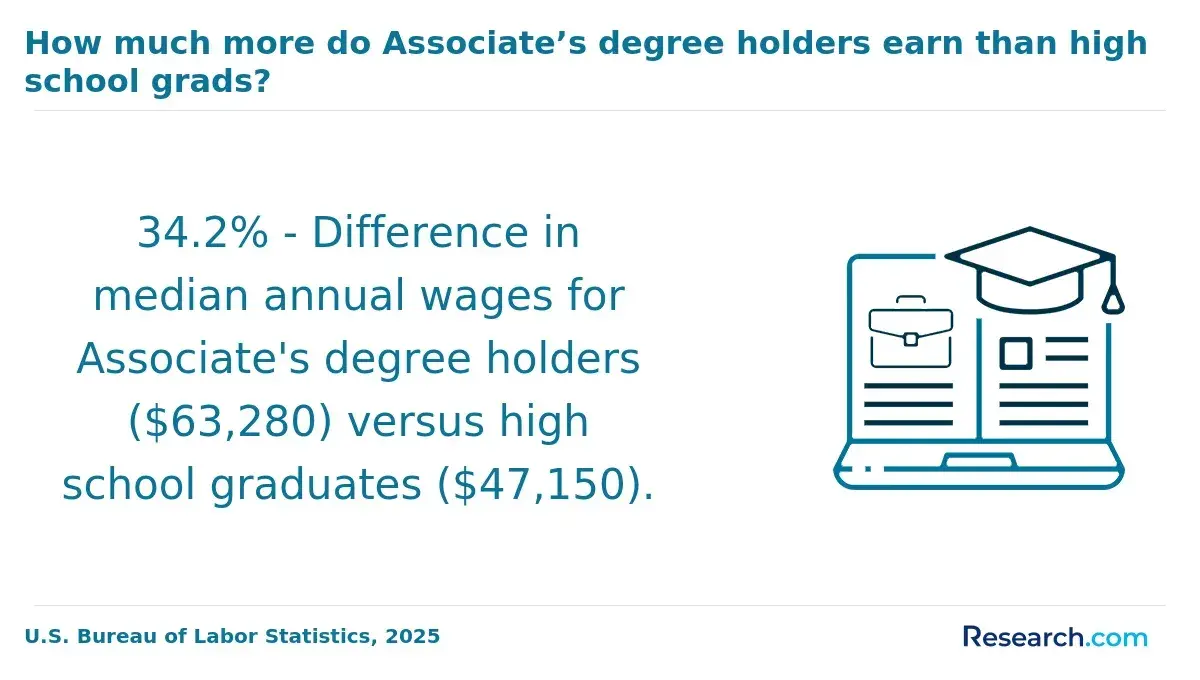
The labor market rewards political science graduates with measurable earnings premiums-approximately two-thirds higher than high school graduates-demonstrating employer valuation of degrees that combine theory and applied legislative competencies.
Prospective students must weigh program flexibility against depth of experience; degrees incorporating synchronous legislative simulations, internships, or capstone projects improve employability more than purely asynchronous options. Accreditation and faculty expertise in legislative affairs also influence hiring prospects.
Those exploring the best online political science degrees for government and legislative work should carefully assess how programs integrate practical legislative experience. Additionally, non-political science students considering interdisciplinary shifts might explore pathways like a data science master online for complementary analytic skills increasingly relevant in public policy roles.
How do online political science degrees compare with campus programs for legislative training?
Choosing between campus and online political science programs in the US requires weighing flexibility against in-person access to legislative environments. Online political science degrees for legislative training offer a distinct advantage for working professionals by enabling them to balance coursework with real-time internships or government roles.
This practical integration contrasts campus programs, which often demand set schedules and place-based attendance that may restrict concurrent legislative experience.
Cost remains a decisive factor: the National Center for Education Statistics shows online bachelor's political science programs average $18,822 annually, compared to $22,153 on campus-a $3,331 yearly difference that can save over $13,000 across four years. Such savings appeal especially to those managing education debt while pursuing public sector work.
Nonetheless, campus programs provide more immediate access to direct networking, legislative internships, and face-to-face legislative processes, factors that can influence some employer preferences. For example, students near Washington D.C. benefit from hands-on opportunities with congressional staff, a nuance harder to replicate remotely.
Online curricula increasingly feature synchronous classes, simulations, and capstone projects to bridge gaps; however, students must actively seek virtual office hours and external internships to develop comparable practical skills.
Employers ultimately prioritize legislative internships and competencies over mode of study, yet candidates should emphasize how online learning sharpened skills in time management, initiative, and virtual collaboration.
In evaluating a political science path aligned with legislative training, consider tradeoffs informed by your location, work commitments, and learning style. For those also researching complementary roles, understanding what types of paralegals make the most money offers insight into adjacent legal career trajectories.
What courses and specializations in political science best support legislative affairs roles?
Success in legislative affairs hinges on targeted coursework that builds both procedural fluency and analytical rigor-a gap often seen when graduates from broad political science programs enter the field without specific legislative training. Constitutional law and legislative process classes ground candidates in the rules and rhythms of bill development, essential for staff roles requiring statute drafting or committee navigation.
Specializations in public administration or policy analysis align directly with employer expectations in legislative environments. A legislative aide, for instance, must translate complex policy into actionable initiatives, balancing constituent impact and budgetary constraints.
Quantitative methods further empower candidates to generate data-driven policy recommendations or interpret polling insights, a competence increasingly demanded in legislative offices.
Students must weigh tradeoffs between broad political theory-which enhances conceptual flexibility-and applied legislative concentrations that deliver procedural mastery but risk skill narrowness. Practical roles like policy analysts prioritize quantitative and regulatory coursework, while committee staff roles favor deep constitutional and procedural know-how.
Data from Vanderbilt University in 2024 indicate that 28% of political science majors pursue law, suggesting that incorporating pre-law studies enriches legislative readiness given the legal complexity of statutory work. This real-world intersection highlights how curriculum design impacts employability in legislative careers beyond general political science foundations.
What admission requirements and application materials do online political science programs expect?
Admission to online political science programs commonly assumes applicants hold a bachelor's degree from an accredited institution, but significant professional experience in government, nonprofits, or policy research can sometimes substitute.
Application packages typically demand official transcripts, a detailed resume referencing relevant internships or roles, and a personal statement articulating specific career intentions. Letters of recommendation-preferably from credible academic or professional sources-are often essential, particularly to demonstrate analytical capabilities and sustained commitment to the field.
While some institutions waive standardized tests like the GRE, competitive programs still require them. Candidates focused on legislative or policy career trajectories benefit from emphasizing internships, government roles, or policy analysis projects, as admissions committees prioritize those tangible experiences linked to workplace readiness.
Additional administrative hurdles include proof of residency to qualify for in-state tuition, documentation verifying legal status, and ensuring technological adequacy for fully online delivery formats. These factors affect both admissions timelines and financial aid processing, posing potential barriers to enrollment.
Data from Western Washington University's 2020-2021 Graduate Outcomes Report reveals that 77% of political science graduates secured employment within six months of completing their degrees.
The report further notes that completing internships increased employment rates by 9% and wage outcomes by 20%, illustrating that experiential learning is a differentiating factor impacting hiring decisions and long-term earnings.
How long do online political science degrees take and what do they typically cost?
Choosing an online political science degree involves balancing time, cost, and professional relevance, especially for those targeting legislative or policy roles. Associate degrees typically require about 2 years, while bachelor's programs generally span 4 years full-time, with part-time or accelerated formats extending duration beyond that.
Master's degrees, particularly in political science or public policy, usually take 1.5 to 3 years, but STEM-designated or research-heavy tracks may demand additional time, impacting workforce reentry timelines.
Cost structures vary notably. Public institutions often charge between $15,000 and $35,000 for a bachelor's degree online, whereas private universities may exceed $70,000. Master's programs range from $20,000 to $50,000 depending on format and specialization. Employer tuition assistance and federal aid can offset expenses but factoring these in requires clear eligibility verification.
Practical tradeoffs include shorter master's programs that enable rapid market return but might restrict deeper research skills valued for senior analyst positions. Employers typically assess candidate viability based on degree level, program length, and tangible policy experience rather than cost alone.
Salary benchmarks reinforce these distinctions: policy analysts report annual wages from $67,000 to $94,000, while professionals with specialized master's credentials often earn $80,000 to $85,000, with senior roles pushing over $98,000. Decision-makers should weigh the implications of extended study duration versus potential for specialized expertise and earnings progression.
How can you verify accreditation and program quality for online political science degrees?
Accreditation verification for online political science degrees is fundamental because federal aid eligibility, graduate admission, and government employment often hinge on regional accreditation recognized by the U.S. Department of Education or CHEA. Programs lacking this rigor risk limiting career advancement, especially within legislative or governmental roles where hiring standards explicitly reference accredited credentials.
Evaluating program quality requires scrutiny beyond accreditation-assess faculty expertise, curriculum relevance to current legislative processes, policy analysis, and research methods.
Students targeting government or legal services should note salary differentials: MA graduates focusing on legal services earn an average of $101,200 annually, outpacing government roles at $87,800 and for-profit sectors at $75,800, based on University of Waterloo data on sector distribution. This underscores the practical value of curriculum alignment with industry demands.
Prospective enrollees must confirm the availability of practicum opportunities and internships tied to legislative bodies, which materially improve hiring prospects in policy advocacy or consulting. Inadequate state authorization can create credential and employment barriers for online students, so compliance verification is essential.
Key considerations include:
- Cross-checking program claims using third-party data like the National Center for Education Statistics.
- Demanding transparent employment statistics segmented by career paths and salary outcomes.
- Reviewing alumni success and employer endorsements for evidence of return on investment.
These factors combined provide a framework rooted in practicality and market realities, not just institutional promises.
What jobs, promotion paths, and work settings exist in legislative affairs for graduates?
Graduates with online political science degrees concentrating on legislative affairs enter a competitive field where tangible experience often outweighs academic credentials alone. Early roles-such as legislative assistants or policy analysts-demand strong research and communication skills directly applied to active legislative agendas.
Advancement beyond these positions typically requires 5-7 years of demonstrated competence in navigating legislative processes and managing stakeholder relationships, often progressing to roles like senior legislative counsel or governmental affairs director.
Work environments vary widely, including federal and state agencies, political consulting firms, non-governmental organizations, and corporate government relations divisions.
For example, a policy analyst in an environmental NGO applies legislative expertise to reform regulatory systems, while healthcare lobbyists manage intricate statutory negotiations. Success depends on adapting to differing legislative cycles, evolving compliance demands, and stakeholder priorities.
Cost considerations also influence decision-making; public graduate programs average $11,827 annually, contrasting with $20,515 at private institutions, affecting projected returns on investment, especially for mid-career professionals evaluating opportunity costs. Targeted, lower-cost programs with a legislative affairs emphasis can deliver practical advantages without excessive financial strain.
Key factors in hiring and promotion include practical internships within legislative offices or advocacy organizations, proficiency with legislative software, and refined networking skills. Graduates who strategically develop these assets improve their prospects for stable employment and progressive responsibility within this sector.
What are the salary ranges and job outlook for legislative affairs professionals with these degrees?
Salary progression for legislative affairs professionals with online political science degrees varies significantly based on experience and role specialization. Entry-level positions in government relations, policy analysis, or legislative assistance typically start around $52,000 annually, but earning potential grows substantially with experience, reaching between $90,000 and $110,000 for lobbying or senior policy advisor roles within a decade.
Data from Western Washington University indicates that political science graduates' median earnings rise from roughly $63,000 at 5 to 9 years post-graduation to over $99,000 after 20 years.
Practical experience remains a critical factor influencing wage growth and job mobility. Candidates lacking internships or certifications in public policy, legal studies, or communications often encounter slower advancement and face steeper learning curves, particularly when moving into lobbying without prior government affairs exposure. This reality reflects employer preference for candidates who combine academic knowledge with applied skills.
Market demand for legislative affairs specialists is steady, with a 7% projected growth rate through 2032, particularly in government and nonprofit sectors dealing with regulatory compliance and policy advocacy. Prospective students should prioritize programs that offer embedded experiential learning or strong employer networks to enhance employability and accelerate compensation gains.
Other Things You Should Know About Political Science
Employers in legislative affairs focus more on the reputation of the institution and the rigor of the program than on delivery format alone. Many online political science degrees from accredited institutions offer curricula identical to their on-campus counterparts, but prospective students should verify faculty qualifications and alumni outcomes. Candidates from programs with limited interaction or practical components may face challenges competing with graduates who had experiential learning, such as internships or direct legislative engagement.
Managing the workload of an online political science degree while working full-time can be challenging. Students should employ time management tools, create a dedicated study schedule, and maintain constant communication with their instructors to balance both efficiently.
Programs with a dedicated legislative affairs focus provide more targeted courses and experiential opportunities directly tied to the sector, increasing job-readiness immediately after graduation. However, broader political science tracks may offer greater career flexibility, allowing graduates to pivot if legislative affairs prove too competitive or niche. Students certain about legislative careers should prioritize specialized tracks, while those valuing adaptability should consider a balanced curriculum with electives.
Networking is less organic in online political science programs, which can limit access to legislative affairs mentors and insider job opportunities. Students should actively seek programs that facilitate live discussions, virtual internships, or connections to legislative bodies. Without deliberate networking efforts, online students risk weaker professional ties, which are critical in legislative affairs fields where referrals and contacts often drive employment.
References
- Public Administration & Policy Jobs Guide (2026 Careers) – PublicAdministrationPolicy.org https://publicadministrationpolicy.org/resources/jobs/
- 15 early career jobs that map well to political science majors https://students.inroads.org/blog/2025/04/02/15-early-career-jobs-that-map-well-to-political-science-majors/
- International Relations Salary and Career Paths https://teach.com/online-ed/government-degrees/online-masters-international-relations-business/salary-and-career-outlook/
- How to Apply for MA https://politicalscience.ceu.edu/how-apply-ma
- Is Your Online Degree Legitimate? How to Verify Private University Approval https://matchtocollege.com/blog/verify-private-university-online-degree-approval
- Choose a Career in Political Science to Make a Difference - International Career Institute Australia https://ici.net.au/blog/choose-a-career-in-political-science-to-make-a-difference/
- Political Science Careers https://www.citadel.edu/political-science/political-science-careers/
- Online Degree Programs from GMC's Global Online Leadership College https://online.gmc.edu/programs/political-science/
- Applying to Political Science PhD Programs | Mariana Carvalho https://www.maricarvalho.com/post/application-polsci/
- Top Career Paths for Public Affairs and Political Science Majors - MaKami College https://makamicollege.com/news/top-career-paths-for-public-affairs-and-political-science-majors/