2027 Online Political Science Degrees for Stable Public Service Careers

Co-Founder and Chief Data Scientist
Mid-career professionals aiming to enter stable public service roles face a complex challenge: balancing rigorous political science education with full-time employment and personal commitments. Recent data from the National Center for Education Statistics shows over 40% of online political science enrollees are adults seeking flexible learning schedules, signaling rising demand for programs that accommodate workforce realities.
Yet, not all online degrees offer equal rigor or relevant skill development, creating pitfalls for candidates navigating credential legitimacy and employer expectations. This article assesses online political science degree options with a focus on program structure, accreditation, and career outcomes to guide effective decisions toward durable public service careers.
Key Things You Should Know
- Online political science degrees average 25% lower upfront costs but extend time-to-completion by six months, impacting early-career wage growth based on National Center for Education Statistics 2024 data.
- Federal and state public agencies list advanced quantitative methods and policy analytics as decisive hiring criteria, disadvantaging graduates from programs lacking these embedded curricula per 2024 USAJobs labor reports.
- Enrollment surged 18% from 2022-2024, straining digital advising capacity and delaying capstone project placements, which risks disconnecting theoretical knowledge with applied public service scenarios.
What is an online political science degree and how can it lead to public service careers?
Online political science degree programs with public service focus demand careful alignment of curriculum with employer expectations, emphasizing policy analysis, quantitative methods, and governance. For example, graduates with strong quantitative research skills may secure analyst roles in state departments, while others focusing on administrative policy find opportunities in city management or nonprofit leadership. These programs prepare students to meet workforce needs by combining data proficiency with real-world policy application.
Students must weigh trade-offs such as balancing demanding coursework alongside professional obligations and compensating for limited on-campus networking by actively engaging in virtual professional communities or government internship programs. Those who complete integrated practicum experiences gain measurable advantages in job placement, reflecting the practical orientation that public sector employers prioritize.
Financially, political science graduates typically achieve strong returns over time: data from DegreeOutlook indicate that across 521 U.S. institutions, graduates earn on average 8.8 times their tuition costs in wages within a decade, underscoring the degree's strategic value. However, selecting an accredited online animal science degree with clear quality indicators such as accreditation, faculty expertise, and curriculum rigor is essential to ensure labor market relevance and career progress. How online political science degrees prepare for government careers hinges not just on credentialing but on cultivating analytical competency and targeted career planning to navigate evolving governance challenges in public service sectors.
Are online political science degrees respected by government and public sector employers?
Online political science degrees acceptance in government jobs largely depends on program quality and demonstrable skills rather than delivery format. Among 521 programs analyzed, more than half offer fully online or hybrid options, reflecting widespread institutional adoption. Yet, public sector employer views on online political science programs reveal a preference for candidates who complement their degree with practical experience such as internships or capstone projects. For example, mid-level analyst roles at federal agencies involve managing complex data and policy drafting-skills that must be evident beyond diplomas.
Accreditation remains a non-negotiable factor, with government hiring protocols enforcing transcript validation and institutional credibility regardless of whether a degree was obtained online or on campus. However, logistical constraints like limited networking and diminished faculty interaction in online formats require proactive strategies, including professional associations, to bridge gaps.
Prospective students should weigh these dynamics carefully and pursue programs that integrate applied learning elements. Workforce outcomes hinge more on evidence of applied competencies and security clearances than on modality alone. For those considering broader academic pathways, exploring the best online exercise science degree programs can provide a model of robust online offerings aligned with employer expectations.
How do online political science programs compare with on-campus options for public service preparation?
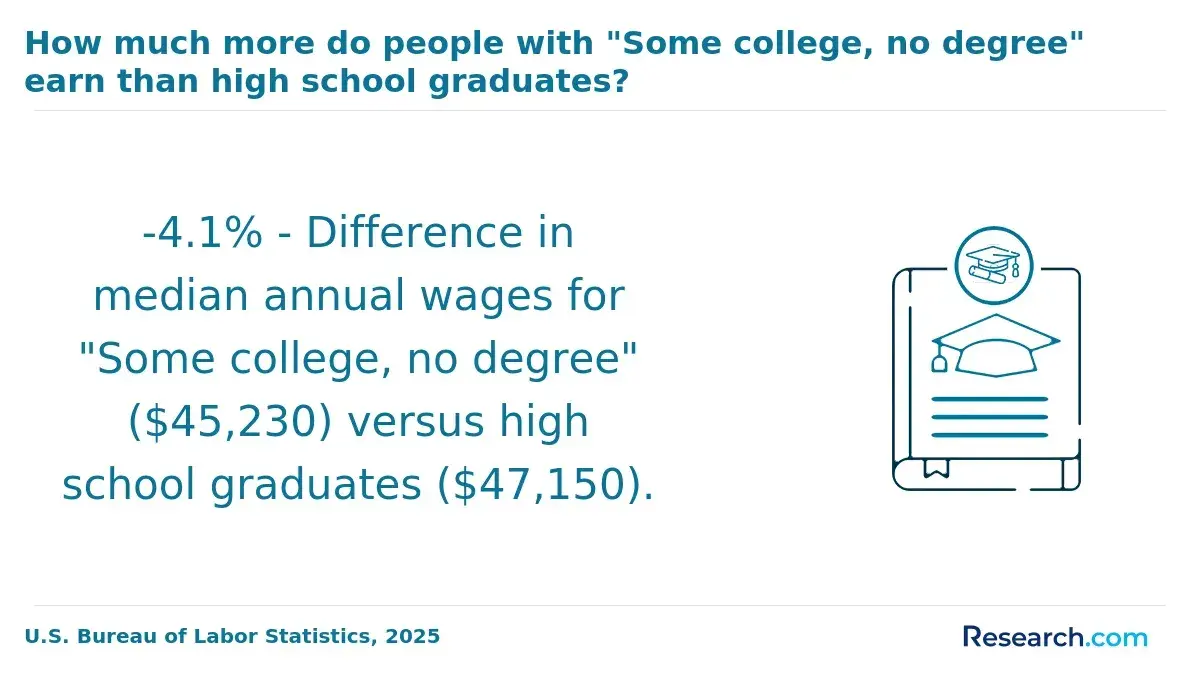
Online political science degrees for public service replicate theoretical content found in on-campus programs but fall short in delivering critical experiential and networking opportunities. This gap is particularly consequential in public sector roles where internships and direct engagement with institutions like local government or federal agencies influence hiring decisions. Students pursuing online paths must therefore proactively seek internships, as universities rarely facilitate these connections, potentially hindering timely entrance into the workforce.
The cost structure further complicates decisions: online political science bachelor's programs often charge around $620 per credit, with total tuition nearing $75,000 before aid, a figure comparable to or exceeding many traditional public universities' in-state rates. Considering median wages in public service, accruing such debt can limit early-career flexibility.
Data from federal labor statistics confirm that combined academic credentials and demonstrated, verifiable experience drive employability in government and nonprofit management. Unlike on-campus students who benefit from embedded university partnerships, online learners must cultivate virtual networks and pursue accredited internships independently to achieve similar employment outcomes.
For those weighing online options, it is advisable to review affordability and program design; reputable listings such as research.com highlight affordable options for fields with related workforce demand, like library science degree online, which share some interdisciplinary relevance and cost consideration. Comparisons of online and on-campus political science programs reveal that the former demand greater planning to offset practical experience deficits.
What accreditation should an online political science degree have for federal and state jobs?
Accreditation is a non-negotiable criterion for online political science degree accreditation for federal government jobs, shaping eligibility and career trajectory. Federal agencies require degrees from institutions recognized by bodies like the Higher Learning Commission or Middle States Commission on Higher Education to verify academic rigor. Without such credentials, candidates risk automatic disqualification regardless of experience or other qualifications.
For instance, a political scientist applying to a federal role with a median salary of $139,380 per year (per Bureau of Labor Statistics data) must have an accredited degree to pass security clearance and qualification reviews. States enforce similar standards, often listing acceptable accrediting agencies when evaluating applicants for policy analyst or public service positions.
Choosing programs not conforming to state-recognized political science programs for public service careers creates long-term barriers, including denial of merit promotions or restricted access to specialized hiring initiatives. Prospective students must cross-verify accreditation status via the U.S. Department of Education or CHEA to confirm compliance before enrollment, ensuring their credentials align with government hiring requirements.
Employment projections estimate a 3% decline in political science roles from 2024 to 2034, intensifying competition where accreditation becomes pivotal in differentiating candidates of equal experience. Practical workforce realities and institutional recognition influence advancement prospects and salary potential. For insights on related government job outlooks and compensation issues, see forensic profiler salary.
What courses and concentrations in online political science best support stable public service roles?
Political science programs that serve students aiming for stable public service roles tend to align their curricula with government functions, public policy analysis, and regulatory frameworks. Critical coursework in public administration, ethics, and policy evaluation are foundational for navigating bureaucratic settings. Concentrations in international relations or legislative processes develop analytical skills that public agencies require but may limit local policy flexibility.
For instance, state government analyst positions demand proficiency in budget oversight and quantitative policy research, making courses in public finance and data analysis essential. Federal roles, by contrast, emphasize regulatory policy and administrative law, focusing on compliance and enforcement knowledge.
Salary data from DegreeOutlook places average starting pay for political science graduates at $36,685, but this varies with specialization and program reputation. Practical training through internships or capstone projects with government entities distinctly improves employability by embedding candidates in relevant networks and real-world problem-solving.
Students must weigh the trade-off between deep specialization-potentially narrowing job opportunities-and broader programs that delay skill targeting. Aligning credentials with state or federal certification standards also influences long-term career viability. Programs with strong alumni in public service can provide mentorship and access to job openings, a nontrivial factor in competitive hiring landscapes.
What are the typical admission requirements for online bachelor's and master's political science programs?
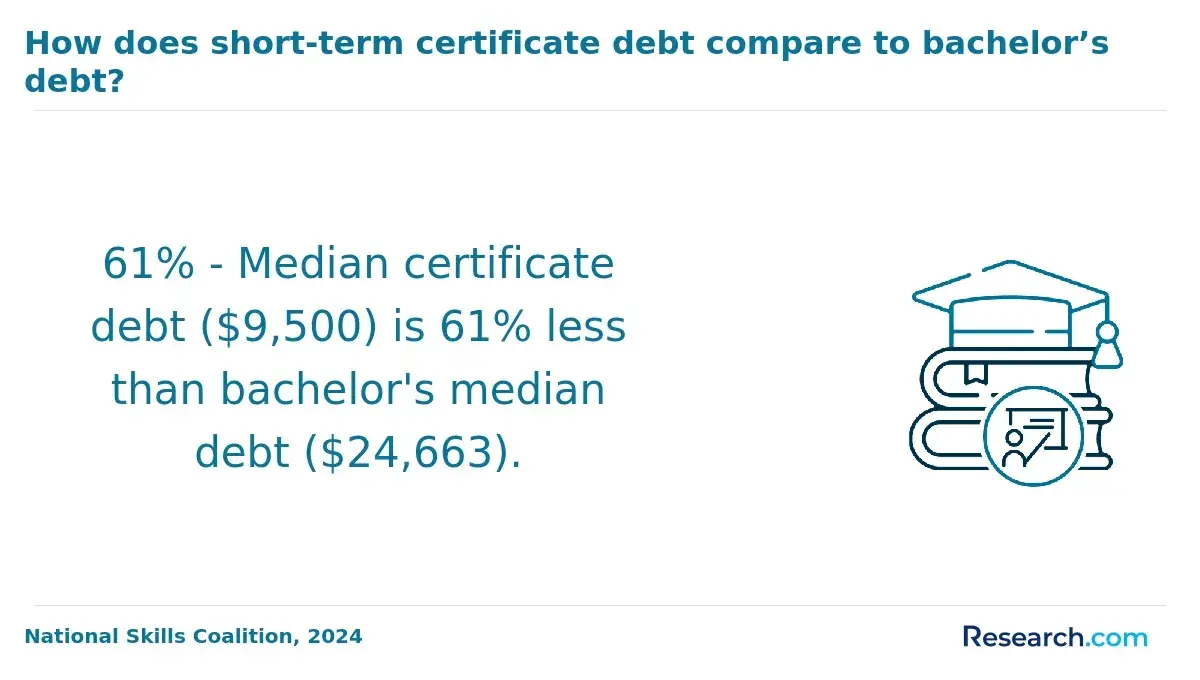
Bachelor's degree programs in political science set a baseline by requiring a high school diploma or equivalent, moderate GPA thresholds around 2.5 to 3.0, and evidence of critical reading and writing skills through transcripts and personal statements. Applicants who bring extracurricular involvement in government, debate, or advocacy can strengthen their applications, aligning with the real-world demands of policy work. Transfer students face the added hurdle of meeting credit thresholds-typically 30 to 60-to ensure foundational coursework before progressing.
Master's level admission criteria sharply increase selectivity, favoring candidates with a relevant bachelor's degree and a minimum 3.0 GPA. GRE scores remain common but are sometimes waived based on professional experience. Admission committees prioritize statements of purpose that clearly articulate research interests or career objectives, alongside robust letters of recommendation that confirm analytical capacity. Professional experience may substitute for academic prerequisites in specialized political science pathways, especially for those pivoting toward public administration or policy analysis roles.
The practical imperative is that admissions standards reflect employer expectations in sectors like government agencies, think tanks, or advocacy groups. For example, a mid-career professional targeting a policy analyst position must demonstrate quantitative research skills and relevant work history through both application materials and references. Earnings data corroborate that rigorous entry requirements tend to correlate with wage growth, with median salaries rising from approximately $63,312 within a decade to over $99,996 in two decades after graduation.
How long do online political science degrees take and what do they typically cost?
Choosing an online political science degree requires weighing the tradeoff between program duration, cost, and practical workforce preparation. Bachelor's degrees typically span four years, though accelerated tracks can shorten this to about three years if transfer credits and course loads align. Master's programs run from one to two years. Public in-state tuition generally ranges from $7,000 to $12,000 annually, while private institutions can exceed $20,000 per year.
Beyond tuition, candidates should anticipate additional fees, digital resource costs, and the opportunity cost of reduced work hours. For example, a mid-career professional pursuing an online master's might incur $15,000-$35,000 total expenses but balance tuition with ongoing earnings. Nearly 51% of graduates face underemployment in their first year, indicating that hiring managers prioritize applied skills, internships, and policy experience alongside academic credentials.
This underscores the risk of fast-track programs: they reduce time but may limit chances to develop practical expertise. For aspiring public service roles, programs offering policy analysis projects and internships enhance employability. Financial aid and employer tuition assistance can mitigate costs, but disciplined time management is essential for working adults.
What careers can you pursue with an online political science degree in government and nonprofits?
An online political science degree provides foundational knowledge but is insufficient alone for entering competitive government or nonprofit roles. Employment outcomes heavily depend on practical experience, with internships increasing hiring chances by 9 percentage points and wages by 20%, per Western Washington University Graduate Outcomes Report 2020-2021. This reveals that theoretical coursework must be complemented by hands-on exposure to stand out in applicant pools.
For instance, policy analysts in state agencies apply their understanding of regulatory frameworks to craft recommendations influencing budget allocations and program effectiveness. Nonprofit roles demand skills in strategic fundraising, stakeholder engagement, and regulatory compliance, requiring graduates to translate academic learning into operational competence.
The absence of internships or networking severely limits entry into tenure-track or federal positions, underscoring the necessity of securing placements in legislative offices, think tanks, or nonprofits during study. Employers prioritize candidates with demonstrated political communication and grant proposal skills, which are often underdeveloped in traditional curricula.
Students should pursue supplemental certificates or training in data analysis and grant writing to align with workforce demands. Without these targeted experiential investments, graduates risk stagnation in entry-level roles rather than meaningful career pivots or advancement.
What salary ranges and job outlook can political science graduates expect in public service?
Salary trajectories for political science graduates in public service hinge significantly on advanced education and specialization. While bachelor's degree holders average mid-career salaries near $52,000, those with a master's, MPA, or MPP focused on public policy or administration often see mid-career earnings rise to $80,000-$90,000. This gap aligns with employer expectations for analytical rigor and leadership capabilities in increasingly complex government roles.
Consider a local government analyst with only a bachelor's degree facing salary caps around $50,000-$55,000, compared to an MPP-holder who can expect promotion into $75,000+ roles within three years. Entry-level wage pressures and hiring constraints emphasize measurable skills and targeted credentials.
Choosing between entering public service immediately or pursuing graduate education depends on weighing short-term income against long-term salary growth, job stability, and market demand for specialized policy expertise. This data-driven approach aligns with recent workforce analyses indicating the premium placed on advanced analytical and management qualifications in political science careers.
How can prospective students choose the best online political science program for their goals?
Choosing a political science program without clear return-on-investment data can delay career progress and yield marginal salary gains. DegreeOutlook's study of 521 programs reveals an average 8.8× earnings multiple over 10 years, which underscores the importance of scrutinizing post-graduation salary transparency and employment outcomes before committing.
For candidates targeting government policy or public administration, programs with robust internship pipelines through federal, state, or local agencies offer practical experience preferred by employers over purely academic credentials. Conversely, those pursuing political consulting or advocacy benefit more from curricula emphasizing quantitative analysis, polling techniques, and data interpretation-skills critical to decision-making roles in communications and strategy.
Working professionals accessing graduate political science education should factor in program flexibility, including asynchronous courses and credit for prior experience, to fit ongoing work commitments without extending degree timelines. Cost evaluation must go beyond sticker price; in-state tuition and accredited online programs typically deliver better net value compared to out-of-state or proprietary institutions.
Curriculum rigor and faculty expertise grounded in applied political science profoundly influence graduate employability across public service. Selecting programs with practical emphases rather than academic theory aligns with market needs and improves long-term workforce integration.
Other Things You Should Know About Political Science
Yes, practical experience significantly impacts employment outcomes in public service roles. Online political science programs often lack built-in internship placements, so students should prioritize securing relevant internships or part-time roles independently. Employers in government and nonprofits favor candidates who combine academic knowledge with demonstrated applied skills, so completing work experience parallel to your studies is essential for a competitive edge.
Most online political science programs require proof of college-level writing readiness, and some public universities require placement testing before first-year composition. Standard entry usually includes a high school diploma or GED, plus minimum GPA requirements such as 2.0 to 2.5. Transfer applicants may also need official transcripts.
Online formats tend to provide fewer organic networking chances compared to campus-based programs, which impacts access to internships and referrals. Students should actively engage in virtual events, professional associations, and local political organizations to compensate. Prioritize programs with structured alumni networks or mentorship components since lack of connections can slow career progress in public service sectors that rely heavily on relationships.
References
- Political Science Careers https://www.concordiacollege.edu/academics/programs-of-study/political-science/careers/
- Best Research Programs for Students Interested in Political Science https://riseglobaleducation.com/blogs/best-research-programs-for-students-interested-in-political-science
- Online Degree Programs from GMC's Global Online Leadership College https://online.gmc.edu/programs/political-science/
- Online Political Science Degrees: Find Your School https://www.degreesforgood.org/online-degrees/political-science-degrees/
- Degreeoutlook https://DegreeOutlook.com
- What Can You Do With a Political Science Degree | PathWise https://pathwise.io/what-can-you-do-with-a-political-science-degree/
- Online Political Science Degree | Programs & Career Options https://www.learnhowtobecome.org/best-online-bachelors-in-political-science-degree-programs/
- Online Bachelor of Arts in Political Science | OEd https://oed.com.ph/academic-programs/bachelors-degree/bachelor-of-arts-in-political-science/
- Choose a Career in Political Science to Make a Difference - International Career Institute Australia https://ici.net.au/blog/choose-a-career-in-political-science-to-make-a-difference/
- What can I do with a Political Science degree? https://www.coloradomesa.edu/iris/explore-majors/what-can-i-do-with-a-political-science-degree.html