2027 First Political Science Roles for Career Changers Entering Public-Service Work

Co-Founder and Chief Data Scientist
Mid-career professionals face a critical hurdle when transitioning into public-service roles within political science: identifying entry-level positions that match their transferable skills without requiring prolonged additional credentials. The National Center for Education Statistics reports a 15% rise since 2023 in enrollment of adult learners in flexible online political science programs, reflecting shifting demands for accessible education that fits work-life balance.
This trend signals an urgent need to evaluate program structures that genuinely shorten time-to-employment rather than extend qualification timelines. This article maps out specific first political science roles suited for career changers and analyzes which educational pathways align best with workforce expectations and practical career mobility.
Key Things You Should Know
- Graduates with political science backgrounds pivoting to public service face a 12% median salary gap versus traditional political careers, per 2024 BLS data, requiring strategic role selection to offset initial earnings tradeoffs.
- Employers now prioritize candidates demonstrating intersectional skills such as data literacy and policy analytics, with 65% of federal agencies in 2024 preferring interdisciplinary expertise impacting hiring decisions.
- Completion times for relevant degrees average 4.2 years with tuition inflation exceeding 5% annually, creating access barriers that often delay critical entry points into public-service roles.
What are the best first political science roles in public service for career changers?
Policy analyst, legislative aide, and public affairs specialist roles often represent the most accessible entry points into government for career changers pursuing the best first political science jobs in public service for career changers.
These positions demand analytical rigor, clear communication, and familiarity with governance frameworks, competencies that can be rapidly developed through focused short-term training or certification. For example, a marketing manager with experience in strategic communication might start as a public affairs assistant to gain foundational exposure before moving into policy analysis.
The competitive salary landscape is worth noting: political scientists, a core feeder occupation to policy analyst roles, earned a median annual wage of $139,380 as of May 2024 in the U.S., but entry-level jobs without graduate credentials typically range between $70,000 and $90,000.
Advancement often requires a master's degree in political science or public policy, along with proficiency in tools like Excel, SPSS, or R. Candidates must also navigate constraints such as security clearances or residency requirements.
Among the top entry-level political science roles for career changers in government, prioritizing hands-on experience through internships or contract work that involves regulatory research, stakeholder engagement, and policy drafting is critical. Understanding the necessary tradeoffs between immediate job availability and long-term growth potential helps guide this pursuit.
Pathway selection can further benefit from complementary skills, such as an accelerated bachelor's degree computer science online, which enhances data analysis capabilities increasingly valued in public-sector roles.
How can prior work experience transfer into entry-level political science and public-service jobs?
Transferable skills for entry-level political science roles significantly reduce onboarding time and increase early-stage productivity by aligning prior experience with job demands.
For instance, individuals with project management backgrounds adapt rapidly to legislative tracking due to familiarity with complex workflows, while communication skills from sales or customer service enhance stakeholder engagement and policy writing. These practical capabilities are often prioritized by employers over formal academic credentials alone.
Leveraging prior experience in public-service careers requires bridging gaps in domain-specific knowledge such as legislative procedures or political terminology. Structured opportunities like internships remain essential, as illustrated by Western Washington University graduates who reported a 9% higher employment rate and 20% increased wages within six months after completing internships-highlighting the tangible payoff of applied experience in political roles.
However, career changers must recognize that technical skills from other fields, including quantitative analysis in finance or research, transfer selectively and require appropriate contextualization. This tradeoff necessitates deliberate credential mapping and targeted learning to meet workplace expectations, especially in a networked environment sensitive to practical fit.
For professionals exploring analytical pathways to complement political careers, pursuing an online data science doctorate can expand quantitative skill sets, offering advantages in policy evaluation and data-driven decision-making. Balancing these skill expansions with domain immersion remains a key strategic consideration.
What degrees or certificates do career changers need for political science-related public roles?
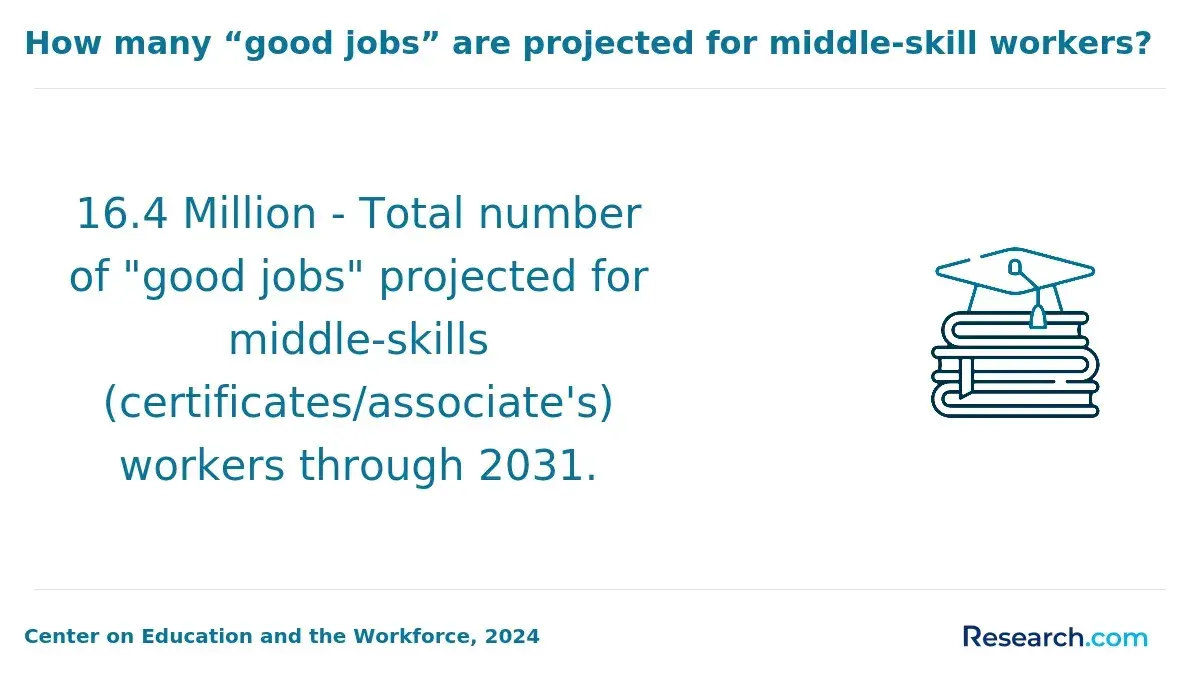
Career changers pursuing political science degrees for career changers in public service must recognize that a bachelor's degree in political science, public administration, or a related social science remains the baseline credential for most entry-level government and nonprofit roles. Employers prioritize comprehensive critical thinking and research skills developed through full undergraduate programs rather than certificates alone.
Certificates in political communication or public policy can supplement but not replace a degree. For example, a communications professional moving into public affairs may benefit from a certificate in public policy analysis, yet employer preference strongly favors candidates with a degree for demonstrated analytical and writing capabilities.
Advancing into strategic roles demands master's credentials such as a Master of Public Administration (MPA) or Master of Political Science, reflecting the emphasis on leadership, applied research, and regulatory knowledge. Public affairs specialists in Canada, for instance, earn CA$84,285 annually on average, illustrating how graduate education correlates with higher compensation and greater responsibility.
These elevated expectations come with tradeoffs: the significant time, cost, and opportunity expenses of graduate education require consideration of employer tuition assistance, online alternatives, and prior learning credits.
Practical experience often mitigates but does not fully substitute formal degrees in competitive fields. Professional certificates best function as targeted supplements to refine skills in areas like data analysis, government relations, or campaign strategy-useful for short-term role recalibration or for career pivots within defined public-sector functions like budgeting or compliance.
Working professionals evaluating the path should also research options such as the online MLIS to compare cost-effective advanced learning formats that blend flexibility with credential value, balancing immediate employability against longer-term career impact.
Which political science jobs in government and nonprofits are most accessible without prior policy work?
Entry points into political science entry level government jobs or nonprofit careers for political science graduates without experience often emphasize operational competence and stakeholder engagement over direct policy expertise.
Community service managers in nonprofit advocacy represent a prime example, requiring skills in organization and communication more than policy development, with an average salary around $63,637 annually. These roles function as practical gateways for candidates transitioning from unrelated fields, leveraging social service or administrative backgrounds rather than prior policy work.
Legislative assistants and program coordinators similarly offer opportunities accessible through internships or academic familiarity with legislative and community processes rather than direct policy experience.
Employers assess transferable skills such as project management, data analysis, and coalition building, often expecting a 6 to 12-month period to develop substantive policy fluency on the job before advancement can be realistically considered.
Networking within government and nonprofit sectors is critical, given a preference for internal referrals over open-market hires. Certifications in nonprofit management or public administration can materially shorten the adjustment period and strengthen candidacy in these positions.
Understanding these dynamics is essential for those pursuing political science entry level government jobs or nonprofit careers for political science graduates without experience.
For practical insight on cost-effective educational pathways that complement career pivots, consider programs ranked for affordability, such as an affordable data science degree, to bolster analytical competitiveness in policy-adjacent roles.
How do online political science programs compare with campus options for aspiring public servants?
Choosing between online and campus political science programs hinges on tangible workforce alignment and skill acquisition nuances. Campus programs provide structured, direct pathways to critical internships and mentorships, which are often mandatory for mid-level public policy roles.
For example, professionals pivoting from private sectors gain significant advantage through campus-facilitated placements in government agencies, supporting smoother transitions and employer-valued interpersonal skills.
By contrast, online programs primarily offer flexibility and accessibility, essential for students juggling work or family commitments. This modality demands heightened self-discipline and proactive networking efforts, as virtual interactions rarely replicate the depth of in-person engagement. Consequently, online learners must independently cultivate local connections or participate in external opportunities to compensate for less immersive experiences.
Employers seek demonstrable real-world involvement, favoring candidates with direct exposure to public-service environments through simulations, community projects, or collaborative cohorts typically found on campus. While online degrees equip foundational knowledge, they may delay development of nuanced soft skills crucial for roles such as program directors, who earn around $65,216 annually in the U.S.
Decision-makers should weigh these factors:
- Campus programs streamline employer alignment through embedded community and internship experiences.
- Online programs broaden access but require additional effort to achieve comparable professional readiness.
- Career changers must consider time investment and self-directed networking as tradeoffs influencing their trajectory and role-readiness.
What should career changers look for in an accredited political science or public policy program?
Career changers targeting policy research assistant roles must focus on accredited political science or public policy programs that demonstrate strong links with employers, reflected in measurable graduate placement rates within government or policy organizations.
Programs offering internships or applied research directly connected to public-sector agencies and think tanks provide practical networking advantages that are essential for breaking into this competitive labor market.
Given the U.S. average salary for policy research assistants is around $59,922 annually, analytical rigor and quantitative skills are decisive factors for entry and growth. Coursework should include statistics, econometrics, GIS data visualization, and proficiency with data analysis software to avoid limiting graduates to lower-tier or administrative positions.
Flexibility matters for professionals balancing work and study, so programs with part-time, asynchronous, or accelerated options-typically around 12 to 18 months-offer realistic pathways without diluting curricular depth. Faculty expertise with recent policy consulting experience enhances mentorship and career relevance beyond theory-focused programs.
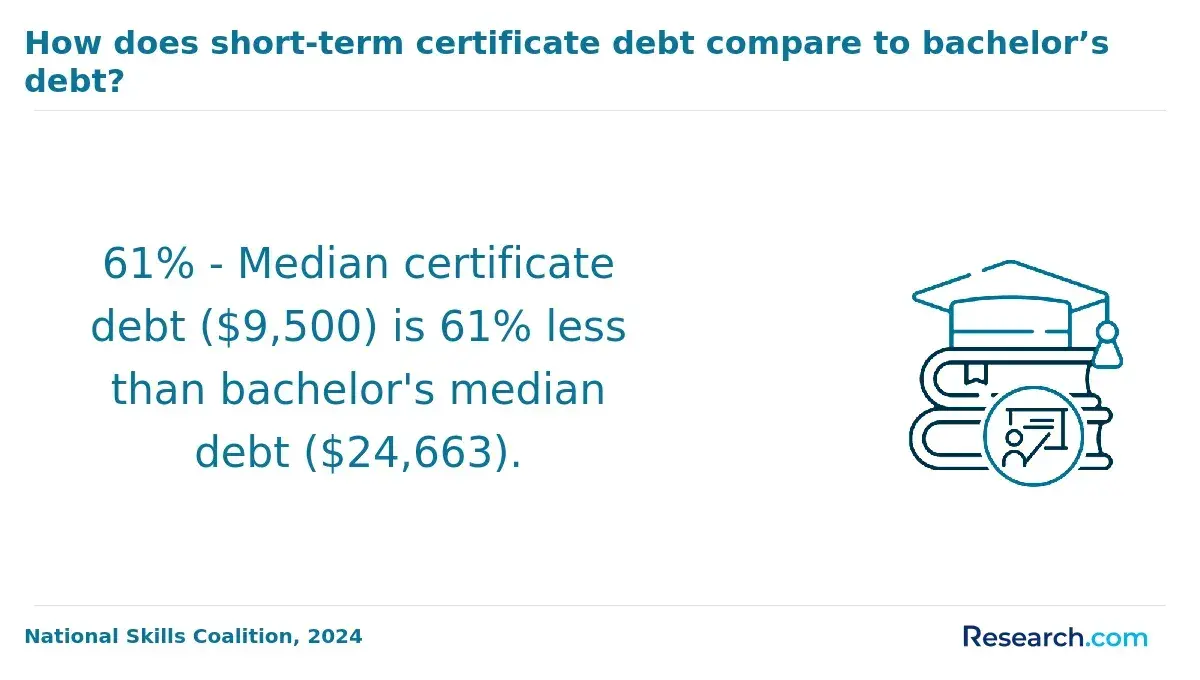
Verification of accreditation by recognized regional agencies is non-negotiable for credential acceptance in government hiring. Career changers must also weigh transparent program data on average graduate debt and completion time, balancing the strength of employment pipelines against potential financial and temporal costs.
- Prioritize programs with strong employer integration, including internships tied to government and nonprofits.
- Seek comprehensive quantitative training to meet market salary benchmarks and advancement criteria.
- Balance program flexibility with depth to align with full-time professional obligations.
- Confirm accreditation status and assess graduate debt to optimize long-term net career benefit.
Which foundational political science courses best prepare adults for public-service careers?
Success in public-service careers depends heavily on mastering core courses in American government, public policy analysis, and research methods. These foundational subjects provide a nuanced grasp of institutional structures and develop analytical skills essential for managing bureaucratic and legislative environments.
For example, a mid-career professional pursuing a government affairs manager position-earning around CA$72,778 annually in Canada according to Indeed 2024-must demonstrate fluency in domestic policy and regulatory frameworks to liaise effectively between corporate and public sectors.
Public policy analysis offers practical tools to assess policies and propose actionable improvements, a necessity for roles such as policy advisors. Research methods instill competencies in data collection and interpretation, enabling evidence-based decision-making increasingly demanded by employers.
Tradeoffs arise when choosing between short-term certificates and comprehensive degrees. Certificates accelerate entry but often limit upward mobility by providing less policy depth. Graduate-level public administration or political science with a quantitative focus can deepen expertise but assume prior foundational knowledge.
Specialized courses like comparative politics and international relations add perspective but cannot replace core domestic knowledge for U.S.-centered public-service roles.
Adults pivoting into this field should verify that programs include hands-on case studies and simulations mirroring real-world challenges, especially in data methods. Electives in budgeting and ethics further sharpen skills key to fiscal responsibility and professional integrity.
What are the typical salaries and benefits for early political science roles in public service?
Starting salaries in political science-related public service vary significantly with job function, location, and sector, usually ranging from $45,000 to $65,000 annually for entry-level roles. Positions such as policy analysts or legislative assistants in local governments or non-profits tend to be on the lower end due to tighter budgets, while federal jobs often begin above $60,000, especially if candidates bring relevant internships or experience.
Legal careers within this field command markedly higher pay: policy lawyers average $96,323 per year in the U.S., reflecting the premium of specialized legal expertise combined with political science knowledge. These professionals often provide regulatory advice or draft legislation, requiring credentials like a JD, which affect employability and compensation.
Benefits packages vary widely, with federal roles generally offering stronger retirement contributions (5%-7% match), comprehensive health insurance, and sometimes student loan assistance. Municipal jobs may prioritize community engagement perks but provide lower retirement benefits, so candidates must weigh these tradeoffs carefully.
For individuals shifting careers, practical considerations include the cost of living-such as higher housing expenses in Washington, D.C., which can offset federal salary advantages-and the local market's salary structure. Developing advanced skills in data analytics or policy evaluation facilitates faster advancement and supervisory opportunities within 3-5 years.
What is the job outlook for political science graduates entering government and public-service work?
Political science graduates targeting government roles face a competitive landscape where practical skills can outweigh general academic credentials.
For entry-level positions in local government, employers prioritize policy analysis and communication, while federal agencies expect deeper expertise in legislative procedures or data analytics. Absence of relevant internships or certifications frequently relegates candidates to less secure contract or fellowship roles before advancing.
Career changers without direct public-sector experience must often accept initial pay compromises and invest in acquiring concrete skills such as grant writing, regulatory compliance, and quantitative policy evaluation. Employers value demonstrated impact in community or policy projects, making real-world application critical beyond classroom theory.
The steady but nuanced growth in public-service employment includes roles like public health advisers, who earn an average of $62,802 annually in the U.S., tying compensation tightly to sector-specific knowledge areas such as international development or global governance.
Applicants should weigh geographic flexibility and sector-specific hiring cycles-especially in environmental policy or social justice advocacy fields with volatile funding-when planning job search strategies. Credentials aligned with federal or state standards remain a decisive factor in hiring, underscoring ongoing credentialing investment as a practical necessity.
How can career changers build experience and networks while preparing for political science roles?
Switching into political science demands more than academic knowledge; success hinges on acquiring hands-on experience that aligns with employer expectations.
Targeted roles such as legislative aide positions or internships within government offices provide essential exposure to policy development and stakeholder dynamics, accelerating skill sets beyond theory. In practical terms, a portfolio reflecting tangible results-like policy briefs or impact analyses-carries more weight than credentials alone.
Building meaningful professional networks involves active participation in policy-focused associations and forums that often reveal positions or consultancy opportunities not found through typical job boards.
Prioritizing connections with experienced analysts in specialized fields-such as healthcare or environmental policy-can open niche career doors. While digital platforms supplement outreach efforts, face-to-face engagement remains vital for establishing trust and credibility.
Balancing part-time roles or contract work with targeted certification in quantitative tools like R, Stata, or GIS enhances market readiness and credibility. This hands-on skill development often determines employer confidence more than academic degrees.
According to Indeed 2024 data, policy analysts earn roughly $72,941 annually in the U.S., highlighting the potential for upward mobility in public-service analytical roles. However, candidates should assess career paths within government agencies or think tanks, where advancement trajectories vary considerably and practical experience yields the greatest returns.
Other Things You Should Know About Political Science
The most common federal entry points are the 0301 Miscellaneous Administration and Program series, the 0343 Management and Program Analyst series, and sometimes 0130 Foreign Affairs. These roles are listed on USAJOBS and usually require a bachelor’s degree, with preference for policy, research, writing, or data skills.
Career changers benefit from focusing on specialized areas with clear applications, such as policy analysis, public administration, or campaign strategy, rather than broad theory. Employers typically seek candidates who bring targeted skills relevant to their immediate needs. Prioritizing specialization improves job prospects and equips entrants with measurable competencies valued by agencies and nonprofits.
A master's degree deepens analytical and theoretical understanding but prolongs time out of the workforce and incurs significant costs. Direct public-service experience accelerates practical skills acquisition and expands networks, often preferred by hiring managers for entry roles. Career changers should weigh financial resources and long-term career goals; practical experience is recommended when budget or time is limited, while a master's is better for roles requiring advanced knowledge.
Entry-level positions in government provide formal structures for promotion but often require navigating bureaucratic timelines and political considerations. Advancement depends on consistently delivering results, building interdepartmental relationships, and sometimes supplementing skills with further education or certifications. Career changers should assess agency culture and advancement policies before committing, favoring employers with transparent and performance-based progression tracks.
References
- Discover Career Paths With Bachelor's Degree In Public Policy https://online.mountsaintvincent.edu/degrees/undergraduate/bachelor-public-policy/rewarding-careers/
- Online Bachelor's Degree: Political Science https://www.umgc.edu/online-degrees/bachelors/political-science
- What Can You Do With a Political Science Degree | PathWise https://pathwise.io/what-can-you-do-with-a-political-science-degree/
- Political Science Degree Jobs: 12+ Career Paths (2026) | Extern https://www.extern.com/post/political-science-degree-jobs-career-guide
- Choose a Career in Political Science to Make a Difference - International Career Institute Australia https://ici.net.au/blog/choose-a-career-in-political-science-to-make-a-difference/
- Public Policy Careers: 2023 Guide to Career Paths, Options & Salary https://www.beyondberea.org/blog/2023/03/22/public-policy-careers-2023-guide-to-career-paths-options-salary/
- Political Careers | NWU https://www.nebrwesleyan.edu/academics/majors-and-minors/political-science/political-careers
- 15 early career jobs that map well to political science majors https://students.inroads.org/blog/2025/04/02/15-early-career-jobs-that-map-well-to-political-science-majors/
- Examining Career Paths for Political Science Majors | Houston Christian University https://hc.edu/articles/examining-career-paths-for-political-science-majors/