2027 Best Online Political Science Degrees for Public Affairs Careers

Co-Founder and Chief Data Scientist
Securing a public affairs role today demands more than theoretical knowledge; professionals must navigate a competitive labor market shaped by shifting employer priorities and evolving public sector challenges. With 48% of adult learners in the U. S. pursuing online education according to the National Center for Education Statistics, flexibility now drives enrollment decisions, particularly for those balancing work and family obligations.
Candidates face critical timing constraints: delayed credential completion can limit timely career advancement, while rigid schedules restrict access to specialized programs that align with real-world policy demands. This article evaluates the top online political science degrees designed to optimize career mobility and practical skill acquisition in public affairs.
Key Things You Should Know
- Graduation timing influences ROI sharply; average completion times for online political science degrees vary 25%-40% more than in-person, increasing opportunity costs amid a 12% federal hiring growth forecast for public affairs roles through 2030.
- Employers prioritize internships and applied policy experience over GPA, showing 68% of U.S. public sector recruiters favor candidates with direct policy analysis or advocacy projects documented in program portfolios.
- Tuition rates for accredited programs fluctuate widely, with median online costs at $320 per credit compared to $450 in-person, but lower cost programs often lack access to critical career services, impacting post-grad placement.
What are the best online political science degrees for public affairs careers?
Selecting the best online political science degrees for public affairs roles necessitates balancing theoretical rigor with applied, data-driven skills. Graduates who master statistics and econometrics hold significant advantages when interpreting policy in federal agencies or think tanks. For many employers, demonstrated familiarity with government operations, law, and communication supersedes purely academic knowledge, emphasizing the importance of real-world exposure.
Top accredited political science programs for public affairs careers typically integrate public administration courses and require or encourage internships, enhancing their graduates' marketability. However, pursuing fully online degrees may restrict access to essential networking and local internship opportunities crucial for public affairs, which hinge on professional relationships.
Practical tradeoffs include:
- Programs with hybrid formats offering local internships lead to stronger experiential learning and employer recognition.
- Degrees that mandate prior government or nonprofit experience can fast-track advancement but limit accessibility for professionals pivoting into the field.
- Scheduling flexibility and faculty expertise in governance remain vital for working professionals balancing education and career obligations.
Employment outlook remains positive, with a 7% job growth projection and about 600 openings annually, yet graduates lacking skills aligned with evolving policy areas are less competitive. Those evaluating this path should aim for programs balancing core political science theory with applied public affairs training and quantitative methods to sustain long-term career viability. For career changers assessing their options, understanding the nuances between programs is as important as degree completion.
For insights on related career pathways combining environmental considerations, see jobs with elementary education and environmental science degree.
How do online and campus political science degrees compare?
The key distinction in the online political science degree vs campus program benefits lies in networking and experiential learning rather than core curriculum differences. Campus programs provide in-person debates, real-time collaboration, and internships embedded in local government settings-advantages aligned with careers demanding direct stakeholder engagement and fieldwork. Conversely, online degrees offer scheduling flexibility and access to a geographically diverse faculty and student body, suiting working professionals balancing job or family responsibilities.
Employers prioritize tangible skills and relevant experience, which means campus alumni networks often facilitate easier entry into high-impact public affairs roles. Students pursuing political science degrees online must be deliberate in securing remote internships and networking, often extending program duration to fit part-time study.
Consider a mid-career analyst targeting government advisory positions: a campus program's face-to-face mentorship and embedded internships can provide critical leverage. In contrast, a policy consultant enhancing credentials without interrupting full-time work might benefit more from an asynchronous, accredited online program. These differences highlight practical tradeoffs when weighing the differences between online and traditional political science degrees.
Salary data from the U.S. Bureau of Labor Statistics confirms a median annual wage of $132,350 for political scientists, with top earners exceeding $183,250. Degrees with strong specialization and applied experience ultimately matter more for long-term career mobility than degree format alone.
Prospective students should prioritize how well programs support experiential learning aligned with career goals and their ability to cultivate professional connections remotely or locally without sacrificing subject mastery. For those also considering educational paths in related fields, exploring options like a nutrition degree online might offer complementary perspectives on flexible, accredited online learning.
Is political science program accreditation important for public affairs jobs?
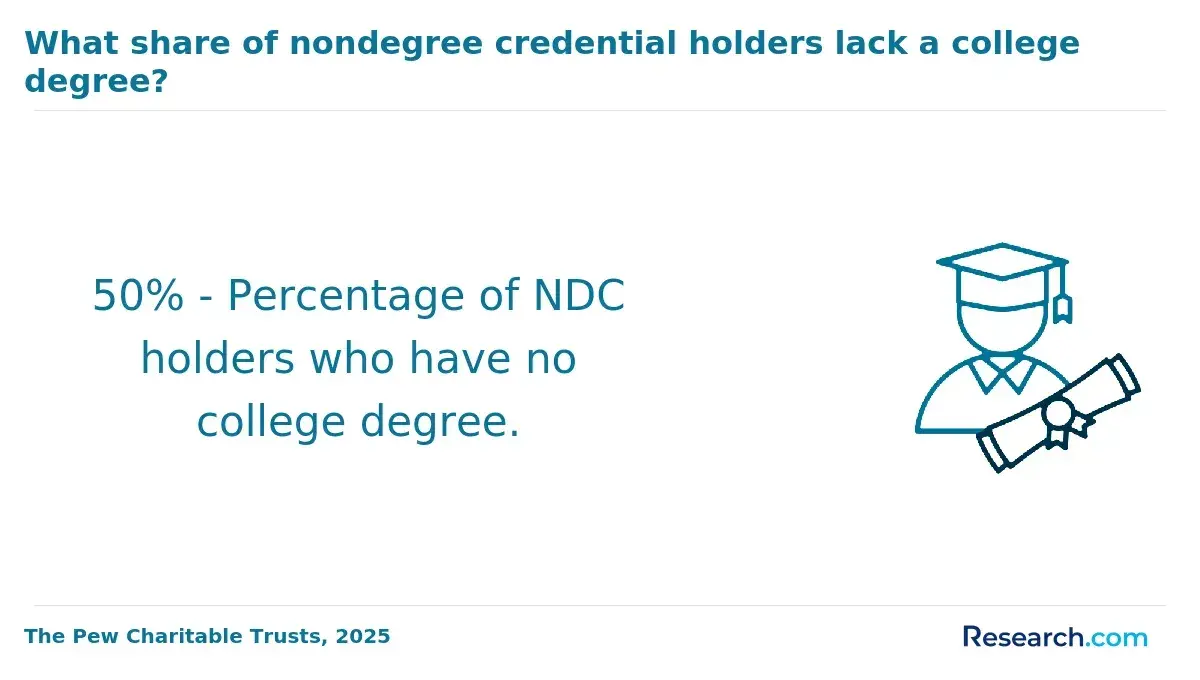
Employers in public affairs frequently require degrees from regionally accredited political science programs as a baseline for candidate evaluation. This expectation is not merely about perceived quality but directly impacts job eligibility, especially in federal agencies where accredited political science degrees for public affairs careers are mandatory. Without recognized accreditation, graduates face barriers such as exclusion from federal internships, fellowships, and certifications essential to professional advancement.
For instance, advocacy organizations prioritizing candidates with rigorous policy analysis and communications training often prefer those from accredited programs, reflecting workforce demand growth projected at 12% through 2032. Accreditation confirms competencies in strategic communications and ethical governance-skills nonaccredited programs may inadequately develop.
Choosing a program without accreditation can reduce upfront costs or offer flexible scheduling but risks long-term setbacks, including the need for additional certifications or repeating coursework when shifting employers or pursuing graduate studies. It also restricts access to alumni networks and professional connections critical in competitive public affairs job markets.
A professional transitioning into public affairs must weigh short-term convenience against the universal recognition of credentials by public and private employers. Accreditation influences eligibility, promotion potential, and cross-sector mobility more than many anticipate.
Those exploring related advanced degrees might also consider affordability and format options, such as the widely examined masters of library science, understanding that accredited program status shapes market value and employability.
What courses are in an online political science degree?
Courses included in an online political science degree emphasize foundational knowledge alongside applied skills essential for varied public affairs roles. Core subjects in political science online programs typically cover Comparative Politics, Public Policy, International Relations, Political Theory, and Quantitative Methods, reflecting employer demand for evidence-based decision-making competencies. Yet, students must weigh specialization choices carefully: for example, policy analysts within federal agencies require rigorous training in econometrics and legislative processes, while nonprofit advocacy roles prioritize understanding of political behavior and grassroots mobilization.
The degree length generally spans 30 to 36 credits, with tuition ranging approximately from $384 to $565 per credit. This translates to around $11,500 to $20,000 in total tuition expenses, a critical consideration for working professionals balancing cost and return on investment. The modular online format demands disciplined time management to integrate complex coursework without in-person support, potentially extending completion time if underestimated.
Graduates are expected to master both hard skills, like statistical software proficiency, and soft skills, such as communication and critical thinking, aligning education outcomes with labor market requirements. Neglecting this alignment risks accumulating coursework that may delay entry or advancement in government, think tanks, or advocacy sectors.
For students assessing the broader landscape of political and legal educational pathways, it can be insightful to compare this route with, for instance, a paralegal degree, noting differences in curriculum focus, career trajectories, and employer expectations.
What admission requirements do online political science programs usually have?
Admission to online political science programs reflects a balance between academic benchmarks and real-world capacities. Bachelor's programs generally require at least a high school diploma, a cumulative GPA around 2.5 to 3.0, and sometimes standardized test scores unless prior college credits or relevant experience exempt applicants. Graduate admissions raise the bar to a competitive undergraduate GPA near 3.0, supplemented by letters of recommendation, personal statements, and occasionally GRE results.
Practical experience often weighs heavily, particularly for those targeting public affairs or policy roles. Candidates with substantive work in local government or nonprofits can offset weaker test scores through detailed resumes and strong recommendations. Programs seek applicants who clearly articulate career objectives, frequently via a statement of purpose, especially mid-career professionals aiming to leverage their expertise.
Technological readiness and self-management skills matter significantly in an online format. Applicants unable to demonstrate proficiency with virtual platforms or time management risk admission denial or struggle during coursework. This dynamic creates an additional non-academic threshold, distinguishing successful online learners from those suited to traditional settings.
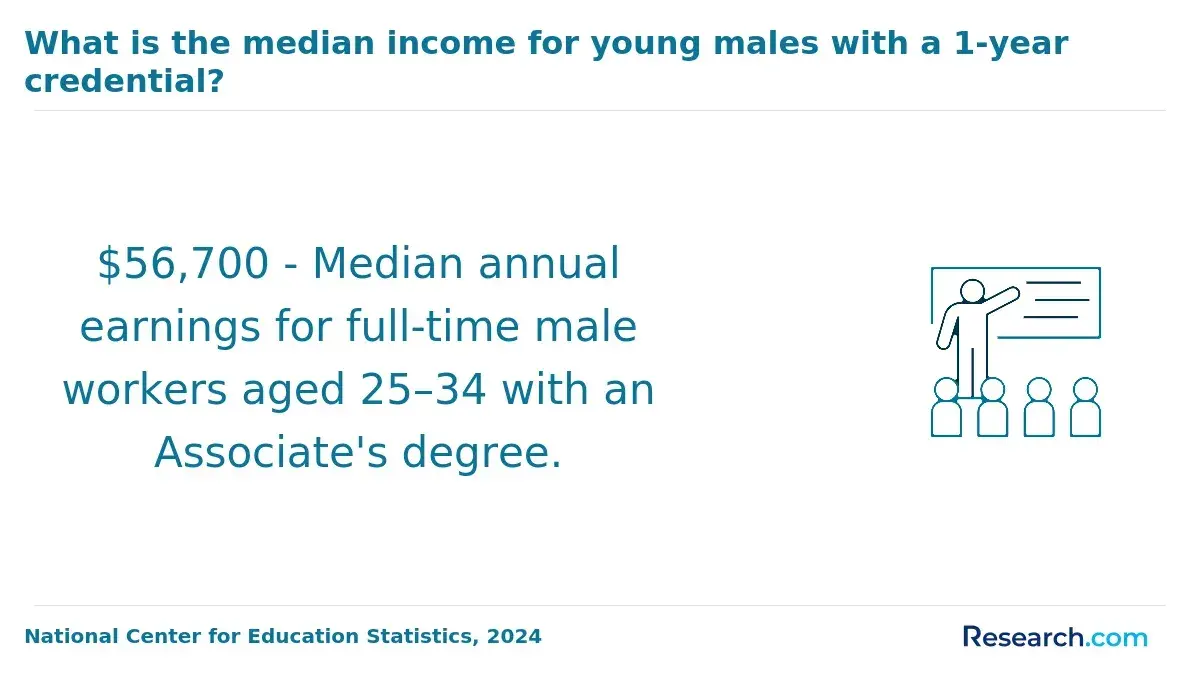
Employers generally expect a blend of analytical skills and practical problem-solving rather than pure academic achievement. Georgetown University's Center on Education and the Workforce places mid-career median earnings for political science majors at about $64,000-substantially higher than the average for humanities majors-indicating a selective alignment between program admissions and labor market outcomes.
How long does an online political science degree take to finish?
Completing an online political science degree typically spans 3 to 4 years full-time, matching on-campus timelines but varying significantly based on individual pacing. Part-time learners, often balancing work or family, may extend their studies to 5 or 6 years, while accelerated programs condense this to 2 or 3 years-although these compressed formats demand intense course loads that limit outside commitments.
These pacing choices directly influence employability timing and practical readiness. For example, a policy analyst targeting a state government role must consider whether extending study for flexibility delays entry into a competitive job market. Conversely, rushing through coursework can reduce time for vital internships and networking opportunities essential in public affairs.
The expansion of online offerings-which Educations.com reports at 69 North American distance political science programs in 2025, a 44% increase since 2022-expands options but complicates quality and outcome assessments. Employers increasingly seek candidates who combine academic credentials with demonstrated skills, making program rigor and experiential components crucial decision factors.
Asynchronous formats allow customization of study intensity, but students should factor in credit requirements, transfer policies, internship access, and personal obligations to set realistic graduation targets aligned with career goals rather than arbitrary deadlines.
How much do online political science degrees cost?
Choosing an online political science degree requires balancing cost per credit against total program length and career timing. Eastern Oregon University's online bachelor's charges $338 per credit hour, totaling roughly $60,840 for 180 credits-typical of public institutions in 2026 who price between $300 and $450 per credit. This tuition excludes ancillary expenses like fees or materials, which can increase costs by 10-20%.
For working professionals, managing debt load is critical, especially given public sector salaries often lag behind private counterparts. Employers prioritize completed degrees and demonstrable skills over pedigree, but the burden of multi-year repayment can limit early career choices and mobility.
Key considerations include:
- Credit transfer policies or accelerated options that reduce total credits, thereby cutting expenses.
- Program structure that aligns with faster workforce entry, offsetting higher per-credit fees.
- Availability of financial aid, employer tuition assistance, and flexible payment plans that diminish net costs.
Ultimately, weighing hourly tuition against program duration and realistic career outcomes provides better strategic insight than focusing solely on institutional reputation or sticker price. Efficient credit management and early employment opportunities can ease financial strain while supporting a practical transition into public affairs roles.
What public affairs jobs can you get with a political science degree?
The practical value of a political science degree hinges on advanced qualifications and relevant experience, especially for roles requiring analytical precision and strategic oversight. Entry-level positions like campaign staff or research assistants offer limited upward mobility without graduate education. For instance, moving from a local government analyst to a federal agency role generally demands both a master's degree and demonstrable expertise in policy or regulatory environments.
Employers in government agencies, think tanks, and advocacy groups increasingly expect candidates to navigate complex regulatory frameworks and deliver clear communication to diverse stakeholders. Specialized coursework in policy, administration, or law enhances employability for these roles, aligning candidate capabilities with sector-specific demands.
Tradeoffs include the financial and time investment of graduate school balanced against long-term access to senior positions, higher salaries, and job security. Without a master's degree, research shows that more than half of employed political scientists hold this credential, reinforcing its importance in the labor market. Practical experience such as internships or fellowships bridges academic learning with real-world requirements and often differentiates applicants in competitive hiring.
- Advanced degrees open opportunities in federal agencies and policy analysis roles
- Specialized skills are vital for communicating and managing public affairs
- Graduate education typically correlates with improved salary and job stability
What salaries can political science graduates expect in public affairs?
Early-career salaries for political science graduates entering public affairs reflect tangible operational differences between government levels and sectors. Federal roles generally start between $58,000 and $65,000, dictated by standardized pay scales such as those detailed by the U.S. Office of Personnel Management for entry-level analysts and policy advisors. By contrast, state and local government positions tend to offer between $48,000 and $55,000, constrained by regional budgets and cost-of-living variations.
Nearly half of political science graduates from institutions like American University's School of Public Affairs land public service roles within months of graduation. These jobs trade slower salary growth for stability and comprehensive benefits, which should factor into long-term career decisions. Graduates targeting NGOs or advocacy groups must contend with lower starting salaries-often $40,000 to $55,000-balanced against networking and sector-specific experience.
Practical skills such as data analysis and policy writing directly affect employability and salary trajectories. Specialized positions-legislative aides, urban planners, public relations officers-may surpass $70,000 after several years, particularly with internships or advanced degrees. Security clearances and federal screening processes can delay onboarding, making state or local government roles more accessible but with tradeoffs in wage growth pace.
- Federal entry-level salary range: $58,000-$65,000
- State/local government starting salaries: $48,000-$55,000
- NGO/advocacy roles initial pay: $40,000-$55,000
- Advanced roles with experience: $70,000 plus
How do you choose a reputable online political science program?
A critical factor in selecting an online political science program is its capacity to equip students with quantitative research and data-analysis skills demanded by more than 60% of policy and advocacy roles, per the American Political Science Association. Programs focused predominantly on theory without substantial training in statistics, data management, and applied policy analysis risk leaving graduates underprepared for these workforce requirements.
Accreditation by recognized regional bodies is a non-negotiable baseline, ensuring academic rigor that employers recognize. Beyond this, the curriculum must include targeted instruction in quantitative methods and statistical software paired with communication skills tailored to translating data into actionable policy insights.
Practical preparation varies substantially by career goal: government roles often require direct experience with real datasets through capstone projects that simulate bureaucratic decision-making, while advocacy careers demand clear communication of complex data to diverse audiences alongside analytical depth.
When evaluating programs, students should also assess faculty expertise in quantitative political science research and a program's connections to public affairs organizations that facilitate internships and professional networking. Transparent reporting of graduate employment outcomes and skill acquisition metrics is a valuable indicator of program relevance.
Operational factors such as flexible course schedules, availability of live interaction, and technology platforms supporting collaborative data analysis significantly influence accessibility and effectiveness, especially for working adults balancing education with employment.
Other Things You Should Know About Political Science
While online degrees are widely accepted, employers differentiate based on program rigor and reputation rather than delivery mode alone. Programs that mirror traditional curricula, offer synchronous interaction, and integrate practical components tend to carry more weight. Applicants should choose online degrees from institutions with demonstrably strong outcomes and actively seek internships or experiential learning to offset concerns about online instruction.
Online political science degrees require disciplined time management due to asynchronous readings, writing-intensive assignments, and frequent research projects. Working professionals should expect significant weekly hours outside scheduled lectures, particularly for upper-division classes with case studies and data analysis. Choosing programs with flexible deadlines or modular formats can reduce stress, but all demand a consistent effort beyond video lectures.
Political science provides foundational knowledge but often lacks practical skills employers prioritize, such as data analysis, policy writing, or stakeholder engagement. Graduates must supplement their degree with relevant internships, certifications in research tools, or communication training to gain a competitive edge. For advancement, prioritize programs offering integrated skill-building opportunities or partnerships with public affairs organizations.
References
- Program Certification & Accreditation https://www.commissionpred.org/the-professional-bond/program-certification-accreditation/
- Online Political Science Degrees: Find Your School https://www.degreesforgood.org/online-degrees/political-science-degrees/
- Jobs https://pac.org/jobs
- Political Careers | Masters of Public Administration https://www.mastersofpublicadministration.org/careers/politics
- Top Career Paths for Public Affairs and Political Science Majors - MaKami College https://makamicollege.com/news/top-career-paths-for-public-affairs-and-political-science-majors/
- Online Political Science Degree | Programs & Career Options https://www.learnhowtobecome.org/best-online-bachelors-in-political-science-degree-programs/
- Political Science Degree Jobs: 12+ Career Paths (2026) | Extern https://www.extern.com/post/political-science-degree-jobs-career-guide
- How to work in public affairs? - HEIP https://www.heip.fr/en/school/faqs/how-to-work-in-public-affairs/
- 2025's Best Online Master’s Programs in Political Science https://www.onlinemastersdegrees.org/best-programs/political-science/
- Online Political Science Degrees https://mycollegeguide.org/online-political-science-degrees/