
2026 Online Library and Information Science Degrees With the Best Support for Out-of-State Students

Co-Founder and Chief Data Scientist
For many aspiring library and information science professionals, selecting an online program that accommodates out-of-state enrollment without compromising access to essential support services presents a persistent barrier. According to the National Center for Education Statistics, remote enrollments surged by over 40% in recent years, yet fewer than half of these programs provide tailored advising or career resources for nonresident students. This mismatch often delays degree completion and limits postgraduation employment mobility, underscoring a critical gap in strategic decision-making for those balancing relocation constraints or current employment. This article evaluates online library and information science degrees that offer the strongest support frameworks to help out-of-state students navigate these complexities effectively.
Key Things You Should Know
- Online library & information science programs charging out-of-state fees often lead to average tuition premiums of 30-50%, restricting access and forcing prospective students to weigh immediate financial strain against long-term credential value, per National Center for Education Statistics 2024 data.
- Strong employer preference in digital archives and data curation roles favors graduates from programs with established practicum partnerships, limiting out-of-state students' career mobility if local fieldwork access is constrained, according to a 2024 Digital Library Federation workforce survey.
- Programs averaging 24-30 months of completion pose timing tradeoffs: longer durations reduce upfront cost burdens but delay workforce reentry, critical in evolving library & information science sectors where rapid tech skill adaptation drives hiring, per BLS 2024 employment trend analyses.
What is an online library and information science degree, and who is it best for?
Online library and information science degree programs for out-of-state students present a pragmatic choice for those balancing professional responsibilities with the need for specialized expertise. These programs eliminate geographic barriers and accommodate varied time zones, yet prospective students must weigh differences in state licensing or certification that may restrict certain roles post-graduation.
Graduates often become librarians, media collections specialists, or information managers, positions requiring adeptness in metadata standards and digital archives. For instance, a public librarian in a rural area can use an online degree to enhance proficiency in digital platforms critical to community engagement, expanding both service impact and promotional opportunities.
The American Library Association's data shows a median librarian salary of $64,310 and a modest 3% job growth projection over the next decade, indicating steady but competitive demand. Candidates benefit from programs emphasizing practical skills via practicum placements and partnerships with local institutions to improve employability. Selecting from credible programs-including those listed among ALA accredited MLIS programs-is essential for accessing industry-standard curricula.
Additional considerations for distance learners include ensuring access to virtual mentorship and career services. Benefits of earning a distance library and information science degree include maintaining current employment while acquiring credentials that align with evolving technological needs in the field.
How do online library and information science programs compare to campus-based programs?
Online library and information science programs often present a strategic cost advantage for out-of-state students compared to campus-based options, but this comes with nuanced tradeoffs that affect professional preparation. For instance, out-of-state tuition for online MLIS programs typically ranges from $19,200 to $35,000 total, while many public campus programs charge nonresidents over three times their in-state rates, pushing overall costs beyond $40,000 or $50,000. These pricing differences can be pivotal for candidates balancing financial constraints against career goals, particularly when factoring in savings on relocation, commuting, and housing.
However, online formats reduce spontaneous networking and mentorship opportunities, complicating relationship-building critical for library and information science careers. For students who prioritize public sector or local institutional roles, in-state campus programs may better align with support services for out-of-state library and information science students through established internships and regional connections. Conversely, online study suits working professionals or those distant from top-ranked institutions by offering asynchronous coursework and a broader selection of electives, yet demands strong self-motivation and digital communication skills.
Choosing between online and campus programs requires weighing expected career settings, access to localized job pipelines, and the ability to engage in virtual networking. Those examining the financial implications of online study can also consider options like the online animal science bachelor degree as a reference point for cost structures in digital education.
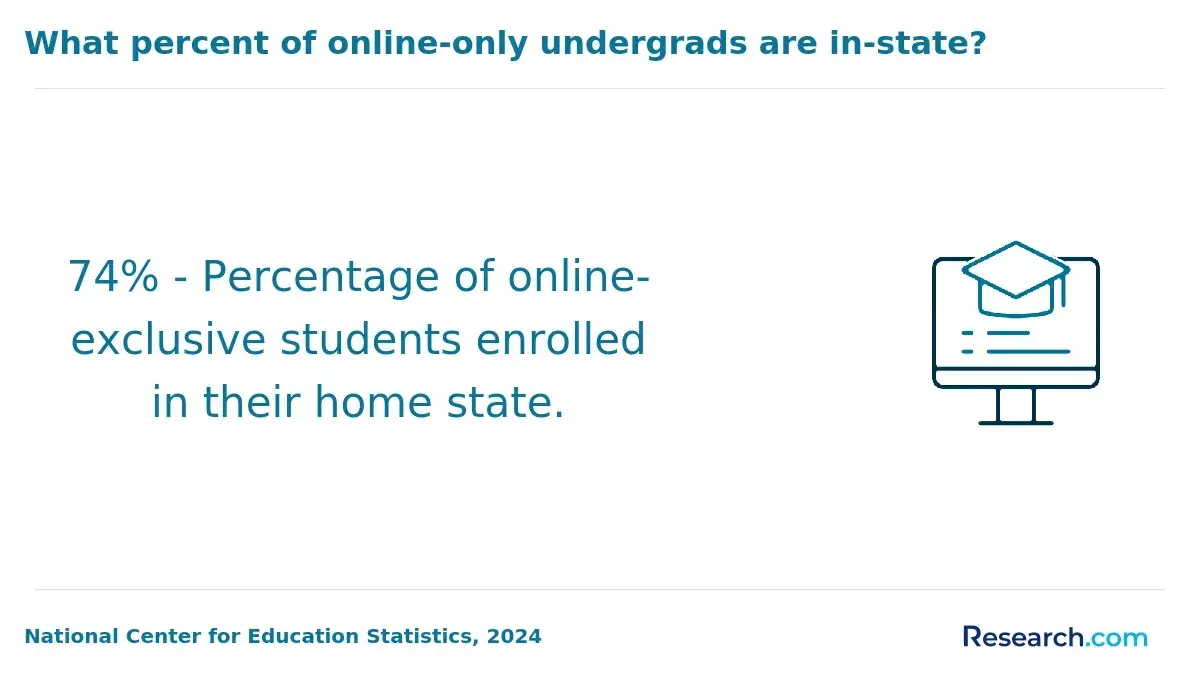
How can out-of-state students find online LIS programs with in-state or flat-rate tuition?
Choosing online library and information science programs with flat tuition can critically reduce financial barriers for out-of-state students, bypassing the 20-40% surcharge typically imposed. For instance, the University of Kentucky's online MLIS charges a uniform $27,108 regardless of residency, a key consideration if your goal is a strategic pivot into roles such as healthcare information specialists. These tuition models help offset relocation or licensing costs that often inflate the total investment in certification.
Prioritize programs that explicitly offer flat-rate tuition or have in-state tuition reciprocity agreements to stabilize budgeting. Important factors to examine include:
- Whether nonresident surcharges apply or are waived
- Additional mandatory fees that can affect out-of-state students disproportionately
- Regional tuition compacts or reciprocity arrangements
Employers typically emphasize accredited MLIS credentials coupled with field-specific practical experience over the institution's location. Therefore, selecting affordable, flexible programs with recognized outcomes is essential. For those exploring workforce transitions, identifying online library and information science programs with flat tuition removes a significant financial friction point, enabling a clearer evaluation of return on investment without inflated costs skewing decision-making.
Accessing reliable data on tuition policies requires leveraging both official university websites and third-party aggregators specializing in educational costs. For a focused comparison, see the analysis of health information management online degree options that illustrates similar affordability considerations in allied fields.
What accreditation should online library and information science degrees have in the United States?
The American Library Association (ALA) accreditation remains the critical credential distinguishing robust online library and information science programs in the United States. Graduates holding a Master of Library and Information Science (MLIS) degree without ALA accreditation commonly encounter restricted access to state certification and limited eligibility for librarian positions within public and academic systems. For example, an aspiring public librarian in states like California or New York will likely be disqualified from many entry-level and mid-career roles if their degree lacks recognized accreditation for US online library and information science degrees.
This requirement creates a practical boundary for students targeting traditional librarian tracks, while those pursuing roles in broader information management fields may experience somewhat more flexibility-though even here, accreditation enhances employment prospects significantly. Employers scrutinize curricula quality, looking for programs that provide hands-on exposure to cataloging, digital archiving, and evolving information technologies vital to workforce readiness.
Out-of-state students must verify accreditation aligns with their state's licensing mandates to avoid credentialing roadblocks. Additionally, confirming the accreditation status of specific online degree tracks is essential to safeguard educational investment and maximize earning potential, which recent analyses place between $63,000 and $80,000 annually.
For those exploring adjacent fields, pairing an MLIS with complementary knowledge areas can be advantageous; for instance, students might consider an online MS data science to expand their skill set and market value.
What student support services do top online LIS programs offer to out-of-state learners?
Out-of-state students pursuing online library and information science programs often encounter practical barriers that can affect degree completion and employability. Variations in state licensure requirements demand tailored academic advising to align coursework with certification standards outside the institution's base location. Without this alignment, graduates risk incurring costly delays in professional certification.
Cost differences between public and private MLIS programs are significant, with public options typically ranging from $18,000 to $25,000 in total tuition, substantially more affordable than the private average exceeding $40,000. This cost disparity influences strategic enrollment choices, especially since out-of-state students may lose in-state tuition benefits and additional fees often add up.
To offset geographic and networking challenges, top programs provide remote internships and partnerships with organizations nationwide, enabling students to meet hands-on experience requirements without relocation. Career services focusing on virtual job search skills, including digital professional branding and nationwide employer outreach, are critical given the increasing prevalence of remote or hybrid librarian roles.
Supporting asynchronous learners across time zones, robust technical support and access to digital research databases are necessary to maintain academic continuity and parity with on-campus peers. These factors collectively shape the practical viability of online MLIS pathways for candidates balancing relocation constraints, financial sensitivity, and evolving workforce demands.
What admissions requirements and application materials are typical for online LIS degrees?
Admission into online LIS degree programs involves navigating a segmented landscape shaped by accreditation, geographic restrictions, and program competitiveness. A bachelor's degree with a minimum GPA near 3.0 is standard, yet some programs allow lower GPAs if other academic or professional credentials compensate. Applicants must provide official transcripts, a targeted statement of purpose articulating career alignment with the program, and at least two letters of recommendation emphasizing relevant skills and work ethic. While GRE requirements are diminishing, some ALA-accredited programs maintain them as a filter for selective cohorts.
State-specific variables, exemplified by Michigan's market, present tangible tradeoffs. Only two ALA-accredited LIS programs exist there, with just one fully online option. Tuition ranges roughly from $30,000 to $60,000, a significant financial and logistical commitment for out-of-state candidates, especially where proof of residency or hybrid attendance may be mandated. This complexity influences application strategies and may limit access to more affordable or flexible pathways.
Professional relevance is often weighted heavily in admissions. Candidates with documented experience in information management, digital librarianship, or public service roles improve their prospects by stressing leadership and technical competency. Early cultivation of detailed recommendations and precise personal statements is essential given the constrained availability of slots in fully online, accredited programs. Applicants must weigh practical constraints against career aspirations, particularly when pursuing leadership or technology-intensive roles within this evolving sector.
How long do online LIS programs take, and what do they typically cost?
Decisions around library and information science master's programs hinge significantly on balancing time investment against career timing and financial outlay. Full-time study generally spans 1.5 to 2 years, requiring 36 to 48 credit hours, while part-time options extend beyond 3 years, offering flexibility but prolonging credential attainment and increasing cumulative costs. In practice, accelerated programs may clash with ongoing employment due to intensified course loads, whereas part-time tracks preserve income streams but delay entry into advanced roles.
Tuition fees remain a critical factor, varying widely by institution type and residency. Public universities charge roughly $400 to $800 per credit hour for out-of-state students, whereas private schools commonly surpass $1,000 per credit hour. This results in total tuition expenses between $15,000 and $40,000, excluding additional costs such as technology fees, textbooks, and travel for required residencies or practicums. For many working professionals, these hidden costs can substantially affect budget planning.
Employers increasingly expect candidates to demonstrate proficiency not only through credentials but also practical experience and technological adaptability, particularly as many accredited programs incorporate online formats and virtual student services. Fully online options have grown, reducing geographic barriers but necessitating reliable remote support. Students should weigh program transparency and remote infrastructure quality since these factors mitigate access obstacles, especially for out-of-state learners required to fulfill internships or practicums.
What core courses and specializations are included in online LIS degree curricula?
Core courses in online library and information science degrees are critical for developing specific operational competencies, not just theoretical knowledge. Mastery in information organization, metadata standards, and retrieval systems is essential for accurate data classification and access across evolving digital and physical environments. This foundation directly addresses employer demands for candidates who can navigate complex information infrastructures with minimal supervision.
Specialized tracks correspond to sector-specific job functions with distinct compliance or credentialing requirements. For instance, archives and records management specialists must understand regulatory preservation mandates applicable in government or nonprofit contexts. Conversely, school librarianship programs focus on education technology integration aligned with public certification criteria, impacting candidate eligibility in K-12 settings. Data curation caters to healthcare and research fields where strict privacy and large-dataset management competencies are prerequisites.
The financial accessibility of some ALA-accredited programs-charging under $16,000-offers a pragmatic option for professionals pursuing reskilling or geographic flexibility. However, these cost efficiencies come with tradeoffs, particularly regarding practicum demands that depend on localized partnerships or employer cooperation, which can delay credential completion if not planned carefully.
Employers clearly favor graduates with hands-on metadata and digital archiving experience over purely theoretical preparation. Therefore, selecting a program with robust practicum or fieldwork support directly affects job market entry and career trajectory in libraries, museums, and knowledge management roles.
What careers can graduates of online LIS programs pursue, and in which settings?
Online library and information science (LIS) programs open pathways into varied roles, each demanding distinct expertise tied to specific environments. For instance, public librarians focus on community outreach and literacy initiatives, while digital curators manage complex digital assets typically within museums or academic settings. Such functional specializations shape graduate employability and professional growth.
The rapid expansion of fully online, ALA-accredited master's programs has expanded access for out-of-state students, enabling preparation for increasingly prevalent remote or hybrid LIS roles. Yet, physical dislocation can impede critical networking opportunities and limit access to in-person internships, especially in government or educational sectors. Candidates must therefore actively pursue remote practicums and engage alumni networks to mitigate geographic constraints.
Success often depends on mastery of specialized skills-metadata application in corporate information centers or preservation methods in archives-and familiarity with emerging technologies prioritized by employers. Licensing or certification requirements add further complexity, varying by jurisdiction and workplace.
Key sectors with differentiated role expectations include:
- Public libraries: community programming and literacy outreach
- Academic libraries: research support and digital scholarship
- Corporate knowledge centers: information governance and knowledge management
- Archives and museums: digital collections management and preservation
- Healthcare organizations: health informatics and compliance documentation
What are the salary expectations and job outlook for library and information science professionals?
Salary outcomes for library and information science professionals are tightly linked to sector, skill specialization, and region, with median wages near $61,000 annually. Public library roles tend toward $45,000-$70,000, while positions in corporate or academic data management often surpass $80,000, reflecting premium compensation for advanced technical competencies.
Out-of-state tuition costs pose a significant barrier for many MLIS candidates, sometimes exceeding $30,000, as seen at UNC Chapel Hill with $30,252, compared to institutions like the University of Kentucky that maintain flat tuition regardless of residency. These financial factors strongly influence the return on investment given early-career salaries frequently start in the $45,000-$50,000 range.
Professionals specializing in LIS areas such as digital archiving or informatics encounter higher income potential but must commit to ongoing credentialing and skill refinement to stay competitive. The move into corporate data governance roles, with median salaries near $85,000, highlights a shifting labor market demanding both technical agility and curated information expertise.
Other Things You Should Know About Library & Information Science
Online LIS programs often require greater self-discipline and time management since students handle lectures, readings, and assignments independently without regular in-person interaction. The workload intensity can match or exceed traditional programs because asynchronous learning expects students to engage with materials daily and complete projects with minimal direct oversight. Prospective students should prioritize programs with clear pacing guides and robust academic support to avoid falling behind amid competing commitments.
Online LIS students typically encounter more limited organic networking than on-campus peers, which affects access to internships, mentorships, and local job markets. Programs that integrate synchronous sessions, cohort-based activities, and professional organization partnerships deliver stronger networking and practical experience benefits. Out-of-state learners should favor programs with established employer connections beyond a single region to enhance post-graduation job placement potential.
Not all online LIS degrees align their curricula tightly with professional certification requirements such as the ALA-accredited master's standard, which many employers prefer. Students aiming for credential recognition should prioritize programs explicitly designed to meet these standards, as this affects eligibility for higher-tier library roles and increases employer trust. Those who overlook this risk earning a degree that limits their certification and career advancement options.
Lower out-of-state tuition or flat-rate programs can reduce upfront costs but often sacrifice access to tailored student services or regional employer networks crucial for job entry. Investing in a higher tuition program with comprehensive career placement support may yield better returns through strong local or national employment pathways. Students must assess tradeoffs between immediate financial savings and the long-term value of career-oriented resources embedded in program offerings.
References
- Online Library & Information Science Degree Programs https://www.librariancertification.com/online-library-information-science-degree-programs/
- 2025 Best Online MLIS Programs that are ALA Accredited https://www.librarysciencedegrees.org/programs/online/best-mlis-ala-accredited
- Flexible Online MLIS Programs for Working Professionals (2026) https://www.mastersinlibraryscience.org/articles/online-mlis-programs/
- Explore Librarian Salary, Jobs, and Careers in Library Science https://teach.com/online-ed/education-degrees/online-masters-library-science/librarian-careers/
- Online vs. On-Campus Library and Information Science Programs in India https://lis.somaiya.edu/en/blog/online-vs-on-campus-library-and-information-science-programs-in-india/
- Information Science & Library Science Degree Programs https://www.academicinfo.net/infosci
- How Can Institutions Best Support Their Online Learners? https://www.higheredtoday.org/2025/04/21/how-can-institutions-best-support-their-online-learners/
- 2025's Most Affordable Library Science Degrees (MLIS) Online https://librarysciencedegreesonline.org/affordable-library-science-programs/
- Online Master of Library and Information Studies https://www.ualberta.ca/en/school-of-library-and-information-studies/programs/online-mlis.html
- Best Online MLIS Programs | Masters Library Science No GRE, Accredited https://www.mastersinlibraryscience.net/best-online-library-science-mlis-degree-programs/