
2026 Online Library and Information Science Degrees for Students Who Want Digital Curation Careers

Co-Founder and Chief Data Scientist
Information professionals pursuing digital curation roles often confront intense competition along with the challenge of accessing flexible, reputable graduate programs tailored to emerging digital stewardship demands.
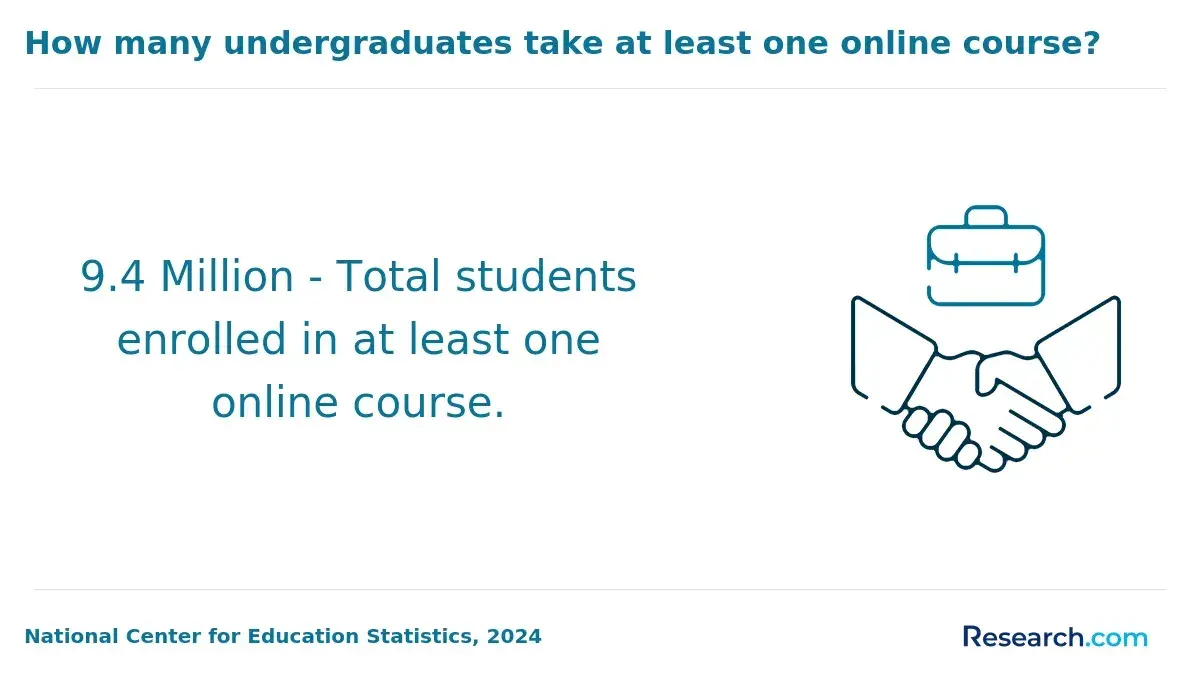
Recent data from the National Center for Education Statistics shows a 35% increase in enrollment for online master's programs in information fields since 2022, revealing a shift toward remote learning among working adults seeking career pivots without sacrificing employment. Yet not all programs offer the specialized skills or employer recognition necessary to optimize career outcomes in this niche.
This article reviews credible online library and information science degrees specifically suited to digital curation careers, empowering readers to navigate program options aligned with workforce realities and personal constraints.
Key Things You Should Know
- Online library & information science programs with digital curation tracks show a 12% higher employment placement in archives and data management roles compared to traditional LIS paths, according to 2024 BLS projections.
- Employers prioritize mastery in metadata standards and digital preservation tools over broad LIS theory, intensifying demand for specialized curricula that often exclude foundational information systems training.
- While accelerated online degrees reduce time-to-completion by 30%, average total costs remain 15-25% higher than campus equivalents due to technology fees, affecting return on investment for career changers.
What is digital curation in library and information science, and why does it matter today?
Digital curation practices in library and information science extend beyond preserving files; they entail active management to maintain long-term data accessibility and authenticity amid evolving technologies. This complexity becomes apparent in sectors like healthcare, where digital patient records must remain intact and secure for decades, or cultural institutions navigating copyright and provenance challenges with vast digital archives.
Employers in this space expect candidates to blend information science theory with hands-on skills like database management and software tool proficiency. The U.S. Bureau of Labor Statistics projects an 8% employment growth for database administrators and architects from 2024 to 2034, yielding about 11,700 openings annually. Such roles underscore the importance of curated digital data for driving research, analytics, and operational decisions.
Students evaluating educational pathways in this field should consider programs that balance metadata schema knowledge, digital preservation, and data lifecycle management tools. This blend equips graduates to navigate practical challenges like obsolete file formats and compliance with legal mandates.
Because program quality and focus vary, searching for ALA-accredited schools can help ensure recognized standards in digital curation for library and information science professionals.
Deciding on the right program involves weighing workforce demand against the adaptability required for evolving standards and technologies in digital curation, a critical factor for sustainable career prospects in this field.
How do online library and information science degrees prepare students for digital curation roles?
Online library and information science degree digital curation skills are increasingly essential for managing complex digital repositories that balance accessibility with preservation. Graduates are expected to execute tasks that go beyond theoretical knowledge, applying practical workflows to maintain digital assets amid evolving metadata standards and format obsolescence.
For instance, a student specializing in healthcare archives must develop expertise in HIPAA-compliant data management, whereas those focused on cultural heritage digitize rare artifacts, tailoring skills to distinct institutional demands.
Programs designed for preparing students for digital curation roles with library and information science online programs emphasize hands-on proficiency with digital asset management tools, programming languages like Python for automation, and database systems.
This specialization directly correlates with employer expectations for candidates capable of integrating technical training with domain-specific challenges such as legal and ethical content handling.
Practical constraints arise in balancing the workload of hands-on projects within fully remote schedules, especially for working professionals. Flexibility is critical, yet time management becomes a central factor affecting student success.
Employment growth for digital curation professionals surged—job postings increased by 61% from 2019 to 2021—reflecting industry demand but also sharpening competition. Candidates who combine updated technical skills with field-relevant knowledge stand to benefit most.
Prospective students might also consider contrasting options, such as pursuing a nutritional science degree online if their career goals are aligned differently, spotlighting the importance of selecting education that matches practical workforce needs.
What types of library and information science degrees lead to digital curation careers?
Digital curation roles require specialized knowledge distinct from general information technology or generic library and information science graduate programs focused on digital curation. Master's degrees in LIS with digital curation tracks that stress metadata standards, digital preservation, and archival theory tailored to born-digital materials align most closely with employer demands.
For example, archivists working in government agencies must ensure compliance and long-term data integrity, a challenge met by candidates versed in both policy and hands-on tools like Archivematica or Fedora.
Postgraduate archival studies or information management degrees with digital curation components provide stronger job readiness, particularly for museum or research library settings where cultural context and data lifecycle management collide. Students focused on online library and information science degrees for digital curation careers should seek internships embedded in real-world curation projects to offset the high hiring bar created by a talent shortage.
In practice, many purely technical information programs lack sufficient grounding in ethics or classification schemes, which are critical in managing culturally significant collections. Candidates able to navigate interdisciplinary demands—combining system proficiency with policy knowledge—are better positioned. The market reward correlates with curriculum comprehensiveness rather than generic LIS credentials alone.
Those exploring digital curation pathways in LIS should also consider adjacent fields carefully; for those interested in health information management, programs such as CAHIIM accredited health information management degree online offer complementary skills in data stewardship applicable to broader curation challenges.
How do online and campus-based LIS programs compare for digital curation training?
Choosing between online vs campus-based library and information science programs for digital curation involves weighing distinct professional outcomes shaped by hands-on experience and flexibility. Campus-based programs generally provide superior access to physical archives and lab resources, essential for roles requiring direct artifact engagement in academic or museum environments.
They also embed collaborative projects and internships, which align with employer demands for real-world systems experience, boosting prospects for digital curation positions with salaries often exceeding $100,000.
In contrast, online programs focus on flexible, technology-driven content, adapting quickly to emerging digital asset management tools and data privacy regulations. This structure suits working professionals pivoting into digital curation or UX research roles who need to balance training with full-time employment but may find limited hands-on opportunities.
Both formats cover core metadata standards, preservation, and information organization, so the decision often reflects prioritizing experiential learning against schedule adaptability.
For example, a candidate targeting a public library digital archive role (median salary near $55,000) might find affordable online curricula emphasizing foundational software most practical. However, those pursuing tech-intensive data management paths should consider campus options for networking and mentorship.
This comparison matters because digital curation training in LIS online and traditional programs delivers different career trajectories shaped by employer expectations and labor market data.
Prospective students can also explore best data science masters to complement skills in digital asset handling and data curation workflows for stronger interdisciplinary positioning.
What accreditation should online LIS programs have for credible digital curation education?
Employers hiring for digital curation roles increasingly require graduates from programs accredited by the American Library Association's Committee on Accreditation. Without this accreditation, students risk entering the workforce with gaps in crucial skills such as metadata standards like Dublin Core and PREMIS, digital preservation, and data management frameworks.
These competencies are essential to meet employer expectations in private sector digital archiving, cultural heritage institutions, and non-profit organizations.
The demand for LIS graduates with digital curation expertise is growing significantly; Library Journal's 2024 data notes a 37% increase in placements in private industry within a year, emphasizing the need for programs that rigorously align with evolving digital curatorial competencies.
Choosing non-ALA-accredited programs may reduce upfront costs but often limits professional validation, access to internships, and connection to vital networks, which are critical for navigating complex, regulatory-driven roles in data stewardship and repository management.
Prospective students should verify an LIS program's accreditation status and confirm that its curriculum explicitly covers contemporary digital curation technologies and policies. Graduates from unaccredited programs face higher obstacles demonstrating proficiency to employers, often resulting in narrower career pathways and less competitive positioning in a diversifying labor market.
Key considerations:
- ALA accreditation ensures adherence to current industry standards and workforce demands.
- Non-accredited programs may omit essential digital curation topics foundational for private sector and non-profit roles.
- Internships and professional networks linked to accredited programs support practical skill development and job placement.
What core courses and skills are taught in digital curation-focused LIS programs?
The technical demands of digital curation within library & information science programs prioritize hands-on skills in metadata standards like Dublin Core, PREMIS, and EAD, essential for sustainable, interoperable digital collections. Graduates are expected to configure and manage repository platforms such as DSpace or Fedora, often scripting custom solutions with Python or SQL to automate workflows and extract actionable data.
These competencies are crucial because employers distinguish candidates who can align preservation techniques with sector-specific constraints—public archives emphasize strict copyright compliance, while corporate records management requires agile access controls.
Students learn to balance metadata thoroughness for robust preservation with optimized user access, a practical tension sharply felt in institutions managing diverse born-digital assets.
Key practical outcomes include:
- Appraising and selecting materials for long-term retention amid escalating digital data volumes
- Addressing legal and ethical frameworks that vary by institution type
- Collaborating across disciplinary boundaries, integrating digital humanities and project management to meet real-world team and communication demands
Despite intensive technical training, graduates often face a market where digital curation roles require demonstrated experience in cross-functional projects and digital scholarship contributions. Data from the US Department of Education indicates 96% employment within the MLIS field post-graduation, yet practical relevance hinges on adaptability to evolving organizational workflows.
What are typical admission requirements for online LIS degrees in digital curation?
Admission to online library and information science (LIS) programs emphasizing digital curation demands more than traditional credentials; it prioritizes alignment with emerging workforce roles.
Most programs require a bachelor's degree with a minimum GPA around 3.0, though exceptions are made for candidates bringing relevant professional experience or robust recommendations. Applicants from IT, history, or social sciences backgrounds often have a competitive advantage due to the applied nature of digital curation.
Beyond transcripts, admissions commonly request a statement of purpose targeting digital asset management careers, reflecting the shift away from classical librarian functions. Recommendation letters—usually two or three—from supervisors attest to analytical skills and research independence. While GRE scores are less frequently mandatory, select programs still use them to assess quantitative aptitude relevant to data governance or AI roles.
Practical experience weighs heavily. Internships or work in archives, museums, or corporate data contexts can substitute for standardized test requirements and signal readiness to employers. International applicants must demonstrate English proficiency through tests such as TOEFL or IELTS.
This realignment in evaluation criteria means applicants must frame their skills strategically, evidencing practical fit for evolving LIS career paths rather than relying on traditional academic markers alone.
How long do online LIS programs for digital curation take, and what do they cost?
A master's degree in library & information science with a digital curation focus typically requires about 1.5 to 3 years, with timing heavily influenced by enrollment status and course intensity. Full-time students might finish closer to 18 months, but accelerated tracks demand concentrated effort often incompatible with ongoing full-time employment. Part-time paths, spanning approximately 3 years, better accommodate professionals balancing work and study.
Program costs vary significantly by institution and residency. Public universities charge roughly $400-$700 per credit for in-state students, with out-of-state and private school rates often exceeding $1,000 per credit, leading to total expenses between $10,000 and $40,000. Lower tuition programs may restrict access to specialized digital curation tools and electives critical for developing practical skills and competitive portfolios.
The U.S. Bureau of Labor Statistics notes median salaries for librarians and library media specialists above $64,000, alongside a modest 3% employment growth projection. Employers favor candidates with hands-on digital asset management experience and metadata proficiency beyond academic credentials.
Choosing a program involves weighing tradeoffs between cost, duration, and curriculum depth. For example, enrolling part-time at a public institution may extend completion but mitigate financial strain and maintain steady career momentum. Conversely, a compressed two-year, $30,000 program demands paused work obligations but accelerates workforce entry.
What digital curation job titles, work settings, and career paths can graduates pursue?
Digital curation roles demand a hybrid of foundational MLIS education and specialized technical skills that extend well beyond traditional library science training. Employment settings—from academic libraries to government agencies—impose distinct technical and regulatory focuses: for instance, university digital archivists must master metadata standards like Dublin Core and integrate with institutional repositories, while municipal records managers prioritize adherence to state digital preservation laws.
Practical workforce data show that holding an MLIS alone is increasingly insufficient. A significant majority of professionals—75% according to the Digital Data Curation Workforce Study—report that supplemental training in data lifecycle management, programming languages such as Python or R, and digital preservation frameworks is essential to meet employer expectations.
This dynamic results in an active need for candidates to acquire certificates, workshops, or applied experience targeting skills like scripting and compliance-driven digital archiving. For example, a digital archivist supporting faculty research outputs must align curation workflows with research data services, demanding stronger technical agility than core MLIS curricula typically provide.
Furthermore, navigating this niche labor market requires continuous skill refinement and engagement with professional organizations like the Society of American Archivists. Employers seek practitioners who can adapt to evolving infrastructures and regulatory requirements, making strategic credentialing and practical expertise non-negotiable for sustainable employment in digital curation.
What are the salary ranges and job outlook for digital curation professionals in the U.S.?
Salaries for digital curation professionals in the U.S. range from about $55,000 at entry-level positions primarily within academic and nonprofit institutions, to upwards of $90,000 in government or corporate roles with advanced responsibilities. This variation reflects distinct employer priorities, budget constraints, and the complexity of tasks such as metadata management, secure digital preservation, and regulatory compliance.
Employment growth in related fields like librarians and archivists is projected at 9% over the next decade, signaling sustained demand for specialists who can navigate evolving digital asset ecosystems. However, candidates face a strategic tradeoff: public and nonprofit sectors generally offer more stable job security but lower wages, while private industry demands greater technical skill sets—often involving data science or information technology—and compensates accordingly.
Practical success in digital curation increasingly requires cross-disciplinary expertise that merges traditional library & information science knowledge with contemporary digital workflows and compliance standards. For example, a digital curator at a federal agency must prioritize data governance and legal mandates, contrasting with academic roles where broader, resource-limited responsibilities prevail.
This differentiation influences both job readiness and salary potential. Students and professionals should weigh sector-specific expectations and consider continuous upskilling to address complex, technical challenges within digital curation roles.
Other Things You Should Know About Library & Information Science
Programs emphasizing technical skills like metadata standards, database management, and digital preservation tools provide more direct preparation for digital curation roles. However, a curriculum narrowly focused on technology risks neglecting critical context such as information ethics, user needs, and archival theory, which employers also prioritize. Candidates should seek programs balancing technical expertise with foundational LIS principles to meet employer expectations and adapt to diverse digital curation challenges.
Internships and practicum opportunities significantly influence employability by providing hands-on experience with real-world digital repositories and data management systems. Online programs lacking structured fieldwork components may disadvantage students in competitive job markets. Prospective students should prioritize online LIS degrees that require or strongly facilitate practical placements to build applicable skills and professional networks.
Part-time study combined with full-time work creates a demanding workload and requires strong time management, especially in programs with synchronous sessions or intensive project deadlines. Students must evaluate program flexibility against their capacity to engage deeply with complex digital curation content. Prioritizing asynchronous courses with manageable pacing reduces risk of burnout and ensures thorough comprehension of both theory and practice.
While specialization can enhance expertise in niche areas like audiovisual archives or scientific data curation, it may restrict flexibility if the job market shifts or funding priorities change. Graduates with broader LIS training and adaptable skills have better long-term career resilience. Students focused on job market stability should balance specialization with foundational competencies applicable across multiple digital curation contexts.
References
- What is digital curation? https://www.dcc.ac.uk/about/digital-curation
- Three-year study shows 60% increase in demand for digital curation https://blog.still-water.net/three-year-study-shows-60-increase-in-demand-for-digital-curation/
- What Careers Are Available in Library Science? - Library Science Degrees Online https://librarysciencedegreesonline.org/library-science-careers/
- Choosing the Right Library Science Program: Factors to Consider https://www.librariancertification.com/choosing-the-right-library-science-program-factors-to-consider/
- Digital Curator - LIBER Europe https://libereurope.eu/job/digital-curator/
- View of The Future of Information Science: Exploring the Role of Libraries In Data Management and Digital Curation https://bpasjournals.com/library-science/index.php/journal/article/view/1291/808
- Online Master of Library and Information Studies https://www.ualberta.ca/en/school-of-library-and-information-studies/programs/online-mlis.html
- Digital Curation Programs, Including Degrees and Certificates https://www.librarysciencedegrees.org/programs/digital-curation
- Online MLIS in Digital Libraries: Programs & Careers https://www.mastersinlibraryscience.org/degree/digital-libraries/
- DCN in the News - Data Curation Network https://datacuration.network/dcn-in-the-wild/