
2026 Library and Information Science Career Paths That Best Blend Technology and Service

Co-Founder and Chief Data Scientist
Professionals pursuing library & information science increasingly face a dilemma: how to integrate advanced technology skills with traditional service roles amid rapidly evolving employer expectations. The U.S. Department of Education reported a 30% increase in enrollment for fully online graduate programs in information studies since 2022, reflecting growing demand for flexible education that accommodates working adults seeking career pivots without sacrificing income.
This signals a shift toward hybrid skill sets prioritizing digital fluency alongside community engagement, yet navigating these choices demands careful assessment of program flexibility, credential relevance, and long-term employability.
This article examines career paths blending technology and service within library & information science to guide strategic educational decisions and optimize workforce outcomes.
Key Things You Should Know
- Emerging integration of AI in library and information science widens technical skill demand, yet programs investing in AI training show 25% longer student completion times, pressuring enrollment and financial planning.
- Over 60% of LIS employers in 2025 prioritize candidates with cybersecurity and data privacy expertise, pushing professionals to balance specialized knowledge acquisition against traditional service-oriented roles.
- Public versus corporate LIS career paths diverge sharply in wage growth: government roles offer 3% annual increases while tech-focused private sectors exceed 7%, reshaping strategic career advancement decisions.
What is library and information science career path?
Library and information science technology careers demand a nuanced blend of technical skills and service orientation, balancing digital innovation with traditional user engagement. Professionals must navigate complex information ecosystems, from digital asset management to metadata curation, requiring adaptability to continually evolving integrated library systems (ILS) and data privacy protocols.
For example, a data curator in a research institution focuses on accuracy and compliance, while a school librarian might integrate digital literacy programs alongside conventional collection management.
Job seekers should recognize that entry-level roles often require MLIS degrees complemented by specialized certificates in areas such as digital libraries or information management.
Practical employability increasingly hinges on demonstrated competence bridging service-oriented job opportunities with technical problem-solving, including digital preservation and user workflow optimization. Employers prioritize candidates who can lead digital transformation while maintaining meaningful community outreach.
The median annual wage for U.S. librarians and library media specialists was $64,320 in May 2024. However, students interested in cost-effective educational pathways should consider investigating the cheapest MLIS degree online options to align investment with market demands.
Prospective professionals must weigh their own capacity for continuous technical training against workforce expectations that favor agile, service- and technology-savvy specialists in an evolving field.
What degrees are required for library and information science jobs?
Securing a master's degree in library and information science (MLIS) is a decisive factor in accessing professional roles within this field, particularly in the United States. Employers predominantly seek candidates graduated from American Library Association (ALA)-accredited MLIS programs, as these ensure alignment with industry standards and job readiness.
For specialized roles involving technology integration—such as digital archivists, data curators, or information systems specialists—graduates benefit from coursework emphasizing data management and user experience within their MLIS curriculum.
Positions in library and information science jobs in North America that request only a bachelor's degree tend to be limited to support or paraprofessional roles, which often come with restricted salary growth and career advancement opportunities. The 36% growth in starting salaries over the past decade, hitting an average of $61,872, reflects employer preference for graduate-level education combined with technical competence.
Professionals aiming to pivot into tech-heavy LIS roles should prioritize programs offering hands-on exposure to programming, metadata standards, and digital tools, especially in environments like academic or corporate knowledge centers. Public libraries focused on community engagement may weigh service skills more heavily, but larger research institutions demand strong technical proficiency supported by practical experience and internships.
Certification on its own seldom substitutes for an MLIS degree in competitive markets. Prospective students should evaluate whether their education paths for library and information science jobs in North America include internships or practicum opportunities to enhance both job readiness and career flexibility.
For comparative insights on interdisciplinary degree options that entail rigorous practical training, reviewing exercise science degrees programs may illustrate academic models where technical skills are tightly integrated with applied learning.
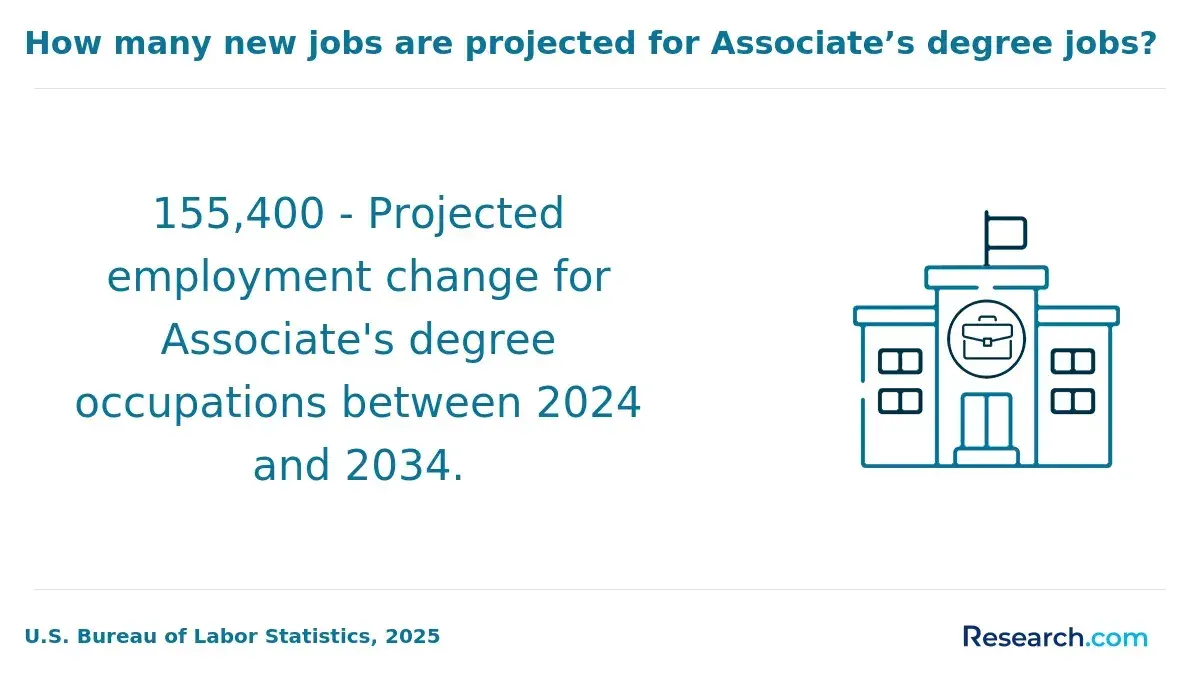
How do accredited online and campus LIS programs compare?
Choosing between accredited online vs campus library and information science programs requires weighing practical skill acquisition against flexibility. Campus programs typically provide immersive hands-on experiences through internships, labs, and direct mentorship, which align closely with employer expectations in public libraries and academic settings. These programs offer seamless access to local networks and career services, enhancing job placement prospects.
Conversely, online LIS degree programs offer scheduling flexibility necessary for working professionals but often lack integrated experiential components. Students pursuing online paths must actively seek internships and credentials outside their curriculum, such as specialized data management certifications, to remain competitive, especially for technology-driven LIS roles in corporate environments.
The 2025 labor market analysis reveals growing demand for LIS professionals with diverse, practice-based skills, with a 6% increase forecasted between 2021 and 2031. This demand intensifies the difference in outcomes between traditional and online LIS degree programs, particularly regarding direct skill demonstration.
Decision factors include learning preferences, immediate access to resources, and career objectives. Campus learners benefit from structured practicum and peer collaboration, while online students balance work and study continuity but must compensate for limited campus immersion.
Prospective students considering cost-efficiency may also explore options like a computer science degree cost when aligning skill sets with evolving LIS niches.
What courses are in a library and information science program?
Programs in library and information science courses focusing on technology integration must resolve a fundamental tension: balancing foundational skills with specialization that meets evolving employer demands. The core curriculum for library and information science programs traditionally emphasizes information organization, cataloging, and metadata management essential for both physical and digital collections.
However, graduates aiming for roles in data-intensive or UX research environments need more advanced instruction in data curation, information retrieval systems, and human-computer interaction.
Students weighing program options should consider whether technology-focused electives, such as programming for information professionals or digital preservation, align with specific job market expectations.
For example, the highest salary brackets—often exceeding $100,000—correlate strongly with expertise in UX design and data management, indicating a notable divide between traditional library positions and technology-sophisticated roles. This gap necessitates practical training opportunities, such as internships, which serve as critical real-world proof points for employers.
Deciding on a program without advanced technical tracks or evaluable practicum outcomes can limit employability and salary potential. For those seeking to pivot toward data-centric positions, exploring pathways like an online master data science can provide complementary skills that traditional library science curricula may lack.
What admission requirements do LIS programs usually ask for?
Most LIS programs in 2026 require a bachelor's degree with transcripts showing at least a 3.0 GPA, but competitive programs may demand higher academic standing. Letters of recommendation—typically two or three—from sources who can evaluate research aptitude and communication proficiency remain a key admission component. While some programs waive the GRE, others use it to gauge reasoning skills, particularly for applicants without relevant professional experience.
Applicants must also submit a well-crafted personal statement that clearly aligns career objectives with LIS roles combining technology and service. Practical experience in libraries, archives, IT, or customer-focused settings often influences admissions and graduate employability given the estimated 131,830 librarian and media specialist openings.
International candidates face additional hurdles, including English proficiency demonstrated through TOEFL or IELTS. Some specialized tracks may require portfolios or interviews, adding logistical complexity.
Applicants need to factor in the tradeoff between programs emphasizing technical skills versus traditional library service, as the sector increasingly demands hybrid competencies. The ability to present timely recommendations and reflect sector trends in personal narratives can significantly affect admission success.
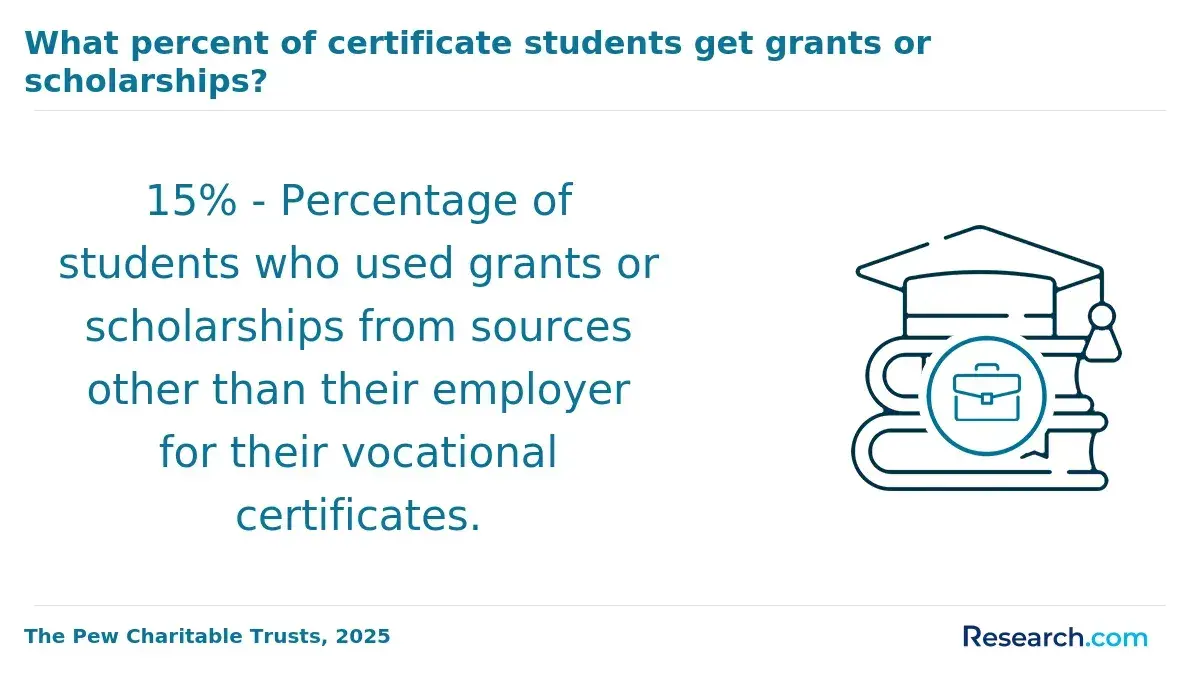
How long does an LIS degree take and what does it cost?
An MLIS degree typically requires two years of full-time study beyond a bachelor's, although part-time and accelerated options affect duration. Most accredited programs mandate 36 to 42 credit hours covering core areas like information organization, digital librarianship, and user services. Tuition ranges widely—from around $10,000 to over $40,000—depending on public versus private institutions, residency status, and delivery format.
For instance, a California-based professional pursuing an online MLIS might incur roughly $15,000 in tuition, whereas a full-time student at a private East Coast university could face costs exceeding $35,000.
The U.S. Bureau of Labor Statistics projects about 13,500 annual openings for librarians and media specialists through 2034, largely driven by retirements. This creates a steady pipeline but also a competitive landscape where candidates with technology specialization and relevant experience stand out. Flexibility in program scheduling is critical for working professionals seeking to upskill without sacrificing employment performance.
Budgeting should also consider licensing exam fees and ongoing education expenses, given rapid technological shifts. Students aiming for corporate roles might benefit from programs emphasizing data curation and digital asset management, while those targeting public libraries need practical cataloging and community engagement skills.
Aligning educational investments with sector-specific competencies is key to navigating replacement-driven demand and employer expectations in this evolving field.
Which LIS jobs blend technology and service the best?
Positions that merge technology and service within library and information science demand a dual mastery of technical tools and user engagement. Digital librarians oversee electronic resource management, digital preservation, and the deployment of discovery platforms-requiring continuous technical skill updates alongside traditional service abilities.
Data curators, often in academic or government contexts, manage large datasets through governance protocols and access configurations that directly affect research efficiency and knowledge dissemination.
Information technology specialists in library settings differentiate themselves by blending system administration and security with information literacy and patron support, bridging the gap between pure IT and service roles. Yet, despite this expanding complexity, employment growth remains modest, around 2% over a decade, influenced by automation and fiscal constraints.
These dynamics compel candidates to balance deep technological proficiency with interpersonal skills, as employers favor adaptable professionals who integrate tech solutions with high-quality service. Practical learning pathways include certificate programs or coursework in digital curation, information systems, or user experience, stacked on solid library science fundamentals.
Students and professionals must weigh the slower job growth against the necessity for hybrid skills, recognizing that narrow specialization—technical or service-only—limits opportunities. The challenge lies in navigating the evolving demands of libraries and archives to secure roles where technology enhances, rather than replaces, human-centered support.
What is the salary potential for library and information science careers?
Salary outcomes for library and information science (LIS) professionals vary significantly by sector, role, and geography. Median wages generally range from $60,000 to $70,000, but a focus on technical specializations—such as metadata standards, digital curation, or user experience design—can position candidates for roles in corporate, government, or healthcare sectors where salaries exceed $80,000 to $100,000.
Entry-level positions in healthcare information governance start around $65,000 yet require certifications in health informatics or compliance for meaningful advancement above $90,000 within five years.
Employment prospects remain competitive: unemployment among 2023 LIS graduates is 6%, an increase from 4.3% in 2013, despite upward salary trends. This mix signals a tightening job market where foundational knowledge alone is insufficient. Candidates must weigh program emphases on digital competencies and internships, which often equate to shorter job searches and better salary growth.
Traditional public library roles often offer starting salaries near $50,000 with slow advancement linked to union scales and budget cycles rather than rapid merit increases. Therefore, specialization choices carry practical implications for both immediate earning power and career trajectory, requiring prospective students to balance passion with market realities when selecting educational pathways.
What is the job outlook for library and information science professionals?
The evolving job landscape for library & information science professionals reveals a growing divide between traditional roles and emerging, tech-driven positions. While demand for standard librarian roles remains steady, it is limited by funding constraints in public and academic sectors.
Conversely, positions like senior program manager, data curator, and digital archivist, which require both domain expertise and technical skills, present significantly higher salary opportunities—Indeed's 2024 data shows senior program managers in related fields earning an average of $109,944 annually in the U.S., outpacing typical librarian wages.
Employers increasingly seek LIS graduates equipped with competencies in data analytics, project management, and digital systems. For instance, a librarian shifting to health informatics must develop proficiency in electronic health record systems and navigate complex regulatory requirements to maintain competitiveness. This often necessitates targeted certifications or specialized training beyond core LIS curricula.
Students and professionals must carefully evaluate the tradeoffs: traditional librarian roles offer stability and community engagement but limited salary growth, while technology-integrated positions demand continuous upskilling and a commitment to evolving technical expertise but deliver greater economic returns.
Decisions made with an informed understanding of these dynamics will influence long-term employability and income in the field.
How do you choose a reputable LIS program or specialization?
The decisive factor in selecting a library & information science program is how well it aligns with specific career trajectories that offer measurable economic benefits. Graduates placed in corporate, government, or technology sectors earn significantly more than those pursuing traditional public library roles, with the University of Arizona's 2024 MLIS career outcomes revealing salaries more than double in those areas.
This reflects the critical need for specializations focused on data management, informatics, digital library technologies, and knowledge organization with integrated tech skills.
Prospective students should prioritize programs featuring practical engagements such as internships or capstone projects linked to technology firms, research entities, or digital archives. For example, someone targeting health informatics must seek curricula emphasizing clinical data partnerships rather than general cataloging.
The American Library Association's accreditation ensures foundational quality but does not equate to industry readiness, making alumni career paths in your target field a vital metric.
Cost and flexibility present tangible tradeoffs. Cutting-edge programs often require access to licensed software and data analytics platforms while demanding faculty expertise in emerging LIS-tech interfaces. Flexible delivery formats-online or hybrid-can accommodate working professionals but must retain substantive technical training to prevent underqualification.
Employer demand underscores the necessity for applied skills in key LIS systems, metadata standards, and data privacy compliance. Neglecting these areas risks diminished employability in the increasingly tech-centric LIS workforce. Pragmatic program selection balances economic outcomes, curricular specificity, industry networking, and logistical feasibility to support informed professional moves.
Other Things You Should Know About Library & Information Science
The main challenge is balancing technical skills with user-centered service. Professionals must maintain up-to-date expertise in evolving technologies while also addressing diverse community needs, which requires continuous learning and adaptability. Employers often expect fluency in digital tools alongside strong communication and problem-solving abilities, putting pressure on professionals to divide focus effectively.
Networking is essential because many employers value connections and experience over credentials alone. Active participation in professional organizations or technology forums increases exposure to job opportunities and emerging trends. Prioritize building relationships early during studies or entry-level roles to leverage mentorships and referrals that accelerate career growth and access to specialized positions.
Public sector roles often offer greater job security and purpose-driven work but may have slower adoption of new technologies and lower pay. Private sector positions generally pay more and provide faster access to cutting-edge tools but expect higher productivity and may offer less autonomy. Candidates should weigh personal priorities like workplace culture, innovation pace, and compensation when choosing their path.
Focusing narrowly on a specific technology can increase employability in the short term but risks obsolescence as tools evolve. Employers prefer candidates with foundational LIS skills plus adaptable tech expertise. A balanced approach is recommended: build strong core competencies in information management while gaining specialized skills in emerging technologies to remain versatile and competitive long-term.
References
- Salary Expectations and Career Growth in Library Science https://www.librariancertification.com/salary-expectations-and-career-growth-in-library-science/
- Careers in Information Science https://www.asist.org/about/careers-in-information-science/
- Admissions https://www.ualberta.ca/en/school-of-library-and-information-studies/admissions/index.html
- Why Librarians Should Apply for Tech Jobs - Choice 360 https://www.choice360.org/libtech-insight/why-librarians-should-apply-for-tech-jobs/
- Most Affordable MLIS Programs Online, Updated for 2025 https://www.librarysciencedegrees.org/programs/online/most-affordable-mlis
- How to Choose the Best Specialization for Your Online Degree https://dsuonline.com/resources/blogs/how-to-choose-the-best-specialization-for-your-online-degree/
- Specializations https://sjudlis.com/specializations/
- 2025's Most Affordable Library Science Degrees (MLIS) Online https://librarysciencedegreesonline.org/affordable-library-science-programs/
- Explore Librarian Salary, Jobs, and Careers in Library Science https://teach.com/online-ed/education-degrees/online-masters-library-science/librarian-careers/
- Librarians and information specialists – ALIA Accredited Course https://alia.org.au/Web/Web/Careers/Becoming-An-Information-Professional/Librarians-and-information-specialists.aspx