
2026 Best Online Master's in Library and Information Science With the Best Balance of Flexibility and Career Readiness

Co-Founder and Chief Data Scientist
Midcareer professionals seeking to pivot into librarian or information specialist roles face a difficult timing and access challenge: balancing full-time work with the demanding schedules of traditional programs often limits enrollment to less flexible options with slower career impact. The National Center for Education Statistics reports that over 40% of master's students now enroll exclusively online, a shift driven by adult learners requiring adaptable pacing without sacrificing career readiness.
For those in library and information science, this structural shift redefines how to efficiently gain credentials that align with evolving employer expectations and workforce needs. This article identifies the best online master's programs blending scheduling flexibility with tangible career outcomes to guide practical degree decisions.
Key Things You Should Know
- Data from the U.S. Bureau of Labor Statistics projects a 9% growth in librarian roles by 2032, pressuring programs to balance accelerated online completion with comprehensive digital curation skills, which can reduce time but may limit hands-on training.
- Employers increasingly demand proficiency in data management and user experience design alongside traditional cataloging; programs emphasizing these intersecting skills correlate with 15% higher placement rates in federal and academic libraries according to a 2024 Institute of Museum and Library Services report.
- Programs charging over $30,000 for online master's degrees show 12% lower enrollment among working professionals per recent NCES data, indicating cost-access tradeoffs crucial for career pivots requiring employer tuition support or flexible pacing options.
What is an online master's in library and information science and who is it best for?
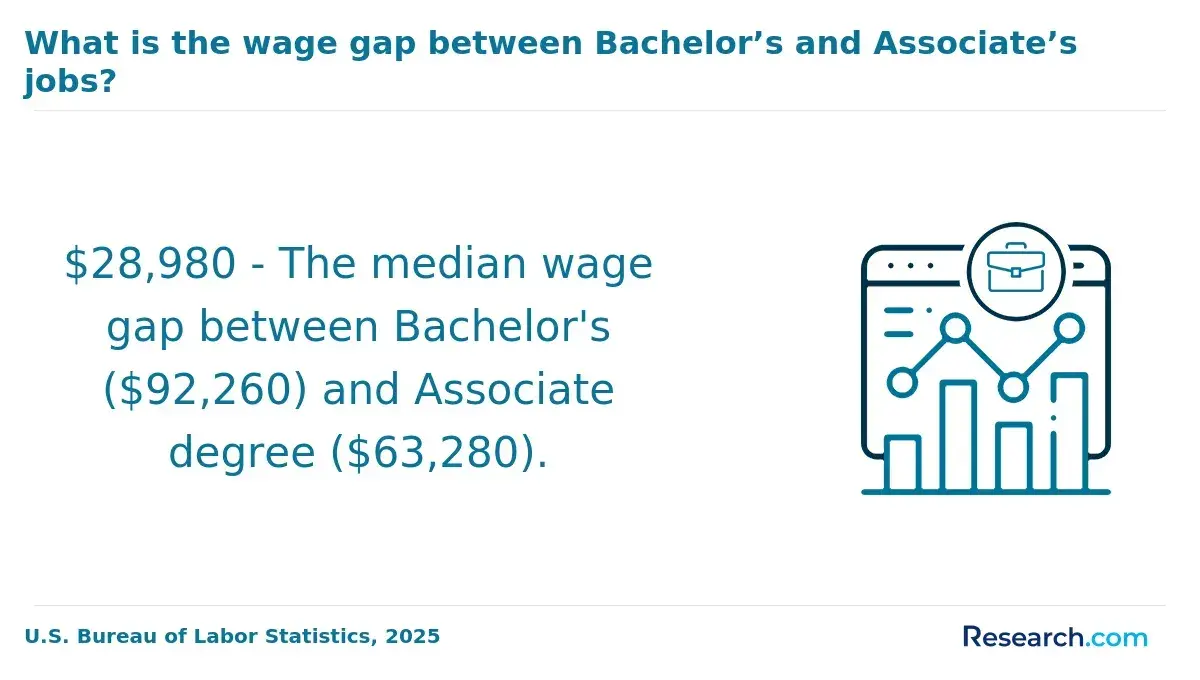
Choosing an online master's in library and information science requires weighing tangible career impacts against practical challenges. Workers in this field with master's degrees earn a median weekly income of $1,781, outperforming bachelor's degree holders by nearly $240 weekly, while facing lower unemployment rates. This differential highlights the degree's measurable market value but also underscores the need to balance study with ongoing employment, especially given demands for asynchronous coursework and part-time options within career-focused online master's in library and information science degrees.
Employers prioritize proficiency in metadata standards, digital preservation, research methods, and user experience-all competencies delivered through accredited programs that integrate real-world practicum experiences. For example, a mid-career archivist in municipal government can meet evolving digital recordkeeping mandates without relocating, leveraging an online program's flexible schedule.
However, candidates must also master remote learning's discipline, technological reliability, and active engagement to realize postgraduation employability. Program selection should hinge on specialization alignment with workforce demands and opportunities for cohort collaboration, which strongly influences long-term network development and career mobility.
For those researching financially prudent options, resources such as masters of library science rankings confirm the availability of affordable programs without sacrificing quality or relevance. Professionals pursuing online master's in library and information science programs with flexible schedules must realistically assess technology, time management, and cohort interaction tradeoffs to ensure the credential translates into concrete career benefits rather than incremental credentials.
How do online library and information science master's programs compare to campus-based options?
Choosing between online and campus-based master's programs in library and information science involves weighing flexibility against direct experiential opportunities. Online master's programs in library and information science flexibility comparison shows that remote formats accommodate working professionals and geographically dispersed students by eliminating relocation and schedule constraints.
However, students must independently arrange fieldwork or practicum placements, a requirement for accredited LIS programs, which can pose challenges absent institutional partnerships more readily available in campus settings. Career readiness of online versus campus library and information science programs hinges on how well candidates develop skills in digital tools, data management, and research data services-areas where 77% of academic libraries now expect librarian proficiency, up from 59% in 2019 according to the Association of College & Research Libraries Academic Library Trends and Statistics.
Quality online curricula often integrate these competencies using virtual labs and synchronous collaboration, though on-site programs may provide more immediate access to faculty mentorship and networking essential for embedded community engagement. Decision-makers must assess their capacity for self-directed experiential learning and prioritize networking immediacy versus time flexibility.
Students seeking to pivot or advance strategically should consider that online LIS degrees deliver vital contemporary skills when paired with proactive local practicum coordination. Campus options streamline institutional resource access but offer less temporal flexibility. Those exploring related educational pathways might also consult resources for an online bachelor's degree in nutrition as a comparative example of balancing career preparation with program delivery mode.
Which accreditation and professional standards should an online LIS master's program meet?
Employers in library and information science increasingly require degrees from programs that meet accreditation standards for online master's in library and information science programs, primarily those accredited by the American Library Association (ALA). Graduating from non-accredited programs often restricts access to professional roles in public, academic, and special libraries where such accreditation is a prerequisite.
Beyond ALA approval, adherence to professional standards for online LIS master's accreditation ensures curricula prioritize core competencies like digital librarianship, metadata management, and information ethics-skills that translate directly into market-ready expertise. Workforce demands extend beyond traditional librarianship to specialized environments such as health sciences, legal, and corporate sectors, where technology fluency and information stewardship are crucial.
Candidates must weigh the tradeoff between program flexibility and meeting these rigorous standards; programs falling short may hinder graduates' ability to adapt to evolving professional expectations. By 2024, over half of U.S. graduate students took at least one distance education course, with 36% studying exclusively online. Robust online program models emphasize synchronous engagement, internships, and projects to build practical experience.
Without these, students risk limited exposure to real-world applications, reducing employability. When evaluating this pathway, prospective students should also consider the cost of computer science degree as a benchmark for comparing investment and outcomes given overlapping tech skills in information science fields.
What are the typical admission requirements for an online master's in library and information science?
Admission criteria for an online master's in library and information science programs weigh academic preparation alongside relevant experience and professional readiness. Most schools insist on a bachelor's degree from an accredited institution, commonly expecting a minimum GPA near 3.0, but some accept lower GPAs if offset by substantive work or volunteer history in libraries or archives. This balance signals a candidate's practical engagement within the LIS field rather than purely academic aptitude.
Applications routinely require two to three letters of recommendation from individuals who can assess professional or academic competence, plus a personal statement articulating clear career objectives and awareness of the field's evolving demands such as technology fluency and information ethics. Demonstrating familiarity with database management and digital tools can directly influence admission competitiveness and readiness for positions adapting to the rapid digitization of information services.
While some programs still ask for GRE scores, many have eliminated this to broaden access. International applicants must verify English proficiency through TOEFL or IELTS. Candidates should also be prepared to manage the self-directed pace demanded by fully online curricula, mirroring workplace autonomy in data management settings. Considering the US Bureau of Labor Statistics projects 3% job growth for librarians through 2034, applicants should weigh whether their experience and academic profile align with employment realities rather than assuming qualification ensures placement.
Those comparing this pathway with others, such as an online data science doctorate, should consider their long-term career trajectory and sector-specific skill demands within information professions. For additional details on advanced degree options, see online data science doctorate.
How long does it take to complete an online LIS master's and what formats are offered?
Completion time for an online master's degree in library and information science commonly extends from two to three years full time, but flexibility in pacing significantly affects outcomes. Full-time students typically finish in two years following a fixed course sequence; part-time students may take three or more years while maintaining employment. This choice directly influences career trajectory, as extended timelines can delay entry into advanced roles yet offer stability for working professionals.
Course delivery formats vary and shape skill development and job readiness. Asynchronous classes allow study on personal schedules via recorded lectures and forums, benefiting public library employees managing unpredictable shifts. Synchronous sessions involve live video meetings, promoting collaboration and immediate feedback, which are essential for roles in academic libraries or digital archives. Hybrid options blend both, balancing flexibility with engagement.
Employers regard synchronous and hybrid experience as valuable for practical teamwork skills, while asynchronous pathways support workforce retention among those with irregular hours. According to the U.S. Department of Education College Scorecard, 92% of graduates from these programs between 2013 and 2015 were employed eight years post-graduation, with 74% working in related sectors, indicating that format and duration choices correlate with sustained employability.
What core courses and specializations are offered in online LIS master's curricula?
Choosing courses in online master's programs in library and information science demands strategic prioritization between specialization and accreditation requirements. Students targeting roles like healthcare information management benefit from focusing on data analytics and informatics, while those aiming for public library careers should emphasize community engagement and literacy programming. This specialization alignment directly impacts employability within segmented sectors such as digital curation or archival management.
A notable operational factor is that 69% of students attend part-time, shaping program design toward asynchronous classes and longer completion windows. Yet, practical skill development often requires internships or fieldwork that may not be fully remote, posing logistical challenges for widely distributed learners. Balancing flexible delivery with experiential learning remains a critical tension in program structure.
Emerging technology proficiency, including electives on AI applications and information policy, reflects employer expectations but must be weighed against constrained course loads and the need for foundational knowledge. The field's 82% female majority influences mentoring dynamics and networking, which can be decisive for job placement and advancement within knowledge management or academic library settings.
Ultimately, prospective students must rigorously evaluate how well a program's core competencies and electives mesh with targeted job markets. Understanding these tradeoffs informs smarter educational investments and readiness for today's diverse LIS workforce demands.
How much does an online master's in library and information science cost, and how is it funded?
An online master's in Library and Information Science typically costs between $15,000 and $45,000, with pricing shaped by public versus private institution policies, residency status, and credit requirements. Public universities generally offer reduced tuition for in-state students, whereas private schools maintain consistent rates regardless of residency, an important distinction for budget-conscious candidates. Programs lasting 1.5 to 3 years require students-often working professionals-to weigh tuition against potential lost income or scheduling inflexibility.
Funding strategies include federal Grad PLUS loans, which cover full attendance costs but involve higher interest and fees, and employer tuition assistance that might demand service commitments post-graduation. Such tradeoffs are particularly relevant when shifting from roles outside library science where employers evaluate return on investment.
Scholarships from professional bodies increasingly favor specialization areas aligned with labor market trends. Job postings have seen a 52% growth mentioning AI or data science skills and a 38% increase in digital competencies sought in library roles, underscoring the strategic value of programs emphasizing technology and information analytics.
Ancillary expenses-such as required technology, state authorization fees, and certification prep-add to the financial equation. Candidates must balance upfront affordability with how skill sets map to evolving job demands and interdisciplinary competencies critical for long-term employability in a competitive LIS workforce.
What library and information science careers can you pursue with an online master's degree?
Employers in academic and public sectors increasingly accept online master's degrees in library and information science when ALA accredited, with 84% of U.S. academic library hiring managers equating them to campus-based programs. This shift reduces barriers for working professionals balancing career and study but underscores the need to assess each program's local practicum support, given hands-on experience remains decisive for job readiness.
Career trajectories diverge sharply depending on the chosen sector. Public libraries stress community engagement and cataloging, while corporate roles emphasize enterprise content management and information architecture. For example, MLIS graduates entering health informatics often require additional certifications, and those targeting government archives must master records compliance and digital forensics.
Technical proficiency with integrated library systems and emerging AI technologies increasingly differentiates candidates in a shifting digital landscape. Furthermore, evolving job demands call for continuous skill development beyond the degree, particularly for those pursuing leadership roles where project management and instruction methods aligned with information literacy become core duties.
Students should weigh flexible scheduling options critical for fulfilling internship requirements tied to accreditation. Failing to secure local placements can jeopardize the practical training component essential for transitioning theoretical knowledge into workplace competence.
What salary ranges and job outlook can LIS master's graduates expect in different roles?
Salary outcomes for graduates with a master's in library and information science vary significantly by sector, specialization, and location. School librarians typically earn between $50,000 and $65,000, a reflection of public education budgets and steady demand, with the U.S. Bureau of Labor Statistics projecting 5% employment growth and roughly 5,600 annual openings in these roles.
Those aspiring to academic libraries face higher starting salaries, often between $60,000 and $80,000, but encounter fierce competition and frequently need additional subject expertise or certifications, especially in areas like digital archives or data management. Public library positions offer lower salary brackets, $45,000 to $60,000, and tend to require fewer formal credentials beyond the master's degree itself, although advancement often depends on management experience.
Obtaining specialized certifications, for example in medical or law librarianship, can increase earnings by 10% to 20%, signaling the value of niche expertise. Graduates who pivot into corporate or government information management often surpass $75,000 but must compensate with IT skills or analytics acumen beyond traditional LIS training.
Prospective professionals should evaluate tradeoffs between salary, credential demands, and job stability, factoring geographic cost of living and employer type. Strategically pursuing targeted certifications and practical experience aligned with specific job markets remains critical to optimizing both remuneration and long-term career viability in library and information science.
How can you evaluate and choose the best online LIS master's for flexibility and career readiness?
Programs that prioritize asynchronous coursework with structured timelines cater best to working professionals balancing employment and study, maintaining academic rigor without compromising pace. Prospective students should verify how closely curriculum aligns with specialized certifications or competencies in digital curation, data management, or academic librarianship, as these directly influence employability within specific LIS roles.
Practical experience is a decisive factor; internships, residencies, or capstone projects partnered with actual institutions translate theoretical knowledge into workforce skills, substantially enhancing job readiness. Employment outcomes-particularly job placement rates within 6 to 12 months of graduation in targeted LIS roles-offer concrete evidence of a program's effectiveness in meeting market demands.
Tradeoffs exist: programs that trim credit hours or reduce hands-on requirements may ease access but often sacrifice preparation for leadership, which correlates with advanced degrees beyond the MLIS. For example, 36% of library directors and 42% of department heads in academic libraries hold an MLIS plus another graduate degree, underscoring the importance of graduate-level specialization for senior roles (Association of College & Research Libraries, "Academic Library Director and Leadership Survey 2024").
Options for dual degrees or specializations linking LIS with IT or education enhance upward mobility but require careful evaluation of transfer credit policies and part-time enrollment availability, critical for full-time workers. Avoid programs lacking transparent alumni career data or sufficient job placement advising, as these gaps often signal limited workforce alignment.
Other Things You Should Know About Library & Information Science
Accreditation assures minimum academic standards and eligibility for professional certification, but employer connections often drive tangible career gains in library & information science. Prioritize programs that combine ALA accreditation with active partnerships or internships at reputable libraries or information centers. Graduates from such programs experience stronger hiring pipelines and more relevant practical experience, which outweighs selecting a program on accreditation alone.
Cohort models limit enrollment timing but create a structured learning environment with consistent peer interaction, which benefits networking and professional support in library & information science. However, they reduce flexibility for students needing to start on demand or juggle irregular schedules. For maximum career readiness, choose a program with at least some synchronous components or cohort-based segments to build lasting professional connections, even if it sacrifices a degree of scheduling freedom.
Part-time enrollment extends program duration, which may delay immediate benefits like job promotions or certification readiness in library & information science. However, it enables working professionals to maintain employment while studying, which preserves income and allows gradual skill application. For career changers without current library roles, a full-time or accelerated option is better to enter the field faster and gain competitive advantage in hiring.
Real-world experience through internships or capstones is crucial in library & information science as employers prioritize hands-on skills in cataloging, digital archives, and data management. Programs lacking these practical components leave graduates at a disadvantage despite theoretical knowledge. Always select programs that include supervised, credit-bearing experiential learning to ensure readiness for employer expectations and smoother job market entry.
References
- Online MLIS Flexibility, Community, and Choice https://www.libraryjournal.com/story/online-mlis-flexibility-community-and-choice
- 2026 Best Master's Degrees in Library Science Online https://www.onlineu.com/degrees/masters-library-science
- Most Affordable MLIS Programs Online, Updated for 2025 https://www.librarysciencedegrees.org/programs/online/most-affordable-mlis
- How to Choose the Best MLIS Program for Your Goals https://www.mastersinlibraryscience.org/articles/choose-best-mls-program-for-you/
- 30 Best Online MLIS (Library Science) Programs For 2025 https://librarysciencedegreesonline.org/30-best-online-library-science-degrees/
- Online Master of Library and Information Studies https://www.ualberta.ca/en/school-of-library-and-information-studies/programs/online-mlis.html
- Types of Library & Information Science Degree Programs https://www.librariancertification.com/types-of-library-information-science-degree-programs/
- 5 Key Courses In A Master’s In Library Science Program - GradSchoolHub.com https://www.gradschoolhub.com/lists/5-key-courses-masters-library-science-program/
- How Long Does it Take to Get a Master’s Degree Guide | LIS https://www.lis.ac.uk/stories/get-a-masters-degree-in-london