2027 Best Online Marketing Programs for Professionals Seeking Remote-First Marketing Roles

Co-Founder and Chief Data Scientist
Securing a remote-first marketing role demands demonstrated skills beyond traditional resumes, yet many professionals struggle to find flexible, credible training that aligns with evolving employer standards. According to the U. S. Department of Education, online enrollments among adult learners have increased 15% in the last two years, highlighting the need for accessible programs that integrate practical, on-demand learning without sacrificing rigor. This shift means prospective marketers must weigh the trade-offs between program structure, industry recognition, and real-time project experience to avoid costly detours in their career progression. This article examines the best online marketing programs designed specifically for professionals targeting remote positions, evaluating which pathways offer the strongest outcomes to navigate this dynamic job market efficiently.
Key Things You Should Know
- In 2024, 68% of US employers prioritize digital analytics proficiency over broad marketing certifications, pressuring students to choose programs with heavy data skill integration despite lengthier completion times, slowing immediate job entry.
- The US Bureau of Labor Statistics forecasts a 10% growth in remote marketing roles through 2030, pressuring programs to align curricula with employer demand for cross-platform content strategy and CRM expertise to ensure hireability.
- Tuition averages vary by 45% between business-adjacent and specialized marketing certificates, forcing candidates to balance the tradeoff between affordable credentials with limited scope and pricier programs offering comprehensive, remote-ready portfolios.
What defines the best online marketing programs for professionals pursuing remote-first marketing careers?
Online marketing programs aligned with employer demands prioritize applied skills in data analytics, campaign management, and remote collaboration over purely theoretical content. This approach reflects the hiring reality that professionals capable of producing measurable outcomes and working efficiently in virtual agency ecosystems are more competitive. For example, a retail professional pivoting to digital marketing must master e-commerce analytics and customer journey mapping with CRM tools remotely-generic marketing courses overlook these critical proficiencies. Such focus meets the projected 21% global growth in demand for digital marketing specialists noted in the World Economic Forum's 2025 Future of Jobs report.
Choosing from the best online marketing programs for remote-first professionals involves considering modular course design and validated employment outcomes within remote roles, not just credential acquisition. Attention to mentoring in remote teamwork platforms can prevent career stagnation common among those unfamiliar with virtual workflows. Programs with shorter durations support incremental upskilling without long career breaks.
Beyond curriculum, practical factors like job placement assistance and active employer networks specializing in remote marketing roles heavily impact post-completion success. Cost-benefit weighs heavily, especially when comparing longer, non-flexible programs to more affordable, structured alternatives that offer clear return on investment. For professionals evaluating options, research shows that affordable, accredited choices influence long-term growth, such as those described in the best online business degree analyses.
Top remote marketing courses for career advancement must integrate advanced audience segmentation, AI content optimization, and multichannel approach training to align with evolving market needs and employer expectations.
How do online marketing degrees compare to campus programs for remote-first career preparation?
Online marketing degrees deliver a competitive edge over campus programs for preparing candidates specifically for remote-first roles by emphasizing practical digital tools and immediate industry relevance. Employers hiring for remote marketing positions value measurable skills in digital communication, data analytics, marketing automation, and independent project management more than theoretical knowledge typical of campus curricula. This focus on operational readiness supports a 26% annual growth in U.S. remote marketing job openings from 2023 to 2024, even as remote opportunities shrink in other sectors.
For professionals pivoting careers or seeking advancement, the effectiveness of online marketing education for remote-first roles lies in its accelerated, project-based format that mirrors actual remote workflows. Consider a digital product marketing specialist transitioning from retail: case studies on SEO and social media analytics provide more actionable insight than traditional consumer behavior theories. However, online students must compensate for limited in-person networking, which campus programs naturally facilitate through mentorship and social capital.
Those evaluating online marketing degrees vs campus programs for remote career trajectories must balance stronger market readiness with the need to proactively build external industry connections. This tradeoff is crucial for long-term career success.
Prospective students exploring healthcare specialization might also investigate options such as a healthcare MBA that offers affordable, flexible formats to complement marketing expertise.
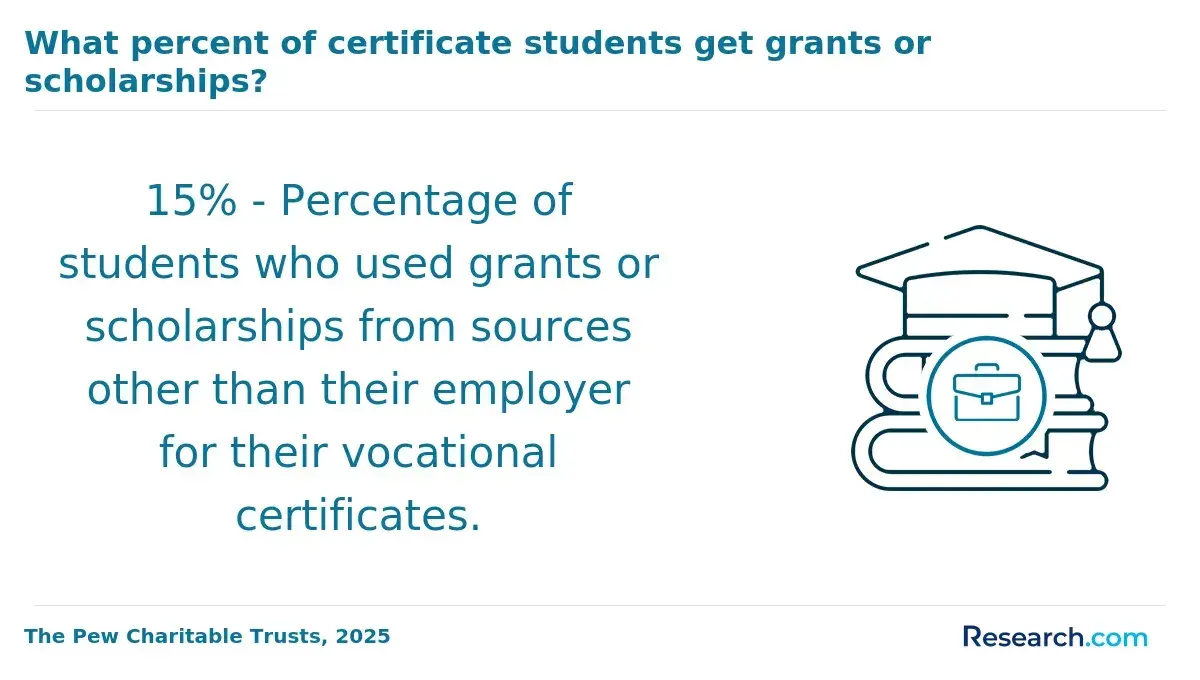
Which types of online marketing credentials best support remote-first roles: certificate, bachelor's, or master's?
Bachelor's degrees remain the most pragmatic credential for remote-first marketing roles, striking a necessary balance between theoretical grounding and applicable skills. Remote marketing managers earning median salaries near $160,000 demonstrate this by predominantly holding bachelor's credentials, which meet typical employer demands for strategic leadership and analytical competency. The best online business degree options frequently emphasize these core competencies, aligning with employer preferences for remote positions requiring both management and specialist capabilities.
For professionals targeting specialized or entry-level remote roles-such as social media marketing-certificates offer a swift, cost-effective route to skill acquisition. These credentials enable marketers averaging around $63,700 annually to stay agile amid platform changes without the time investment required for full degrees. They also serve freelancers and contractors flexible access to project-based remote work where proof of current expertise matters more than formal education.
Master's degrees provide niche value, particularly for advanced analytics or digital transformation roles in remote marketing leadership. However, the relatively limited volume of senior remote marketing roles means these degrees often deliver lower returns unless aligned with clear strategic career pivots. Employers in B2B SaaS frequently prioritize bachelor's degrees supplemented by certifications signaling CRM or agile tool proficiency over standalone graduate degrees.
Practical pathways include:
- Starting with a bachelor's degree for foundational credibility and career sustainability in remote marketing.
- Leveraging certificates to update skills rapidly or enter niche functions.
- Reserving master's degrees for transitions into technical leadership or analytics-intensive roles.
Among online marketing credentials for remote-first roles, it is vital to evaluate how each level fits real-world job demands and timelines. Investigating the best online business degree programs can clarify these tradeoffs in terms of curriculum rigor and employability outcomes.
What accreditation and quality standards should online marketing programs meet in the United States?
Accreditation standards for online marketing programs in the United States directly shape employability and academic credibility, with regional accreditation from bodies like the Middle States Commission or WASC serving as key gatekeepers for institutional quality and federal aid eligibility. Programs without accredited backing typically face significant obstacles in credit transfer and broader employer recognition, especially in sectors valuing formal credentials. This distinction is crucial for candidates targeting leadership roles or trying to pivot strategically within competitive job markets.
Quality assurance criteria for US-based online marketing courses extend beyond accreditation, demanding curriculum alignment with industry needs, instructor expertise, and rigorous assessment methods. Employers in regulated fields such as healthcare and finance often prioritize candidates from programs compliant with frameworks set by entities like the Digital Marketing Institute or the American Marketing Association. Practical experience embedded in coursework-such as case studies and capstone projects-also enhances readiness for client-facing and remote collaboration challenges.
A practical workforce implication appears in employment outcomes: a 2024 survey found 78% of participants in professional digital marketing certificates reported positive career impacts within a year. Such data emphasize the need to scrutinize transparent job placement rates, especially when comparing programs with distinct employer networks-say, tech startups versus traditional retail marketing.
Prospective learners must balance institutional accreditation, relevant curriculum standards, and verifiable career outcomes to ensure alignment with their goals. For individuals exploring alternative educational pathways, reviewing sector-specific performance and credit transferability can prove decisive. For additional insight on accelerated degree pathways, consider the best online construction management degree as a comparative model for evaluating online program rigor and market fit.
What core courses and specializations do top online marketing programs include for remote work?
Remote online marketing programs that focus on digital strategy and analytical skill development meet a critical employer demand driven by shifting workforce competencies. The World Economic Forum's 2025 Future of Jobs report underscores that over 60% of employers intend to upskill staff specifically in digital marketing and analytical thinking by 2027, which directly shapes curriculum priorities toward measurable, data-driven abilities rather than broad-based theory.
Programs emphasizing specializations such as search engine optimization (SEO), paid campaign management, and marketing automation prepare students for roles requiring independent performance under remote conditions. For example, a freelance marketer targeting B2B tech clients must craft precise content strategies and interpret social media analytics without direct oversight-skills taught through project-based remote collaboration.
- SEO and paid search campaigns critical for businesses reliant on visibility, such as e-commerce.
- Social media analytics focusing on engagement metrics and content optimization.
- Marketing automation and CRM tools to coordinate cross-functional teams remotely.
- Content marketing with targeted messaging for niche industries.
- Data analysis and dashboard reporting that translate raw data into actionable insights.
Failure to build these competencies can leave students underprepared for autonomous roles demanding rapid strategic shifts as digital marketing environments evolve. The integration of cloud-based collaboration tools in coursework mirrors real workforce conditions, addressing communication challenges prevalent in remote marketing teams. Candidates lacking analytical rigor and strategic adaptability often face limited employability in dispersed, digitally agile workplaces.
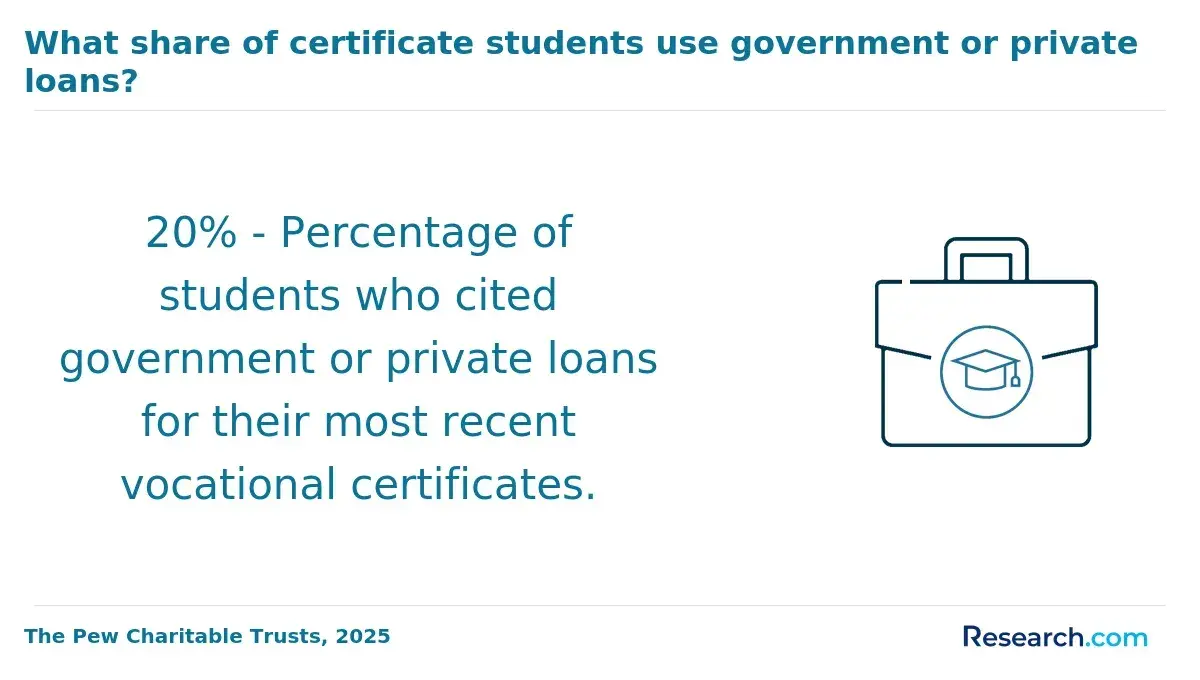
What are typical admission requirements for online marketing programs aimed at working professionals?
Admission requirements for online marketing programs aimed at working professionals reflect a balance between academic credentials and demonstrated practical skills, driven primarily by employer demand for job readiness. A bachelor's degree remains a common baseline, but substantial marketing experience can often replace formal education, especially in executive or specialized digital tracks. For candidates outside of marketing, such as those from finance or education, foundational coursework may be necessary before progressing to advanced digital marketing competencies.
Admissions criteria often emphasize verified involvement with tools like social media management, CRM platforms, or SEO analytics, typically demonstrated through portfolios or performance reviews rather than standardized metrics alone. Some programs targeting analytic or technical skillsets require prerequisite knowledge in statistics or business fundamentals, revealing a tradeoff between accessibility and depth of preparation.
For professionals seeking to pivot careers, the strategic verification of relevant experience can mitigate onboarding delays and align educational content with evolving remote and tech-driven marketing roles. Programs affiliated with top-tier institutions may impose additional requirements such as GRE scores, but this is less common outside degree pathways.
Growth trends show digital marketing courses increased enrolments globally by over a third in recent years, indicating rising demand for flexible, applicable training that balances academic rigor with workplace relevance. Ultimately, applicants must weigh the interplay of prior experience, academic preparation, and program prerequisites to select pathways offering pragmatic value for marketing roles in dynamic industries.
How long do online marketing programs take to complete and what do they typically cost?
Marketing education pathways demand careful weighing of duration, cost, and practical outcomes, given employers' intensified focus on demonstrable skills over credentials alone. Certificate programs, typically 3 to 6 months, target immediate skill acquisition in areas like SEO, social media advertising, and data analytics, appealing especially to professionals pivoting quickly-such as those entering healthcare marketing where compliance and data literacy are critical within six months.
Longer programs, including bachelor's degrees or advanced diplomas spanning 9 to 12 months full-time, offer deeper strategic understanding and better positioning for mid-level roles but require significantly higher investment-often $15,000 to over $50,000-and extended opportunity cost.
Key tradeoffs to consider include:
- Accelerated certificates facilitate entry-level hiring but usually necessitate ongoing self-study and portfolio development to stay competitive.
- Extended degrees enhance managerial readiness but may delay workforce entry, which can be costly in rapidly evolving marketing landscapes influenced by technology change.
- Part-time formats provide flexibility but prolong completion and can dilute momentum.
NoDesk data showing marketing's 12% share of remote-first jobs emphasizes the pressure for concise, outcome-oriented credentials. Candidates must align program choice to their background and employer expectations, prioritizing real-world portfolio projects and relevant digital tools investment alongside tuition.
What remote-first marketing jobs can graduates qualify for and what are common career paths?
Graduates holding online marketing degrees typically enter remote roles requiring practical proficiency with digital tools and data fluency rather than purely theoretical knowledge. For example, a digital marketing specialist at a B2B tech firm focuses on lead generation via SEO and PPC campaigns, while a social media manager at a consumer brand prioritizes audience engagement and influencer relationships. These roles demand competence with platforms like Google Analytics, AdWords, and CRM systems acquired through accredited online programs.
Career progression in digital marketing often moves from specialist or coordinator to senior analyst, then manager, and ultimately leadership roles like director or chief marketing officer. Transitioning into data-centric positions requires supplementary skills in statistical or visualization tools, frequently involving additional certifications. Candidates targeting leadership must also prove experience in managing remote teams and cross-functional collaboration.
From a workforce perspective, freelancers and contract marketers often leverage initial remote opportunities to build a portfolio and access more stable, higher-tier positions. This path competes with professionals combining marketing expertise with technical skills such as coding or UX design, which employers increasingly value. Tuition for online marketing degrees ranges between $9,000 and $23,000 annually, substantially less than $28,840 at private on-campus schools, making remote programs a pragmatically cost-effective choice for those aiming for roles emphasizing digital adaptability and remote workflow efficiency.
What salary ranges and job outlook can online marketing graduates expect in remote-first roles?
Salary outcomes for online marketing graduates targeting remote-first positions reveal a nuanced landscape shaped by skill specialization, industry, and geographic cost-of-living differences. While entry to mid-level roles offer annual salaries between $50,000 and $90,000, candidates who combine digital analytics competencies with marketing fundamentals-especially in tech startups-regularly command 10-20% higher wages than peers focused on content-centric roles within smaller nonprofits.
Data from the Bureau of Labor Statistics indicates a median wage near $65,000 for digital marketing specialists, with job growth projected at 10% through 2032, signaling robust demand but also heightened competition. Employers increasingly expect more than certificates: they seek candidates demonstrating quantifiable SEO results, data analytics proficiency, and campaign management experience, often evidenced through portfolios or internships.
Nearly 40% of learners transitioning from non-marketing fields into digital marketing emphasized that skill development beyond coursework remains essential to avoid prolonged job searches or lower initial offers. Remote roles add complexity by requiring strong self-management and communication skills, alongside navigating salary negotiations that may or may not reflect local living costs.
Professionals pivoting into marketing careers should weigh the tradeoffs of certifications offering hands-on projects or mentorship, which markedly improve employability versus more theoretical programs. Practical experience and strategic skill integration remain critical factors impacting salary trajectories and long-term career stability.
How can professionals evaluate and choose a reputable online marketing program for remote work goals?
Evaluating online marketing programs requires prioritizing measurable outcomes like job placement rates and alignment with employer expectations over promotional claims. Programs emphasizing advanced data competencies such as SEO, performance marketing, and analytics address projected demand growth of approximately 23% by 2027, according to the World Economic Forum's 2025 outlook. However, curriculum relevance hinges on the inclusion of hands-on projects using real-world tools tailored for remote work environments.
For a professional switching from traditional retail marketing to digital marketing in e-commerce, choosing programs that incorporate up-to-date case studies and remote collaboration platforms offers practical advantages versus purely theoretical content. Instructor expertise in remote digital marketing and access to virtual marketing communities substantially influence professional networking and skill application. Flexibility and reasonable time-to-completion factor significantly for those balancing part-time work or freelancing.
Delivery format affects skill development: synchronous classes facilitate immediate problem-solving suited to agencies with rapid client feedback cycles, while asynchronous formats serve professionals managing fluctuating schedules. Cost evaluation must consider return on investment, such as job placement speed and salary improvements, since higher cost does not always equate to better outcomes. Prospective students should ensure programs address emerging compliance and privacy regulations essential for sustainable careers.
Other Things You Should Know About Marketing
Comprehensive marketing programs offer broad knowledge but can dilute focus on skills valued in remote-first roles, such as digital analytics or content marketing. Specialized courses narrow skill sets and usually provide deeper hands-on experience with tools commonly used in remote teams, improving immediate job readiness. Prioritize programs that balance foundational marketing concepts with strong specialization options aligned to remote job requirements.
For securing remote-first roles in 2027, online marketing programs should focus on digital tools proficiency and strategic campaign management. Courses that incorporate flexible, self-paced learning with interactive projects are particularly beneficial, as they mirror remote work dynamics and build essential skills.
Yes. Remote-first marketing employers usually value programs that require a portfolio, such as campaign briefs, analytics reports, email sequences, and paid media mockups. A strong portfolio matters more than class titles because hiring teams need proof of skills, not just course completion.
Employer recognition varies widely; established online programs from well-known institutions carry more weight in hiring decisions, especially for remote roles requiring trust and autonomy. However, niche certifications with strong industry ties can sometimes outpace generic degrees in signaling relevant skills. Prioritize programs with verifiable alumni success and employer endorsements over lesser-known or purely theoretical offerings.
References
- CourseCareers https://coursecareers.com/blog-posts/how-to-choose-the-best-digital-marketing-course
- Remote marketing jobs | Find a job | The careers platform for verified employer data | Flexa https://flexa.careers/jobs/categories/marketing-jobs-remote
- Digital marketing career guide: How to get hired, build skills & advance | edX https://www.edx.org/become/digital-marketer
- Marketing salaries: The trends you need to know about - EMR | Marketing, Digital & Communications Recruitment Agency https://www.emrrecruitment.co.uk/marketing-salaries-the-trends-you-need-to-know-about/
- Remote Digital Marketing Free Course https://www.oxfordhomestudy.com/courses/remote-work-careers/digital-marketing-remote-careers-free-course
- 11 High-Paying Job Roles You Can Pursue After Digital Marketing https://geu.ac.in/blog/career-path-for-digital-marketing
- How to Choose a Digital Marketing Agency: A Complete Guide https://raibec.lt/en/how-to-choose-a-digital-marketing-agency-a-complete-guide/
- Digital Marketing: Top Career for Freshers & Switchers https://delphindigital.academy/blog/why-digital-marketing-is-the-hottest-career-choice-for-fresh-graduates-and-career-switchers/
- Top 12 High-Paying Remote Marketing Roles (Updated Jan 2026) https://www.marketersremote.com/p/top-12-remote-marketing-jobs
- Remote Marketing Jobs Are Shrinking—But Not Disappearing https://marketinghire.com/salary-hiring-research-trends/remote-marketing-jobs-are-shrinkingbut-not-disappearing