2027 Online Kinesiology Degrees With Strong Practical Performance Execution Training

Co-Founder and Chief Data Scientist
Professionals pursuing online kinesiology degrees often confront the challenge of securing programs that genuinely integrate rigorous practical performance execution training without diluting hands-on skill development. This hurdle intensifies as employers increasingly prioritize demonstrable applied competencies alongside academic credentials.
According to the National Center for Education Statistics, over 40% of adult learners now prefer flexible online degree options that accommodate work and family commitments, illustrating a wider shift toward accessible yet substantive education.
However, not all programs meet this evolving need, leaving students at risk of graduating without marketable experiential skills. This article systematically evaluates online kinesiology degrees offering robust practical training to guide informed, career-aligned selections.
Key Things You Should Know
- Online kinesiology degrees with strong practical execution often reduce hands-on internship hours by 20%, forcing students to seek external certifications to meet evolving employer demands for clinical experience, per 2024 National Health Workforce data.
- Employers increasingly prioritize graduates demonstrating measurable biomechanical assessment skills verified through integrated labs, shifting hiring advantages toward programs with advanced virtual simulation tools, according to the American Kinesiology Association report 2024.
- Programs extending completion beyond four years to incorporate synchronous practical modules increase student costs by 15%, creating access barriers that disproportionately affect working adults balancing career transitions, based on recent NCES analysis.
What is an online kinesiology degree with practical performance training, and who is it best for?
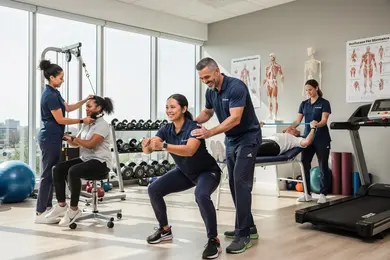
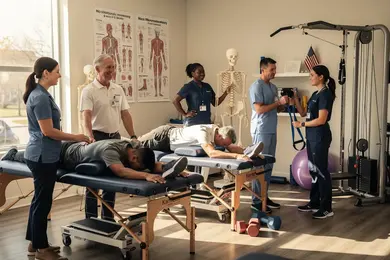
Online kinesiology degree programs integrating practical performance training demand students independently secure access to approved practicum sites, a requirement that can limit options especially in rural or underserved areas. These programs combine foundational science coursework with field experiences in clinics, gyms, or rehabilitation centers, ensuring graduates meet employer expectations for immediate competency in client assessment, program design, and therapeutic intervention.
This dual emphasis on theory and hands-on skills directly addresses employer priorities to reduce onboarding time and increase job readiness.
For example, a working professional pursuing a kinesiology degree online aiming to become an athletic trainer benefits from flexible online coursework alongside scheduled local internships. This hybrid approach supports maintaining income and family obligations while developing marketable experience. However, candidates without robust local networks often face challenges fulfilling clinical hour requirements, potentially prolonging program completion or weakening employability.
Projected job growth in kinesiology-related roles is strong; the U.S. Bureau of Labor Statistics forecasts a 13% increase for fitness trainers by 2034, adding roughly 64,700 positions. This trend signals expanding industry demand for practitioners with both scientific grounding and documented practical training. The best online kinesiology programs for performance execution therefore balance academic rigor with structured fieldwork to produce graduates equipped for evolving workforce needs.
Students evaluating this pathway should consider the complexity of coordinating practical placements alongside virtual coursework. Successful navigation of these logistical and experiential demands defines the value of achieving career objectives without geographic or occupational disruption through a pathway offering practical performance training in kinesiology.
How do online kinesiology programs deliver hands-on labs, practicums, and performance training?
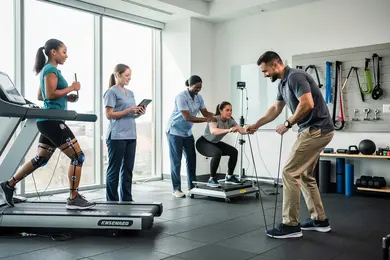
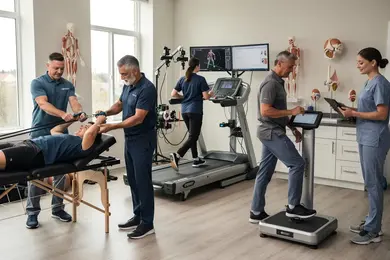
Online kinesiology programs with hands-on practicums require deliberate coordination to meet the practical demands employers expect. These programs fuse virtual kinesiology labs and practical performance training, using wearable sensor tech and video analysis to reduce physical barriers while maintaining skill rigor.
Still, working professionals must navigate device investment, stable internet needs, and flexible travel for in-person practicum scheduling-factors that significantly affect feasibility.
For example, U.S.-based students pursuing rehabilitation-focused degrees generally complete online coursework in biomechanics and physiology before arranging practicums at approved clinical sites. These supervised, task-specific activities are essential for demonstrating applied competence, a prerequisite heavily weighted in hiring decisions for roles such as clinical exercise physiologists or performance coaches.
A 2024 systematic review in Frontiers in Psychology reinforces that task-specific practice yields motor skill improvements (effect sizes up to 0.80), surpassing general fitness training outcomes. This evidence underlines why programs emphasize measurable skill application in authentic settings despite the online delivery format.
Prospective learners balancing jobs and families should weigh the logistical tradeoffs inherent to blended learning models. Success depends not only on coursework completion but proactive practicum placement and thorough documentation of skill execution to fulfill certification standards and meet employer expectations.
For those interested in related healthcare pathways, exploring online Psych NP programs offers insights into comparable online practical training challenges and workforce integration.
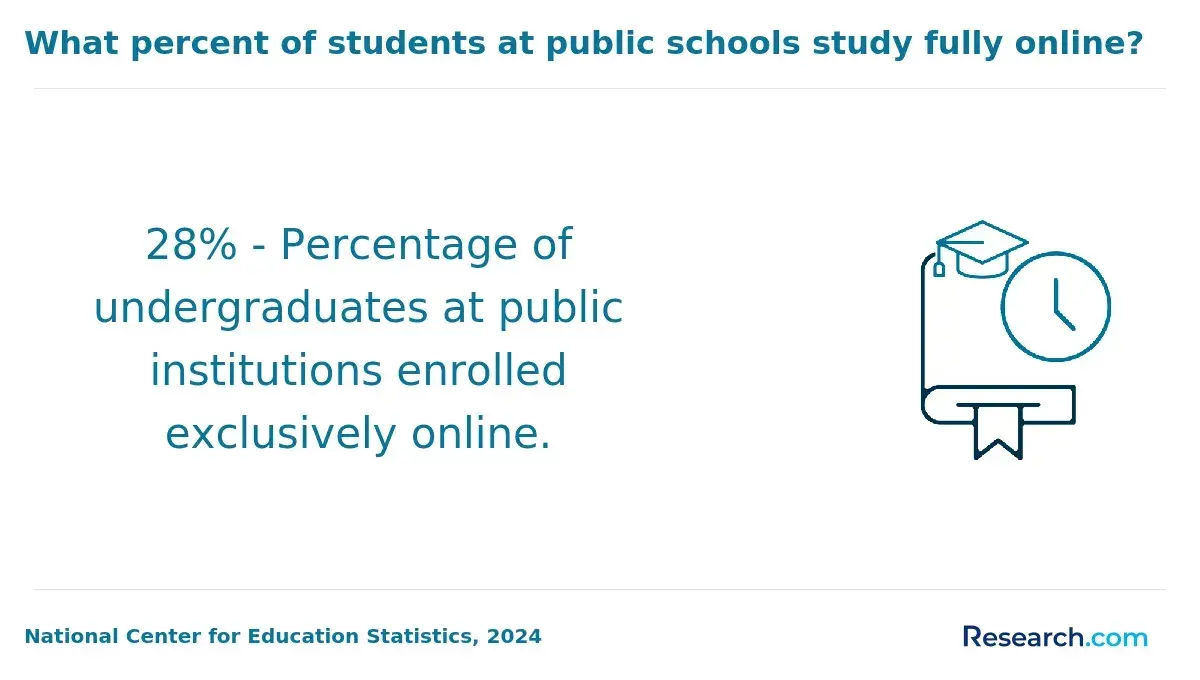
Are online kinesiology degrees as respected and accredited as on-campus programs?
Employers in rehabilitation and fitness industries often prioritize verified practical experience over the mode of instruction when assessing candidates with online kinesiology degrees with accredited practical training. Regional accreditation ensures online programs meet comparable academic standards to on-campus degrees, but the critical differentiator lies in the availability and quality of supervised clinical hours.
For example, a physical therapy assistant applying to a hospital must demonstrate clinical competencies that some online programs accommodate through remote coordination of internships, while others may leave graduates less prepared due to insufficient hands-on training.
Online kinesiology programs can also present meaningful cost savings and scheduling flexibility for working professionals, with public institution tuition often around 24% lower than that of on-campus programs-an important factor when considering long-term debt and return on investment.
However, the tradeoff involves carefully vetting program structures to confirm embedded, mandatory practicums or local healthcare partnerships that ensure workforce readiness, bridging gaps that purely theoretical online curricula might create.
Prospective students evaluating the comparative respect and accreditation of online versus on-campus kinesiology programs should consider employability outcomes closely linked to applied skills development. For those pursuing alternatives in health-related fields, exploring paths such as a fastest online master's in healthcare management may offer distinct advantages depending on career goals and timing.
What online kinesiology degree levels and specializations are available for different career goals?
Choosing an online kinesiology degree program requires careful consideration of how practical skill development aligns with specific career trajectories. Associate degrees deliver foundational knowledge suited for entry-level roles in fitness or rehabilitation but fall short for clinical or research-centered positions.
Bachelor's degrees remain the most adaptable option for those targeting careers in sports training, physical therapy assistance, or wellness coaching, especially as a growing number of programs incorporate graded, live skill evaluations via video or motion-analysis technology. This integration of practical performance assessments addresses a key limitation often associated with remote learning for online kinesiology degree programs for career advancement.
Master's degrees demand more rigorous hands-on experience, often requiring hybrid formats or in-person clinical placements, critical for licensure in specialized areas such as biomechanics or clinical exercise physiology. Doctoral studies focus heavily on research and necessitate mandatory on-site residencies and laboratory work, restricting truly remote study options.
Career pivots toward applied physical therapy or athletic training usually require post-bachelor's certifications or master's-level credentials with substantial in-person practicums. For example, bachelor's graduates aiming for certified exercise physiologist roles must select programs with real-time skills assessments that comply with national standards to meet employer expectations.
Prospective students should evaluate programs carefully; for those balancing budget constraints and advancement needs, exploring options like the cheapest RN to BSN programs may provide financial context when comparing kinesiology pathways.
What courses and practical skill areas are typically covered in online kinesiology curricula?
Online kinesiology programs emphasize technical skills directly tied to employer demand, blending biomechanics, exercise physiology, motor control, and injury prevention with applied laboratory simulations. These virtual labs teach movement analysis and electromyography, critical for fields like strength and conditioning or rehabilitation.
Graduates targeting clinical populations must develop therapeutic exercise prescription abilities, whereas those entering athletic training focus on performance testing and program development.
The curriculum also prioritizes sport nutrition and psychology, supporting roles in coaching and health promotion. Key practical competencies include gait analysis and corrective exercise techniques, addressing workforce needs for injury prevention in amateur and professional sports. Data interpretation using motion capture and force plate software tools prepares graduates for immediate function in performance-driven environments.
Notably, online learners often face limited in-person practice opportunities, making supplemental internships or local partnerships essential for skill mastery. LSU Online's 2024 data reveals 92% of graduates with a performance focus found employment within 12 months in coaching, strength and conditioning, or health-promotion roles, underscoring the value of curricula integrating both theory and application.
Employer expectations also emphasize communication and teamwork within multidisciplinary settings, reflecting the collaborative nature of kinesiology careers in diverse health and sport contexts.
How do online and campus-based kinesiology programs compare in cost, flexibility, and time to completion?
Cost savings drive many students toward online kinesiology programs, which typically run 20-35% cheaper than campus alternatives due to reduced fees for facilities and commuting, a significant factor for working adults or those with family responsibilities as per 2024 National Center for Education Statistics data. However, financial considerations should align with program format realities and career goals.
Time to degree completion remains similar across online and campus routes, generally 3-4 years full-time for bachelor's and master's levels. Online learners may access accelerated options or earn credit for prior work experience, potentially shortening this by up to a year according to the U.S. Department of Education's College Scorecard. Campus schedules often require fixed-semester attendance and obligatory lab hours, which can extend completion times if practical components are delayed.
Hands-on training is a critical variable: a 2024 multi-institution study revealed that students engaging with home-based video labs and virtual performance analyses outperformed text-only online students by 15-20 percentage points on practical skill assessments. This evidence challenges assumptions about online practical instruction, showing it can match or surpass campus-based experiences in motor skill development.
Prospective students focused on clinical or therapeutic kinesiology roles must carefully vet the adequacy of online practicum partnerships against regional employer expectations, given the ongoing premium on direct patient interaction in hiring. Conversely, those targeting research or ergonomic applications may prioritize the flexibility and lower costs that online formats offer.
What are the typical admission requirements for online kinesiology bachelor's and master's programs?
Admission to online kinesiology programs demands more than basic academic credentials; it involves aligning prior coursework and practical exposure with workforce expectations. Bachelor's applicants typically must demonstrate proficiency in core sciences like biology and chemistry, often supported by a high school diploma or equivalent.
Standardized tests may still play a role, but many programs waive them for candidates maintaining a GPA above 3.0, reflecting a shift toward holistic academic readiness.
Master's level entry requires a relevant undergraduate degree or equivalent experience in exercise or health sciences, with transcripts verifying foundational knowledge in anatomy, physiology, and biomechanics. Many programs add competitive elements such as GRE scores, professional references, and detailed statements of purpose to assess the candidate's practical orientation and career focus.
Practical experience is a significant gatekeeper; online kinesiology programs often insist on proof of hands-on training or internships to ensure students can translate theory into application. Without this, candidates may face mandatory prerequisite modules or localized internships-a tradeoff that can delay progress but boosts employability. This real-world emphasis corresponds with labor market data reporting a $60,000 median salary and sustained job growth for fitness professionals.
Prospective students should critically evaluate how each program accounts for transfer credits and prior experience. This scrutiny mitigates risks of redundant coursework and ensures that mid-career professionals shifting from unrelated fields maintain efficient, outcome-driven timelines in their education-to-employment transition.
Which kinesiology careers emphasize strong performance execution skills, and what jobs can graduates pursue?
Proficiency in performance execution separates entry-level kinesiology graduates from effective practitioners, especially in roles such as athletic trainers, physical therapists, exercise physiologists, and strength and conditioning coaches. Practical skills acquisition-through hands-on clinical experience and supervised applied learning-is critical.
For instance, athletic trainers in collegiate sports must quickly identify injury risks and modify training regimens on the spot, a requirement that theoretical study alone cannot fulfill.
Employers increasingly demand demonstrated competencies during internships or practicums, moving beyond academic credentials. Graduates aiming for roles in rehabilitation centers, professional sports, corporate wellness, or military fitness must show measurable improvements in client outcomes to secure employment. Strength and conditioning coaches in particular rely on biomechanical assessments and performance data interpretation developed via rigorous applied kinesiology training.
Online kinesiology programs that integrate structured mentoring and consistent applied assignments report completion rates comparable to on-campus offerings within a 5% margin. However, prospective students should vet whether such experiential components are embedded, as purely theoretical online courses risk leaving graduates unprepared for skill-based assessments in the workforce.
- Real-time clinical decision-making demands practiced proficiency, not just knowledge.
- Applied training intensity correlates with employer expectations and hireability.
- Online formats must include supervised hands-on elements to match traditional outcomes.
Graduates lacking applied performance training face substantial barriers to clinical and coaching jobs, since employers prioritize validated skill proficiency through performance-based evaluation over grades or degrees alone. Targeting programs that embed repeated practical simulations can significantly influence career viability.
What is the salary outlook for kinesiology graduates in roles requiring applied performance training?
Salary outcomes for kinesiology graduates engaged in applied performance roles vary widely, typically ranging from $46,000 to $84,000 annually. This variance depends largely on job title, experience, and the industry sector.
For instance, athletic trainers affiliated with collegiate sports programs can approach the higher salary tier by leveraging specialized certifications and hands-on internship experience focused on injury prevention and rehabilitation. In contrast, fitness trainers working in commercial settings often start lower but may increase their earnings by cultivating personal client relationships or concentrating on applied kinesiology methods.
Employer demand in healthcare and sports increasingly favors candidates with a dual emphasis on academic knowledge and applied competence.
Geographical factors also influence earning potential, where regions with advanced sports medicine infrastructure and public health initiatives offer comparatively higher salaries aligned with ongoing professional development requirements. Conversely, roles within community recreation or rehabilitation centers tend to offer lower compensation despite demanding substantial practical skills in patient assessment and treatment planning.
Graduates and prospective students must weigh tuition costs, which range between $25,000 and $47,000 for top online bachelor's programs, against realistic salary ceilings.
Investing in kinesiology degrees emphasizing measurable performance assessment and intervention skills enhances alignment with employer expectations in the applied performance domain. Prioritizing programs that integrate practical training improves employability and income potential, but geographic and institutional contexts can significantly affect career trajectories.
How do certifications and state licensing work for kinesiology-related fields after an online degree?
Licensure and certification pathways following an online kinesiology degree differ sharply based on specialization and employer demands, with no straightforward equivalence between online credential origin and state licensing acceptance. For example, candidates aiming to become Licensed Physical Therapist Assistants or Certified Exercise Physiologists must complete accredited programs with extensive supervised clinical hours-which often exceed 500-to qualify for state licensure.
Conversely, roles in strength and conditioning or performance coaching often bypass strict state licensure, prioritizing certifications from bodies like the NSCA or ACSM, thus requiring targeted supplemental credentials.
An important workforce consideration is the scarcity of online programs with dedicated performance or sport-specific tracks; fewer than 40% offer such concentrations. Graduates from broad, generalized programs may face longer certification preparation times or diminished success, especially when seeking strength and conditioning roles, due to insufficient hands-on experience or specialized curriculum.
In practice, students should:
- Confirm regional accreditation and recognition by relevant certification bodies to ensure eligibility.
- Verify alignment of clinical practicum requirements with state licensing rules, arranging local supervision if needed.
- Choose programs offering specialized human performance or sport-specific concentrations to better position for certifications.
- Prepare for potential additional coursework or external training if the online curriculum lacks practical or performance-focused modules.
Other Things You Should Know About Kinesiology
In 2027, online kinesiology programs have evolved to effectively offer comprehensive training for practical performance execution. Many programs use virtual simulations, interactive modules, and live video sessions to closely mimic real-world scenarios, ensuring students are well-prepared for practical applications in kinesiology.
Greater flexibility often comes with reduced access to immersive, supervised performance training. Fully asynchronous programs may sacrifice coaching and real-time feedback that are critical for developing technique precision.
Students prioritizing skill mastery should prioritize hybrid or cohort-based models that incorporate live practice sessions even if this limits schedule flexibility. Those needing maximum schedule control must accept potential gaps in direct performance evaluation that can affect employer readiness.
Employer value for kinesiology graduates with strong performance skills correlates significantly with program reputation and network connections. Programs linked to recognized sports medicine or physical therapy settings provide graduates with direct pathways into applied roles.
Alumni networks that actively support job placement and provide mentorship yield better career outcomes. Students have a clear advantage when they select programs with proven industry ties rather than only cost or convenience considerations.
Certifications related to performance training-such as strength and conditioning or clinical exercise physiology-greatly enhance employability and earning potential. Students targeting roles that demand applied kinesiology skills should prioritize programs that integrate recognized certification prep into the curriculum instead of separate or optional tracks. This alignment reduces total time and cost to credentialing, positioning graduates for faster career advancement.
References
- Careers in Kinesiology https://www.angelo.edu/career/career-exploration/majors/kinesiology.php
- American Kinesiology Association | Careers in Kinesiology https://americankinesiology.org/careers-in-kinesiology/
- Best Online Kinesiology Degree Programs, Updated for 2026 https://www.kinesiologydegrees.org/programs/online
- Online vs. On-Campus: Which Mode of Learning Is Best for You? https://www.onlinemastersdegrees.org/student-resources/which-mode-of-learning-is-best/
- How to Become a Kinesiologist - Education & Certification https://www.medicaltechnologyschools.com/kinesiologist/how-to-become-a-kinesiologist
- What Can You Do With a Kinesiology Major? | USAHS https://www.usa.edu/blog/what-can-you-do-with-a-kinesiology-major/
- What Can You Do with a Kinesiology Degree? https://www.nec.edu/news/what-can-you-do-with-kinesiology-degree
- Asynchronous Education vs Fixed Schedule Online Classes: Which Works for Working Professionals https://puie.ac/asynchronous-education-vs-fixed-schedule-online-classes-which-works-for-working-professionals/
- Kinesiology Online Master's: See & Compare Top Programs https://www.edumed.org/online-schools/kinesiology-degrees/masters/
- Master of Science in Kinesiology https://online.avila.edu/degrees/healthcare/masters-kinesiology/