2027 Online Kinesiology Degrees With Stable Health-and-Performance Career Alignment

Co-Founder and Chief Data Scientist
Professionals in exercise science confront a common but critical obstacle: finding academically rigorous online kinesiology programs that align directly with evolving health and performance careers while accommodating full-time work demands.
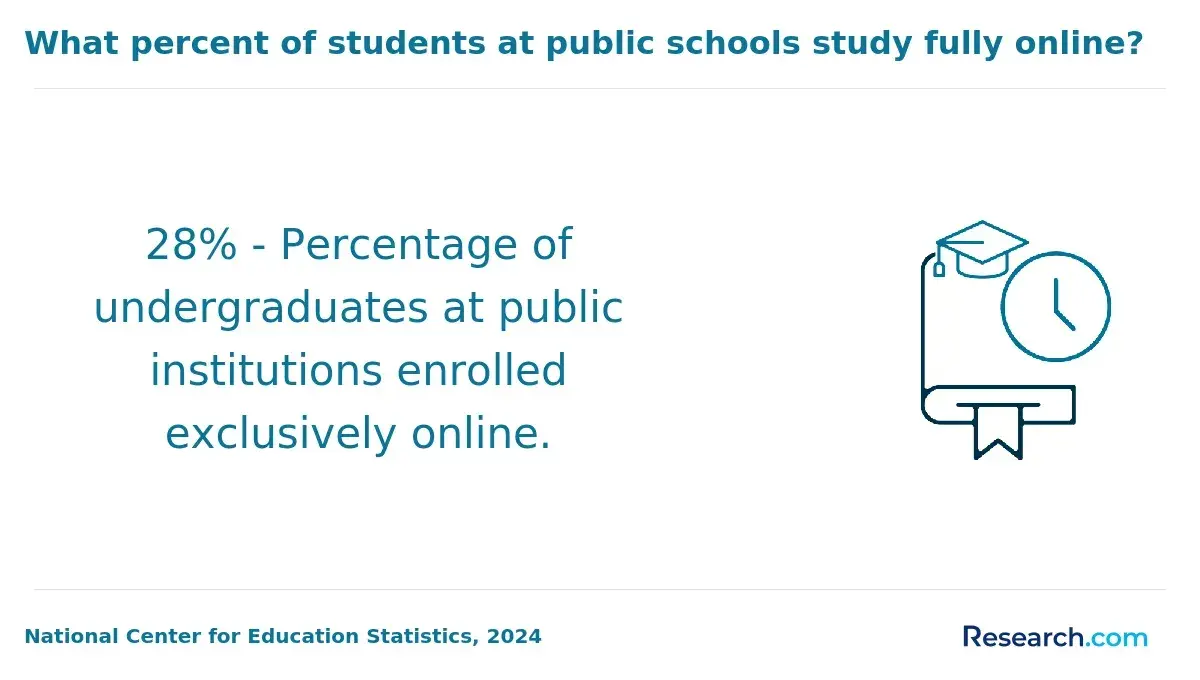
With nearly 40% of adult learners choosing remote education as reported by the National Center for Education Statistics in 2024, flexible access no longer guarantees relevant skill acquisition or clear pathways into stable jobs. Employers increasingly prioritize practical competencies and certifications over broad academic credits, complicating program selection for career mobility.
This article evaluates online kinesiology degree options that balance accessibility with workforce-readiness, guiding prospective students through choices that optimize employment outcomes and long-term professional growth.
Key Things You Should Know
- Despite a 12% projected workforce growth in health and exercise roles by 2030 per the U.S. Bureau of Labor Statistics, most online kinesiology programs underdeliver on clinical internship access, restricting hands-on employer readiness.
- Employers prioritize applied biomechanics and data analytics proficiency, requiring graduates to supplement standard kinesiology curricula with specialized certifications, shifting cost-benefit calculations beyond degree tuition.
- Median online kinesiology degree completion costs in 2024 reached $22,000, with time to degree extending past four years for 35% of enrollees, raising concerns over opportunity costs in rapidly evolving health-performance sectors.
What is an online kinesiology degree and how does it support health-and-performance careers?
Online kinesiology degree programs for health and performance careers offer a strategic yet challenging pathway requiring careful evaluation of practical training components. Employers prioritize graduates who demonstrate not only theoretical knowledge but also clinical aptitude and data interpretation skills, which many programs support via blended practicum models involving remote labs, virtual simulations, and coordinated internships.
Graduates entering hospital rehabilitation or occupational health settings must display real-time diagnostic abilities combined with effective patient communication, making accredited programs with linked healthcare partnerships essential. Yet, securing qualified local clinical supervisors for hands-on training remains a persistent obstacle, potentially affecting licensure eligibility and long-term career trajectories.
Data from Concordia University Chicago indicates kinesiology bachelor's graduates achieved 85% job placement by 2025, with 90% filling health-related roles within six months. This outcome underscores the benefits of online kinesiology degrees in preparing for health and fitness professions that demand adaptability in scheduling and location, especially for working adults seeking mid-career pivots.
However, asynchronous course delivery requires significant self-discipline to master complex anatomy and physiology subjects vital for employment readiness. Prospective students should also compare these programs with alternative degrees, such as the best online nutrition degree, to align their educational investment with targeted career fields and market demands.
How do online kinesiology programs compare with campus-based options for quality and outcomes?
Online kinesiology degree program quality comparison reveals a significant divergence in practical training and professional networking when contrasted with campus-based programs. While theoretical instruction may be equivalent, campus programs offer direct access to on-site labs, internships, and faculty mentorship—elements critical for developing clinical skills that employers in health and performance sectors prioritize.
Online formats provide virtual labs and remote practicums but often fall short in replicating the immediacy and depth of face-to-face experiential learning needed for specialized roles such as exercise physiologists.
The outcomes of campus-based versus online kinesiology degrees also impact workforce readiness. Employment demand for exercise physiologists is projected to grow 9% from 2024 to 2034, with approximately 1,700 job openings annually, per the U.S. Bureau of Labor Statistics. Campus students tend to secure higher-quality internships and employer connections, facilitating better job stability in sports performance, rehabilitation, and preventive health sectors.
For those balancing work or located far from urban centers, online programs deliver essential flexibility but require proactive engagement to arrange local clinical hours, possibly through independent internships or shadowing. Choosing online programs with established partnerships for in-person practica can mitigate this challenge.
Graduates seeking clinical certification or licensure should ensure their program includes accredited practicum components, as online-only formats might not meet all state or employer criteria. Evaluating practical training opportunities alongside convenience is vital for long-term professional success.
Those interested in allied areas might also consider healthcare administration degree programs as an alternative pathway.
What are the main health, fitness, and performance careers you can pursue with kinesiology?
Applied movement science roles represent the most direct career opportunities for graduates with an online degree in kinesiology, orienting candidates toward positions like exercise physiologist, physical therapy assistant, and sports performance specialist. These health and fitness career opportunities in kinesiology often focus on evidence-based rehabilitation, ergonomics, or athlete training protocols rather than purely academic pathways.
A real-world example lies in collegiate strength and conditioning coaches who integrate biomechanics and exercise physiology with certifications to tailor sport-specific programs effectively.
The distinction between foundational knowledge and career readiness in performance enhancement professions with kinesiology degrees is critical. Employers increasingly seek candidates who supplement academic credentials with certifications such as CSCS or PTA licenses to mitigate a 3% unemployment rate and achieve salaries averaging around $71,000.
This dynamic underscores the importance of strategic investment in internships and networking within healthcare or athletic organizations to enhance employability and long-term stability.
Given typical tuition payback periods of 3-5 years, prospective students should weigh the return on their educational investment carefully. Some professionals opt to augment their kinesiology degree with credentials from related fields or explore options such as an online MBA healthcare to broaden leadership prospects. Aligning education with certifiable, practical skills remains essential to differentiate candidates in this performance-driven sector.
How can you tell if an online kinesiology degree program is properly accredited and reputable?
Accreditation status critically influences the practical value of an online kinesiology degree and its graduates' competitiveness in healthcare and sports settings. Programs lacking recognition by regional or national bodies approved by the U.S. Department of Education often leave students with degrees less respected by employers and disqualify them from federal financial aid.
Confirming accreditation through official tools like the Department of Education's Database of Accredited Postsecondary Institutions and Programs is essential before enrollment.
Reputable online kinesiology programs in the United States align curricula with industry standards from organizations such as the National Strength and Conditioning Association and the American Kinesiology Association. This ensures coverage of exercise physiology, motor learning, biomechanics, and practical experiences that employers prioritize, especially in rehabilitation and clinical environments.
Consider a candidate applying to a physical therapy clinic for an entry-level position: graduates from accredited and professionally aligned programs typically possess required clinical internships and protocol knowledge, whereas those from non-accredited programs often face limited employment prospects due to missing practical components.
Outcomes data from Concordia University Chicago's 2025 report shows kinesiology graduates start with an average $45,000 annual income—higher than comparable fields like psychology or history—indicating program quality correlates with salary potential and workforce relevance.
Students evaluating an online kinesiology degree accreditation standard should weigh these factors carefully alongside affordability and program alignment with career goals. For insight into cost-effective nursing pathways that might intersect with allied health career pivots, reviewing the most affordable MSN programs offers relevant comparative context.
What types of online kinesiology degrees exist, and which level fits different career goals?
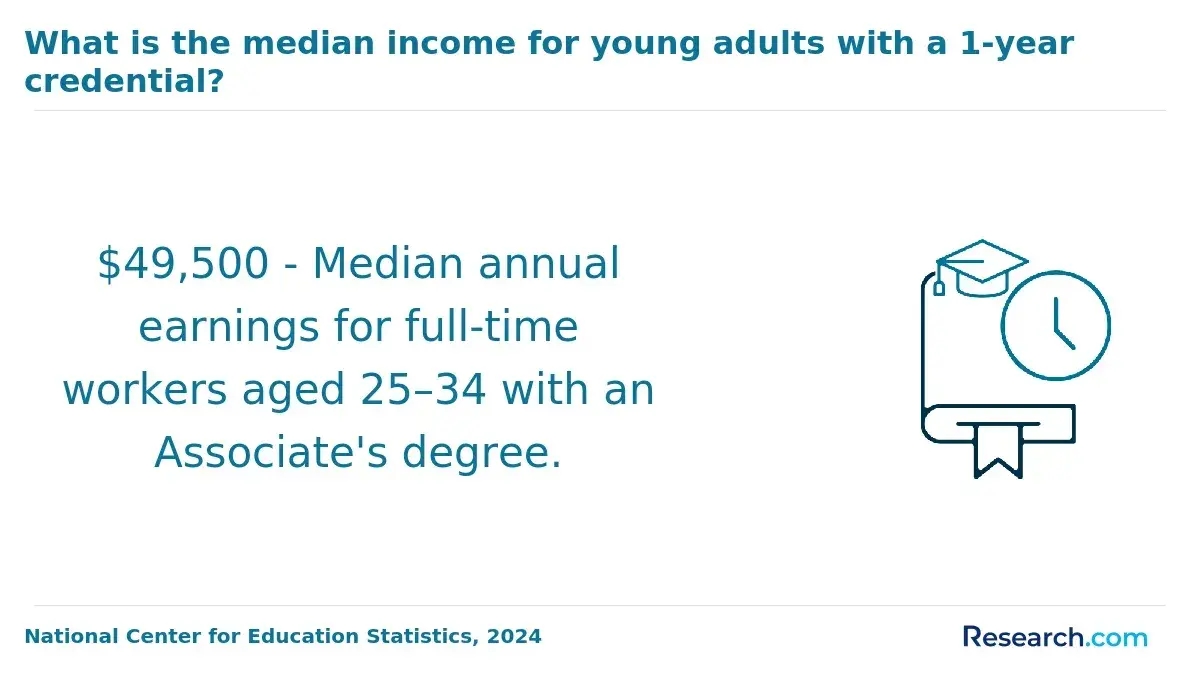
Degrees in kinesiology offer distinct practical outcomes that align closely with workforce demands and licensure benchmarks. Associate programs tend to target immediate employment in supportive health roles like fitness instructors or rehabilitation aides, but these positions offer limited long-term career mobility.
Bachelor's degrees are widely recognized as the baseline for many professional kinesiology careers, underpinning roles in exercise physiology, physical therapy assistance, and health coaching. Real-world data such as Concordia University Chicago's 2025 placement report shows bachelor's graduates—especially from online or hybrid formats—achieve 80-90% employment rates, signaling strong market validation for this level.
Master's degrees are positioned for those targeting advanced clinical certifications, leadership tracks, or specialized sectors, including athletic training and occupational therapy support. Employers increasingly prefer a master's credential for higher salaries and licensure access, creating a clear incentive to pursue this level if clinical or research roles are the goal.
Doctoral studies predominantly suit candidates focused on academia, research leadership, or top-tier clinical practice but require significant in-person clinical involvement that online programs alone rarely provide.
Students weighing these options should consider licensure requirements, industry standards, and practical constraints such as balancing clinical hours with work. For example, an aspiring physical therapy assistant needs a bachelor's plus hands-on experience, often via hybrid programs, whereas research-focused roles demand graduate-level academic rigor.
Online kinesiology degrees with flexible practicum arrangements exist but require deliberate planning to meet in-person clinical demands, making clear that educational level tightly correlates with job function and career trajectory.
What core courses, concentrations, and practical experiences are included in online kinesiology programs?
Online kinesiology programs require comprehensive coursework in human anatomy, physiology, biomechanics, motor learning, and exercise physiology to prepare students for health and performance roles. The key challenge for online students is securing local internships or clinical placements, which are mandated to satisfy accreditation and state licensing requirements.
Unlike on-campus programs that often facilitate these placements, online learners must often coordinate them independently, potentially extending program duration but providing essential hands-on experience in settings such as hospitals or sports clinics.
Specialized tracks within kinesiology emphasize profession-specific skills. Athletic training students, for instance, focus on injury prevention and rehabilitation, while occupational therapy concentrations prioritize neuromuscular function and adaptive movement. This task-specific training aligns with employer demand for graduates demonstrating both evidence-based clinical techniques and practical competencies.
Employment projections from Arizona State University's 2024 BLS-based analysis show growth rates between 7% and 28% for kinesiology-related careers like physical therapist, athletic trainer, and exercise physiologist, outpacing average occupational growth. This makes specialization in areas tied to licensure and certifications a strategic choice, lowering retraining risk and improving job market resilience.
- Balancing online flexibility with the necessity of real-world internships is a critical tradeoff for prospective students.
- Programs with explicit licensure alignment offer clearer pathways to employer expectations.
- The effort required to secure internship sites can affect program length and student workload significantly.
What are typical admission requirements and application materials for online kinesiology programs?
Admission into online kinesiology programs typically demands more than just a high school diploma. Applicants with prior coursework in biology, chemistry, and anatomy generally have an advantage, reflecting the field's emphasis on foundational sciences. For working professionals, providing a résumé that documents relevant certifications and health or fitness-related job experience can markedly improve admission prospects, especially in programs focused on exercise science or rehabilitation.
Standardized test scores like the SAT or ACT are increasingly optional, though some programs still require them or college-level prerequisites when the applicant's background lacks science courses. Candidates must also demonstrate technical readiness for virtual labs and remote collaboration, practical hurdles often overlooked but critical for success in online formats.
Employers value kinesiology graduates who complement their degrees with certifications such as the CSCS (Certified Strength and Conditioning Specialist), which, according to the 2025 kinesiology ROI report from Concordia University Chicago, can increase entry-level earnings by 15-25%. This credential influence highlights the importance of strategic credential alignment beyond standard degree requirements to improve employability and wage potential.
How long do online kinesiology degrees take and what do they usually cost to complete?
Completing an online kinesiology degree generally demands 3 to 4 years full-time, aligning with standard bachelor's timelines in health sciences, but part-time students can expect 5 or more years, reflecting the tension between balancing study, work, and personal commitments. Accelerated programs shorten this period but often limit time for hands-on practicum experience, a critical factor employers consider when evaluating candidates.
Tuition typically ranges from $25,000 to $45,000, excluding extras such as textbooks, technology, and certification fees that further increase the total investment. These costs vary based on institution type, residency status, and course load, necessitating careful financial planning.
For professionals aiming to pivot into rehabilitation therapy or athletic training, returning to school part-time may extend graduation but allows for income continuity. Employers highly value practical clinical experience embedded in programs, making local internships a strategic necessity despite scheduling challenges.
Data from Concordia University Chicago's 2025 ROI analysis shows kinesiology graduates typically recover tuition costs within 3 to 5 years with entry salaries between $40,000 and $55,000, advancing to mid-career incomes above $70,000. This return exceeds many non-STEM and non-health fields, highlighting kinesiology's comparative financial viability.
Prospective students should weigh timelines, cost variables, and practicum demands in relation to their career goals and employer expectations to avoid delays in credentialing or income disruption.
What are the salary ranges and job outlook for kinesiology-related health and performance roles?
Entry- to mid-level roles in kinesiology-related health and performance typically offer salaries between $50,000 and $85,000, varying significantly by specialization, experience, and work environment. For example, exercise physiologists and athletic trainers often start near $50,000 but can surpass $80,000 in clinical or elite sports settings. Pursuing advanced certifications or graduate degrees may push earnings beyond $90,000, especially within hospital systems or high-level athletic programs.
Job prospects remain strong, with a projected 10-15% growth in exercise physiology, athletic training, and related fields through 2033, exceeding average bachelor's-level job growth. Unemployment rates near 3% indicate stable demand despite economic shifts.
Consider a kinesiology graduate working in a hospital setting as an exercise physiologist with median pay around $64,000 and steady employment versus one entering private-sector sports performance, where success depends heavily on networking and business skills but presents higher earning potential. Public agencies and schools often require licensed professionals, raising barriers to entry but ensuring consistent openings.
Key tradeoffs include lengthy certification versus better job stability and pay. Employers increasingly demand proficiency in data analytics and telehealth, compelling ongoing education to stay competitive. Students and professionals must weigh these factors to chart realistic paths in kinesiology careers.
Do kinesiology graduates need certifications or licenses, and how do degrees align with them?
A kinesiology degree alone rarely meets employer credential demands in regulated niches such as physical therapy or athletic training. Licensure and certification requirements often mandate additional steps beyond academic coursework, with physical therapy assistants needing state-specific licenses and strength coaches requiring recognized certifications from bodies like the NSCA or ACSM.
Graduates lacking alignment between their online kinesiology program and these industry credentials face delays and extra costs to gain employment eligibility.
Programs offering focused coursework and clinical hours tailored to certification prerequisites shorten the path to workforce readiness and help avoid redundant training. Conversely, broad academic online degrees without embedded professional scope create a gap that forces graduates into supplementary certification programs or extended clinical experience.
Key workforce implications include:
- Employers value certifications as evidence of validated expertise and standardized practice.
- Kinesiology graduates combining degrees with credentials can see mid-career median salaries near $70,000, rising to around $85,000 with advanced certifications, according to Concordia University Chicago's 2025 placement data.
- State licensure variability complicates planning for clinical rehabilitation roles, making strategic program selection crucial to prevent costly re-education.
Those targeting corporate wellness or general fitness face fewer legal barriers but benefit substantively from certification for career and pay advancement. Prospective students must critically assess kinesiology online programs for accreditation and concrete certification alignment to ensure the degree facilitates direct entry into targeted careers without avoidable credentialing detours.
Other Things You Should Know About Kinesiology
Most reputable online kinesiology programs require practical components like internships or lab work that must be completed in person, which can present scheduling and location challenges. These experiences are critical, as employers expect demonstrated practical skills alongside theoretical knowledge. When evaluating programs, confirm the availability and accessibility of local practicum placements to avoid delays or compromises in training quality.
Employers in health and performance sectors increasingly recognize accredited online kinesiology degrees but remain cautious about programs with weak experiential components or non-standard accreditation. The value depends heavily on the program's rigor, clinical training opportunities, and graduate outcomes. Focus on degrees aligned with professional certifications and those with documented employer partnerships to improve hiring competitiveness.
Advancing into graduate kinesiology or related health fields often requires additional credentials that cannot be fully earned at the undergraduate level. Immediate graduate study is advisable if your career goal is specialized clinical or research roles that demand higher qualifications and licensure. However, working in entry-level positions first can provide clarity on specialization needs and build practical experience to enhance graduate school applications.
References
- Online Exercise Science Degrees: Top School Review https://www.edumed.org/online-schools/exercise-science-degrees/
- A Comparison of Physical Activity Levels between On-Line and Campus University Students https://clinmedjournals.org/articles/ijsem/international-journal-of-sports-and-exercise-medicine-ijsem-5-141.php
- What Can You Do with a Kinesiology Degree? https://www.nec.edu/news/what-can-you-do-with-kinesiology-degree
- Best Online Kinesiology Degree Programs, Updated for 2026 https://www.kinesiologydegrees.org/programs/online
- Admission Requirements https://www.ualberta.ca/en/kinesiology-sport-recreation/programs/international-undergraduate-students/undergraduate-degree/admission-requirements.html
- Kinesiology, M.S. https://www.pointloma.edu/graduate-studies/programs/kinesiology-ms
- Is Your Online Degree Legitimate? How to Verify Private University Approval https://matchtocollege.com/blog/verify-private-university-online-degree-approval
- Kinesiology Major (Pre-Health Science) | Avila University https://www.avila.edu/program/professional-health-science-program/kinesiology-2/
- How Long to Get a Kinesiology Degree? | ValidGrad https://validgrad.com/blog/kinesiology-degree-duration/
- What Can You Do With a Kinesiology Major? | USAHS https://www.usa.edu/blog/what-can-you-do-with-a-kinesiology-major/