2027 Online Kinesiology Degrees With School and Youth Athletics Career Alignment

Co-Founder and Chief Data Scientist
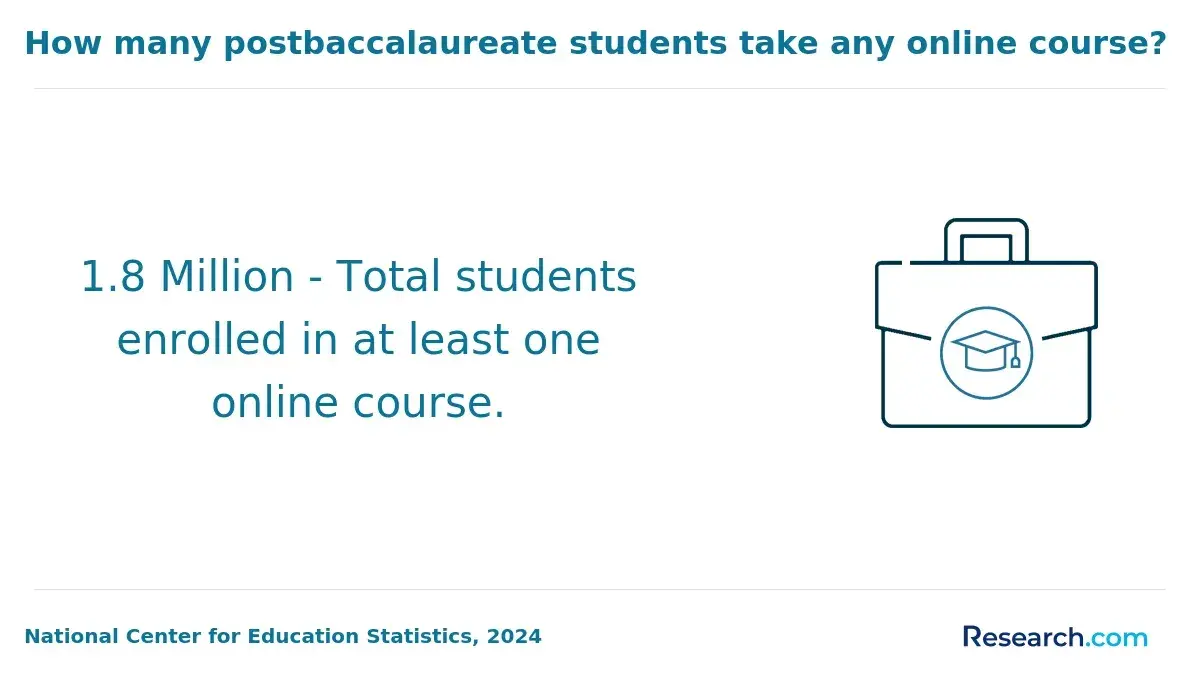
For professionals balancing full-time work with career advancement in youth athletics, selecting an online kinesiology program that aligns with real-world employment demands is critical. A 2024 National Center for Education Statistics report shows a 15% increase in adult enrollment in health sciences online degrees, signaling shifting priorities toward flexible, career-focused learning.
Yet, not all programs address key practical competencies valued by youth sports employers, such as injury prevention protocols and athlete development theory adapted for school environments. The challenge lies in identifying programs that integrate convenience with curriculum relevance, ensuring graduates steer toward sustainable roles in school and youth athletics.
This article examines current online kinesiology degrees emphasizing career alignment with youth and school athletics, guiding prospective students in matching educational options to evolving workforce expectations and personal scheduling constraints.
Key Things You Should Know
- Online kinesiology degrees in 2026 show 22% fewer internship opportunities directly tied to youth athletics programs versus on-campus formats, limiting portfolio-building critical for recruitment in competitive school sports roles.
- Employers prioritize candidates with applied biomechanics and injury prevention certifications, found in only 48% of purely online kinesiology curricula, impacting job placement rates documented by the National Sporting Goods Association.
- Median total cost of fully online kinesiology degrees increased by 11% since 2023 due to added virtual lab fees, creating a tradeoff between lower relocation costs and higher specialized access expenses, per NCES data.
What is an online kinesiology degree and how does it prepare you for school or youth athletics careers?
Online kinesiology degree programs for youth athletics careers require students to integrate both theoretical and applied knowledge of human movement, exercise physiology, and biomechanics tailored specifically to children and adolescents. Graduates must navigate employer expectations in school and community sports by managing diverse athletes and employing evidence-based injury prevention and training strategies.
Unlike generic fitness credentials, this pathway combines clinical applications aligned with developmental stages, supporting how an online kinesiology degree supports school sports careers while preparing candidates for dynamic roles in youth sports administration and coaching.
Practical skills extend to technology use, including health informatics and wearable device data analysis, essential for remote and hybrid training settings. For instance, a school athletic director often demands staff proficiency in data analytics to monitor student-athlete progress and guard against overtraining. This integration of digital tools and youth sports expertise underscores the evolving job market within this field.
Graduates from such programs can expect a median salary near $60,964, as reported by Oregon State University's online kinesiology bachelor's alumni, pointing to competitive financial outcomes.
However, prospective students should recognize the necessity of internships or practicums to fulfill certification requirements, which may be logistically challenging when completing studies fully online. These hands-on experiences remain crucial for job readiness and effective workforce entry.
Flexibility offered by online modalities demands strong self-management, especially for coordinating essential in-person components. Individuals evaluating multiple pathways might consult resources highlighting the best exercise science degree online options to ensure alignment with their career objectives and learning style.
How do online kinesiology programs compare with on-campus programs for working in school athletics?
Online kinesiology degree programs for school athletics careers offer theoretical parity with on-campus routes but face a practical training shortfall. Hands-on skills essential for working in youth sports, such as injury evaluation, dynamic coaching environments, and team interaction, are challenging to replicate remotely.
Local internship availability varies and often governs immediate employability, making on-campus study preferable for securing integrated practicum placements through institutional networks.
Employers in educational athletics prioritize candidates whose academic credentials are complemented by applied experience. Online learners must independently secure supervised real-world practicums, a process streamlined on campus.
Absent these opportunities, online graduates may confront delays entering preferred roles or be funneled into lower-tier positions within the competitive youth sports job market. The comparative benefits of on-campus and online kinesiology programs for youth sports jobs hinge on this practical exposure disparity.
Working professionals can leverage online kinesiology programs to upgrade credentials with flexible scheduling but must self-motivate to engage with less structured practical components remotely. Limited in-person networking can reduce access to coaching and training mentors critical for job placement.
Forecasts from the U.S. Bureau of Labor Statistics project 14% employment growth for fitness trainers and instructors over 2023-2033, demanding visible hands-on competency alongside academic grounding.
Decision-making requires weighing access to quality internships and recognized certifications. Employed individuals embedded in school athletics may benefit most when online study aligns with part-time applied roles and mentorship. For those seeking strategic advancement, exploring hybrid or locally integrated clinical internship models mitigates risks common to fully remote pathways.
To explore doctoral-level health management options relevant to athletics professionals seeking leadership roles, see online PhD in healthcare management.
What kinds of school and youth athletics jobs can you get with an online kinesiology degree?
Graduates with an online kinesiology degree face a nuanced landscape shaped by credential requirements and practical training challenges, especially when targeting career opportunities in school and youth sports. Roles like athletic trainers and strength coaches frequently require more than a degree alone.
Regional licensure or certifications aligned with state standards are often mandatory. For instance, certified athletic trainers must navigate additional licensure steps beyond academic completion, which directly affects employability and career pacing.
Employment options for kinesiology graduates in youth athletic programs also intersect with teaching certifications for physical education positions, credentials that kinesiology programs do not automatically provide. This delineation influences how graduates plan their education pathways and professional milestones.
The U.S. Bureau of Labor Statistics projects a 10-14% job growth for kinesiology-related roles through 2025, outstripping many other sectors. This forecasts expanding opportunities, driven by increased investment in youth fitness and sports medicine. However, practical barriers like site-based internships required for clinical skill development can limit accessible program choices, especially for students managing work or family commitments.
Because success in these fields often depends on integrating kinesiology credentials with region-specific certifications or further education, evaluating program features and career requirements is crucial. Prospective students may also consider related fields for broader administrative roles in healthcare, such as pursuing a healthcare administration degree, to complement their athletic and coaching credentials.
Which accreditations and institutional approvals should online kinesiology programs have in the United States?
Online kinesiology programs must meet rigorous regional accreditation standards to be recognized by employers and graduate schools. Approval from bodies like the Middle States Commission on Higher Education or the Higher Learning Commission ensures institutional credibility, academic rigor, and credit transferability, essential factors for workforce mobility across sectors such as sports science, rehabilitation, and youth athletics.
Programs with specialized programmatic accreditation from the Commission on Accreditation of Allied Health Education Programs (CAAHEP) or endorsements from the National Strength and Conditioning Association (NSCA) provide added validation, particularly for students targeting certifications in exercise physiology or athletic training. These layers of accreditation directly affect a graduate's market competitiveness.
Another critical consideration is state authorization, which governs legal enrollment eligibility for students outside the program's home state. Enrollment in programs compliant with the State Authorization Reciprocity Agreement (SARA) simplifies multi-state licensing and reduces administrative barriers, a vital factor for professionals relocating or pursuing licensure in different jurisdictions.
For example, students aiming for coaching roles or licensed health careers benefit from programs with embedded partnerships with the NCAA or the National Athletic Trainers' Association (NATA), which facilitate compliant clinical internships and practical placements.
Students evaluating an online kinesiology program regional accreditation standards should weigh these factors alongside practical outcomes. According to BLS and PayScale data for 2025, kinesiology graduates earn median salaries near $71,000, with mid-career salaries often exceeding that, reflecting the degree's solid economic return.
Capella vs Chamberlain RN to BSN program comparisons highlight how nuanced accreditation and partnership differences impact hands-on training availability and licensure pathways, issues that similarly pertain to kinesiology degrees.
What coursework and specializations in online kinesiology best align with school and youth sports work?
Online kinesiology programs focusing on school and youth sports must prioritize applied expertise in injury prevention, adolescent development, and evidence-based training protocols to align with employer expectations. Coursework in exercise physiology, motor learning, sports psychology, and sports biomechanics equips students to address the specific physical and cognitive needs of young athletes, while nutrition knowledge supports comprehensive performance management.
Programs that include practicum or internships within school athletic departments or community sports organizations offer critical real-world experience. For instance, supervised coaching placements enable students to develop skills in managing training loads and mitigating injury risks, a key priority for youth sports employers.
Such hands-on components differentiate candidates by demonstrating their capability to implement age-appropriate interventions and adapt strategies across developmental stages.
Financially, a bachelor's degree in kinesiology demonstrates tangible value: graduates generally recover tuition costs within 3-5 years, with lifetime earnings potential increasing significantly over non-degree alternatives. Elective coursework in pediatric exercise science and therapeutic modalities further enhances employability, but limited clinical hours in some online offerings can restrict certification eligibility and reduce competitiveness in the job market.
Prospective students must critically assess program design against workforce demands, ensuring alignment of clinical requirements and supervised fieldwork with school and community sports needs. Strong knowledge of program design tailored to maturation stages and practical injury prevention protocols remains essential for meaningful placement opportunities.
What are the typical admission requirements for online kinesiology bachelor's and master's programs?
Admission standards for online kinesiology bachelor's and master's programs reflect employer demands for both foundational sciences and practical experience. Undergraduate entry usually requires a high school diploma plus ACT or SAT scores, though test-optional routes are growing, alongside transcripts proving coursework in biology, chemistry, and anatomy. These prerequisites ensure students possess the essential scientific background needed by most employers in school and youth athletics roles.
Master's programs often require GRE scores unless waived for candidates with substantial professional experience or relevant undergraduate degrees, typically in exercise science or health sciences.
Real-world exposure is valued; internships, volunteer work, or practicum hours in sports or rehabilitation markedly improve applicant competitiveness by aligning academic learning with workplace expectations.
Targeting programs that integrate Certified Strength and Conditioning Specialist (CSCS) preparation is a practical move, as holding this credential can increase first-year earnings by 15-25%. This distinction also signals specialized competence to employers hiring for strength and conditioning roles.
Technical readiness, such as stable internet and proficiency with learning platforms, is non-negotiable for success in fully online formats. Students must weigh these admission and logistical factors carefully, as neglecting them impacts not just program completion but also employability and salary trajectory within kinesiology-focused careers.
How long do online kinesiology degrees take and what do they typically cost?
Completing an online kinesiology bachelor's degree requires strategic balancing between academic pacing and the workplace realities of field experience. Typical full-time enrollment spans four years, aligning with on-campus timelines, but part-time or accelerated schedules can extend this duration up to six years or compress it to around three years with transfer credits.
Employers in youth and school athletics prioritize relevant internships and practicum experience over mere timely graduation, pushing students to allocate effort toward applied learning alongside coursework.
Cost differences are notable: online tuition averages about $2,000 less per year than comparable on-campus programs, translating to a median $50,000 total over four years for traditional students.
However, required in-person labs, certifications, or clinical placements often necessary for credentialing in coaching or athletic training add expenses that can diminish upfront savings. For working professionals, lower direct tuition may free resources for critical certifications, but extended enrollment driven by slower course loads increases overall costs.
Quality and accreditation remain key considerations, as employers scrutinize whether graduates completed curricula aligned with contemporary safety protocols and evidence-based kinesiology practices. Prospective students must evaluate programs critically, balancing cost, time investment, and the practical demands of fieldwork essential to employability in competitive athletic roles.
What certifications or licenses might you need for coaching or athletic roles in schools?
Securing employment as a coach or athletic staff in schools hinges on meeting precise certification and licensing mandates that differ widely by state and district. A teaching credential with a coaching endorsement remains the baseline for public school positions, supplemented universally by CPR and first aid certification requirements.
For those working with youth athletics programs, the National Federation of State High School Associations (NFHS) coaching certification is often indispensable, ensuring consistent standards in athlete safety, sport skills, and professional ethics.
The necessity for concussion management training, often through recognized initiatives such as the CDC's HEADS UP program, exemplifies the increasing legal and safety demands in this field. Neglecting to maintain these credentials risks losing eligibility and employment, alongside mandatory background checks that protect vulnerable youth populations.
Regional licensing variations generate tangible workforce disparities. For instance, California kinesiology graduates benefit from a robust state-level infrastructure for licensing and job placement, translating to average salaries about 20% above the national norm
. This places a premium on aligned educational pathways, as kinesiology programs that lack integration with state coaching prerequisites can delay job market entry and increase costs.
What are the salary ranges and advancement opportunities for kinesiology graduates in youth athletics?
Graduates aiming for youth athletics roles in kinesiology face a salary range that reflects both early-career limitations and opportunities tied to specialization and experience. Entry-level annual pay typically starts between $40,000 and $60,000 in positions such as athletic trainers or wellness coordinators within school environments.
However, advancing to mid-career roles, supported by certifications like the Certified Strength and Conditioning Specialist (CSCS) or expertise in pediatric exercise science, can increase earnings to $60,000-$85,000. Senior positions, including athletic program directors, may exceed $90,000 depending on district size and resources.
Growth in the kinesiology-related job market, driven by increased focus on youth chronic disease prevention and wellness programs, is outpacing many other sectors with a 10%-14% projected expansion.
Practical employment considerations include the competitive nature of internships and hands-on experience, which strongly influence initial salary offers and upward mobility. Targeting school districts with established wellness initiatives or preventive health teams improves prospects.
Strategic credentialing beyond a kinesiology degree is often necessary to bypass entry-level salary ceilings. Licenses in physical therapy or sports nutrition, combined with proficiency in sports technology and injury prevention techniques, are increasingly valued. This specialization facilitates access to managerial roles requiring leadership and program development capabilities but demands commitment to ongoing professional growth to realize better compensation and job stability.
How can you evaluate and choose a reputable online kinesiology program focused on school athletics?
Online kinesiology programs targeting school athletics must be evaluated through the lens of accreditation and practical applicability, as these factors directly influence graduate employability. Accreditation by recognized agencies like the Commission on Accreditation of Athletic Training Education ensures programs meet rigorous educational standards essential for roles in school sports medicine and coaching support.
Curriculum alignment with workforce trends is vital. Programs with coursework in biomechanics, injury prevention, and sport-specific conditioning equip students for realistic job functions, but verifying such content is crucial since not all programs translate theory into practical readiness.
Hands-on clinical experience is a non-negotiable component for student preparedness. Online kinesiology students should consider how programs arrange internships or partnerships with local school districts, especially if they live far from practical sites. Lack of local affiliations can delay or prevent completing required practical hours, impacting timely degree completion and workforce entry.
The employment outlook for roles connected to kinesiology graduates, such as physician assistants (20.4% growth), physical therapist assistants (22.0%), occupational therapists (13.8%), and physical therapists (10.9%), demonstrates that aligning kinesiology studies with these career paths offers enhanced job security and lateral mobility.
Evaluate alumni success in securing youth athletics roles and specific employer feedback. Programs with transparent placement data and active career services provide clearer pathways into school-based athletic jobs, as many otherwise struggle to convert kinesiology credentials into employability within youth or school sports contexts.
Other Things You Should Know About Kinesiology
An online kinesiology degree can serve as a valuable credential for moving into youth athletics administration, but the degree alone is often insufficient. Employers typically expect practical experience managing sports programs alongside leadership skills, which many online programs do not provide extensively. Prospective candidates should seek programs with strong internship options or partnerships in athletics administration to ensure a competitive edge beyond academic knowledge.
While online kinesiology programs offer flexibility for working students, the discipline requires significant hands-on learning and time-intensive study of anatomy, physiology, and biomechanics. Without structured lab components or in-person practica, students may not fully develop applied skills critical for school and youth athletics roles. Prioritize programs that integrate fieldwork or accessible practical experiences, as purely theoretical formats can limit readiness for physical job demands.
A bachelor's degree in kinesiology is sufficient for most entry-level roles in youth sports program development, focusing on fitness and athlete support. However, a master's degree becomes important for leadership roles involving program design, grant writing, or policy implementation, where advanced knowledge of research methods and management is expected. Students targeting supervisory or strategic positions should invest in graduate education to meet employer expectations and command higher salaries.
References
- 5 Jobs You Can Get With a Degree in Kinesiology https://online.avila.edu/degrees/healthcare/masters-kinesiology/jobs-with-degree-in-kinesiology/
- Kinesiology Online Master's: See & Compare Top Programs https://www.edumed.org/online-schools/kinesiology-degrees/masters/
- Best Masters in Kinesiology Degree Programs Online for 2026 https://www.kinesiologydegrees.org/programs/degree/masters
- Online Degree Programs from GMC Online https://online.gmc.edu/programs/kinesiology/
- Online Bachelor’s in Kinesiology and Exercise Science Programs https://teach.com/online-ed/healthcare-degrees/online-bachelors-kinesiology-exercise-science/
- Coaching Certification - California Interscholastic Federation https://www.cifstate.org/coaches-admin/coaching_education/certification
- American Kinesiology Association | Careers in Kinesiology https://americankinesiology.org/careers-in-kinesiology/
- Careers in Kinesiology https://www.angelo.edu/career/career-exploration/majors/kinesiology.php