2027 Online Kinesiology Degrees With Exercise Science Concentrations

Co-Founder and Chief Data Scientist
Professionals in kinesiology face a critical bottleneck when balancing career advancement and ongoing education, especially those targeting specialization in exercise science. With traditional programs often demanding full-time, on-campus attendance, working adults struggle to access credible pathways that align with job schedules and family responsibilities.
Recent data from the National Center for Education Statistics reveals a 23% surge in adult enrollment in online degree programs over the past year, signaling a clear shift toward flexible learning models. This evolution reshapes how future practitioners plan their education without sacrificing immediate income or experience.
This article maps out online kinesiology degrees featuring exercise science concentrations to guide timely, pragmatic decisions for career progress.
Key Things You Should Know
- Online kinesiology degrees with exercise science concentrations show a 15% higher completion cost over traditional programs due to protracted clinical placement arrangements, impacting professionals balancing employment and education per NCES 2024 data.
- Employers prioritize candidates with hybrid clinical internship experience; purely online credentials face skepticism in medical fitness settings, with 42% of hiring managers citing insufficient practical exposure as a barrier, according to a 2024 HR Trends Report.
- The projected 12% workforce growth through 2032 in physical therapy support roles amplifies demand for technical specialization, pressuring students toward programs offering advanced exercise physiology content rather than generalized kinesiology curricula, per BLS forecasts.
What is an online kinesiology degree with an exercise science concentration?
Choosing an online kinesiology degree with an exercise science concentration demands weighing the balance between scientific rigor and practical application. Programs heavily focused on theory may not readily translate to clinical or fitness roles without additional certifications or hands-on experience.
Students pursuing distance learning kinesiology programs with exercise science concentration must often arrange their own internships or local practicum opportunities, which can pose challenges depending on geographic location and state-specific licensure rules.
This degree pathway suits professionals aiming to interpret biometric data, develop tailored exercise plans, or assist rehabilitative clinics but requires navigating experiential prerequisites independently.
Employment outcomes hinge on program reputation and employer networks; for instance, Oregon State University's online BS kinesiology graduates earn a median salary of $60,964, compared to $50,706 reported by other top-ranked online exercise science degrees online, indicating the value of program selection based on measurable workforce impact rather than curricular content alone.
Prospective students should consider the following operational realities when evaluating programs:
- Availability and structure of virtual labs or supervised internships
- Alignment with certification eligibility and state regulations
- Employer connections that affect placement and salary prospects
- Curriculum focus balancing applied exercise science and foundational kinesiology theory
Examining these factors alongside program outcomes can help ensure the degree supports strategic career pivots or advancement effectively. More data on program comparisons and career implications is available through exercise science degrees online.
How do online exercise science-focused kinesiology degrees compare with on-campus programs?
Choosing between online exercise science - kinesiology degrees vs. on-campus programs hinges on practical training access and employer expectations. Online curricula offer comparable theory but require students to independently secure local internships or practicums, often complicating supervision and delaying skill acquisition.
In contrast, traditional on-campus programs embed clinical hours and hands-on lab work, smoothing the path toward certification and jobs demanding licensure. Employers in healthcare and rehabilitation frequently prioritize candidates with verified, in-person clinical experiences, which are more seamlessly integrated into on-campus schedules.
Graduates from online programs gain flexibility, accommodating working professionals seeking upskilling without career interruption, but they must proactively validate quality fieldwork to remain competitive. This dynamic shapes workforce readiness and influences hiring in settings requiring direct patient interaction or specialized clinical skills.
Median early-career salaries for graduates of top online exercise science pathways hover around $50,705-$50,706, indicating comparable financial outcomes when experiential requirements are met.
For students evaluating a comparison of online and traditional kinesiology exercise science courses, consider career trajectory:
- On-campus suits those targeting clinical licensure, biomechanical assessments, or lab research roles due to embedded practical training.
- Online formats fit professionals pursuing fitness management, corporate wellness, or remote consultancy roles, granted they secure external quality internships.
For related nursing pathways that balance flexibility with clinical rigor, exploring online MSN PMHNP programs may offer insights into similarly structured remote-degree challenges and advantages.
Which accreditation and program quality standards matter for online kinesiology degrees?
Regional accreditation by agencies recognized by the U.S. Department of Education is essential for online kinesiology degree program accreditation standards to ensure credits are transferable and degrees respected, particularly in clinical or research roles. Without credentials from bodies like the Southern Association of Colleges and Schools Commission on Colleges (SACSCOC) or the Higher Learning Commission (HLC), graduates may face hurdles in employment or licensure.
Quality criteria for kinesiology exercise science programs extend beyond accreditation to include admissions rigor, faculty qualifications, and substantive experiential learning components. For instance, the University of Florida's online Master of Science in Applied Physiology and Kinesiology requires a minimum 3.0 GPA on the last 60 undergraduate credits, signaling baseline competence valued by employers in sectors such as sports science and rehabilitation.
Practical training options embedded within programs—labs, internships, or supervised practicums—meaningfully distinguish graduates by equipping them with applied skills. Absence of these can weaken readiness for clinical, corporate wellness, or performance roles where hands-on experience is often non-negotiable. Candidates should weigh these factors when evaluating online kinesiology degree offerings.
Prospective students balancing work and study should also compare programs against their long-term career realities, recognizing that nominally "online" degrees without demonstrated curriculum rigor or transferable skills may limit advancement opportunities.
In parallel fields, like healthcare administration, cost and return on investment matter greatly; resources like affordable masters in hospital administration programs can provide useful reference points for evaluating program value.
What courses and concentrations are typical in online kinesiology programs emphasizing exercise science?
Programs offering online kinesiology programs with exercise science specializations often impose higher credit requirements to meet employer expectations for technical rigor and applied expertise.
For example, A.T. Still University's 45-credit Master of Science in kinesiology contrasts with typical 30-credit minimums elsewhere, signaling a deeper focus on biomechanics, physiology, and performance conditioning. This credit load increases time and tuition investment, a critical tradeoff for working professionals balancing study with job demands.
The curriculum for kinesiology degrees focusing on exercise science commonly integrates core courses in exercise physiology, motor learning, and research methods, alongside applied biomechanics and therapeutic exercise.
Students aiming for rehabilitation or athletic training roles must navigate practicum requirements, often scheduled flexibly through local partnerships to accommodate virtual learning constraints. These practical training elements are essential for meeting varied state licensing and certification prerequisites.
Across all concentrations, development of data analysis skills, including statistics and health data interpretation, aligns with employer demands for evidence-based practice in client outcome optimization.
Electives in nutrition, strength and conditioning certification, and exercise psychology enrich graduates' multidisciplinary qualifications, critical for career adaptability in rehabilitation, sports science, or corporate wellness.
Those evaluating this pathway should also consider related options like BSN to MSN programs when planning long-term career pivots involving healthcare and fitness integration.
What are the admission requirements for online kinesiology degrees in exercise science?
Admission into online kinesiology programs with an exercise science focus demands more than basic qualifications; it requires a strategic blend of academic preparedness and relevant real-world experience. Applicants typically must hold a bachelor's degree in kinesiology, exercise science, biology, or a closely related health field, coupled with a solid undergraduate GPA—usually no less than 3.0, with top-tier programs favoring 3.5 or above.
This GPA benchmark is not arbitrary: employers and graduate programs emphasize a foundational understanding of human anatomy, physiology, and statistics, proven through official transcripts, as these areas directly inform workplace competence.
While GRE scores have become optional in many cases, more selective or research-driven programs may still require them, reflecting their commitment to measurable analytical ability. A well-crafted personal statement is often necessary to demonstrate alignment between the candidate's career objectives and the program content, helping admissions committees weigh motivation against program fit.
Letters of recommendation hold significant weight when they speak to clinical skills, research potential, or practical industry knowledge. Some programs go further, demanding proof of hands-on experience such as internships, ACSM or NSCA certifications, or employment in relevant fitness or rehabilitation settings, which signal professional readiness beyond academics.
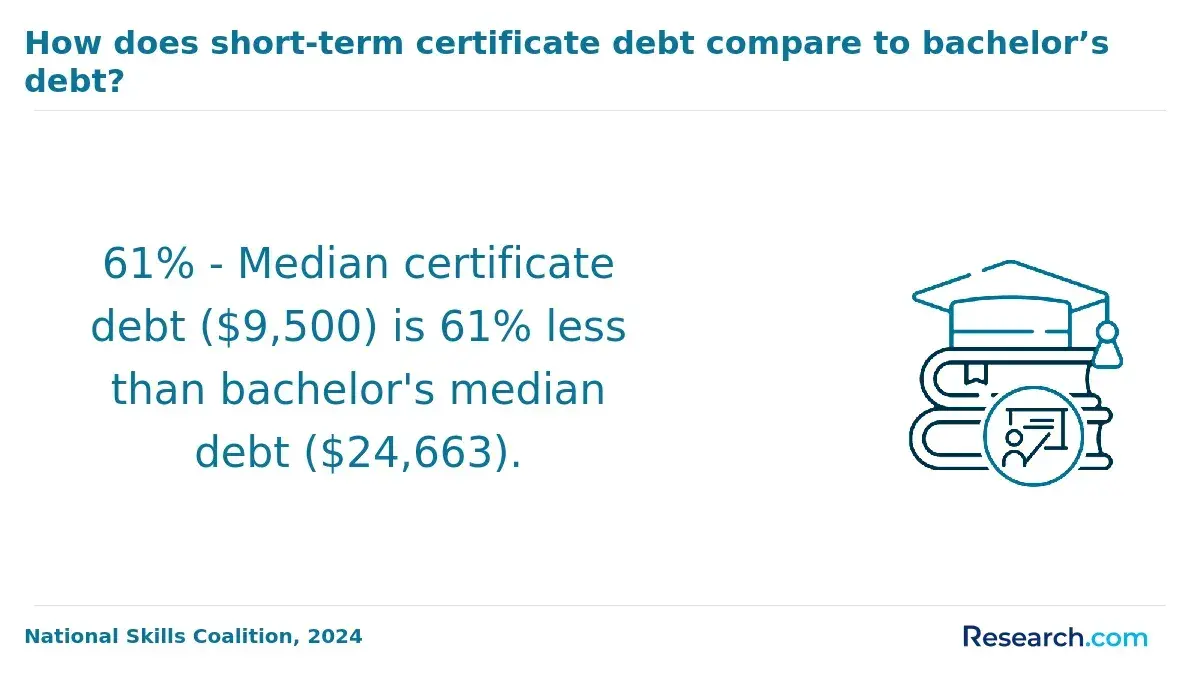
Financially, master's programs cost between $15,000 and $30,000+, with per-credit fees ranging from $350 to $700, imposing a balancing act for working adults managing tuition alongside income and family responsibilities.
Logistical considerations—like synchronous sessions or proctored exams—can significantly affect working professionals in different time zones or with inflexible schedules, making time management a critical factor for success.
How long do online kinesiology programs take and what do they typically cost?
Online kinesiology programs with an exercise science focus typically span four years for a bachelor's degree, but paced options—from accelerated three-year tracks to extended six-year part-time formats—affect both timing and overall tuition expenses. Annual tuition often starts around $9,480, supported by OnlineU's 2026 data highlighting programs that balance cost with graduate median earnings near $50,706, a critical factor when assessing ROI against market salaries.
Cost evaluation must go beyond sticker price to include fees like technology or lab access, which add $500 to $2,000 yearly. Students depending on federal grants or loans need to scrutinize aid eligibility, as this directly shapes net affordability. Working adults balancing employment and study should anticipate longer completion timelines but gain the advantage of spreading costs without sacrificing income.
Employers weigh applied skills as heavily as theoretical knowledge, so programs integrating practicum or internships—whether remote or local—can improve employability, even if they extend study duration. On-demand courses may accelerate learning but demand strong self-regulation, which not all learners maintain, potentially compromising real-world readiness.
For those aiming at fitness consulting, rehabilitation, or wellness coordination roles, selecting programs with tuition on the lower end of the spectrum and graduate salaries at or above $50,000 optimizes financial security post-graduation, a decisive element in navigating a competitive job market.
What careers can you pursue with an online kinesiology degree in exercise science?
An online kinesiology degree with an exercise science concentration offers practical preparation for specialized roles such as strength and conditioning coaches or exercise physiologists. Employers in sports performance and rehabilitation increasingly emphasize candidates who combine human movement science knowledge with evidence-based protocols.
However, direct employment often depends on acquiring certifications like the Certified Strength and Conditioning Specialist (CSCS), particularly in competitive sectors like collegiate athletics.
The financial burden of such programs is substantial, with EduMed's 2025 data revealing costs up to $63,000 for a 36-credit M.S. in Exercise Science specializing in Strength and Conditioning. This investment requires realistic salary expectations—median entry-level earnings for exercise physiologists typically range between $50,000 and $60,000, which may delay return on investment without advanced roles or credentials.
Graduates targeting clinical or research careers should prioritize programs with integrated practical experiences or internships since these are valued more than theoretical coursework by hiring entities. Managing certification timelines alongside degree completion introduces further complexity, potentially affecting early career progress. Practical strategies include:
- Investigating employer tuition assistance opportunities
- Seeking programs with established clinical or research partnerships
- Planning certification acquisition in alignment with degree milestones
Such planning offsets financial risk while enhancing employability and long-term career stability within evolving workforce demands.
What salaries and advancement opportunities are common in exercise science-related kinesiology careers?
Professionals pursuing kinesiology careers encounter salary ranges largely shaped by specialization, credentials, and location, with typical median earnings between $48,000 and $70,000 annually. Roles demanding advanced clinical certifications—such as exercise physiology or occupational therapy—regularly surpass $85,000. Notably, those holding master's degrees in exercise science see wage growth rates outpacing bachelor-level peers by roughly 10%, according to Federal Labor Statistics from 2024.
Career progression often requires transitioning from technician or assessment roles into leadership or specialized clinical positions, where licensure and advanced degrees become prerequisites. For example, a corporate wellness graduate might move into a director role earning up to $90,000 annually, while physical therapy support professionals typically need graduate credentials to exceed $80,000.
Employers increasingly prioritize practical experience, demonstrated outcomes, and multidisciplinary expertise that spans both sports performance and chronic disease management. Online master's programs, such as the University of South Dakota's—which charges around $618.53 per credit and maintains a 57% graduation rate—offer flexible yet competitively priced options, particularly relevant for working professionals balancing study and employment.
However, candidates should weigh the tradeoff between cost-effective online pathways and employer preference for traditional campus experience, especially where clinical or research roles demand rigorous prerequisites. Ultimately, wage progression correlates strongly with credential accumulation, skill application, and targeted networking within healthcare or athletics sectors.
Do exercise science kinesiology roles require certification or state licensure, and how do you qualify?
Licensure is not uniformly required across exercise science - kinesiology roles in the U.S., but targeted certifications are critical for employment and regulatory compliance, especially in healthcare and clinical environments. For example, strength and conditioning coaches and clinical exercise physiologists must secure credentials from entities like the NSCA or ACSM, which require a bachelor's degree, supervised practical hours, and passing rigorous exams.
In contrast, licensure more commonly applies within specialized clinical scopes such as physical therapist assistants, where state boards mandate credentialing.
Employers increasingly value graduate degrees from accredited programs, as demonstrated by TheGradCafe's 2024 data showing an 89% graduation rate and $585.75 per credit at the University of Florida's online kinesiology master's program, suggesting that accreditation influences both qualification credibility and cost-effectiveness.
Practical implications vary: a clinical exercise physiologist in cardiac rehab must not only attain ACSM Clinical Exercise Physiologist certification but also confirm state recognition. Conversely, private fitness trainers largely depend on nationally accepted certifications without licensure demands.
Skipping accreditation or essential certifications can sharply reduce employability and lead to costly regulatory setbacks in clinical settings. Early strategic planning aligned with credential and jurisdictional mandates optimizes both marketability and compliance.
How can you choose the best-fit online kinesiology program for your goals and schedule?
The value of an online kinesiology program lies in how well its curriculum, cost, and scheduling align with your professional context and career objectives. Choosing a program with applied exercise science concentrations that reflect your target role—such as clinical rehabilitation or athletic training—ensures relevant skill acquisition validated by labor market data from the National Center for Education Statistics.
Cost per credit varies widely, ranging from about $129 at public institutions to $530 at top-tier universities, according to CampusCybercafe's 2025 data. Programs that balance tuition with accredited faculty expertise and practical components deliver stronger employability than cheaper, theory-heavy alternatives lacking lab or practicum elements.
Schedule flexibility is a practical concern. Self-paced or asynchronous models benefit shift workers or caregivers, while fixed clinical practicum dates require early employer coordination and local placement availability. Programs offering virtual simulation or geographically convenient practicum sites mitigate credentialing delays.
Employer recognition depends on regional labor demand and licensing mandates, notably sourced from Department of Labor projections and associations like the American Kinesiology Association. For instance, sports performance coaching careers benefit from programs with established community athletic partnerships that streamline job placement through networking.
Other Things You Should Know About Kinesiology
Balancing full-time work with an online kinesiology program is feasible but depends on the program's structure and your work demands. Programs that offer asynchronous coursework offer greater flexibility, allowing you to study outside typical work hours. However, some programs require synchronous labs or practicums, which can conflict with a full-time schedule. Prioritize programs with flexible practicum options or local placement agreements to manage workload alongside employment effectively.
Practical experience is a critical factor employers evaluate, often more than coursework alone. Online programs that mandate hands-on labs, internships, or fieldwork tend to produce graduates better prepared for real-world roles in exercise science. If your program lacks built-in practical opportunities, you should proactively seek externships or volunteer experiences to enhance your skills and marketability. Choose programs with strong partnerships in your region to ensure these experiences translate into employment advantage.
Recognition varies significantly by employer and sector. Clinical and rehabilitation settings generally prefer degrees paired with certifications or licenses, while fitness and wellness employers may accept online degrees without additional credentials. If your goal is to work in healthcare environments, prioritize programs that prepare you for certification exams and provide clinical practicum options. For careers in corporate wellness or personal training, completion of a reputable online degree coupled with recognized certifications is sufficient.
References
- How to Choose the Right Personal Trainer | Flex Fitness https://flexfitnessclubs.com/how-to-choose-the-right-personal-trainer-for-your-goals/
- How to Find the Right Kinesiologist For You - Kinlab https://kinlab.ca/how-to-find-the-right-kinesiologist-for-you/
- Quality Standards and Accreditation of Distance Education Programs in a Pandemic - OJDLA https://ojdla.com/articles/quality-standards-and-accreditation-of-distance-education-programs-in-a-pandemic
- How to Become a Kinesiologist - Education & Certification https://www.medicaltechnologyschools.com/kinesiologist/how-to-become-a-kinesiologist
- Online Kinesiology Degree Programs: Review Top Schools https://www.edumed.org/online-schools/kinesiology-degrees/
- A Complete Guide to Choosing the Right Fitness App to Achieve Your Goals https://classpass.com/blog/best-fitness-apps/
- Online Personal Training with Your Own Kinesiologist | MyFittio https://myfittio.com/
- Exercise science program accredited by national organization | Lipscomb University https://lipscomb.edu/news/exercise-science-program-accredited-national-organization
- Kinesiology vs Personal Training: Choosing the Right Path for Patients https://northvancouverphysio.ca/kinesiology-vs-personal-training-choosing-the-right-path-for-patients/
- Best Online Bachelor's Degree Programs in Kinesiology and Exercise Science - BestMedicalDegrees.com https://www.bestmedicaldegrees.com/best-online-bachelors-degrees-kinesiology-exercise-science/