2027 Online Kinesiology Degrees With Applied Exercise Physiology Concentrations

Co-Founder and Chief Data Scientist
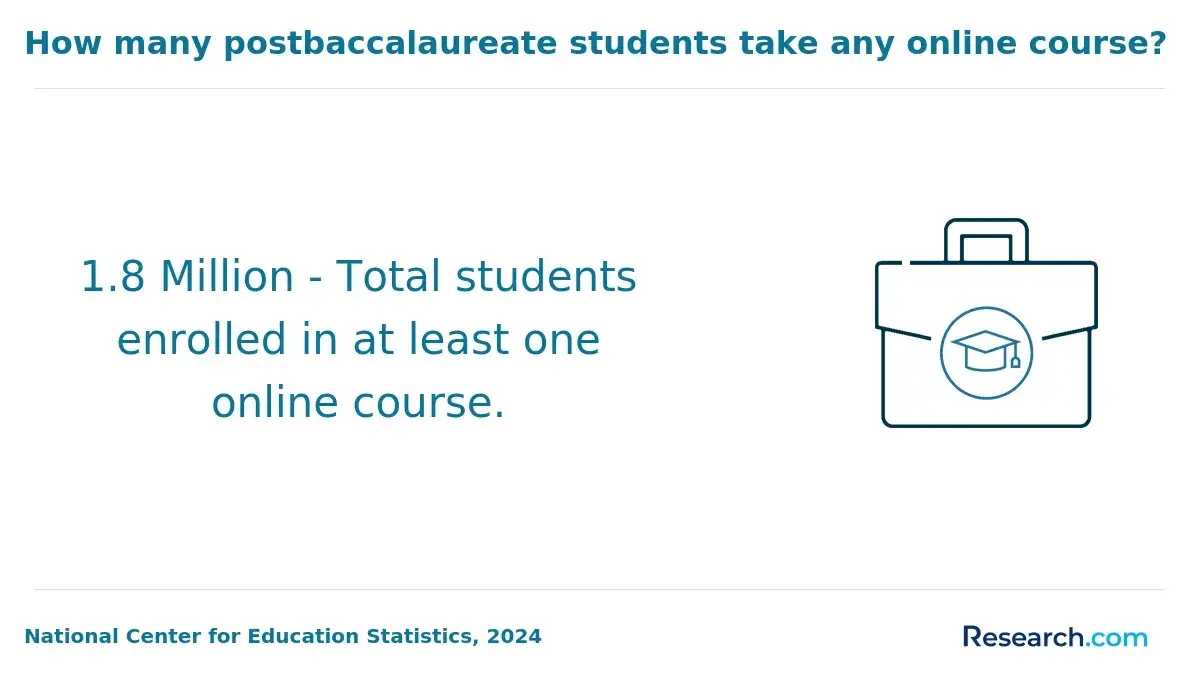
Balancing full-time work with acquiring a specialized degree in kinesiology often forces professionals to choose between career momentum and educational advancement. This friction intensifies as registered occupational injury rates rise, yet only 27% of adult learners pursue fully online programs offering the applied exercise physiology focus needed to stay competitive, according to the National Center for Education Statistics.
The limited availability of flexible, accredited options strains students who require adaptable scheduling and evidence-based training aligned with employer expectations. Addressing these constraints, this article reviews comprehensive online kinesiology degrees with applied exercise physiology concentrations to guide students toward choices that optimize accessibility, credential relevance, and career trajectory.
Key Things You Should Know
- Undergraduate online kinesiology degrees with applied exercise physiology concentrations show a 23% wage premium over general kinesiology, based on 2024 Bureau of Labor Statistics data, but require higher upfront cost and 20% longer program duration on average.
- Healthcare and rehabilitation employers increasingly prioritize candidates with practical exercise physiology skills, evidenced by a 37% faster job placement rate reported by the National Strength and Conditioning Association in 2024.
- Programs offering integrated applied physiology labs reduce onboarding time by 15% for employers, yet limit access due to geographic restrictions on in-person practicums, creating strategic tradeoffs in program selection.
What is an online kinesiology degree with an applied exercise physiology concentration?
An online kinesiology degree program with an applied exercise physiology focus demands a clear-eyed understanding of clinical and occupational realities. This concentration integrates comprehensive human movement and metabolic response knowledge with practical skills like cardiovascular assessment and exercise prescription that apply directly to populations such as cardiac patients, athletes, and the elderly.
Students pursuing distance learning kinesiology degrees specializing in exercise physiology should anticipate mandatory onsite clinical practicums or internships, which are essential for certification but often require coordination with local healthcare or rehabilitation facilities.
The U.S. Bureau of Labor Statistics projects a 10% job growth for exercise physiologists from 2022 to 2032, driven by growing demand for chronic disease management and preventive care in aging demographics. However, successful graduates typically must secure certifications like the Certified Clinical Exercise Physiologist, valued by employers in hospitals and clinical settings.
This creates the critical tradeoff of gaining accreditation and hands-on experience without interrupting professional obligations. Working professionals often choose online formats for this flexibility but should plan early to satisfy location-specific licensing and practicum conditions.
For example, a rehabilitation technician shifting to exercise physiology will need applied expertise in interpreting electrocardiograms and conducting exercise stress tests, highlighting the emphasis placed on advanced clinical skills in these programs. Evaluating program accreditation, curriculum focus on exercise testing technology, and employer recognition becomes vital for aligning education with workforce expectations.
Prospective students considering a nutritionist degree or similar credentials may benefit from exploring broader allied health degrees like this one to enhance interdisciplinary competence and employment versatility. Additional insights on related educational paths can be found at nutritionist degree.
How do online applied exercise physiology concentrations compare to on-campus programs?
Hands-on experience remains a decisive factor in employment outcomes for students pursuing online kinesiology degrees with applied exercise physiology concentration. While theoretical content aligns closely with on-campus counterparts, online programs often lack integrated, supervised labs that employers in rehabilitation and sports performance sectors expect.
For instance, licensure candidates must navigate additional onsite internships or proctored assessments, which online tracks typically outsource, creating logistical hurdles absent from campus-based curricula.
This tradeoff affects timely progression and practical skill acquisition. The workforce implication is significant: employers favor candidates who demonstrate observable clinical competencies rather than solely academic understanding.
Graduates of on-campus programs benefit from embedded clinical partnerships offering streamlined access to practicum placements, a resource online students must often secure independently.
Yet, for geographically isolated or working professionals, online applied exercise physiology programs provide necessary flexibility, albeit at the cost of proactive externship arrangements and potential delays or increased expenses.
The national demand for fitness and exercise professionals intensifies competition, with over 45,000 new jobs forecast from 2022 to 2032, raising the stakes for practical experience. Those seeking a strategic, accredited pathway amid these dynamics might also explore options including the easiest RN to BSN program online for alternative healthcare career pivots.
Which accreditations and program approvals should these online kinesiology degrees have?
Online kinesiology degree accreditation standards in the US heavily influence professional mobility and credential recognition, especially for applied exercise physiology concentrations. Regional accreditation from bodies like the Higher Learning Commission or Southern Association of Colleges and Schools Commission on Colleges is foundational but insufficient alone.
Specialized programmatic approval by the Commission on Accreditation of Allied Health Education Programs (CAAHEP) or affiliation with the American Kinesiology Association (AKA) ensures graduates meet industry expectations tied to biomechanics, exercise physiology, and evidence-based practice.
Employers prioritize candidates from programs with these recognized program approvals for applied exercise physiology concentrations, as this validates curriculum rigor and aligns with licensure or certification pathways such as Certified Exercise Physiologist (CEP). Without such approvals, graduates risk delays in certification or additional coursework requirements, creating workforce friction and potentially lowering initial salary offers.
Consider a working professional aiming to transition into clinical exercise roles. Degrees with CAAHEP approval provide a smoother path to certification and reduce redundancy in training. Oregon State University's online kinesiology program exemplifies this advantage, with graduates reporting a median salary of $60,964, ranking in the top 25% nationally per OnlineU 2026 data. These outcomes highlight practical tradeoffs between accredited versus non-accredited program selections.
Prospective students should verify both institutional accreditation and program-specific approvals to avoid credits or credentials that do not transfer or qualify for licensure across jurisdictions. Those seeking a master of healthcare administration should apply similar scrutiny to ensure efficient workforce integration and long-term professional value.
What admission requirements do online kinesiology programs with exercise physiology tracks typically set?
Admission requirements for online kinesiology programs with exercise physiology concentrations frequently reflect a need for both academic foundation and practical experience to align with employer expectations and field demands.
Candidates typically must hold a bachelor's degree from an accredited institution, often in kinesiology, exercise science, biology, or related health sciences, accompanied by a minimum cumulative GPA between 2.75 and 3.0. Essential foundational courses in anatomy, physiology, biomechanics, and statistics ensure students possess the necessary scientific background for graduate-level rigor.
Alongside academic standards, documented professional experience-usually one to two years in clinical, athletic, or rehabilitation settings-is a common prerequisite for these tracks. This experience is critical for students balancing employment while deepening applied exercise physiology knowledge, and it directly influences employability in specialized roles.
While GRE scores have become less universally required, programs may still request them for applicants with borderline GPAs. Letters of recommendation and a detailed personal statement contextualizing career objectives remain vital components for admissions.
Evaluating typical prerequisites for exercise physiology tracks in online kinesiology degrees also requires attention to total cost. For example, the University of Florida's online M.S. enrolls students at approximately $585.75 per credit, totaling $17,572.50 for 30 credits, which may outweigh upfront earnings for working professionals.
Strategic applicants should compare such investments with their anticipated return, considering program intensity and practicum demands.
Prospective students assessing alternative advanced healthcare options may also explore online direct entry MSN programs as a pathway with differing prerequisites and career trajectories.
What core courses and specializations are included in applied exercise physiology curricula?
Applied exercise physiology curricula are designed to meet employer demands by combining rigorous technical knowledge with practical application. Core courses in human anatomy, exercise physiology, biomechanics, and metabolic physiology create essential foundations, while specialized classes address clinical skills such as EKG interpretation and exercise testing for cardiac rehab or biomechanical injury assessments in occupational health.
Programs typically incorporate applied research methods and statistical analysis, enabling students to adapt evidence-based protocols across populations, from aging adults to competitive athletes.
Electives in sports nutrition, strength and conditioning, and chronic disease management further broaden career options, supporting transitions into preventive and fitness consulting roles. Certifications like ACSM's Certified Clinical Exercise Physiologist remain critical credentials employers prioritize for clinical practice.
The balance between online coursework and clinical internships reflects a key logistical challenge, especially in rural settings where securing practicum sites can limit timely degree completion. The University of North Dakota's online kinesiology master's program illustrates this practical tension, reporting strong employment metrics yet requiring local clinical placement that students must arrange independently.
Key considerations for prospective students include:
- Evaluating local access to clinical sites before committing to online or hybrid programs.
- Prioritizing programs that integrate lab simulations and interdisciplinary collaborations to reflect healthcare realities.
- Recognizing that salaries and employment outcomes often correlate with demonstrated clinical experience, not just coursework.
How long do these online kinesiology degrees take and what schedules do they offer?
Choosing an online kinesiology degree with an applied exercise physiology concentration requires balancing completion time with career goals and current commitments. Bachelor's degrees typically demand 3 to 4 years full-time but can be extended or accelerated depending on part-time study or professional schedules.
Master's programs add roughly 1.5 to 2 years post-bachelor's, focusing on more specialized knowledge that aligns with certification requirements for roles like clinical exercise physiologists.
Scheduling flexibility is a critical factor for working students:
- Fully asynchronous courses offer maximum timing control but limit live interaction.
- Synchronous sessions provide real-time engagement but require fixed weekly availability.
- Hybrid models combine asynchronous learning with scheduled labs or practicum elements, necessary for hands-on experience.
Part-time enrollment extends degree completion by 1 to 2 years but can make managing work-study balance more feasible. This tradeoff is essential for those balancing employment, as rushed timelines risk inadequate mastery or unmet internship requirements.
Employment projections indicate growth for clinical exercise physiologists (9%) and athletic trainers (17%) through 2031, emphasizing programs that integrate applied practice. The availability and structure of internships or supervised hours can directly affect a graduate's certification eligibility and readiness to enter clinical, rehabilitation, or sports settings.
How much do online kinesiology degrees cost and what financial aid is available?
Online kinesiology degrees with applied exercise physiology concentrations present a wide cost range, typically between $15,000 and $40,000 in total tuition. This variance hinges on factors such as institutional prestige, residency, and required credit hours-often spanning 40 to 120 credits.
Public universities usually offer more affordable in-state tuition rates around $300 to $600 per credit, contrasting with private institutions that may exceed $700 per credit. Prospective students must weigh these direct costs alongside indirect expenses like necessary technology and opportunity costs linked to extended study.
Financial aid options include federal programs such as Pell Grants and Direct Loans, accessible through FAFSA, which remain pivotal in mitigating upfront financial burdens.
Scholarships targeting health sciences and STEM can reduce costs but are highly competitive and merit-based. Employer tuition reimbursement can offset expenses for working adults, though eligibility often depends on program relevance and accreditation. Private loans should be considered cautiously due to their typically higher interest rates.
Employment outlook data, such as that from York College, shows a projected 19% growth in fitness training and instruction roles by 2031. Candidates entering the field should balance potential earnings against cumulative student debt, especially given entry-level salary constraints.
Prioritizing accredited programs with transparent costs, strong financial aid, and industry-aligned internships enhances return on investment and graduate employability.
What careers can you pursue with an online kinesiology degree in applied exercise physiology?
Graduates with an online kinesiology degree focused on applied exercise physiology often face a nuanced labor market where specialized skills such as exercise testing, metabolic evaluation, and tailored exercise prescriptions directly influence employability.
Clinical roles-particularly in cardiac rehabilitation-demand certifications like the Certified Clinical Exercise Physiologist credential recognized by the American College of Sports Medicine, pointing to the necessity of formal qualifications beyond the degree itself.
Career options stretch across strength and conditioning coaching in competitive sports, where data-driven programming aims to enhance athlete outcomes, to geriatric populations requiring intervention to maintain mobility and reduce fall risks.
The U.S. Bureau of Labor Statistics forecasts a 10% growth in these exercise physiology-related positions by 2032, illustrating steady demand.
Transitioning into corporate wellness program leadership leverages kinesiology knowledge to lower employer health costs but typically requires additional business or health promotion credentials, highlighting a common friction point for students pursuing broader roles.
Financially, programs like LSU Online's M.S. in kinesiology (Health Promotion & Sport Performance) charge $644 per credit hour without out-of-state fees, totaling $23,184 for 36 credits. Prospective students must balance such fixed tuition against the potential extra costs of in-person clinical internships, mandatory state licensure in some regions, and continuing education commitments necessary to maintain certification and market relevance.
What salaries and job outlook can graduates in applied exercise physiology expect?
Applied exercise physiology graduates face distinct salary and employment realities depending on their chosen sector and credentials. Median annual salaries generally range from $50,000 to $75,000, but clinical roles collaborating with rehabilitation teams often command $70,000 to $80,000, attributed to required advanced certifications like ACSM credentials.
By contrast, entry-level positions in fitness centers or corporate wellness settings start closer to $45,000 to $55,000, trading higher pay potential for more flexible schedules and diverse client interactions.
Growth in demand for applied exercise physiologists is projected at 12% through 2031, outpacing average occupational growth due to an increasing focus on preventive care and chronic disease management. However, this opportunity is tempered by workforce competition, especially as larger online programs expand graduate pools.
Practical challenges include the necessity of licensure or certification to access clinical roles, which can force new graduates into assistant positions initially.
Moreover, employers demonstrate a strong preference for candidates with applied concentrations and formal education, which correlate with improved patient outcomes. Students pursuing online degrees must weigh networking limitations and intensity of applicant pools against flexibility and program accessibility.
- Clinical roles typically offer higher salaries but require certifications and licensure.
- Fitness and corporate wellness positions offer flexibility but lower starting pay.
- Job growth benefits from healthcare shifts toward interdisciplinary health management.
- Licensure remains a notable barrier to clinical employment.
- Online degrees provide accessibility but encounter increased workforce competition.
How do you choose a reputable online kinesiology program in applied exercise physiology?
Choosing an online kinesiology program with an applied exercise physiology focus requires prioritizing tangible skill development over purely theoretical study. Employers in clinical and athletic environments emphasize graduates who demonstrate applied competencies like biomechanics, motor learning, and lab-based techniques-often validated through practicum experience.
Programs lacking hybrid elements or local hands-on components risk leaving students ill-prepared for certification requirements and real-world demands.
Faculty qualifications directly shape educational quality. Professionals actively engaged in research or clinical practice provide essential mentorship connecting coursework with contemporary professional standards.
This expertise influences employability, especially as job growth projections from BLS anticipate 25,300 new positions for coaches and scouts within a decade, signaling expanding opportunities in sport performance and rehabilitation roles.
Balancing delivery format and career objectives is critical. Fully asynchronous models offer flexibility but may force reliance on self-arranged local experiences. Hybrid programs with occasional on-site sessions better facilitate supervised skill acquisition.
Additionally, cost decisions should weigh program reputation and graduate outcomes more heavily than sticker price alone, as clinical experience and certification readiness carry decisive weight in hospital or collegiate hiring.
- Verify regional or specialized accreditation to confirm recognized standards.
- Assess course rigor in applied physiology and hands-on practicum offerings.
- Review faculty credentials for active research or clinical engagement.
- Consider employment data indicating successful job placement in growth sectors.
- Match program delivery style with your scheduling needs without sacrificing essential practical training.
Other Things You Should Know About Kinesiology
Yes, practical experience is essential despite the online format. Programs typically require clinical placements or internships to meet industry standards. These experiences are often arranged locally to accommodate students but can affect workload and scheduling flexibility, so prioritizing programs with strong local placement support improves career readiness and employer appeal.
Employers in exercise physiology increasingly accept online kinesiology degrees if the program includes accredited coursework and verified practical experience. However, candidates should expect heightened scrutiny on their hands-on training and internship quality, as these are critical for demonstrating applied skills. Graduates from programs lacking robust experiential components may face challenges in competitive job markets.
Prioritize programs with a clear emphasis on applied skills if your goal is to work directly in exercise physiology or clinical settings. Research-heavy tracks can limit time spent on developing hands-on competencies employers demand. For a career pivot or advancement, programs offering balanced coursework with practical physiology assessments tend to produce better employment outcomes.
References
- Online Exercise Science Program https://stmary.edu/online-programs/exercise-science.html
- MA in Kinesiology, Financial Aid & Scholarships https://www.stmarys-ca.edu/graduate-professional-studies/graduate-kinesiology/financial-aid-and-scholarships
- Exercise Science Careers: Paths with Degrees https://www.fitnessmentors.com/exercise-science-careers/
- Online Master of Science in Applied Physiology of Exercise https://catalog.ashland.edu/graduate-programs/ms-aes
- ESSA's career guide for Accredited Exercise Physiologists https://www.essa.org.au/Web/Web/Resources/Tools-and-templates/ESSA-AEP-Guide.aspx
- Best Online Master's Programs in Exercise Science https://www.onlineu.com/degrees/masters-exercise-science
- Online Kinesiology Degree Programs: Review Top Schools https://www.edumed.org/online-schools/kinesiology-degrees/
- Kinesiology and Exercise Science Careers Guide https://teach.com/online-ed/healthcare-degrees/online-bachelors-kinesiology-exercise-science/career-outlook/
- Best Online Kinesiology Degree Programs, Updated for 2026 https://www.kinesiologydegrees.org/programs/online