2027 Online Kinesiology Degrees for Personal Training Roles

Co-Founder and Chief Data Scientist
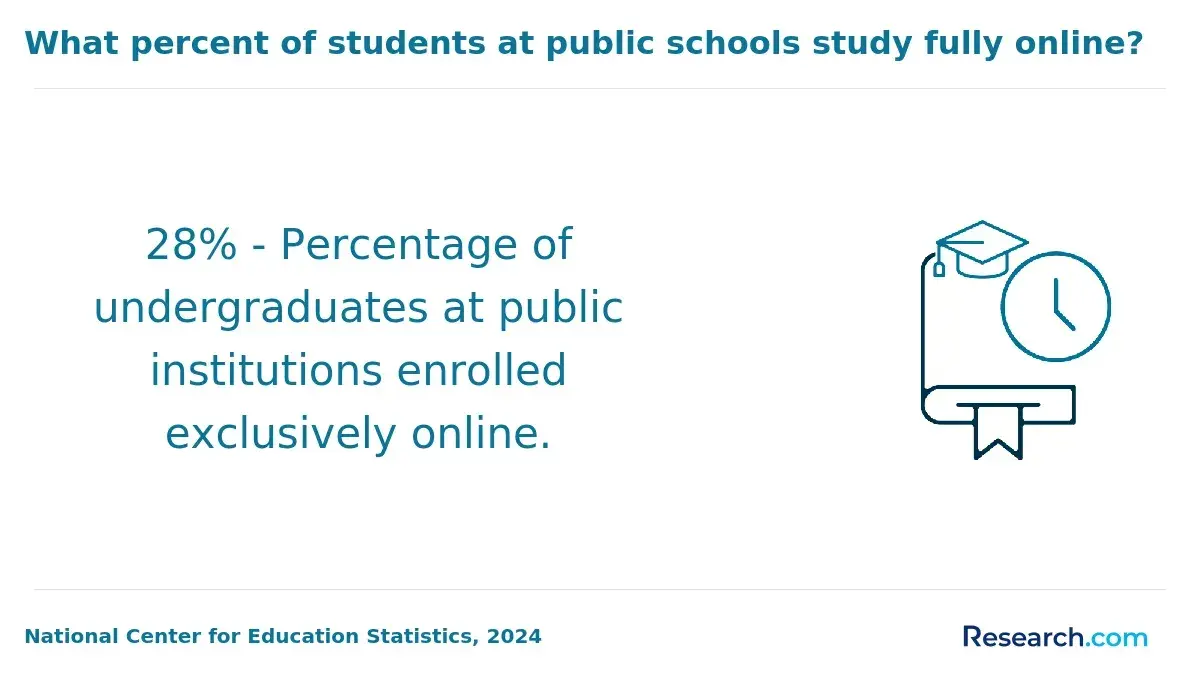
Professionals pursuing personal training roles in kinesiology face a pivotal challenge: accessing rigorous, accredited programs that fit nontraditional schedules without sacrificing academic quality. With more than 75% of adult learners juggling work and study, according to the National Center for Education Statistics, the demand for flexible online kinesiology degrees outpaces traditional campus offerings.
This reflects a broader transformation in higher education accessibility and workforce readiness, where asynchronous coursework and practical skill integration determine employability. The balance between program flexibility and employer-recognized credentials directly affects career mobility and market competitiveness.
This article evaluates current online kinesiology degree options tailored for personal trainers, focusing on practical program structures, admissions flexibility, and labor market outcomes to guide strategic education choices.
Key Things You Should Know
- Online kinesiology degrees in 2026 average $18,000 in total cost, but programs omitting extensive clinical practicums risk employer pushback due to insufficient hands-on assessment qualifications, per National Center for Education Statistics data.
- Employers increasingly prefer candidates with hybrid training combining online theory and local internships, as 67% of personal training job listings in 2025 cite practical kinesiology certification mandates, influencing hiring success.
- Extended program durations from part-time online structures add 12 months on average to career entry, increasing opportunity costs, especially for mid-career pivots where rapid skill acquisition notably impacts earning trajectories, verified by Bureau of Labor Statistics workforce timelines.
What is an online kinesiology degree and how does it prepare you for personal training roles?
Online kinesiology degree benefits for personal trainers extend beyond typical fitness instruction by delivering rigorous scientific and practical expertise tailored to employer demands for evidence-based practice. Graduates are equipped with competencies in biomechanics, exercise physiology, and motor learning, enabling personalized client assessments and injury prevention strategies.
For instance, trainers working with older adults or rehabilitating clients leverage musculoskeletal adaptation knowledge and therapeutic exercise techniques embedded in these programs.
How an online kinesiology program prepares personal training careers involves a hybrid curriculum combining synchronous and asynchronous coursework with virtual labs or local practicum hours to address the challenge of acquiring clinical skills remotely.
This structure is essential for credible certification, especially when competitive job markets require demonstrable, data-driven client management skills aimed at liability reduction and optimized outcomes.
Employers in rehabilitative fitness and athletic coordination increasingly seek candidates who can integrate fitness technology and apply advanced client programming. Graduates from programs like Oregon State University's online BS report median salaries over $60,000, highlighting the practical market advantage of these degrees within health-oriented professions.
Prospective students should weigh the tradeoff of remote theory with necessary hands-on components and prioritize programs with industry connections for effective job placement. Further exploration of accelerated curricula can be found in the accelerated exercise science degree online listings, which clarify timelines and formats relevant to this field.
How do online kinesiology programs for aspiring personal trainers compare to on-campus degrees?
Choosing between online kinesiology degree benefits for personal trainers and traditional on-campus training demands evaluating hands-on experience as a core factor rather than theory alone. Online programs typically cover similar academic content but require students to independently secure practicum and internship placements, which can delay readiness and create inconsistent skill development depending on local opportunities.
Employers prioritize candidates with supervised client interaction verified through structured programs, as real-world application of biomechanics and rehabilitation techniques helps differentiate applicants within a labor market forecasted by the U.S. Bureau of Labor Statistics to grow 13% between 2022 and 2032, nearly double the average for other occupations.
In contrast, on-campus kinesiology programs integrate labs and instructor-led clinical practice, accelerating credentialing and competency in complex training scenarios. This integrated approach supports smoother transitions into full-time roles, especially critical for professionals seeking direct exposure rather than dealing with the logistical challenges of arranging external partnerships.
Prospective students weighing this comparison of virtual and on-campus kinesiology programs for personal training careers should consider how reduced peer networking and variable internship quality online impact long-term referral networks and practical skill acquisition. For working adults, online theory offers flexibility but shifts responsibility for applied learning to the learner.
Those interested in a strategic pivot can also explore linked fields such as the easiest RN to BSN online degree options, which similarly balance remote coursework with essential clinical requirements.
What accreditation and program quality standards should online kinesiology degrees meet?
Degrees in kinesiology that lack regional accreditation recognized by the U.S. Department of Education or the Council for Higher Education Accreditation risk poor acceptance by employers and limited transfer opportunities.
Accreditation from specialized entities like the Commission on Accreditation of Allied Health Education Programs (CAAHEP) or the National Commission for Certifying Agencies (NCCA) is essential to maintain quality standards for online kinesiology courses in the US and to ensure programs teach industry-aligned competencies such as biomechanics, exercise physiology, and practical client assessments.
Students considering accredited online kinesiology degree programs must weigh program flexibility against the critical inclusion of hands-on practicum or internships. Many programs fail to offer supervised real-world experience, which diminishes graduates' readiness to work in clinical or commercial settings and reduces their marketability despite their academic credentials.
Practical competency benchmarks, including injury prevention and exercise prescription skills, are increasingly emphasized alongside preparing students for certifications like ACSM or NASM—often baseline requirements for personal training roles. The U.S. Bureau of Labor Statistics projects adding over 45,000 personal trainer jobs from 2022 to 2032, highlighting the importance of programs that integrate recognized certification pathways.
Prospective learners should also consider cost-efficiency and program outcomes; exploring resources like the affordable online MBA healthcare management options can offer insights on balancing tuition investment with career ROI.
Which degree levels in kinesiology are best for a career in personal training?
A bachelor's degree in kinesiology is markedly more effective than associate degrees or certificates for establishing a robust career in personal training. Employers consistently prioritize candidates with comprehensive training in human anatomy, exercise physiology, and biomechanics—competencies predominantly available through bachelor programs.
For example, trainers with a bachelor's can confidently design safe, individualized regimes for seniors or clients with chronic conditions, a requirement rarely met by those with shorter credentials.
Graduates armed with a bachelor's degree also access advanced certifications, opening doors to roles within multidisciplinary teams at fitness centers, rehabilitation clinics, and sports entities. Conversely, associate degrees or certificates often serve only as entry points, capping advancement and limiting wage growth, which can hinder long-term career sustainability.
Salary benchmarks from Concordia University Chicago show that online exercise science/kinesiology alumni earn median wages of $50,705, surpassing the $45,760 national median for all occupations, illustrating tangible financial benefits aligned with degree level. This data is relevant for those weighing the investment in kinesiology education against earning potential.
Professionals seeking a strategic career pivot should assess these outcomes carefully, recognizing certificates may expedite entry but rarely sustain upward mobility.
Students evaluating the best kinesiology degree levels for personal training careers must balance practical skills with theoretical knowledge. For an informed trajectory, exploring options like a BSN to MSN online pathway can offer insights into structured degree progressions and affordability.
In sum, understanding the top kinesiology qualifications for personal trainer roles requires parsing not just entry feasibility but the expansive skill set and professional credibility that a bachelor's degree uniquely delivers.
What courses and practical learning experiences are included in online kinesiology curricula?
Online kinesiology programs for personal training roles demand navigating the tension between flexible theory delivery and mandatory hands-on experiences. Employers expect scientifically grounded expertise encompassing human anatomy, exercise physiology, biomechanics, motor behavior, and nutrition—content typically covered in these curricula.
However, real-world competence hinges on completing supervised practicals or internships, which can range from 100 to 300 hours depending on state licensure and certification standards.
This requirement shapes the experience for working professionals pursuing a career pivot, who must proactively coordinate local partnerships to fulfill in-person practicum hours amid employment or geographic constraints. Virtual labs and motion analysis software support applied learning but cannot fully replace physical engagement with clients or movement assessment.
Financially, programs offering annual tuition as low as $9,480 with graduate median salaries between $50,000 and $61,000 provide a reasonable return on investment. Yet, candidates must critically assess how curricula align with credentialing bodies like NASM or ACSM and balance theory with applicable training that satisfies employer expectations for injury prevention, recovery, and client care.
What are typical admissions requirements for online kinesiology programs focused on personal training?
Admission to online kinesiology programs tailored for personal training often hinges on more than just basic academic credentials; this process directly impacts a student's ability to navigate science-heavy coursework and workforce readiness.
Typical requirements include a high school diploma or equivalent, alongside standardized test scores like the SAT or ACT for bachelor's entry. Official transcripts verifying prerequisite courses in biology, chemistry, and math are critical to demonstrate foundational competence.
Students switching from unrelated fields frequently need to provide detailed personal statements or professional recommendations, underscoring relevant experience and motivation. Some programs ask for anatomy or exercise science prerequisites to prevent academic gaps that can slow progress.
Financial and credit transfer considerations are pivotal for working adults. Many accredited online programs accept transfer credits from community colleges or technical schools, simplifying progression but demanding meticulous documentation—delays here can postpone enrollment.
From a cost perspective, online kinesiology bachelor's degrees typically charge mid-$300s per credit, considerably cheaper than the $500-$700 range associated with on-campus or out-of-state options. This price difference can be decisive for those balancing tuition costs against employer reimbursement potential or long-term credential value.
Finally, practical readiness includes technical access and digital literacy. Mastery of online platforms and commitment to asynchronous or synchronous formats, often determines student success in distance learning environments and should factor pragmatically into the decision to enroll.
How long do online kinesiology degrees take and what do they typically cost?
Choosing an online kinesiology degree entails balancing program length, cost, and market relevance, particularly for personal training roles. Associate degrees typically span two years, with tuition ranging from $10,000 to $20,000, catering to entry-level positions or quick career changes. Meanwhile, bachelor's degrees extend to about four years and cost $20,000 to $50,000, often preferred by employers seeking deeper theoretical knowledge paired with practical experience.
Specializations like Strength & Conditioning or Corrective Exercise reflect employer priorities and can improve job placement, while integrating nutrition education tends to enhance earning potential—personal trainers adding nutrition earn approximately 21% more annually, according to CSP Global data.
Prospective students must also consider mandatory clinical or internship hours, which extend program duration but are vital for certification and employer readiness. Online programs offer flexible pacing but may lengthen total completion time when pursued part-time.
Financially, candidates should evaluate in-state tuition benefits and available aid, mindful that shorter credentials provide faster ROI but limit advancement, whereas longer programs open higher-level roles but demand greater upfront investment.
What personal training certifications pair best with an online kinesiology degree?
Pairing an online kinesiology degree with a nationally recognized personal training certification significantly sharpens employability in a tightening job market driven by both academic credentialing and practical competency. Among top options, NASM, ACSM, and NSCA stand out for aligning with different professional pathways rather than interchangeable credentials.
This differentiation matters: NASM suits trainers focusing on corrective exercise and working with musculoskeletal clients, common in rehabilitation or specialized fitness centers. ACSM caters to those looking for roles in hospital-based or corporate wellness settings involving clinical exercise physiology and chronic disease management. NSCA targets strength and conditioning professionals aiming to work with athletes and sports teams, emphasizing advanced performance training.
Choosing the right certification entails weighing not just content alignment but also the time commitment, cost, and ongoing recertification demands. For instance, a kinesiology graduate seeking employment in a hospital fitness program will find ACSM's clinical emphasis more relevant than NASM's functional training focus. Conversely, private gym trainers might prioritize NASM or NSCA for their practical program design skills valued by commercial employers.
Effectively integrating these certifications bridges theory and applied skill, addressing employer demand for scientific literacy combined with client-focused expertise. The Bureau of Labor Statistics' projection of 13% job growth in fitness training reflects this blend's critical advantage in a competitive workforce.
What are the common career paths, job settings, and advancement options for graduates?
Graduates with online kinesiology degrees largely begin their careers in roles such as personal trainers or rehabilitation specialists, with over half employed in commercial fitness facilities and a quarter in medical or rehab contexts. This split significantly shapes skill development and networking, as medical settings require collaboration with licensed therapists, while fitness facilities emphasize client engagement.
Because many online programs prioritize theoretical knowledge, graduates often need supplementary certifications like NASM or ACSM and clinical practicums to qualify for senior or specialized roles. For example, moving from personal training to clinical exercise physiology typically demands additional graduate study or targeted credentials.
This credential layering is especially important given urban market competition, where employers favor candidates with cross-disciplinary skills like nutrition or sports psychology—areas online kinesiology curricula may insufficiently cover.
Career pivots into corporate wellness or health coaching hinge on measurable client outcomes and business acumen rather than degree alone. Transitioning into academic research requires graduate education and published work, a pathway current online programs seldom emphasize.
Prospective students should therefore weigh the practical value of these degrees against the additional time and effort needed to attain hands-on experience and multidisciplinary expertise.
What salary ranges and job outlook can online kinesiology graduates expect in fitness careers?
Entry-level positions for online kinesiology graduates typically offer annual salaries between $30,000 and $40,000, but immediate income stability is often constrained by hourly wage models dependent on fluctuating client volumes.
For example, personal trainers working independently may experience variable earnings tied directly to client acquisition, highlighting the financial unpredictability at the start of a fitness career.
Long-term salary growth usually requires pursuing specialized certifications or graduate education, particularly for roles in clinical rehabilitation or sports performance settings where employers expect demonstrable expertise. Employers in metropolitan areas may offer higher pay, reflecting increased living costs and more competitive job markets.
Key considerations include:
- Exercise physiologists earn a median wage of $47,940, which exceeds the $45,760 median for all occupations reported by the Bureau of Labor Statistics.
- Roles such as strength and conditioning specialists provide pathways beyond the traditional personal trainer scope, including opportunities within healthcare and sports organizations.
- Corporate wellness programs may offer more consistent demand compared to client-dependent independent training.
Graduates should align their career strategy with market demand by prioritizing practical certifications, networking within allied health fields, and monitoring regional labor trends to optimize employment prospects and earnings potential over time.
Other Things You Should Know About Kinesiology
In-person experience is crucial, as employers value practical skills gained through internships or workshops. Online programs often integrate hands-on components to meet industry standards and prepare graduates effectively for the practical demands of personal training roles.
Online kinesiology programs offer flexibility, but the coursework is often rigorous, requiring significant time for scientific study, assignments, and exams. Working professionals must realistically assess their capacity to balance this with job and personal commitments, as underestimating the workload can delay graduation. Prioritizing programs with structured schedules and clear timelines improves completion rates and timely career entry.
Choosing a program with a specialization in exercise science or sports performance can enhance employment prospects in personal training by providing targeted knowledge valued by employers. Programs without such focus may offer broader but less immediately applicable content. Students should prioritize specializations aligned with their career goals to streamline skills development and better meet practical job requirements.
An online kinesiology degree rarely substitutes for industry-recognized personal training certifications and required licenses. Employers often expect candidates to hold specific credentials from accredited certifying bodies in addition to their degree. Graduates must plan to attain and maintain these certifications to satisfy regulatory standards and remain competitive in the job market.
References
- Career Pathways: Exploring Different Industries https://www.eton-academy.uk/post/career-pathways-exploring-different-industries
- 8 Examples of Career Pathways for Aspiring Professionals - ICMS https://www.icms.edu.au/degree-discovery/8-examples-of-career-pathways/
- 4 Essential Online Personal Training Courses for Aspiring Trainers - Personal Trainer Certification, Nutrition Courses, Fitness Education https://www.nestacertified.com/4-essential-online-personal-training-courses-for-aspiring-trainers/
- Best Exercise Science Careers - Let's Find out! https://www.ptpioneer.com/personal-training/exercise-science-careers/
- Types of Personal Training Certifications Online | Bryan University Online© https://bryanuniversity.edu/faq/types-of-personal-training-certifications-online/
- Kinesiology Accreditation Process https://www.ccupeka.org/accreditation/kinesiology-accreditation-process/
- Online Exercise Science Degrees: Top School Review https://www.edumed.org/online-schools/exercise-science-degrees/
- Is Online BBA Worth It? Skills, Career Scope, Recognition & Industry Acceptance Explained https://onlinematsuniversity.com/blog/how-to-choose-career-path-after-graduation.html
- Exploring career options: A comprehensive list of jobs - SEEK https://au.seek.com/career-advice/article/list-of-careers
- Quality Standards and Accreditation of Distance Education Programs in a Pandemic - OJDLA https://ojdla.com/articles/quality-standards-and-accreditation-of-distance-education-programs-in-a-pandemic