2027 Kinesiology Specializations That Build the Most Transferable Movement Skills

Co-Founder and Chief Data Scientist
Professionals and students in kinesiology face a daunting challenge: selecting specializations that not only develop immediate competencies but also maximize adaptability across diverse movement-related careers. With labor market shifts favoring candidates who demonstrate broad, transferable skills, narrowing specialization prematurely can impede long-term mobility.
The National Center for Education Statistics reports a 28% surge in adult learners enrolling in flexible, skill-forward programs since 2023, underscoring demand for credentials that accommodate evolving job requirements and varied learning schedules.
This article identifies kinesiology specializations that optimize transferable movement skills, empowering readers to make strategic educational choices aligned with career agility and workforce realities.
Key Things You Should Know
- Specializations in exercise physiology deliver 27% higher employer demand growth through 2028 compared to general kinesiology but require costly certification, adding 15-20% to upfront education expenses.
- Motor control focus equips graduates for interdisciplinary roles in rehab tech, with 42% of employers seeking candidates skilled in neuroplasticity applications per 2024 industry workforce analytics.
- Biomechanics-centered programs provide transferable skills for emerging wearable device fields, yet 60% of surveyed students report limited access to advanced lab facilities, slowing skill acquisition and credential timing.
Which kinesiology specializations build the broadest, most transferable human movement skills?
Specializations such as exercise physiology, motor control and learning, and biomechanics equip graduates with the most transferable human movement skills, a critical consideration for those assessing kinesiology specializations with highest transferable movement skills. Exercise physiology's practical value is evident in its adaptability across clinical, rehabilitation, and athletic settings.
For example, professionals can pivot from cardiac rehab roles to athletic performance optimization, reflecting workforce trends that forecast a 9% employment growth in sports-related exercise physiology positions from 2024 to 2034. This versatility contrasts with narrower fields like sport psychology, which often limit mobility across sectors.
Motor control and learning focus on neuromuscular coordination, preparing students to design movement interventions spanning elderly fall prevention to pediatric motor skill enhancement. Biomechanics introduces a quantitative, mechanical perspective essential in advanced areas such as prosthetics and ergonomics.
These top kinesiology fields for broad human movement development demand solid foundations in anatomy, physiology, and data analysis, along with communication skills to engage varied client populations.
Given these demands, prospective students must weigh the significant science intensity and time investment inherent in these pathways against expanded career flexibility. Employers increasingly expect hands-on experience, highlighting the importance of programs offering internships across diverse environments.
Those exploring kinesiology certification online should seek curricula integrating multiple specializations or cross-disciplinary electives to maximize both skill breadth and employability.
For further details on program options aligned with these practical realities, read up on the offerings of a kinesiology certification online.
How do different kinesiology concentrations shape your long-term movement and coaching abilities?
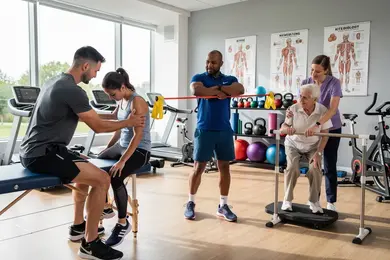
Choosing a kinesiology concentration significantly affects long-term movement skills development through kinesiology specializations and subsequent career trajectories. Clinical and rehabilitation-focused tracks align with a U.S. physical therapy industry projected to exceed $60 billion in revenue by 2030, demanding expertise in movement assessment, injury prevention, and patient-centered recovery. Graduates here gain hands-on clinical competencies but often face limited opportunities in purely performance-oriented roles.
By contrast, exercise science and athletic training concentrations emphasize coaching, motor learning, and sport-specific biomechanics, fostering versatile mobility and coaching abilities applicable across professional sports and community wellness.
However, these paths typically lack the clinical rigor necessary for rehabilitation licensing or healthcare diagnostics, creating tradeoffs between market breadth and depth.
For example, professionals shifting from athletic training to health coaching must secure additional certifications in clinical exercise physiology or chronic disease management to meet healthcare compliance and safety standards. Employers in physical therapy settings expect proficiency with clinical assessment tools and accurate insurance documentation—skills frequently absent in non-clinical kinesiology programs.
Balancing curriculum content with workforce realities means weighing factors like research methodology, clinical practicums, and performance coaching demands early to avoid future retraining. Prospective students seeking strategic pivots should consider established occupational outcomes.
Those interested in broader healthcare credentials might explore pathways such as the RN to BSN track, which offers distinct clinical integration.
What core movement science courses most strongly support transferable skills across specializations?
Core movement science courses that cultivate transferable skills across kinesiology specializations emphasize biomechanics, motor control, and exercise physiology. This fundamental kinesiology training for diverse specialization success equips students with analytical and applied abilities vital for sectors like rehabilitation, ergonomics, and sports performance.
For instance, biomechanics sharpens movement pattern analysis necessary for roles ranging from physical therapy to injury prevention in workplace settings.
Motor control instruction integrates neural and muscular coordination principles, supporting interventions that enhance movement safety and efficiency for populations spanning athletes to industrial workers. Exercise physiology knowledge expands understanding of bodily adaptation to physical stress, directly informing clinical and fitness-related roles.
The ability to apply these core competencies is increasingly relevant as ergonomics evolves—a $26 billion industry in 2023 projected to exceed $36 billion by 2030, with an estimated 5% annual growth per Grand View Research.
Students should prioritize programs with hands-on lab work and data analysis focused on movement assessment technology to avoid delayed workforce entry and limited occupational flexibility. Limited practical exposure results in a palpable skill gap employers notice, affecting job placement speed and role versatility. Judicious program selection aligned with industry dynamics supports sustainable employability.
Many students in kinesiology-related fields consider further education such as an MBA in healthcare management to pivot strategically into leadership or administrative arenas.
How do pre-physical therapy and exercise science tracks compare for foundational movement training?
Choosing between pre-physical therapy and exercise science tracks hinges on the intended professional scope and the foundational skills emphasized. The key distinction lies in movement training focus: pre-physical therapy centers on biomechanical analysis, pathology-informed adaptations, and therapeutic interventions essential for clinical rehabilitation roles, while exercise science emphasizes broad movement principles, exercise physiology, and performance enhancement aimed at wellness and sports sectors.
This differentiation is critical when comparing movement training in pre-physical therapy and exercise science because it shapes both employability and career trajectory.
Employers expect pre-physical therapy graduates to excel in individualized corrective exercise plans and clinical movement diagnostics, prerequisites for graduate PT programs. Conversely, exercise science graduates typically fill positions in coaching or fitness programming where adaptable exercise design prevails, yet clinical pathology knowledge is less relevant.
Students must weigh these tradeoffs carefully: pre-physical therapy demands rigorous prerequisites and graduate study commitment, whereas exercise science offers flexibility without clinical licensure pressure.
The rapid expansion of the sports coaching market—forecasted to nearly double from $14-15 billion to over $27 billion by 2031—illustrates increasing demand for versatile movement professionals. This growth makes exercise science's transferable skills particularly valuable across diverse sectors.
For students reconsidering their academic path toward active health roles, programs like 12-month accelerated nursing programs online may also provide a complementary route into healthcare.
Ultimately, those targeting direct patient care must accept the demanding prerequisites of pre-physical therapy, while those prioritizing career agility across preventive health and sports performance should consider exercise science foundational skills in kinesiology.
Which sports performance and strength & conditioning specializations best prepare you for varied athletic settings?
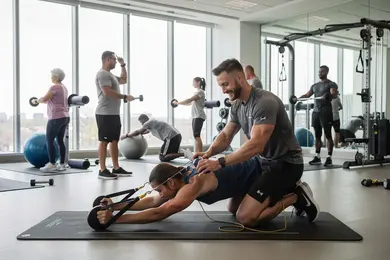
Specializing in strength and conditioning with a multidisciplinary focus like biomechanics and periodization enhances adaptability across athletic contexts. For instance, coaches trained in these areas can design programs that serve team sports while effectively addressing emerging fields such as esports or adaptive athletics. This flexibility responds directly to employer preferences for candidates skilled in functional movement screening and evidence-based injury prevention.
Market data from Fortune Business Insights projects preventive healthcare and wellness to reach over $7 trillion by 2030, driven by a 5-6% compound annual growth rate from 2022's $4.8 trillion baseline. This signals rising employer investment in strength and conditioning professionals who optimize athlete health and durability, thereby reducing injury risks across diverse settings.
Practical skill development in neuromuscular control, kinetic chain assessments, and recovery science enhances employability but demands significant upfront commitment. Candidates face tradeoffs including extended time mastering these proficiencies, which might delay employment but ultimately improve career versatility, especially when transitioning between collegiate and professional spheres.
Programs offering hands-on experience through clinical labs or partnerships with sports medicine organizations provide distinct advantages. Employers prioritize professionals who apply load management and biomechanical analysis pragmatically rather than relying solely on sport-specific drills, reflecting real-world demands in the kinesiology workforce.
How do motor behavior, biomechanics, and neuromuscular control specializations deepen practical movement analysis skills?
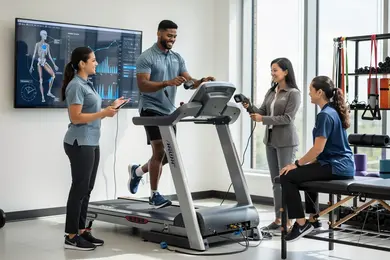
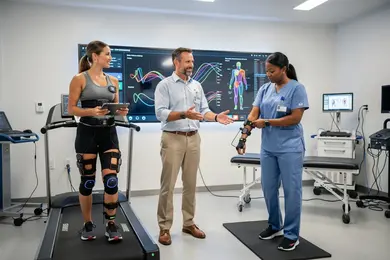
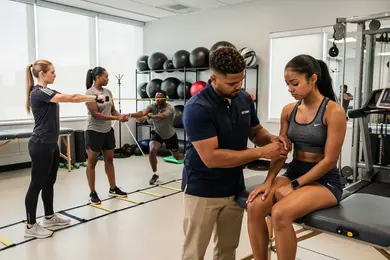
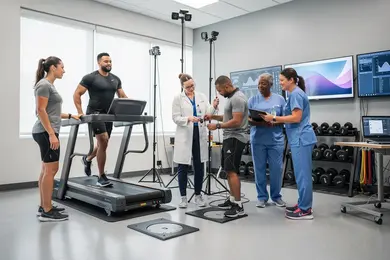
Specializations in motor behavior, biomechanics, and neuromuscular control provide more than foundational kinesiology knowledge; they translate analytical rigor into employer-ready skills. Professionals in these areas leverage quantitative tools like motion capture to evaluate joint stress and movement efficiency, informing decisions in orthopedics, rehabilitation, and athletic training.
For instance, biomechanics experts connect lab metrics with clinical protocols to optimize patient recovery or refine athlete performance under fatigue.
Understanding motor behavior nuances enables targeted rehabilitation strategies, such as stroke recovery programs that recalibrate coordination and motor learning over time. Neuromuscular control insight is essential for designing injury prevention regimens emphasizing precise muscle activation and joint stability, a critical workforce expectation in ergonomics and physical therapy support roles.
Market data from MarketsandMarkets projects the biomechanics and motion analysis sector growing from $1.3 billion in 2023 to almost $2.2 billion by 2030, reflecting rising demand for specialists who integrate interdisciplinary knowledge with analytic proficiency.
However, staying competitive requires ongoing adaptation to rapid tech innovation and expanding analytic capabilities, alongside effective communication of complex biomechanical findings to practitioners spanning clinical, coaching, and engineering domains.
Prospective students must weigh these requirements against training pathways that often necessitate complementary certifications and data literacy, positioning their education as a practical investment rather than a theoretical exercise.
How can clinical and rehabilitative kinesiology pathways translate into non-clinical movement careers?
Transitioning clinical and rehabilitative kinesiology skills to non-clinical movement careers requires more than biomechanics expertise; it demands the integration of real-world movement variability with interdisciplinary capabilities.
For example, a rehabilitative kinesiologist moving into adaptive sports program development must use injury recovery data to customize equipment and training for athletes with disabilities, blending clinical insight with adaptive technology know-how.
Employers increasingly value professionals who interpret movement data beyond controlled settings, expecting familiarity with biomechanics software, sports engineering, or regulatory frameworks for assistive devices. This frames kinesiology graduates with clinical backgrounds as strong candidates for roles in design consultation, adaptive coaching, and injury prevention, yet it also requires supplemental skills often not covered in traditional clinical training.
The adaptive sports and recreation equipment market is expanding rapidly, projected to grow from $3.5 billion to $6 billion by 2030 at an 8% CAGR. Graduates must weigh potential wage reductions when moving from clinical to recreational or occupational sectors against broader career diversity and resilience.
Key practical considerations include obtaining credentials recognized outside healthcare, developing interdisciplinary networks, and investing in technology literacy. These steps create a foundation to navigate less conventional kinesiology paths with real economic and professional tradeoffs.
What should you compare in online vs. campus kinesiology programs focused on movement skills?
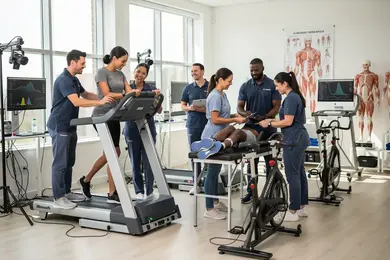
Hands-on training remains the differentiator between online and campus kinesiology programs, especially for roles demanding intricate movement assessment and applied physical evaluation. Campus options dominate in providing direct access to supervised labs and advanced biomechanical tools critical for mastering complex motor skills, an advantage particularly relevant for careers in physical therapy or military fitness.
The military fitness sector, for instance, is projected to grow from $1.1 billion in 2023 to $1.7 billion by 2030, requiring graduates to demonstrate rigorous physical assessment capabilities often best honed through in-person practicums.
Faculty expertise and accreditation further influence employer recognition. Programs led by instructors engaged in current biomechanics or military fitness research tend to align training with emerging workforce needs, a factor sometimes less accessible in online formats unless they offer internships or partnerships connecting students to fieldwork.
Reliable access to tools like motion capture and electromyography is essential regardless of delivery method, yet geographic and scheduling constraints may limit online students' clinical experience options.
Key operational tradeoffs include:
- Superior real-time feedback and skill refinement on campus versus greater scheduling flexibility online
- Potential employer preference for campus graduates due to demonstrable practical proficiencies
- The necessity for students to evaluate their career goals, local industry standards, and hands-on competency benchmarks before choosing a format
Effectively navigating these factors is critical to selecting a kinesiology pathway that produces measurable, workforce-relevant skills in an evolving industry landscape.
Which kinesiology credentials and certifications add the most value to movement-focused careers?
Movement-focused careers in kinesiology require credentials that balance scientific rigor with practical application, with CSCS and EP-C standing out for their cross-sector recognition. CSCS is preferred in athletic performance and rehabilitation contexts, where employers expect evidence-based training strategies linked to sports medicine and fitness outcomes.
EP-C certification, backed by the American College of Sports Medicine, suits roles emphasizing clinical exercise testing and chronic disease management, particularly in expanding health systems and corporate wellness sectors projected to grow to nearly $100 billion by 2030 at a 7% CAGR.
For professionals targeting corporate wellness, Certified Wellness Coach and Health Fitness Specialist credentials demonstrate expertise in behavior modification and injury prevention, aligning with employer efforts to decrease healthcare costs and absenteeism. By contrast, licensed kinesiologist licensure offers regulatory authority but lacks broad geographic relevance, limiting its applicability outside specific states.
Deciding among these credentials depends on career trajectories and resource investment. CSCS demands a bachelor's degree, requiring significant upfront academic commitment, yet offers broad technical recognition useful for movement professionals shifting between rehabilitation, performance, and wellness roles.
Faster and less costly alternatives like certified wellness coaches provide market-accessible pathways for those prioritizing workforce agility over strict clinical focus.
How can you evaluate accredited kinesiology programs for strong, transferable movement skill development?
Employer demand in kinesiology increasingly centers on measurable skills in biomechanics, motor control, and exercise physiology combined with quantitative data analysis. The sports analytics market's rapid surge—from approximately $4.5 billion to over $22 billion by 2032, growing about 19-20% annually—signals a strong need for graduates proficient not just in movement science but also in applied analytics.
Programs that insufficiently integrate statistics or programming risk producing graduates unprepared for roles in data-driven athletic performance analysis.
Hands-on experience is a critical differentiator. Prioritize curricula emphasizing at least 30% applied components, such as motion capture or wearable sensor technologies. These experiential elements correlate directly to practical roles in rehabilitation, sports performance optimization, and human factors engineering. Conversely, programs overly focused on theory without substantial industry-aligned training constrain real-world readiness.
Students should rigorously evaluate employment outcomes, particularly the breadth of career placements spanning healthcare, athletic training, ergonomics, and analytics.
A lack of strong industry or clinical partnerships suggests limited exposure to current workforce tools, an essential aspect for skill transferability. Additionally, verification of program accreditation by recognized bodies like CAATE ensures curricular rigor and alignment with evolving workforce standards.
For example, one pathway might involve a student targeting a shift into sports analytics, who must verify course offerings in programming and statistics alongside kinesiology fundamentals to avoid skill gaps that employers increasingly demand.
Other Things You Should Know About Kinesiology
A kinesiology degree offers solid foundational knowledge, but its versatility depends on the specialization and practical experience you pursue. Programs focusing on comprehensive movement analysis and adaptable skills, such as biomechanics or motor behavior, better equip you for career shifts. However, switching between sectors-like from clinical rehabilitation to strength and conditioning-often requires additional certifications or work exposure, so prioritize pathways that allow for cross-disciplinary internships or lab work.
Programs heavy on theory without sufficient hands-on components limit your ability to apply movement skills in real-world contexts, which employers notice. Look for kinesiology programs that integrate laboratory experience, practicums, or fieldwork alongside advanced coursework. Prioritize schools with strong partnerships offering supervised internships or clinical placements, as these experiences directly improve job readiness and transferability of movement skills.
Employers prioritize demonstrated hands-on experience over narrow specialization, especially in applied movement roles. While specialization signals expertise, tangible skills acquired through internships, research projects, or coaching roles are more predictive of workplace success. When selecting a program, target those offering diverse practicum options and direct client or athlete interaction to maximize employability.
References
- There is a better way – Part 5: There’s more to athlete preparation than ‘strength & conditioning’ https://kingsports.net/better-way-part-5-theres-athlete-preparation-strength-conditioning/
- Motor Control, Learning, and Behavior https://sportrxiv.org/index.php/server/preprints/category/motor
- Sports Science Specializations in Europe: Which One Fits You? - StudyinEurope.eu https://www.studyineurope.eu/sports-science/compare-sports-science-specializations/
- Transferable Skills from IB Sports Science for Non-Science Majors https://www.revisiondojo.com/blog/transferable-skills-from-ib-sports-science-for-non-science-majors
- Best Exercise Science Careers - Let's Find out! https://www.ptpioneer.com/personal-training/exercise-science-careers/
- Leave a Comment Cancel reply https://vitalityrehabgroup.ca/how-kinesiology-can-improve-your-physical-well-being/
- Online Bachelor’s in Kinesiology and Exercise Science Programs https://teach.com/online-ed/healthcare-degrees/online-bachelors-kinesiology-exercise-science/
- Improving Motor Skills With Kinesiology - Kinlab https://kinlab.ca/improving-motor-skills-with-kinesiology/
- Athletic Training or Exercise Science? Here's What to Look For https://atp.uidaho.edu/blog/athletic-training-or-exercise-science-heres-what-to-look-for/
- The Importance of Strength and Conditioning for Specialized Athletes - Rochester Athletic Club https://www.racmn.com/blog/the-importance-of-strength-and-conditioning-for-specialized-athletes