2027 Kinesiology Specializations for School and Youth Athletics Careers

Co-Founder and Chief Data Scientist
Professionals pursuing kinesiology careers in school and youth athletics frequently confront the challenge of choosing specializations that align with shifting employer demands and evolving program delivery models. The expanding prevalence of online and hybrid degrees-now accounting for nearly 45% of undergraduate enrollments according to the National Student Clearinghouse Research Center-reshapes how candidates access flexible learning while balancing work or coaching roles.
This growth signals a strategic need to evaluate kinesiology tracks not just for content depth but also for accessibility and credential recognition in athletic settings. This article examines current kinesiology specializations tailored for school and youth athletics and clarifies their practical implications for career readiness and advancement.
Key Things You Should Know
- National Center for Education Statistics data from 2024 shows that specialized certifications in youth athletic training increase placement rates by 18% but add 12-18 months and $7,500+ in total education costs, limiting immediate workforce entry.
- Employers in school sports programs report 62% preference for candidates with integrated sports psychology credentials alongside kinesiology to address mental health, pressuring curricula to expand beyond biomechanics alone.
- Labor projections from the U.S. Bureau of Labor Statistics highlight a 9% growth in school-based kinesiology roles by 2028, yet rural districts face talent shortages exceeding 30%, emphasizing geographic access tradeoffs for candidates.
What are the main kinesiology specializations for working in school and youth athletics?
Specializing in kinesiology for school and youth sports careers requires evaluating tradeoffs between practical impact and workforce demand across distinct fields. Exercise physiology is pivotal for creating conditioning programs aligned with adolescent growth phases, directly influencing injury prevention and athletic output. The U.S. Bureau of Labor Statistics expects a 9% job growth for exercise physiologists from 2024 to 2034, highlighting robust opportunities in youth athletics kinesiology career pathways, with a median salary near $58,160.
Sports biomechanics offers critical insights into movement efficiency and injury mitigation, often under tight resource constraints typical in smaller school districts. Professionals here must skillfully leverage biomechanical analysis to design sport-specific training without extensive technology, a frequent scenario in underfunded programs.
Athletic training specialization addresses urgent injury care and concussion management, which are vital to minimizing liability and ensuring compliance in school sports settings. This specialization places practitioners at the frontline of acute care and rehabilitation within youth athletics.
Motor development focuses on neuromuscular skill acquisition timelines and tailoring age-appropriate drills, balancing immediate performance goals with sustainable athlete growth-a key consideration in community and school program design.
Students navigating kinesiology specializations for school sports careers should also consider regional variations in certification demands and the weight of practical training versus academic credentials. Those needing a clearer educational pathway can explore the best kinesiology programs that align with these career realities.
Which degrees do you need for kinesiology careers in school and youth sports?
A bachelor's degree in kinesiology, exercise science, or a related field remains the baseline credential for most roles in school and youth sports, but the hiring landscape demands more nuanced qualifications. Public school districts typically require a state teaching license plus a physical education or sport science specialization, reflecting regulatory expectations and curriculum oversight. Conversely, private youth athletic organizations often prioritize practical certifications such as CPR and first aid alongside an undergraduate degree. This divergence means that undergraduate programs in kinesiology for youth sports professionals must be evaluated not only for academic rigor but also for alignment with varied employer preferences.
Athletic training positions, which command a median annual wage of $60,250 according to the U.S. Bureau of Labor Statistics, usually require professional certification obtained after completing accredited bachelor's or master's programs. Employment growth at 14% through 2034 signals expanding opportunities but also intensifies competition for candidates who combine credentials with hands-on clinical experience.
Prospective professionals face tradeoffs when considering a master's degree. While advanced study can open doors to specialized roles like rehabilitation or sports psychology, many entry-level jobs do not mandate graduate credentials. Students must weigh extra time and cost against salary gains and role specificity. Selecting programs with strong internship options and real-world fieldwork is pivotal in enhancing licensure success and employer appeal.
For those contemplating longer-term academic investment, exploring doctorate healthcare administration degrees could provide strategic leverage in healthcare or athletic administration contexts beyond immediate sports roles.
How do kinesiology programs prepare graduates for coaching and athletic development roles with youth?
Graduates of kinesiology programs for youth athletic coaching development enter a field where the ability to apply biomechanical and motor learning principles directly impacts athlete safety and performance. Successfully preparing for school sports coaching careers demands rigorous understanding of youth-specific physiological changes-such as maturation timing and growth plate sensitivity-to prevent injury during strength and conditioning interventions.
Core curriculum components emphasize translating exercise physiology and sport psychology into practice, reinforced by internships that cultivate essential communication and leadership skills suited to varied developmental stages. Employers increasingly expect demonstrated competency in evidence-based approaches alongside professional certifications like CSCS or NASM, reinforcing workforce readiness beyond academic theory.
Graduates must also navigate resource limitations common in educational and community sports settings. Programs that integrate data literacy equip professionals to optimize training plans through performance metrics analysis despite budgetary or facility constraints. Realistically, strength and conditioning specialists earn between $68,089 and $98,564 annually, a range that reflects both market demand and the pressure to deliver measurable athlete development outcomes.
For professionals seeking to pivot or advance, selecting kinesiology degree paths aligned with credential preparation creates a smoother transition into roles demanding both academic knowledge and industry-recognized certifications. Those weighing alternative online degrees might consider programs like the fastest online MHA for broader healthcare management opportunities beyond traditional coaching roles.
What courses and skills are emphasized in kinesiology tracks focused on school-age athletes?
Kinesiology courses for youth athletics development cultivate specialized skills essential for managing the distinct physiological and developmental needs of school-age athletes. These programs emphasize biomechanics, exercise physiology, motor learning, and sports psychology, centering on age-appropriate training and injury prevention protocols that account for adolescent vulnerabilities. For instance, understanding delayed bone growth allows practitioners to tailor training loads effectively, minimizing injury risk for middle school athletes relative to older peers.
Skills emphasized in kinesiology programs for school athletes also include injury recognition, foundational rehabilitation strategies, and communication techniques vital for collaborating with parents, coaches, and multidisciplinary teams such as athletic trainers and physical therapists. Beyond clinical knowledge, employers expect graduates to proficiently coordinate logistics, aligning conditioning sessions with academic calendars while complying with safety regulations.
Graduates must leverage evidence-based practices to translate current research into actionable training and recovery protocols. The workforce outlook reflects persistent demand: high school physical education teachers earn a median annual wage of $65,220, with approximately 67,400 job openings projected from 2024 to 2034, highlighting growth driven by ongoing student and replacement needs. Navigating these roles requires integrating specialized kinesiology insights within educational frameworks, balancing practical constraints with developmental goals.
Prospective students weighing their options might also explore related pathways such as the cheapest fastest RN to BSN online programs, which can complement kinesiology expertise with clinical credentials.
How do online kinesiology programs for youth athletics compare to campus-based options?
Choosing between online and campus-based kinesiology programs for youth athletics hinges on balancing flexibility against practical skill development essential for employability. While online programs offer accessibility for working professionals or those distant from specialized campuses, they often lack immediate access to physical labs and live coaching practicums critical for applied learning. For instance, a student aiming to work in school sports environments may struggle to demonstrate hands-on assessment skills without structured local internships-an opportunity more seamlessly integrated into campus curricula.
Employers increasingly expect candidates with both theoretical knowledge and supervised fieldwork experience. Campus programs commonly embed these requirements within their curriculum, facilitating smoother workforce entry. Online learners must independently secure external practicum placements, which adds logistical complexity and may delay workforce readiness.
The U.S. Bureau of Labor Statistics reports a median annual wage of $92,740 for psychologists, with projected employment growth of 6% through 2034, reflecting rising demand for applied sport and performance psychology roles in youth sports settings. This trend amplifies the value of in-person kinesiology training that fosters practical competencies.
When evaluating programs, candidates should prioritize partnerships with local schools or youth sports organizations, availability of supervised field experiences, and connections to employers to ensure their education translates into market-relevant skills and career viability.
What accreditation and program quality indicators matter for kinesiology specializations in youth athletics?
Accreditation and real-world training are critical for kinesiology programs targeting youth athletics roles, as they directly affect graduate preparedness and employability. Regional accreditation from recognized bodies like the Higher Learning Commission confirms institutional credibility, which is key for credit transfer and further certification pursuits. Programmatic accreditation through organizations such as the Commission on Accreditation of Allied Health Education Programs (CAAHEP) signals alignment with industry standards, particularly in specialized fields like adaptive physical education and exercise science.
A kinesiology student completing a supervised practicum in a high school adaptive physical activity setting gains indispensable applied skills, collaborating with special education teachers-whose employment is expected to grow 5% over the next decade with a median wage near $65,910. This hands-on experience is often mandatory for state licensure or coaching certifications and differentiates candidates in a competitive job market.
Employers value documented competency in injury prevention, youth-specific conditioning, and inclusive coaching methods, often verified through program-embedded standardized assessments and faculty certifications such as Certified Strength and Conditioning Specialist (CSCS). However, not all programs strike an effective balance; some provide strong academic rigor but insufficient fieldwork connections, limiting immediate workforce access, while others focus on practical training at the expense of research-based knowledge that supports career mobility.
Evaluating program completion rates, graduate employment data, and industry partnerships offers a more comprehensive measure of a kinesiology program's practical value and alignment with workforce realities.
What are typical admission requirements, program length, and costs for these kinesiology pathways?
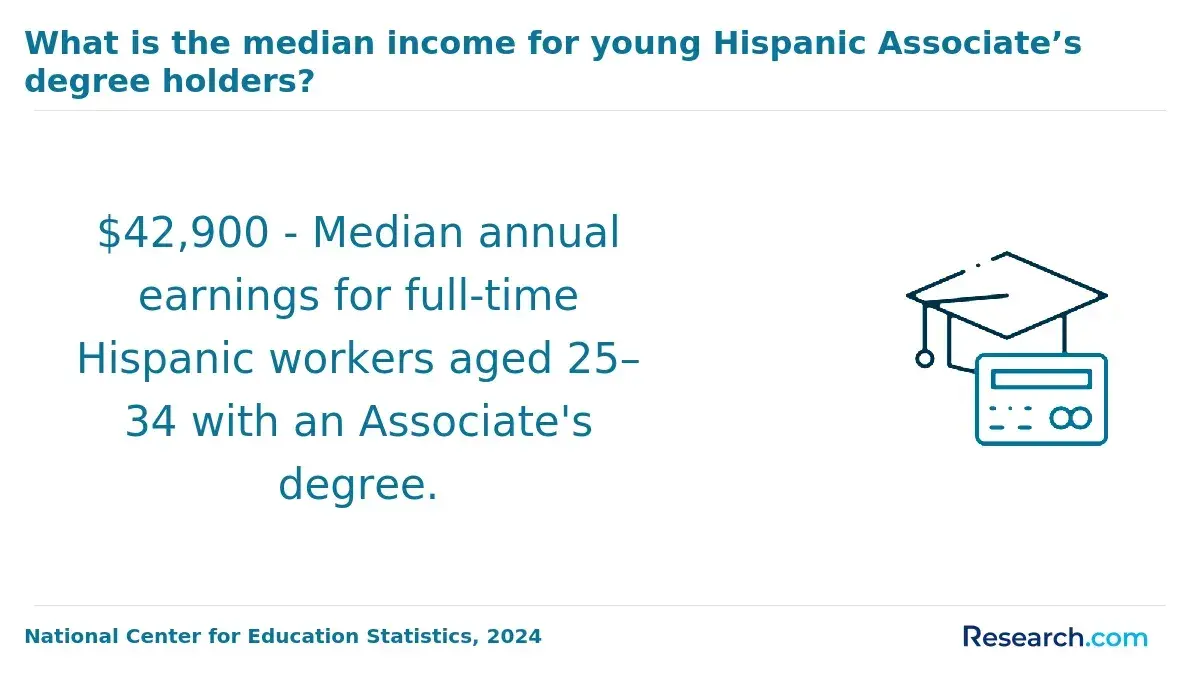
Entry into kinesiology-focused roles in school and youth athletics increasingly hinges on strategic credentialing aligned with employer expectations. While a high school diploma plus relevant courses can suffice for foundational understanding, most K-12 employers prioritize candidates with at least a bachelor's degree complemented by youth training certifications. Community college associate degrees offer accelerated, cost-effective routes into assistant or entry-level fitness positions but typically impose wage ceilings in practice.
Graduate credentials, including master's degrees or certificates, are becoming essential for specialized practice areas such as pediatric exercise physiology or youth sports rehabilitation, reflecting both increased complexity of care and workforce competitiveness.
Applicants face notable tradeoffs between time, cost, and credential value: public in-state undergrad tuition ranges broadly from $5,000 to $15,000 annually, while private institution costs balloon to $20,000-$40,000 per year. Graduate programs can cost $10,000 to $30,000 total, necessitating careful financial planning, especially since aid options vary widely.
The labor market evidences a 14% projected growth rate for fitness trainers and instructors, with a median wage around $46,180, underscoring how advanced kinesiology education can mitigate entry-level salary constraints and vehicle long-term upward mobility. Working professionals may benefit from accelerated or flexible programs tailored to balance credentials with ongoing employment demands.
Which careers can kinesiology graduates pursue in K-12 schools, clubs, and community youth sports?
Choosing a kinesiology degree with a focus on youth sports or school-based roles steers graduates toward positions emphasizing program coordination, injury prevention, and athletic development rather than purely physical training. Athletic trainers and physical education instructors often balance curriculum delivery with compliance to school policies and age-specific biomechanics, requiring more than technical skill-they must navigate organizational constraints and diverse stakeholder expectations.
Graduates targeting administrative roles within youth and community sports must develop competencies in budgeting, facility management, and regulatory adherence, as these functions profoundly affect program sustainability and growth. For example, a community sports facility manager must align maintenance schedules with user demand, demonstrating how resource allocation impacts operational success.
Employment projections for administrative services and facilities managers in athletics anticipate steady growth with median wages above $100,000, reflecting the premium placed on leadership capable of managing complex logistical and personnel challenges. However, these roles demand a strategic mindset and adaptability to fluctuating funding landscapes, contrasting with the more direct engagement typical of coaching positions.
This divergence in career paths implies critical tradeoffs: practitioners must evaluate their preference for hands-on athletic interaction versus overseeing broader operational objectives. Success in kinesiology-related youth sports administration hinges on blending technical knowledge with skills in communication, compliance, and problem-solving to meet evolving educational and community priorities.
What salaries and job outlook can you expect in school and youth athletics kinesiology roles?
Wage growth and employment trends in kinesiology-centered roles within youth and school athletics reflect deeper workforce dynamics than raw numbers suggest. The median annual wage for coaches and scouts stood at $48,420, with a 9% projected growth to 2034, outpacing many occupations. This expansion stems from steady youth sports participation, but true opportunity hinges on qualifications aligned with evolving employer expectations.
Employers increasingly prioritize multidisciplinary skills that cover exercise science, nutrition, and rehabilitation, emphasizing adherence to safety and measurable athletic improvements. For example, a kinesiology specialist with a bachelor's degree employed by a large school district might start near the median wage; however, supplementary certifications or advanced degrees can boost earnings by 10% to 20%. Conversely, candidates lacking recognized credentials often face stagnation despite demand.
The practical implications extend beyond salary. Job stability and upward mobility depend on meeting standards set by certification bodies and integrating into contract-driven youth sports environments, where bonuses and performance metrics influence compensation. This environment creates a strategic choice for candidates balancing educational investment against varied compensation structures.
To navigate these realities, prospective kinesiology professionals must consider geographic factors, institutional budgets, and the tradeoff between general degrees and specialized credentials, recognizing that credentialing often separates sustainable career paths from short-term roles in this competitive labor market.
Which certifications or licenses are commonly required for school and youth sports kinesiology careers?
Certifications in school and youth sports kinesiology are not optional but fundamental gatekeepers for employment. Staff involved in physical activity supervision must hold CPR and AED certifications, mandated by nearly all relevant organizations. Beyond these basics, credentials like the Certified Strength and Conditioning Specialist (CSCS) or Certified Exercise Physiologist (ACSM-EP) signal essential expertise in injury prevention and exercise science and are often requisites for competitive hiring.
Advanced roles in therapeutic care require Certified Athletic Trainer (ATC) credentials and, in some states, specific licensure, emphasizing regulatory compliance. Meanwhile, professionals integrating data analytics into youth sport injury prevention should consider certifications such as Certified Analytics Professional (CAP), aligning with labor market trends that project 23% growth in related analyst roles and a median annual wage near $89,300.
In practical terms, a high school strength coach may juggle emergency care, conditioning program design, and performance metric analysis, necessitating layered certifications across multiple domains. Employers demand clear proof of these competences to mitigate liability and safeguard athletes.
The primary tradeoffs involve upfront costs-generally $400 to $1,200 for courses and exams-and the time required for credential completion versus longer-term job security and wage premium. This balance should weigh heavily in career planning if securing a stable position within school-based kinesiology support staff.
Other Things You Should Know About Kinesiology
Applicants without a sports or fitness background will face a steeper learning curve in kinesiology programs aimed at school and youth athletics. Programs often expect foundational knowledge in anatomy, physiology, and basic coaching principles. Prior experience accelerates mastery of applied skills and reduces the time needed to adapt to hands-on components like injury prevention and athletic conditioning. Candidates lacking that background should prioritize programs with strong introductory support or consider supplemental coursework before or during their studies.
Internships and practicums provide critical real-world experience that employers prioritize in youth athletics roles. Programs with structured partnerships in school districts or community sports settings allow students to apply theoretical knowledge in authentic environments, enhancing problem-solving and communication skills under pressure. Selecting a kinesiology program with substantial and diverse fieldwork placements significantly improves employability and practical competence compared to programs with limited or optional practicums.
Specializing early narrows skill development to specific youth athletics roles but may limit flexibility if career goals change or the job market shifts. Maintaining a broader kinesiology curriculum supports adaptability across various school and community settings, including rehabilitation and wellness programming. Students uncertain about a narrow focus should emphasize programs that allow core kinesiology competencies before choosing specializations to balance immediate relevance and long-term career mobility.
Advanced degrees in kinesiology can enhance career prospects in school and youth athletics by deepening expertise and opening leadership opportunities. However, hands-on experience, certifications, and networking often play a crucial role in career advancement for those looking to move beyond entry-level positions.
References
- What Can You Do with a Kinesiology Degree? https://www.nec.edu/news/what-can-you-do-with-kinesiology-degree
- High School Applicants https://www.ualberta.ca/en/kinesiology-sport-recreation/programs/undergraduate-programs/admissions/high-school-applicants.html
- Online Exercise Science Degrees: Top School Review https://www.edumed.org/online-schools/exercise-science-degrees/
- Kinesiology Program Quality Indicators | Washburn University https://www.washburn.edu/academics/college-schools/arts-sciences/kinesiology/quality-indicators.html
- Kinesiology https://stpeterscollege.ca/courses/kinesiology-education-combined-program/
- Accreditation, Curriculum, and Competition: An Explanatory Case Study of Sport Sales Education in Undergraduate Sport Management Programs – The Sport Journal https://thesportjournal.org/article/accreditation-curriculum-and-competition-an-explanatory-case-study-of-sport-sales-education-in-undergraduate-sport-management-programs/
- Kinesiology and Exercise Science Careers Guide https://teach.com/online-ed/healthcare-degrees/online-bachelors-kinesiology-exercise-science/career-outlook/
- Developing a youth athlete development roadmap - Sportsmith https://www.sportsmith.co/articles/developing-a-youth-athlete-development-roadmap/
- American Kinesiology Association | Careers in Kinesiology https://americankinesiology.org/careers-in-kinesiology/
- Kinesiology & Sport - Young Harris College https://www.yhc.edu/academics/majors-minors/kinesiologyandsport/