2027 Kinesiology Specializations for Rehabilitation Support Careers

Co-Founder and Chief Data Scientist
Balancing work, family, and the pursuit of specialized credentials presents a critical bottleneck for professionals seeking advancement in rehabilitation support through kinesiology. Nationwide data from the National Center for Education Statistics reveals a 27% increase in part-time enrollment among adult learners in health-related fields since 2023, reflecting growing demand for flexible pathways accommodating nontraditional students.
This signals a recalibration of program structures and scheduling that directly influences how prospective students time their education alongside employment. Navigating this evolving landscape requires discerning which kinesiology specializations best align with accessibility constraints and job market expectations.
This article examines key kinesiology specializations for rehabilitation careers, evaluating their relevance, delivery modes, and career impact to facilitate informed decisions amidst these complex tradeoffs.
Key Things You Should Know
- Clinical kinesiology certifications see 25% higher employer preference for rehabilitation roles, but extended training increases average job entry time by 6-12 months, delaying income for career switchers, per 2024 workforce data.
- Postgraduate specialization in biomechanical analysis correlates with a 15% wage premium but narrows job market access to research-intensive urban centers, limiting geographic mobility, according to the 2024 Bureau of Labor Statistics.
- Programs focused on neuromuscular rehabilitation yield 30% higher employment rates within 6 months post-graduation yet represent a 40% cost increase over general kinesiology degrees, pressuring candidates on budget and debt.
What is kinesiology specialization for rehabilitation careers?
Specializing in kinesiology rehabilitation for healthcare requires navigating a complex intersection of therapeutic knowledge and applied human movement science. Unlike broader kinesiology practice, rehabilitation-focused roles demand proficiency in evidence-based evaluation methods like functional movement screening and gait analysis, alongside adaptive exercise prescriptions tailored to neurological, orthopedic, or chronic disease conditions. This directly impacts employability, as clinical employers seek professionals capable of translating assessment into customized rehabilitation programs.
Practical applications vary considerably by setting. For example, a kinesiologist in a post-stroke rehabilitation center must apply neuroplasticity principles combined with motor relearning protocols, whereas those working in sports-related rehabilitation prioritize injury prevention and biomechanical correction through task-specific retraining. This requires coordination with multidisciplinary teams—physiotherapists, occupational therapists, and physicians—to develop cohesive care plans.
Labor market data from the Canadian Occupational Projection System shows a near balance of job openings and seekers through 2033, which implies that kinesiology rehabilitation specializations must offer clear differentiators such as clinical placement experience or competence with emerging rehab technologies like wearable sensors or virtual reality therapy.
Candidates should also actively assess location-specific certification requirements, which pose entry barriers and affect credential portability.
For U.S. students considering this pathway, understanding program rigor and scope is vital compared to alternatives—for instance, related educational trajectories can lead to different roles, as illustrated by those pursuing career pivots toward athletic leadership.
Resources like how to become a high school athletic director offer contextual career options beyond rehabilitation-focused kinesiology.
Which kinesiology degrees prepare you for rehab support roles?
Degrees in kinesiology tailored for rehabilitation roles often hinge on clinical exercise physiology, exercise science with a rehabilitation emphasis, or therapeutic exercise specializations. Employers prioritize candidates trained to deliver medically supervised exercise in clinical settings, particularly for cardiac and pulmonary rehab.
For instance, clinical exercise physiology graduates are more competitive for hospital-based rehab positions, unlike general exercise science degree holders who typically need additional certification.
Meeting credentialing requirements, such as the Certified Clinical Exercise Physiologist (ACSM-CEP), is essential since many rehabilitation employers mandate these for direct clinical work. Practical clinical internships embedded in degree programs significantly enhance employability by providing real-world experience and access to healthcare networks.
Without specialized clinical focus, kinesiology degree programs for rehabilitation careers may limit graduates to wellness or fitness roles rather than stable healthcare environments.
Students weighing these programs must account for tradeoffs between entry-level bachelor's degrees and advanced master's programs that open leadership opportunities and greater clinical scope. Programs with comprehensive coursework on anatomy, physiology, biomechanics, and motor control prepare graduates to assist physical therapists effectively, but navigating licensing and hands-on skills remains a decisive factor in employability.
Those exploring pathways into rehabilitation should also consider complementary options like online psych NP programs for interdisciplinary advancement or niche roles within healthcare systems.
Is an accredited online kinesiology program accepted by employers?
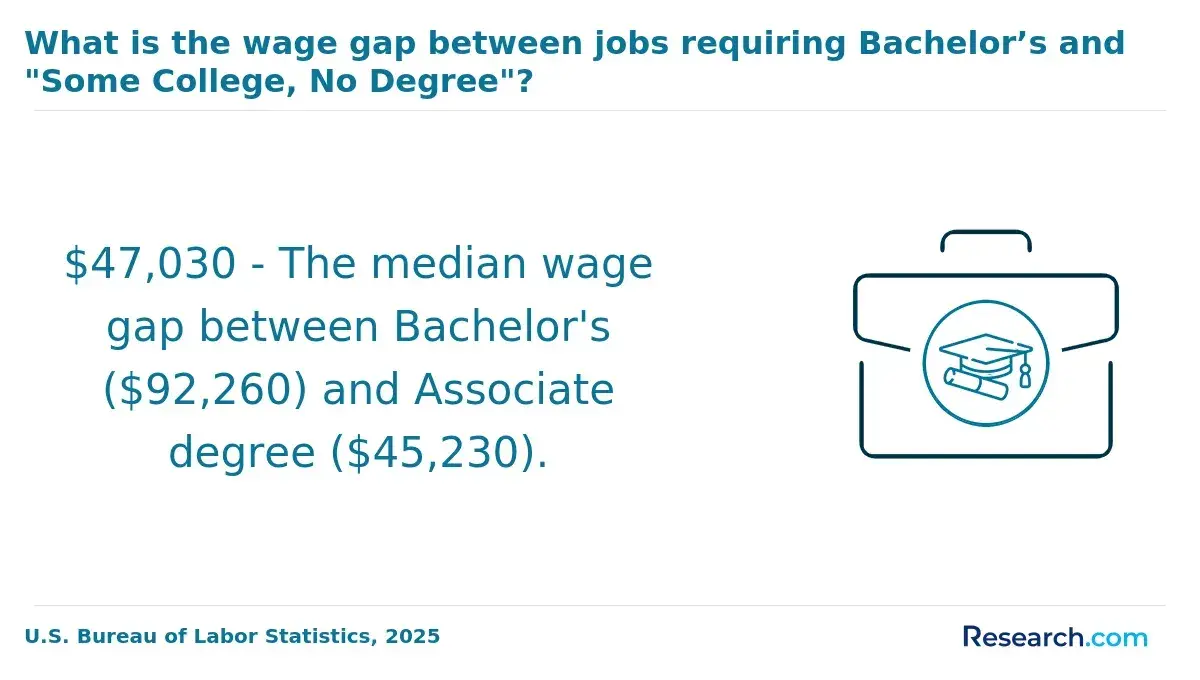
Employer acceptance of online kinesiology degrees for rehabilitation careers hinges on accreditation and practical training rather than mere program completion. Over 60% of neurorehabilitation exercise roles demand at least a bachelor's degree in exercise science or kinesiology plus specialized certification, making an accredited online kinesiology program recognized by employers a necessary but insufficient step.
Graduates from programs lacking hands-on labs or supervised practicum often struggle to fulfill clinical job requirements. Hybrid models offering in-person internships alongside online coursework mitigate this barrier, enhancing real-world readiness and employability in hospital or rehab settings.
Post-degree certifications—such as Certified Exercise Physiologist or neurorehabilitation specialties—carry significant weight, often differentiating candidates in competitive environments like stroke rehabilitation or motor control therapy.
Consider that private clinics and long-term care facilities typically value accredited online kinesiology programs when paired with documented practical experience, while public health roles or research-driven careers require stricter credentials, sometimes favoring traditional degrees or advanced study.
Prospective students seeking cost-effective advancement might explore options for the cheapest master's in healthcare administration to complement or pivot from a kinesiology background, reflecting a strategic layering of qualifications aligned with workforce demands.
What courses are in a rehabilitation-focused kinesiology curriculum?
Programs focused on rehabilitation kinesiology course requirements must balance scientific rigor with clinical realism to prepare graduates for workforce demands. Key coursework combines anatomy and physiology of musculoskeletal and nervous systems with biomechanics and motor control, enabling students to evaluate movement impairments and craft targeted interventions that reflect contemporary practice.
Specialized kinesiology classes for rehabilitation careers emphasize hands-on skills essential for orthopedic and sports injury recovery. These include therapeutic exercise prescription, progressive resistance training, and neuromuscular re-education, supported by labs teaching goniometry, manual muscle testing, and movement analysis.
Proficiency in clinical modalities such as electrotherapy and manual therapy is developed through supervised practicums where patient diversity challenges standardized protocols.
Meeting WorkBC's projection of 620 kinesiology-related job openings in British Columbia through 2033 illustrates the critical role of clinical placements and interdisciplinary communication in curricula. Students must seek programs offering extensive practical exposure alongside theory, since classroom knowledge alone rarely translates directly into employer readiness in competitive rehabilitation settings.
Prospective students should weigh programs' integration of immersive clinical training to sharpen adaptive strategies for managing patient variability and comorbidities. This front-line experience can distinguish graduates in a labor market shaped by sustained demand for rehabilitation specialists.
For professionals exploring educational strides, comparing such kinesiology offerings to other pathways, like online BSN to MSN programs, can clarify the operational tradeoffs involved in career pivots.
What admissions requirements do kinesiology programs usually ask for?
Admission criteria for kinesiology programs often create practical hurdles that directly influence student trajectories and workforce alignment. Academic prerequisites generally mandate successful completion of lab sciences and math—biology, chemistry, and algebra or pre-calculus—with at least a "C" grade, reflecting employer demands for technical proficiency. Competitive programs may add requirements like physics or anatomy to equip students with deeper biomechanical understanding.
Standardized testing policies vary; while many institutions have adopted test-optional models, specialized tracks focusing on rehabilitation or therapeutic techniques still value solid ACT or SAT science and quantitative scores. Applicants lacking traditional credentials frequently turn to community college pathways or bridging courses to attain eligibility, a key consideration for working adults transitioning careers.
Hands-on experience remains a decisive factor in admissions and future employability. Internships or volunteer roles in clinical or workplace therapy settings illustrate practical familiarity with ergonomic assessments and return-to-work programs—skills that align with labor market projections of approximately 4,300 new positions for kinesiologists and related therapy professionals by 2033, according to the Canadian Occupational Projection System.
Flexibility in program delivery and prerequisite completion plays a critical role for adult learners balancing education with employment. Candidates should weigh the tradeoffs between accelerated entry with solid academic backgrounds and the necessity of additional coursework that strengthens technical validity for employer expectations.
How long does a kinesiology degree for rehab support take?
Completing a kinesiology degree with a focus on rehabilitation support requires a strategic evaluation of time investment versus career readiness. The standard bachelor's program spans four years, encompassing essential biomechanics, rehabilitation modalities, and clinical practice. While accelerated three-year tracks exist, their intensity limits outside work and may restrict exposure to diverse treatment approaches, potentially narrowing future flexibility.
The projected 13% growth for specialized roles such as pediatric and youth athletic trainers—from 2023 to 2033, according to Arizona State University's 2024 synthesis of BLS data—places pressure on students to meet employer expectations by completing degrees and clinical internships within the traditional timeframe.
Part-time study options, although adaptable, often extend program length beyond four years, which can hinder timely entry into this expanding job market.
For example, a student targeting youth sports rehabilitation must negotiate balancing rigorous academic schedules with practical, hands-on internships in school or community settings. Extending the program duration risks employability and delays career momentum in this competitive niche.
Understanding these dynamics equips prospective kinesiology students to align educational choices with employer standards and evolving workforce needs.
What rehabilitation support jobs can kinesiology graduates pursue?
Pursuing a kinesiology degree opens varied rehabilitation roles that differ significantly in clinical scope and credentialing demands. For example, exercise physiologists, projected to see 10% job growth through 2033 with about 1,600 openings annually, focus on evidence-based plans that improve cardiovascular and musculoskeletal health—primarily in aging populations managing chronic diseases. This role requires both deep clinical understanding and often additional certifications.
Physical therapy assistants and occupational therapy aides operate under supervised care, delivering prescribed therapy to support patient recovery in daily activities. These positions emphasize hands-on patient interaction but typically have more limited autonomy and regulatory requirements than exercise physiologists.
In hospital outpatient or cardiac rehab settings, kinesiology graduates may engage in patient monitoring and graduated activity programs post-cardiac events, demanding coordinated team communication and clinical competence.
Conversely, wellness coordinators in community or corporate programs focus on injury prevention and promote functional wellness but generally lack clinical authority, restricting intervention depth.
Key tradeoffs include balancing credentialing burdens like state licensure against desired scope of practice. Strategic choices that integrate clinical internships or partnerships with licensed professionals elevate employment prospects by aligning with workplace expectations for practical experience and comprehensive patient care skills.
How much can rehabilitation support careers pay in kinesiology?
Starting salaries for rehabilitation support roles in kinesiology, such as corporate wellness coordinators, generally begin near $40,000 but vary widely with sector and demonstrated impact on employer outcomes. For instance, coordinators in large corporate settings may command higher wages linked to measurable improvements in employee health metrics and cost reductions, while those in nonprofit community programs often encounter slower salary growth due to limited funding.
This variation reflects employer priorities: strong program development skills, health promotion expertise, and data analysis capacities directly affect compensation potential. Specialized certifications or continuing education in preventive strategies accelerate pay increases, though this requires additional investment of time and money.
Choosing a kinesiology specialization aligned with local labor market demands involves tradeoffs. Community-based rehabilitation roles, for example, require supplementary competencies in cultural competence and stakeholder engagement, adding complexity and potential delays to career progression beyond traditional kinesiology training.
Prospective candidates should weigh these factors, as initial pay may be modest, but targeted positioning in growing wellness sectors opens more sustainable wage growth. Understanding employer expectations and matching certifications accordingly reduces risks of wage stagnation common in rehabilitation support positions.
What certifications help kinesiology graduates work in rehabilitation?
Kinesiology graduates targeting rehabilitation roles face a clear tradeoff: traditional clinical certifications alone no longer guarantee competitive employability without proficiency in digital health tools. Certifications like the Certified Strength and Conditioning Specialist (CSCS) or American College of Sports Medicine Certified Clinical Exercise Physiologist (ACSM-CEP) remain baseline credentials.
However, growing employer demand now includes competency in telehealth platforms and wearable technology integration due to the shift toward remote patient monitoring.
For example, an ACSM-CEP holder managing cardiac rehab patients must adapt to virtual care models, interpreting real-time data from wearable sensors to modify exercise protocols remotely. This modern workflow contrasts sharply with past in-person supervision and places a premium on digital literacy and data analytics skills.
Additional specialized certifications—such as manual therapy or neuromuscular reeducation credentials from entities like the Federation of State Boards of Physical Therapy (FSBPT)—can augment core kinesiology qualifications but depend heavily on local regulatory frameworks. Including telehealth communication or health informatics certifications addresses challenges arising from digital rehabilitation, as well as patient confidentiality and compliance.
Strategic credential planning requires careful consideration of local labor markets and technology adoption rates. Some regions prioritize conventional rehabilitation credentials, while others value digital competencies more highly. Ultimately, blending at least one clinical exercise certification with digital health expertise enhances market resilience and positions kinesiology professionals to meet evolving employer expectations.
How do you choose a reputable kinesiology program for rehab careers?
Choosing a kinesiology program for rehabilitation careers involves weighing clear tradeoffs between cost, curriculum depth, and practical employability. Programs with stronger clinical partnerships in metropolitan areas typically offer superior hands-on opportunities through internships tied to hospitals or physical therapy centers, which correlate to better initial salaries often above $50,000.
However, these programs may carry higher tuition; prospective students must judge whether the tangible earning potential and licensure eligibility justify the investment.
Curricula should cover biomechanics, injury prevention, therapeutic exercise, and patient assessment with an emphasis on certifications valued by employers. For example, students focusing on neurological rehabilitation need access to neurorehabilitation labs and specialized clinical sites, while those targeting sports rehabilitation should seek programs incorporating certified athletic training and emergency care components.
Employment placement statistics and alumni income data give essential insight into market alignment. Workforce projections indicate a 10-15% growth rate in related fields like exercise physiology and athletic training, suggesting continued demand yet increasing competition.
Geographic location impacts both networking potential and speed of job placement, so those aiming for faster transition into the workforce may prioritize urban programs with established clinical ties.
Ensuring that coursework and clinical hours meet state licensure standards is imperative to avoid professional delays. Ultimately, a data-driven approach considering measurable outcomes and practical constraints is vital to selecting a kinesiology program that aligns with one's specific career trajectory and local employment context.
Other Things You Should Know About Kinesiology
While entry-level rehabilitation support positions often require just a bachelor's degree, advancing into supervisory or specialized clinical roles typically demands graduate education. A master's or doctoral degree improves eligibility for employer-preferred certifications and expands job prospects, but it also adds significant time and financial investment. Candidates should prioritize graduate programs with strong clinical internships and employer connections to maximize return on investment.
Research-intensive programs emphasize data analysis and experimental methods, which benefit roles in academic settings or evidence-based policy making but may offer less hands-on clinical training. Practice-oriented programs focus on applied skills, which align better with immediate rehabilitation support jobs requiring patient interaction. Most students aiming for rehab careers should prioritize practice-oriented curricula to meet employer expectations for direct care competencies.
Kinesiology rehabilitation programs demand significant time commitments beyond typical coursework, including clinical practicums, certifications, and often weekend or evening shifts. Balancing these with work or family obligations requires careful planning. Prospective students should assess program flexibility and consider part-time or hybrid options if maintaining employment during study is critical.
References
- Kinesiology https://www.gordon.edu/science/programs/kinesiology
- What Can I Do in My Career With a Master’s in Kinesiology? https://www.pointloma.edu/resources/health-sciences/what-can-i-do-my-career-masters-kinesiology
- What Can You Do With a Kinesiology Major? | USAHS https://www.usa.edu/blog/what-can-you-do-with-a-kinesiology-major/
- American Kinesiology Association | Careers in Kinesiology https://americankinesiology.org/careers-in-kinesiology/
- Online Kinesiology Degree Programs: Review Top Schools https://www.edumed.org/online-schools/kinesiology-degrees/
- Is a Kinesiology Degree Right for You? | Corban University https://www.corban.edu/is-a-kinesiology-degree-right-for-you/
- What Can You Do with a Kinesiology Degree? https://www.nec.edu/news/what-can-you-do-with-kinesiology-degree
- Explore UM | University of Manitoba - Kinesiology and Recreation Management Applicant Information https://umanitoba.ca/explore/undergraduate-admissions/requirements/kin-rec
- How Long to Get a Kinesiology Degree? | ValidGrad https://validgrad.com/blog/kinesiology-degree-duration/
- High School Applicants https://www.ualberta.ca/en/kinesiology-sport-recreation/programs/undergraduate-programs/admissions/high-school-applicants.html