2027 Kinesiology Job Market Outlook Through 2030

Co-Founder and Chief Data Scientist
Facing a saturated job market and variable employer requirements, many aspiring and current kinesiology professionals struggle to align their credentials with evolving demands.
With the U. S. Bureau of Labor Statistics projecting only 8% growth for relevant health and wellness support roles through 2030, candidates must critically assess how program delivery modes, such as accelerated online options that now account for over 35% of adult learner enrollments in health fields according to the National Center for Education Statistics, influence their time-to-employment and skill applicability. Understanding these dynamics is essential to avoid costly delays or mismatched qualifications.
This article examines key labor trends, educational pathways, and skill requirements shaping kinesiology careers through 2030 to guide strategic decisions on credentialing and workforce entry timing.
Key Things You Should Know
- Employment growth for kinesiology-related occupations is projected at 10% through 2030, faster than average, but competitive roles in clinical and research settings require advanced certifications, creating opportunity-cost tradeoffs for entry-level candidates - source: U.S. Bureau of Labor Statistics 2024.
- Employers prioritize interdisciplinary experience combining biomechanics and data analytics, impacting hiring patterns; kinesiology graduates lacking applied analytics skills face reduced entry competitiveness despite strong foundational knowledge, according to 2024 NATA workforce surveys.
- The average bachelor's program duration plus certification prep averages 5 years with costs exceeding $70,000 in public institutions, limiting immediate workforce access and pressuring candidates to evaluate accelerated or part-time pathways for timely return on investment - per NCES 2024 data.
What does the kinesiology job market look like in the United States through 2030?
By 2030, the kinesiology job growth projections in the United States indicate steady demand driven primarily by healthcare, fitness, and elder care sectors. However, employing kinesiology professionals requires more than foundational knowledge; specialized credentials such as state licensure or certifications in biomechanics or exercise prescription increasingly determine access to higher-paying and leadership roles.
Graduates face a practical tradeoff: entering the workforce immediately after earning a bachelor's degree or investing additional time and resources in master's or certification programs. Those without advanced credentials often encounter limited job prospects and wage ceilings, while credentialed candidates gain access to roles requiring expertise in clinical and applied settings.
Employment opportunities for kinesiology professionals across the US therefore emphasize not only academic preparation but also hands-on experience and interdisciplinary skills, including data analysis and exercise technology. Employers value candidates who demonstrate applied competencies relevant to patient care or athletic training.
For students weighing program options, evaluating curricula for clinical components and internship alignment is essential. Prospective learners seeking flexibility can explore options like an online bachelor's in kinesiology to balance education with practical experience while positioning themselves strategically for workforce demands.
Which kinesiology careers are growing fastest and what settings hire the most graduates?
Employment in exercise physiology, a dominant area within kinesiology careers with highest growth rates, is expected to rise by 9% from 2024 to 2034. This expansion notably surpasses the average for all occupations, yielding roughly 1,700 openings annually through both job creation and replacement needs.
The most substantial roles are found in outpatient care centers, hospitals, and fitness facilities dedicated to managing chronic conditions and rehabilitation.
Top work environments hiring kinesiology graduates reflect this trend and include:
- Healthcare facilities with cardiac and pulmonary rehabilitation programs
- Sports teams and athletic training centers focused on performance enhancement
- Corporate wellness initiatives integrating preventive health measures
Graduates face a clear tradeoff when selecting sectors. Healthcare employers often require advanced certifications and clinical experience, delaying workforce entry but improving job stability and pay over time.
Fitness and wellness roles offer quicker employment but typically come with lower initial wages and limited clinical duties, restricting career trajectory without further credentials. Employers increasingly expect candidates to have hands-on skills with patient assessments, data-driven exercise prescriptions, and effective multidisciplinary collaboration.
To maximize employability where demand peaks, pursuing clinical internships and certifications such as Certified Clinical Exercise Physiologist is pragmatic. Prospective students balancing quick entry versus longer investment to specialized healthcare roles may benefit from exploring a degree in healthcare administration, which can complement kinesiology expertise and enhance leadership prospects.
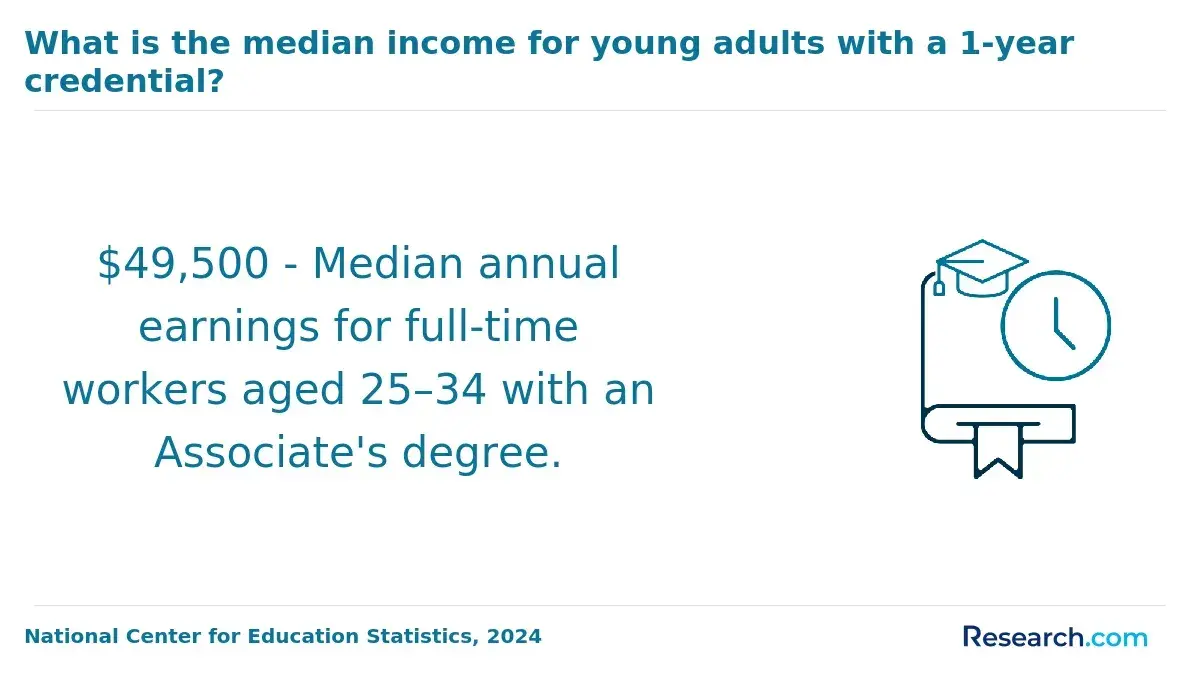
How much do kinesiology professionals typically earn by role, education level, and experience?
Salary disparities among kinesiology professionals in the US hinge largely on role definitions, educational attainment, and accumulated experience. Entry-level positions such as exercise physiologists or physical therapy aides generally start between $40,000 and $55,000 annually, reflecting minimal credential requirements.
Mid-tier roles like fitness trainers or rehabilitation specialists, often held by those with a bachelor's degree, typically earn $50,000 to $70,000, though geographic and employer variations create a broad earnings band.
The average earnings for kinesiology graduates based on education level and job title illustrate a clear premium for advanced qualifications. Holding master's degrees or specialized certifications in sports science or clinical rehabilitation elevates salaries to between $70,000 and over $90,000.
A clinical exercise physiologist employed in a hospital might earn $85,000, contrasting with a corporate wellness consultant at approximately $65,000. Experience further enhances compensation: professionals with 5 to 10 years in clinical or research settings can exceed $100,000, especially in leadership roles. However, technician roles with limited education rarely advance beyond $50,000, underscoring the importance of targeted educational investment.
Practical decision-making involves balancing the cost and time of graduate education against a 30-40% salary increase. Candidates prioritizing swift workforce entry might opt for certification paths rather than full degrees.
Those aiming for management or clinical specialties face different tradeoffs. Location and employer type also significantly impact outcomes. For those considering graduate options, an affordable online master's in healthcare administration could be a strategic complement to kinesiology credentials.
What degree levels in kinesiology (bachelor's, master's, doctorate) lead to which careers?
Choosing the appropriate degree in kinesiology within the US labor market involves weighing clinical autonomy against educational investment and job competitiveness. Bachelor's degree kinesiology careers in the US typically lead to roles such as fitness trainers or rehabilitation aides who assist rather than independently manage treatment plans.
These positions require supplementary certifications to advance clinically, reflecting their practical but limited scope. For example, a bachelor's graduate working as a rehab aide supports licensed professionals without directing therapy protocols.
Master's and doctorate kinesiology job opportunities diverge significantly. A master's degree enables licensure and advanced clinical practice, including conducting assessments and designing therapeutic programs tailored to chronic disease management.
Doctorate degrees focus more on leadership, research, and specialized clinical work, often resulting in academic or program director roles rather than direct patient care.
Labor data from the Canadian Occupational Projection System highlight a near balance between 4,300 projected job openings and 4,400 job seekers for kinesiologists and related professions from 2024 to 2033, emphasizing a competitive market that rewards specialized credentials.
Prospective students should consider how their career goals align with these distinctions and practical limitations. Options exist to compare degree pathways more closely, such as WGU vs Chamberlain, focusing on educational costs, timelines, and certification requirements when planning a strategic professional pivot.
How do online kinesiology programs compare with campus-based options for careers and credibility?
Graduates seeking roles in clinical or applied kinesiology face significant tradeoffs when choosing between online and campus-based programs. Employers in this sector value hands-on training, practical skill verification, and supervised clinical experience-elements that online programs frequently struggle to replicate fully.
For instance, a rehabilitation clinic prioritizes candidates with direct patient interaction gained through embedded practicums, which campus settings provide more consistently.
Canada employs roughly 9,400 professionals in kinesiology-related roles, illustrating a workforce that demands competence beyond theory, according to Government of Canada Job Bank data. In the U.S. context, licensure and certification typically require verified in-person training hours, limiting online program applicability for prospective clinicians.
Online education offers flexibility for working professionals and those targeting research or administrative kinesiology functions but often lacks seamless access to quality clinical placements. Students in rural or less populated regions may face challenges securing adequate practicum sites, affecting their readiness and competitiveness.
Ultimately, selecting a kinesiology education pathway requires evaluation of one's career goals, credential requirements, and geographic access to clinical experiences. Proactive planning is essential for those pursuing online studies to overcome limitations in experiential learning typical of face-to-face formats.

What should students look for in kinesiology program accreditation and professional recognition?
Graduates targeting roles in rehabilitation or sports medicine must focus on kinesiology programs with accreditation from CAAHEP or recognized regional bodies, as employers often require this for eligibility in therapeutic and analytic positions. For instance, a candidate lacking coursework aligned with these standards is unlikely to qualify for clinical roles in physical therapy support settings.
Professional certifications from organizations like the American Kinesiology Association or relevant state boards materially influence employability and wage potential.
Average U.S. kinesiologist salaries are projected to rise to $54,843 in 2025 from $53,897 in 2024, reflecting a market that rewards recognized credentials. This creates a direct tradeoff: programs without aligned certifications limit access to higher-paying roles and delay professional growth.
Practical experience embedded within curricula-such as internships or employer partnerships-substantially improves job placement probabilities. Conversely, graduates from programs lacking this integration often confront extended job searches or underemployment despite holding degrees.
Updated instruction in biomechanics, motor control, and data analytics is increasingly necessary, given the technological demands of modern kinesiological assessment.
What core courses and specializations in kinesiology best align with future job demand?
Employers seeking kinesiology graduates prioritize practical expertise directly linked to healthcare and preventive care, especially in biomechanics, exercise physiology, motor learning, and health promotion.
For instance, knowledge in biomechanics combined with data analytics equips graduates for roles in ergonomic consulting and wearable tech development, sectors expanding alongside workplace injury prevention demands. Conversely, exercise physiology with clinical rehabilitation prepares professionals for therapeutic roles in outpatient or long-term care settings.
Employment data from NACE (Concordia University Chicago "Placement Rates and Career Outlook 2025") confirms that 85% of kinesiology bachelor's graduates secure jobs within six months, with 90% employed in health-related fields.
This highlights a significant tradeoff: students focusing on health system competencies and certifications improve employability markedly compared to those pursuing sport-specific or recreational coaching paths, which are more niche and competitive.
Program selection should emphasize interdisciplinary training incorporating anatomy, public health, and clinical practicum experiences, as employers increasingly value hands-on skills and broad knowledge domains. Graduates narrowly trained in sport-oriented skills may face limited opportunities outside coaching roles.
Successful students balance evidence-based clinical sciences and data-driven methodologies with practical credentialing pathways, adapting to workforce demands that reward versatility and applied expertise over purely theoretical study.
What are the typical admission requirements, time to completion, and total costs for kinesiology degrees?
Choosing a kinesiology degree demands a tradeoff between time investment, cost, and realistic career outcomes. A bachelor's typically spans four years full-time, requiring a high school diploma, satisfactory SAT/ACT scores, and prerequisite science courses.
Part-time students may extend completion to six years, affecting earning potential along the way. Associate degrees compress the timeline to two years but often restrict access to roles requiring advanced credentials.
Graduate education-master's or doctoral-adds significant time and expense but may be necessary for research positions or specialized clinical roles. Master's programs last two to four years depending on enrollment intensity and prerequisites. Doctoral studies extend three to five years beyond that, emphasizing research and dissertation work.
Financially, tuition costs vary widely: public in-state bachelor's programs range from $20,000 to $40,000, while private options can surpass $60,000. Graduate tuition may run $15,000 to $50,000. Online and hybrid programs offer scheduling flexibility for working adults but tend to increase per-credit costs, which can extend overall time and expense.
Mid-career kinesiology graduates typically report median salaries near $70,000, with advanced certifications nudging incomes closer to $85,000 - an important consideration for those balancing education costs against projected earnings. Practical decision-making involves assessing how credential levels align with targeted roles and the realistic timeline for completion.
Which licenses and certifications do kinesiology graduates commonly need for different career paths?
Licensing or certification significantly shapes the employability and scope of practice for kinesiology graduates, especially in regulated jurisdictions like Ontario. Without provincial registration as a Registered Kinesiologist, opportunities in clinical or therapeutic roles remain limited, forcing many to pursue alternative certifications.
For example, roles in fitness or wellness often require credentials such as the ACSM Certified Exercise Physiologist or NSCA certifications to establish credibility with employers and clients.
Those targeting clinical environments face additional barriers: hiring preferences in rehabilitation centers or hospitals frequently demand certifications beyond a kinesiology degree, including clinical exercise physiology or specific therapeutic modalities. This reflects employers' demand for specialized knowledge in patient care that a general kinesiology degree alone may not provide.
The labor market outlook for kinesiologists in Ontario predicts moderate growth but notable competition among licensed practitioners. Graduates who delay obtaining the necessary licensure risk constrained job prospects and lower earning potential.
In community health or government settings, certifications like Certified Health Education Specialist or ergonomics professional development can provide a competitive edge by aligning with public health priorities.
How can prospective students choose a reputable kinesiology school that supports long-term careers?
Programs in kinesiology that lack accreditation from bodies such as the Commission on Accreditation of Allied Health Education Programs often leave graduates vulnerable to employer skepticism and reduced job prospects. Employers prioritize candidates from programs reporting placement rates exceeding 80% within six months, which signals strong industry integration and relevant training.
For instance, a student seeking a clinical athletic training role should confirm robust hospital internship placements, whereas one focused on sports performance must evaluate partnerships with collegiate or professional teams to gain competitive edge.
Curriculum currency also materially affects employability. Absence of biomechanics, motor control, or sports psychology components signals outdated training incompatible with evolving employer requirements and technological integration.
Graduates from theory-heavy programs without immersive practicum experience often encounter delayed or underemployment, undermining return on investment.
Faculty expertise tied to active research can provide dynamic exposure to evidence-based practices. Additionally, programs that support certification preparation-such as for Certified Exercise Physiologist or Athletic Trainer exams-align better with credentialing expectations in specialized roles.
Prospective students should scrutinize alumni career advancement data and career services offerings, including resume support and employer networking, for visibility into practical outcomes.
Financial and temporal commitments must balance realistic workforce outcomes rather than solely institutional reputation. Relying on third-party data and employer feedback offers a more objective evaluation when choosing kinesiology education pathways geared toward sustainable employment.
Other Things You Should Know About Kinesiology
Choosing between specialization and a generalist kinesiology degree depends on career goals and labor market demand. Specialized tracks, such as exercise physiology or rehabilitation, provide targeted skills favored by employers in clinical or performance settings but may limit flexibility if the job market shifts. A generalist degree offers broader foundational knowledge, supporting diverse roles but often requires additional certification or training for specialized positions. Prioritize specialization if you have a clear career path and geographic job options, or a generalist degree if you value adaptable credentials in unpredictable markets.
From 2026 to 2030, the kinesiology job market will increasingly value practical experience due to its direct application in healthcare settings. Programs blending robust practical training with research opportunities will enhance employability by equipping graduates with hands-on skills crucial for roles in physical therapy and rehabilitation.
Obtaining kinesiology-related certifications early can enhance job prospects but may not compensate for a lack of real-world experience in competitive fields. Employers increasingly expect candidates to combine credentials with demonstrated hands-on skill and client interaction. Waiting to earn certifications until after accumulating workplace experience allows deeper contextual understanding and better prepares candidates for advanced exams, but delays initial credentialing benefits. For most learners, securing foundational credentials concurrently with entry-level roles strikes the best balance for advancement.
Career changers must focus on programs offering accelerated paths and strong employer connections that facilitate rapid skill application. Programs without embedded practicum or internship components extend the time before graduates gain real experience, limiting immediate employability. Flexibility for part-time or evening study also matters for those balancing work during retraining. Prioritize kinesiology programs with clear outcomes data on graduate job placement timelines and access to clinical sites or industry partnerships to optimize a fast pivot.
References
- KINESIOLOGY https://www.muw.edu/major/kinesiology/
- Kinesiology and Exercise Science Salaries https://teach.com/online-ed/healthcare-degrees/online-bachelors-kinesiology-exercise-science/how-much-do-kinesiologists-make/
- Online Exercise Science Degrees: Top School Review https://www.edumed.org/online-schools/exercise-science-degrees/
- Explore UM | University of Manitoba - Kinesiology and Recreation Management Applicant Information https://umanitoba.ca/explore/undergraduate-admissions/requirements/kin-rec
- Kinesiology Program Quality Indicators | Washburn University https://www.washburn.edu/academics/college-schools/arts-sciences/kinesiology/quality-indicators.html
- What Can You Do With a Kinesiology Major? | USAHS https://www.usa.edu/blog/what-can-you-do-with-a-kinesiology-major/
- What Can I Do in My Career With a Master’s in Kinesiology? https://www.pointloma.edu/resources/health-sciences/what-can-i-do-my-career-masters-kinesiology
- Future of Jobs Report 2025: 78 Million New Job Opportunities by 2030 but Urgent Upskilling Needed to Prepare Workforces https://www.weforum.org/press/2025/01/future-of-jobs-report-2025-78-million-new-job-opportunities-by-2030-but-urgent-upskilling-needed-to-prepare-workforces/
- Kinesiologist Salary 2026 | What Does A Kinesiologist Make? https://ccm.edu.au/blog/how-much-does-a-kinesiologist-make/
- Five Megatrends Shaping the Labour Market by 2030 - EU-ALMPO https://eu-almpo.eu/five-megatrends-shaping-the-labour-market-by-2030/