2027 Best Online Kinesiology Programs for Working Adults Seeking Career Mobility

Co-Founder and Chief Data Scientist
Balancing a full-time job with the pursuit of advanced kinesiology credentials presents a critical bottleneck for professionals seeking career mobility. Limited class schedules and rigid on-campus demands frequently force delays or forfeiture of educational goals, especially as employers increasingly demand specialized expertise.
Recent data from the National Center for Education Statistics shows a 12% rise in adult enrollment in online STEM-related health programs since 2023, revealing a shift in how professionals prioritize accessible learning modalities. This trend reflects the pressing need for flexible, credible kinesiology programs that enable working adults to upgrade skills without compromising earnings or existing commitments.
This article identifies the best online kinesiology programs tailored to these constraints and evaluates how each supports practical career advancement for working adults.
Key Things You Should Know
- Online kinesiology programs averaging 24 months often delay workforce reentry by a full year versus accelerated in-person tracks, increasing opportunity costs by roughly $15,000 based on median U.S. salaries reported by BLS 2024.
- Only 38% of employers in health and wellness sectors prioritize online kinesiology credentials outright, per 2024 HR surveys, stressing the need for practical internships or certification supplements to avoid hiring biases.
- Programs with integrated state licensure exam prep reduce post-graduation certification failure rates by 22%, directly impacting career mobility speed and employer reimbursement eligibility under recent CMS regulatory updates.
What is an online kinesiology degree and how does it support career mobility for working adults?
Online kinesiology degree programs for working adults provide targeted skills in human movement and biomechanics while accommodating full-time employment through flexible, remote coursework. This structure enables learners to integrate academic theory with applied practice relevant to diverse roles such as exercise physiologist or occupational health specialist.
Career advancement with online kinesiology education hinges on selecting programs that balance synchronous instruction, accredited status, and local clinical practicum options, essential for maintaining alignment with certification requirements.
Employers increasingly demand professionals who combine current credentials with capabilities in interdisciplinary collaboration and data-driven decision-making. For instance, a full-time manufacturing employee leveraging ergonomic assessment training can transition toward injury prevention specialist roles, demonstrating tangible workplace safety improvements.
Graduates armed with an online kinesiology degree are better positioned in sectors ranging from rehabilitation clinics to corporate wellness programs, reflecting labor market expectations for practical competence.
Financial outcomes also influence enrollment choices. According to OnlineU, Oregon State University's online Bachelor of Science in kinesiology reported a median salary of $60,964 in 2026, placing graduates in the top quartile nationally. However, prospective students must carefully assess programs to ensure a genuine return on investment amid the competing demands of work, study, and clinical requirements.
Those exploring allied health pathways may find useful parallels in ASN online offerings, which highlight alternate schedules and credentialing pathways relevant to healthcare careers.
How do online kinesiology programs compare with campus-based programs for flexibility, quality, and outcomes?
Choosing between online kinesiology programs flexibility compared to campus-based options involves weighing practical access to hands-on training against scheduling convenience. Online formats cater to working adults by offering asynchronous lectures and remote materials, but students still face the challenge of securing local clinical internships or lab time independently, which campus programs typically facilitate through direct access to facilities and supervised practice.
Quality varies significantly between programs; established universities maintain consistent faculty expertise and accredited curricula regardless of delivery mode, but employers emphasize verified clinical hours and certifications over the format of study. Graduates from online kinesiology programs must proactively arrange relevant experiential learning to meet hiring standards, as demonstrated skills influence employability more than the degree's modality.
Workforce data from the U.S. Bureau of Labor Statistics underscores sustained growth in kinesiology-related positions, such as a 9.5% increase in exercise physiologist roles with median wages near $59,460, and a 22.0% rise for physical therapist assistants earning around $68,380. For professionals pursuing kinesiology as a career pivot or advancement, thorough evaluation of program accreditation and employer networking opportunities is crucial.
Prospective students should prioritize programs aligning with their ability to complete hands-on requirements promptly while balancing life commitments. For a broader perspective on tailored academic pathways, consider exploring accelerated healthcare administration degree online options, which similarly blend flexibility with workforce responsiveness.
Which types of kinesiology degrees can you earn online and which level suits your goals?
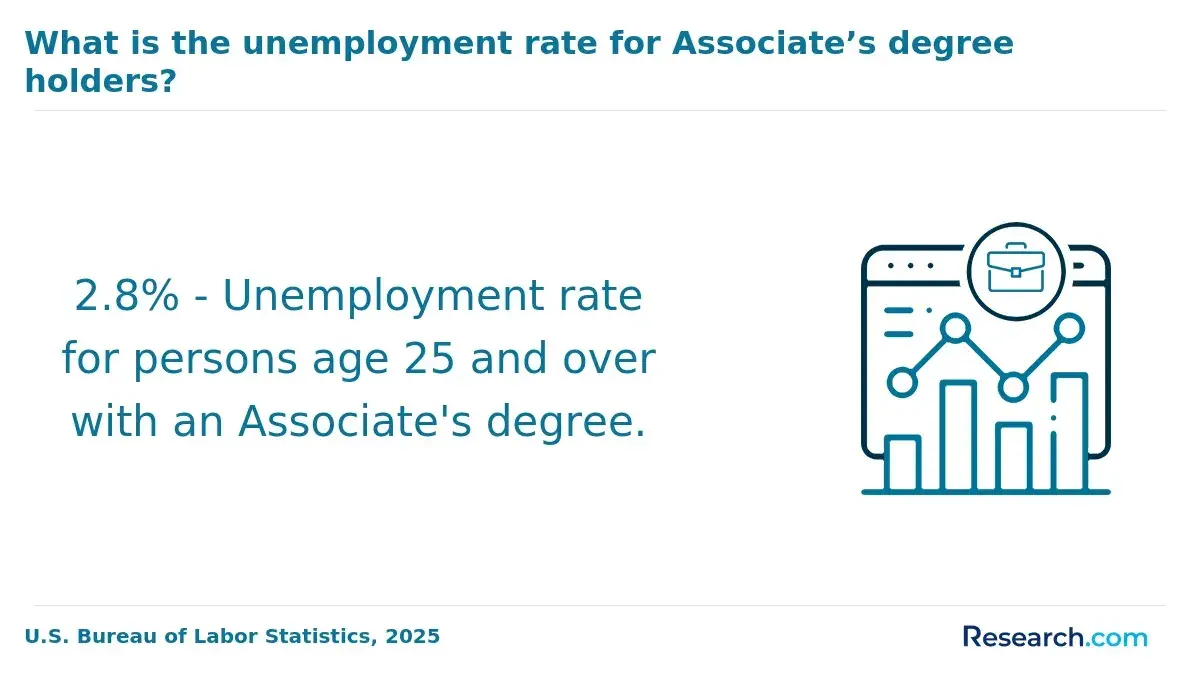
Choosing an online kinesiology degree demands assessing how degree level aligns with tangible career outcomes and workforce requirements. An associate degree serves those seeking entry-level roles in fitness or rehabilitation support but restricts advancement into clinical or specialized roles.
For working adults aiming for more comprehensive positions in health promotion or exercise science, an online bachelor's degree offers essential foundational coursework suitable for immediate job shifts or graduate study preparation. This pathway fits well within best online kinesiology programs for career advancement due to its balance of accessibility and scope.
Master's degrees, especially a Master of Science in kinesiology or related fields, are pivotal for professionals targeting licensed clinical roles like physician assistants. The U.S. Bureau of Labor Statistics projects a 20.4% growth and a median annual wage near $135,880 for physician assistants, highlighting the financial and occupational leverage a master's degree provides.
Bachelor's holders planning to enter these fields must evaluate programs offering compatible prerequisite coursework to meet PA school admission requirements.
Doctorate degrees-PhDs or EdDs-primarily prepare graduates for research, academic, or administrative careers, limiting their practical application for working adults seeking clinical mobility. Programs including clinical internships may require on-site attendance, representing a key logistical constraint for many.
Those balancing cost, time, and career goals might consider related fields. For instance, an MBA in healthcare management can complement kinesiology credentials for leadership roles requiring business acumen.
How can you verify that an online kinesiology program is properly accredited and respected by employers?
Selecting accredited online kinesiology programs in the United States is a decisive factor that directly affects professional credibility and career mobility. Regional accreditation, such as from the Higher Learning Commission or Middle States Commission on Higher Education, remains the primary benchmark employers rely on to verify educational quality and transferability.
Specialized accreditations like those from the Commission on Accreditation of Allied Health Education Programs (CAAHEP) can add relevance but do not substitute for regional accreditation in employer recognition.
Practical steps to vet programs include:
- Consulting the U.S. Department of Education's Database of Accredited Postsecondary Institutions and Programs (DAPIP) for official accreditation status
- Reviewing hiring preferences in kinesiology-related roles to assert the weight of employer-recognized kinesiology degrees for working adults
- Assessing curriculum alignment with necessary certifications, especially for clinical or rehabilitation pathways
Consider a working professional transitioning into rehabilitation therapy: enrolling in a non-accredited program can exclude eligibility for national certification exams, limiting advancement opportunities. Conversely, a program with proper accreditation supports qualification for these certifications and sustains competitiveness.
Data from OnlineU's 2026 report illustrates such outcomes: graduates of Arizona State University's online BS in kinesiology earn a median salary of $52,532 three years post-graduation against an average net tuition of $13,004, demonstrating tangible return on investment.
Those uncertain about institution comparisons might explore evaluations like which school is better SNHU vs WGU to understand nuances in online program quality and employer reception.
What admission requirements and prior experience do online kinesiology programs typically expect from applicants?
Admission requirements for online kinesiology programs reflect the complex balance between academic preparation and professional readiness. Many programs require a high school diploma or equivalent, with some expecting prior college credits or associate degrees to reduce duplication of introductory coursework.
Foundational knowledge in biology, anatomy, and physiology is increasingly critical, as these subjects ground the technical skills kinesiology professionals apply. For individuals moving from roles like personal training to rehabilitation therapy, demonstrating relevant work experience alongside meeting course prerequisites can expedite progress.
Applicants without direct kinesiology exposure often face additional coursework in basic sciences, increasing both time and financial commitments. This tradeoff can challenge working adults juggling employment and family responsibilities, especially when prerequisite completion is required early.
Standardized test requirements are frequently waived for those with professional experience or existing postsecondary credits, shifting evaluative focus toward letters of recommendation and personal statements. These documents hold weight for candidates aiming at applied fields such as physical therapy assistance, where demonstrated career intent and competencies matter.
Retention and graduation rates reveal operational realities: Concordia University Chicago reports a 73% retention paired with under 50% graduation in kinesiology-related online programs. This attrition suggests significant hurdles remain in sustaining adult learners beyond initial enrollment due to competing life demands and program rigor.
Key considerations for prospective students include balancing upfront prerequisites, practical experience validation, and realistic timelines for completion within the constraints of ongoing employment.
What courses and specializations are usually included in an online kinesiology curriculum?
While online kinesiology programs provide solid theoretical foundations in anatomy, physiology, and biomechanics, they often fall short in delivering the clinical practice experience that employers in rehabilitation, performance analysis, or wellness roles require.
Students relying solely on virtual coursework face a critical tradeoff: lack of hands-on exposure necessitates acquiring practical skills through local internships or employer-based practicums to be competitive in the job market.
Core curricula usually integrate applied modules focused on physical performance assessment and exercise prescription for diverse populations, including injury recovery and chronic disease management. Research methods and data analysis remain essential, supporting evidence-based practices and specialization options such as ergonomic assessment or occupational health, which align with workplace wellness demands.
Working professionals must consider program logistics carefully: asynchronous delivery combined with virtual labs offers flexibility, but local practical opportunities are indispensable for mastering therapeutic exercises or clinical kinesiology, particularly for those targeting physical or occupational therapy pathways.
Large-scale online platforms like Arizona State University Online illustrate the infrastructure needed to support rigorous academic advising and interactive learning, yet do not resolve the fundamental hands-on training gap.
Employers prioritize certification endorsements and verified clinical experience beyond degree completion. Prospective students should plan accordingly to pursue supplementary credentials, as foundational kinesiology degrees rarely fulfill certification requirements on their own.
How long do online kinesiology programs take to complete and what schedules fit working adults?
Pursuing an online kinesiology bachelor's degree demands balancing program length, work commitments, and employer expectations. While full-time study typically spans four years, working adults often extend this timeline to five or six years by taking two to three courses per semester.
This model supports steady progress without disrupting work-life balance, as illustrated by a registered nurse maintaining a 40-hour workweek. Programs offering asynchronous courses and accelerated sessions provide scheduling flexibility but may challenge candidates seeking streamlined credentialing paths.
Employers in rehabilitation, ergonomics, and fitness sectors prioritize consistent enrollment and degree completion within six years to ensure up-to-date knowledge and professional competitiveness. Hybrid programs requiring occasional synchronous sessions afford networking benefits yet reduce scheduling freedom.
Cost considerations are significant; for example, Texas Tech University charges between $415 and $500 per credit hour, making per-credit pricing a practical benchmark for budgeting part-time enrollment, which often lacks scholarship support tied to full-time status.
Prospective students should weigh these pragmatic factors:
- Extended degree timelines may signal reduced currency in fast-evolving fields like sports science and occupational therapy.
- Modular, competency-based formats accommodate irregular work shifts but can complicate accreditation and licensure timing.
- Robust academic advising and clear completion timelines are essential to align education with career mobility.
How much do online kinesiology degrees cost and what financial aid options are available?
Investing in an online kinesiology degree demands careful financial and career outcome consideration, particularly for working adults balancing cost against realistic earning potential.
Bachelor's programs range from $15,000 to $40,000, influenced by accreditation, residency, and credit load, while graduate programs start around $25,000 and exceed $60,000 when including specialized clinical components. This spectrum reflects not only educational intensity but also the degree's alignment with high-demand allied health roles.
Employment data signal that fields allied to kinesiology, such as occupational therapy (13.8% job growth; median salary $100,330) and physical therapy (10.9% growth; $102,760 median), provide tangible salary returns that justify upfront expenses for those able to commit.
However, graduates must navigate additional costs beyond tuition including exam fees, clinical placements, and required technology, which collectively impact net investment.
Financial aid landscapes present mixed opportunities: federal Pell Grants and subsidized loans alleviate initial debt burdens; employer tuition assistance can dramatically cut costs but requires verification of eligible programs and potential work commitments post-graduation.
Many institutions offer both merit- and need-based scholarships specifically targeting returning or working adult students, complemented by state residency discounts and workforce development grants.
To optimize return on investment, candidates should:
- Prioritize programs eligible for employer reimbursement or flexible loan repayment
- Assess total cost of attendance including non-tuition fees
- Align educational choices with licensure pathways that enhance employability and earning power
This pragmatic approach supports sustainable career transitions and mitigates financial risk inherent in higher education decisions.
What careers can an online kinesiology degree lead to, and what are the salary expectations?
Graduates from an online kinesiology degree confront distinct employment pathways that vary widely in certification demands, salary potential, and job stability. For instance, personal trainers and fitness instructors benefit from a 13% job growth rate and a median annual wage of $60,000, driven by preventive health trends and expanding client demand.
However, roles like occupational therapy assistants require state licensure, adding time and cost but yielding higher median wages around $60,000 to $70,000, which suits individuals balancing education with ongoing employment.
The degree also aligns with positions such as exercise physiologists and wellness coaches, where income strongly depends on certifications, geographic location, and entrepreneurial skills. Exercise physiologists typically earn $50,000 to $80,000, but securing accredited certification beyond the degree is often a baseline expectation, especially in clinical or rehabilitation environments.
Career pivots toward health promotion or ergonomics within corporate settings require interdisciplinary skills that exceed kinesiology alone, creating additional learning curves and employer expectations. Working professionals must weigh the timelines for licensure, continuing education, and network development against projected salary gains before committing.
Ultimately, selecting a kinesiology program should involve closely matching its credentials and clinical accreditation with the regulatory requirements of the intended career to avoid delays and maximize employability.
Do kinesiology careers require certification or licensure, and how do online programs help you qualify?
Certification and licensure significantly shape the practical value of kinesiology programs, especially online offerings aimed at working professionals. Many roles, such as exercise physiologists or physical therapy assistants, require credentials from recognized bodies like the American College of Sports Medicine or state licensure boards. Without these, even advanced degrees can limit access to higher-paying, supervisory, or clinical positions.
Working adults must evaluate how well programs integrate targeted preparation for relevant certifications, including practical experience through internships or practicum placements. This integration reduces the risk of post-graduation delays caused by unmet hands-on requirements or exam eligibility issues.
Online kinesiology programs stand out when they provide flexible course schedules alongside direct support for credentialing, including career services and clinical connections. EduMed's 2025 analysis revealed that top master's programs with over 90% job placement or continued education rates often emphasize such alignment, a key factor employers consider when assessing candidates' readiness.
Consider the difference between a fitness trainer position, which may require only national certifications, and a clinical rehabilitation role necessitating state licensure exams: program choice directly impacts the nature, timeline, and cost of entering or advancing within these career tracks.
Ultimately, verifying program accreditation, relevance to credentialing standards, and practical experience opportunities helps avoid costly credentialing gaps and supports a smoother transition into a competitive labor market.
Other Things You Should Know About Kinesiology
Most online kinesiology programs do not require prior healthcare or fitness experience, but having relevant background can reduce the learning curve and improve practical comprehension. For working adults aiming for career mobility, programs that offer foundational modules for beginners tend to be more accommodating. Candidates should prioritize programs that clearly align coursework with their experience level to avoid unnecessary repetition or gaps in applied skills.
Online kinesiology programs in 2027 are specifically designed to accommodate working adults. They typically offer flexible schedules and asynchronous coursework, allowing students to manage full-time jobs while also pursuing career advancement opportunities in kinesiology and related fields.
Employers in healthcare and fitness sectors increasingly recognize accredited online kinesiology degrees, but reputation and accreditation status remain critical. Online degrees from regionally accredited institutions with clinical or internship components are prioritized. Job candidates should highlight hands-on experience and relevant certifications alongside the online degree to offset any lingering employer bias against fully remote education.
Prioritizing programs that offer specializations aligned with targeted career goals usually yields better outcomes. For example, those aiming for physical therapy support roles should seek programs emphasizing biomechanics or rehabilitation, while fitness management careers benefit from exercise science focuses. Selecting a program with relevant specializations enhances practical skills and employer appeal more than a general kinesiology degree alone.
References
- What Can You Do With a Kinesiology Major? | USAHS https://www.usa.edu/blog/what-can-you-do-with-a-kinesiology-major/
- Online Bachelor’s in Kinesiology and Exercise Science Programs https://teach.com/online-ed/healthcare-degrees/online-bachelors-kinesiology-exercise-science/
- Financial Aid For Online Colleges https://www.affordablecollegesonline.org/financial-aid/financial-aid-for-online-colleges/
- Internationally Accredited https://www.accrediprouniversity.com/accreditation
- Online Kinesiology Degree Programs: Review Top Schools https://www.edumed.org/online-schools/kinesiology-degrees/
- How to Become a Kinesiologist - Education & Certification https://www.medicaltechnologyschools.com/kinesiologist/how-to-become-a-kinesiologist
- Best Online Kinesiology Degree Programs, Updated for 2026 https://www.kinesiologydegrees.org/programs/online