2027 Best Online Kinesiology Programs for Professionals Seeking Sports Performance Careers

Co-Founder and Chief Data Scientist
Professionals aiming to transition into sports performance careers often confront rigid program schedules and limited access to specialized kinesiology coursework tailored for mid-career learners. This friction is amplified by the fact that over 70% of online postsecondary students in the U. S. are aged 25 or older, underscoring a broad demand for flexible, career-compatible education options, according to recent data from the National Center for Education Statistics.
Such demographic trends highlight ongoing challenges in balancing work, study, and certification timelines, which directly influence job market readiness and long-term career mobility in sports science fields. This article evaluates top online kinesiology programs designed to address these practical constraints and help prospective students identify pathways aligning with their professional goals and scheduling needs.
Key Things You Should Know
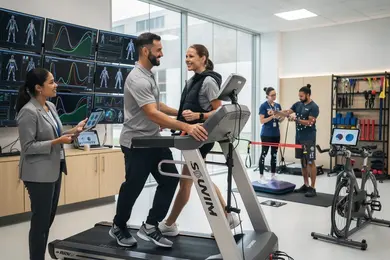
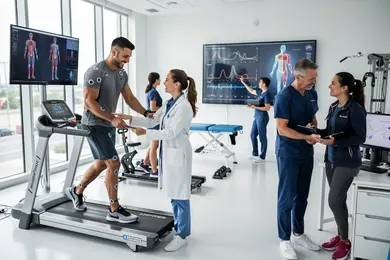
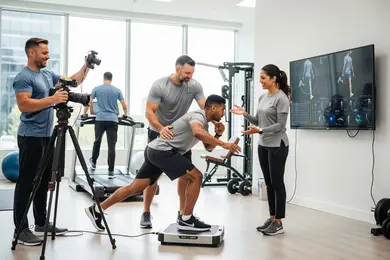
- Employers prioritize applied biomechanics mastery over general kinesiology theory; programs with integrated sensor technology labs see 25% higher graduate job placement in sports performance roles, per NATA 2024 data.
- Programs averaging 18 months reduce opportunity costs but often omit deep clinical practicum, creating tradeoffs between faster degree completion and employer-preferred hands-on experience.
- Tuition exceeding $35,000 correlates with stronger alumni networks and partnerships in pro sports settings, yet 40% of working adults face financing barriers delaying credential attainment, per NEA labor reports.
What is an online kinesiology degree and how does it prepare you for sports performance careers?
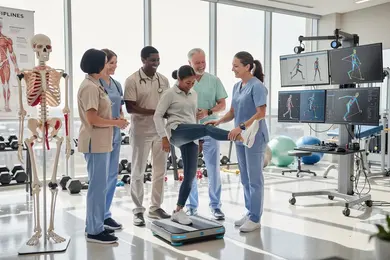
An online kinesiology degree programs for sports performance must reconcile the inherent challenge of delivering applied physical training through a digital format. Employers prioritize candidates who demonstrate not only biomechanics and exercise physiology knowledge but also the ability to implement injury prevention and rehabilitation techniques in real settings. Programs that incorporate virtual labs, interactive simulations, and coordinated practicums with local sports or health organizations better prepare graduates to meet these standards.
For students aiming at roles such as strength and conditioning coaches, these experiential opportunities are more than academic exercises-they critically impact employability by linking theory with supervised practice. Without up-to-date certifications and access to certified trainers or athletic departments, graduates risk falling short of sports performance employers' prerequisites, regardless of academic achievements.
Practical workforce data underlines this pathway's relevance: between 2022 and 2032, fitness trainers and instructors-common kinesiology and sports performance outcomes-face a projected 14% job growth, nearly triple the average across all occupations, yielding about 69,000 new openings annually in the U.S. This demand amplifies the value of competencies in scientifically grounded fitness and rehabilitation strategies.
One consideration for prospective students is how their chosen program integrates such competencies and tangible experience. For those who need broader health career options, comparison with other pathways like an ASN online may be warranted depending on career goals and local job markets.
Ultimately, how an online kinesiology degree prepares for sports careers depends on the program's ability to balance theoretical foundations with practical exposure and recognized certifications, ensuring graduates are operationally ready in competitive athletic environments.
Which online kinesiology programs are best for advancing sports performance and athletic training careers?
Programs ranked among the best online kinesiology programs for sports performance careers must align tightly with employer expectations around certification readiness and hands-on experience. Many working professionals face a common tradeoff balancing asynchronous coursework flexibility against opportunities for synchronous mentorship and movement analysis skills. Degrees that integrate practicum internships with local sports clinics or fitness centers more effectively overcome the gap in real-world application, a hurdle frequently encountered in remote learning.
Employers favor candidates emerging with embedded certifications such as ACSM Certified Exercise Physiologist or NASM Performance Enhancement Specialist to reduce onboarding delays and lost income. The U.S. Bureau of Labor Statistics expects a 13% job outlook growth rate and median annual wages around $60,000 for roles like personal trainers, emphasizing the economic stakes tied to credential timing. Selecting programs with strong graduate employment rates in athletic training or strength coaching-rather than vague health sectors-better positions professionals aiming for collegiate or pro sports organizations. Such programs must emphasize advanced sport science labs and biomechanical analytics beyond foundational kinesiology.
Students weighing top online kinesiology degrees for athletic training professionals should also consider how program pacing influences access to expert mentorship critical for skill development. Tradeoffs in flexibility versus guided learning often shape career trajectories substantially. Those seeking a more accessible academic transition might also explore related offerings in healthcare fields, for example by comparing options like an easiest RN to BSN program, when determining their precise pathway.
How do online kinesiology programs compare with on-campus options for sports performance professionals?
Online kinesiology programs versus on-campus programs for sports performance professionals reveal fundamental tradeoffs in experiential learning and career readiness. Theoretical content remains comparable between formats, but practical training in online kinesiology education for sports performance often requires students to independently secure internships or labs, unlike traditional programs that embed these experiences through local partnerships. This structural difference can delay skill acquisition and reduce networking opportunities essential for entry-level candidates.
Tuition costs for online master's programs typically range between $15,000 and $30,000, reflecting lower financial barriers and a faster return on investment given the median exercise physiologist salary of $58,920. For working professionals already engaged in athletic training, leveraging online coursework alongside in-person practicum at their workplace offers a cost-effective path without interrupting employment. Conversely, those new to the field may benefit more from on-campus programs' direct access to clinical settings and networking, which influence early-career hiring outcomes.
Employers increasingly prioritize applied skills and certifications alongside academic credentials. Graduates from online pathways must be proactive in acquiring relevant experience to bridge potential gaps compared to traditional students. When weighing online versus on-campus kinesiology programs for sports performance professionals, consider employment status, access to practical sites, and professional connections.
For individuals exploring alternative health-related career moves, programs like MBA healthcare offer additional strategic options beyond kinesiology.
What accreditation and program quality standards should online kinesiology programs in the U.S. meet?
Programs seeking validity in online kinesiology education must align with accreditation standards for online kinesiology programs in the U.S., requiring regional accreditation accepted by employers and federal aid bodies. Without recognized accreditation or endorsements like those from CAAHEP, students risk credentials that limit transfer credits and employment access. Institutions emphasizing applied science through biomechanics, exercise physiology, and sports analytics curricula better prepare candidates for roles such as coaching and athletic performance analysis. A critical differentiator lies in offering practical experiences; programs lacking lab access or virtual simulations fall short, leading to graduates less competitive for data-intensive jobs.
Labor market data projects addition of over 25,000 positions in coaching and scouting fields within a decade, emphasizing demand for graduates skilled in performance metrics and talent evaluation. Candidates from programs that omit experiential learning or industry networking often face weaker job placement and certification success, highlighting the tradeoff between theoretically rich but practically thin curricula and programs that bridge theory with field experience.
Prospective students must weigh cost against outcomes, discerning between lower tuition online kinesiology courses without robust accreditation and more expensive programs that facilitate career growth. Transparency in employment and certification pass rates reveals genuine program quality. In this evaluation, integrating online accelerated nursing programs as a comparative frame shows the broader pattern of valuing both accreditation and practical training for workforce readiness.
What courses and specializations do online kinesiology programs offer for sports performance roles?
Choosing a specialization within online kinesiology programs directly affects employability and daily responsibilities in sports performance roles. Employers value distinct applied competencies-such as strength and conditioning program design for competitive teams or nutrition expertise tailored to endurance athletes-that align with their operational needs. This specialization selection dictates career trajectory more than the generalized curriculum.
Over 40 fully online master's options cited by CollegeHippo and KinesiologyDegrees.org provide flexible access for working professionals, but this format demands rigorous self-management. Without robust hands-on components or internships, graduates may confront gaps between academic theory and workforce credentialing requirements. For example, rehabilitation specialists must engage deeply with therapeutic and clinical assessment modules to satisfy employer standards, while roles emphasizing sports analytics require skills in wearable tech and data interpretation.
Programs often differ drastically in experiential learning integration, which influences readiness for practical application. Prospective students should critically assess each program's case studies, virtual labs, and internship offerings against industry certification criteria to avoid underpreparedness.
What are the typical admission requirements for online kinesiology bachelor's and master's programs?
Admission criteria for online kinesiology degrees directly shape candidate readiness and long-term employability. Bachelor's applicants typically need a high school diploma with a GPA around 2.5-3.0 and foundational coursework in biology and chemistry; standardized tests like the SAT or ACT are often optional but beneficial. Missing early prerequisites such as anatomy or exercise science can delay entry or increase dropout risk, making upfront preparation critical.
Master's level admissions demand a relevant bachelor's degree and a stronger GPA baseline (3.0-3.5), along with demonstrable experience-whether through internships or work in sports therapy or athletic training. Letters of recommendation and personal statements serve to validate professional intent, while some programs still request GRE scores despite their declining necessity.
CPR/AED certification is a practical requirement tied to clinical components and licensure paths, emphasizing hands-on readiness over purely academic credentials. Prospective students must weigh logistical constraints of clinical placements often requiring physical presence, which contrasts with the online convenience and can affect scheduling, especially for working professionals.
Decisions to accelerate entry without adequate foundational experience may sacrifice persistence, while deliberate credential-building aligns with the evidence-based requirements employers increasingly prioritize in kinesiology-related roles.
How long do online kinesiology degrees take and what do they typically cost?
Choosing an online kinesiology degree requires balancing program length, cost, and specialization against specific career ambitions. Bachelor's programs typically demand four years full-time, with master's degrees extending two more years; part-time study can add significant duration. Students working alongside studies must carefully manage workload to prevent burnout and delayed graduation.
Financially, tuition varies sharply: public undergraduate programs cost between $10,000 and $20,000 annually for in-state students, while private and out-of-state tuition ranges from $30,000 to $45,000 per year. Total expenses can rise above $90,000 for private graduate options, necessitating a thoughtful assessment of return on investment relative to targeted roles.
The job market increasingly favors kinesiology graduates versed in performance analytics and sports science technology, with demand for these skills growing over 30% in the past decade. Programs omitting these components risk limiting graduates' positioning in evidence-based athletic and rehabilitation settings.
Decision-makers face a tradeoff: lower cost degrees may lack comprehensive analytics training necessary for competitive roles in elite sports performance, while more expensive, tech-integrated programs better support access to such positions. For example, strength and conditioning coaches aiming for high-performance teams benefit from data-driven curricula despite higher costs; conversely, entry-level fitness instructors might opt for shorter, affordable degrees.
Incorporating internships or practicums can lengthen study time but is vital for applying skills and expanding professional networks. Early planning around these factors helps align academic timelines with market demands and practical career trajectories.
What sports performance careers can you pursue with an online kinesiology degree?
An online kinesiology degree alone rarely suffices for many sports performance careers due to rigorous certification and licensure demands that often include regional or in-person clinical components. For example, strength and conditioning coaches working with collegiate or professional teams must earn specialized certifications beyond their degree, leveraging kinesiology as a foundational credential to refine athlete training and monitoring protocols.
Graduates seeking higher earning potential frequently pursue additional credentials in physical therapy, where median wages reach around $99,710, significantly exceeding the average U.S. salary according to the U.S. Bureau of Labor Statistics. This pathway requires substantial further education but substantially improves economic outcomes compared to entry-level kinesiology roles.
Effective career planning must consider how state licensing policies and employer expectations shape the value of online kinesiology programs. Athletic trainers, for instance, are mandated to complete supervised clinical internships verified by accredited bodies, meaning that fully remote study must be supplemented by localized practical experiences.
Key practical realities include:
- Many kinesiology-related positions require certification exams beyond degree completion.
- Clinical or internship hours commonly necessitate regional partnerships or in-person attendance.
- Employer preference often targets candidates with graduate-level credentials in rehabilitation or therapy.
Understanding these nuances helps prospective students weigh the tangible benefits and limitations of online kinesiology degrees relative to their commitment to additional training and long-term occupational goals.
What salary ranges and job outlook can sports performance professionals expect with kinesiology training?
Sports performance professions with kinesiology backgrounds face notable wage and employment tradeoffs shaped by setting, credentials, and expertise. Entry-level exercise physiologists generally earn $50,000 to $60,000 annually, while experienced strength coaches for collegiate or professional teams often surpass $80,000. Positions in healthcare or private practice can augment income through specialty certifications and client fees. However, stable salaries common in clinical settings come with limited advancement absent graduate degrees or licenses. In contrast, sports organizations offer higher pay with less job security, demanding versatile skills in athlete monitoring, conditioning, and data analytics.
Labor market projections from Minnesota estimate over 1,200 yearly openings for exercise physiologists and 910 for coaches and scouts through 2030, signaling sustained demand but also competitive hiring conditions. Candidates without practical experience often struggle to differentiate themselves, making internships and applied skills crucial. Certifications in strength and conditioning or sports nutrition notably increase employability and earning potential beyond the baseline kinesiology degree.
Decision-making here hinges on aligning educational pathways with realistic employer expectations and individual risk tolerance: clinical roles reward formal training and stability, whereas sports teams prize practical impact and adaptability. Navigating this landscape requires intentional skill-building tailored to the desired work environment and long-term career trajectory.
How do certifications and state licensing affect careers in kinesiology and sports performance?
Licensing and certifications form a defining boundary in kinesiology careers, often determining whether one can legally engage in treatment or fitness coaching. For example, athletic trainers require state licensure after Board of Certification approval to qualify for clinical roles; this is not negotiable for employment. In contrast, fitness trainers may operate without strict licensing but face strong market pressure to hold certifications like NASM or ACSM, which employers increasingly demand to mitigate liability and ensure client safety.
Geographic portability is a practical hurdle. Licenses are state-specific, so a certified athletic trainer licensed in California must obtain additional licensure to work in New York, causing extra costs and administrative effort. This variability impacts career mobility and must be factored into job market targeting.
Certification and licensing also dictate educational pathways. Programs aligned with recognized certifications often require more time and money, but these credentials serve as employers' key indicators of technical skill and adherence to safety protocols, directly influencing job placement and salary negotiations.
Employment forecasts for roles such as athletic trainers, coaches, and exercise physiologists project above-average growth through 2032. Securing the necessary certifications and licenses is thus essential not only for compliance but to avoid disqualification from expanding job opportunities in this competitive field.
Other Things You Should Know About Kinesiology
Hands-on clinical experience remains vital in online kinesiology programs, especially for those focusing on sports performance. While online programs offer theoretical knowledge, practical experience in real-world settings enriches learning and is crucial for developing skills required in sports performance careers.
Online kinesiology programs often require strong self-discipline because asynchronous coursework demands consistent pacing without real-time supervision. For working professionals, balancing job responsibilities with the extensive science and biomechanics content can be demanding. Choose programs that offer structured cohorts or synchronous sessions to improve accountability and reduce the risk of falling behind.
Specializations such as exercise physiology, athletic training, or biomechanics directly influence employability and salary trajectories. Programs emphasizing evidence-based sports performance techniques and certifications aligned with employers' clinical or athletic needs tend to provide stronger job placement. When selecting a program, prioritize specializations with clear industry demand and certification pathways relevant to your target role.
Employers prioritize demonstrable skills, certifications, and clinical experience over the mode of degree delivery. However, some employers still regard traditional degrees as more credible in competitive sports performance fields. To mitigate this, candidates should complement online degrees with recognized certifications and strong internships to offset any perceived drawbacks in program delivery.
References
- Best Masters in Kinesiology Degree Programs Online for 2026 https://www.kinesiologydegrees.org/programs/degree/masters
- What Can You Do with a Kinesiology Degree? https://www.nec.edu/news/what-can-you-do-with-kinesiology-degree
- Exercise science program accredited by national organization | Lipscomb University https://lipscomb.edu/news/exercise-science-program-accredited-national-organization
- Online Bachelor of Science in Kinesiology https://calbaptist.edu/academics/programs/online-bachelor-of-science-kinesiology/
- Kinesiology Online Master's: See & Compare Top Programs https://www.edumed.org/online-schools/kinesiology-degrees/masters/
- Kinesiology vs. Exercise Science vs. Sport Performance https://www.pointloma.edu/resources/health-sciences/kinesiology-vs-exercise-science-vs-sport-performance
- Kinesiology Program Quality Indicators | Washburn University https://www.washburn.edu/academics/college-schools/arts-sciences/kinesiology/quality-indicators.html
- Building Trust in Qualified Exercise Professionals: The Power of Alignment, Professional Competencies and Academic Accreditation https://acsm.org/building-trust-certified-pros/
- Online Bachelor’s in Kinesiology and Exercise Science Programs https://teach.com/online-ed/healthcare-degrees/online-bachelors-kinesiology-exercise-science/
- How Long to Get a Kinesiology Degree? | ValidGrad https://validgrad.com/blog/kinesiology-degree-duration/