2027 Best Online Kinesiology Degrees for Sports Performance Careers

Co-Founder and Chief Data Scientist
Sports performance professionals often confront the challenge of advancing their credentials without disrupting demanding schedules or relocating for campus attendance. This obstacle is critical given that 42% of U. S. adults pursuing higher education in 2024 are balancing work and study simultaneously, according to the National Center for Education Statistics.
Such a landscape shifts the emphasis toward flexible, rigorous online kinesiology programs that accommodate diverse learner timelines while meeting employer expectations in a competitive sports science labor market. This article evaluates the best online kinesiology degrees designed specifically for sports performance careers, focusing on program accessibility, curriculum relevance, and career outcomes to guide informed educational decisions.
Key Things You Should Know
- Online kinesiology degrees offer 20-30% lower tuition than residential programs, but 65% of sports performance employers rate practical, in-person internship experience as essential, creating a tradeoff between cost savings and field readiness.
- Data from the Bureau of Labor Statistics shows a 12% growth in sports performance roles through 2030, but employers prioritize candidates with hands-on assessment skills often underdeveloped in fully online curricula, influencing hiring outcomes.
- Program duration variability affects career timing: accelerated online paths (2-3 years) enable quicker workforce entry yet risk limited specialization versus traditional 4-year programs preferred by 58% of certifications in sports-related kinesiology fields.
What is an online kinesiology degree for sports performance and who is it best for?
Pursuing an online kinesiology degree program for sports performance requires balancing the convenience of remote learning with the necessity for hands-on experience. Students aiming for roles like exercise physiologists or performance analysts must ensure their chosen program offers sufficient applied exercise testing and program design credits, as these directly affect employability in competitive sports and clinical environments.
For instance, a fitness professional working full-time can leverage asynchronous coursework to earn specialized credentials without losing income, but should confirm if clinical placements are mandatory and feasible within their schedule.
The field's 9% projected growth rate through 2034, alongside top salaries exceeding $79,830, underlines stable demand but also a need for practical, recognized skills. Accreditation and access to virtual labs or simulation tools vary between programs, impacting the quality of preparation. Employers often expect combined credentials such as CPR or sports nutrition certifications, which amplify job prospects.
When evaluating the best online kinesiology courses for athletic career advancement, verify institutional recognition and the extent of experiential learning integration since these factors influence long-term success and professional credibility. Students should critically assess program structure to avoid delays in credentialing or skill gaps that limit entry into desired roles.
Prospective learners may find comparative insights and additional guidance through resources like ASN nursing online educational reviews, which highlight online program quality and institutional rigor relevant to allied health education models.
How do online kinesiology programs for sports performance work compared with campus programs?
Online kinesiology programs versus campus programs for sports performance reveal a critical operational gap: practical skill development. While theoretical foundations such as biomechanics and exercise physiology transfer effectively to online formats via video lectures and interactive modules, hands-on experience remains elusive.
Campus programs embed clinical placements and on-site labs within their curricula, offering direct, supervised exposure essential for mastering equipment use and manual assessments. Online students must independently secure fieldwork in local clinics or fitness centers, introducing logistical challenges that can extend program timelines or reduce mentorship consistency.
Employer recognition of online kinesiology degrees depends heavily on documented practical experience. For instance, a fitness trainer emerging from an online degree might face additional certification requirements or on-the-job training to align with colleagues who benefited from campus-based facilities.
The U.S. Bureau of Labor Statistics reports a median wage of approximately $60,000 for fitness trainers and instructors with a projected job growth of 13%, emphasizing demand for adaptable training but also favoring candidates with substantial applied competencies.
The inherent flexibility and learning outcomes in online kinesiology degrees for sports careers appeal to working professionals; however, the burden of arranging and succeeding in hands-on components highlights a tangible tradeoff between convenience and structured access to vital experiential learning. Prospective students should consider how these differences align with their career objectives and capacity for self-directed field placement coordination.
For individuals comparing pathways, resources like the easiest RN to BSN online programs illustrate broader trends in balancing online flexibility with practical requirements across health sciences education.
What types of kinesiology degrees support careers in sports performance and coaching?
Careers in sports performance and coaching demand kinesiology programs that integrate applied sciences with practical certification pathways. Degrees focusing on exercise science, athletic training, or sports coaching must balance biomechanical analysis, injury prevention, and nutrition alongside evidence-based methodologies. For example, aspiring collegiate coaches benefit from curricula emphasizing movement analysis, while performance analysts require strong data analytics components.
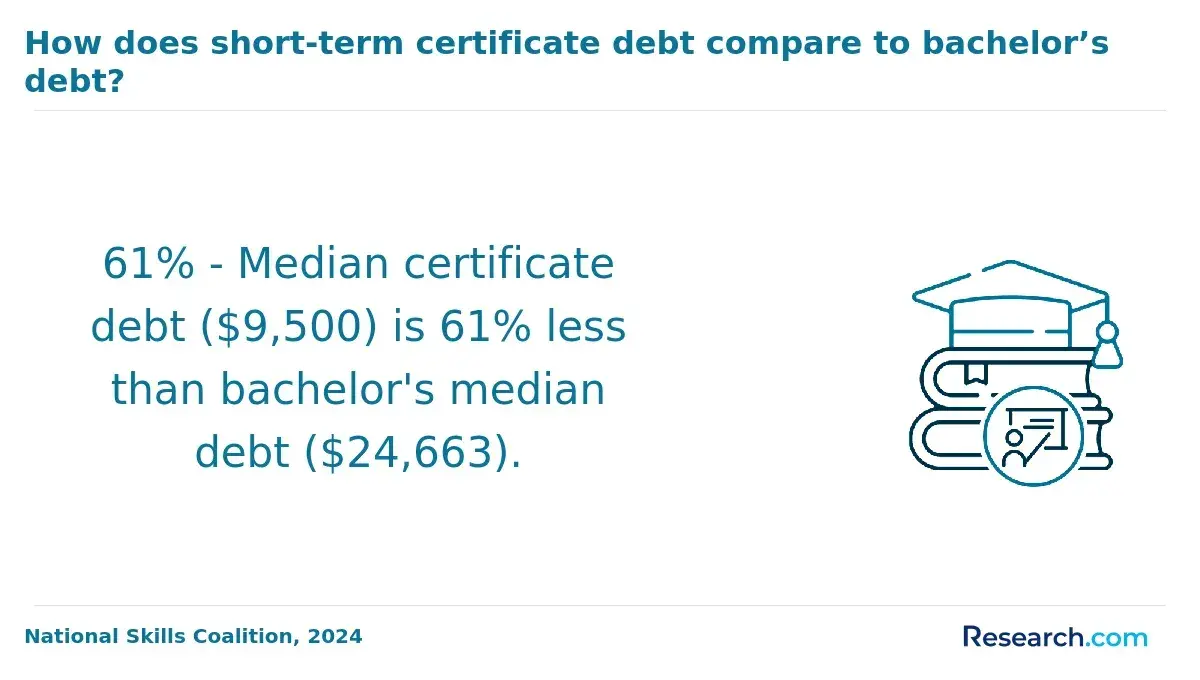
Cost remains a critical factor in program selection. Total tuition for online bachelor's kinesiology degrees varies dramatically-from $22,200 for in-state students to $87,320.40 for out-of-state students within the same institution. This disparity significantly impacts ROI and decision-making, especially for career changers evaluating affordability versus market credential recognition in kinesiology programs for sports coaching and athletic training.
Employers prioritize credentials accredited by recognized exercise physiology or athletic training bodies and value hands-on learning embedded within the program. Degree tracks combining foundational sciences with coaching certifications reduce reliance on external credentials, which often incur additional cost and time.
The choice between youth sports and elite athletics pathways requires alignment to specialized certifications and practical experience relevant to specific sport science applications.
Those exploring online kinesiology degrees for sports performance careers should weigh program content against workforce expectations and turnover in allied sports sectors. Affordable, accredited options that mirror on-campus curricula and offer local internships enhance career readiness without sacrificing educational quality. For professionals comparing healthcare fields, more information on master's in healthcare administration may also inform strategic educational pivots.
How can you verify accreditation and program quality for online kinesiology schools?
Accreditation status directly shapes both the credibility and career utility of an online kinesiology program. Confirming that a program is listed in the U.S. Department of Education's Database of Accredited Postsecondary Institutions and Programs (DAPIP) or the Council for Higher Education Accreditation (CHEA) directory is essential.
Regional accreditation from bodies like the Higher Learning Commission or Southern Association of Colleges and Schools impacts credit transferability and acceptance by employers and graduate schools.
Evaluating program quality for kinesiology degrees online requires a close look at outcomes data, including graduation rates and job placement. For example, Forbes Advisor's 2024 rankings show public institutions charging close to $129 per credit hour for in-state online kinesiology-generally more cost-effective without sacrificing recognized standards compared to pricier private programs.
These distinctions matter when employer recognition and licensure eligibility hinge on program rigor and reputation.
Curriculum relevance needs assessment against the requirements of sports performance roles; access to internships or lab simulations is critical for practical readiness. Faculty expertise and research activity also influence how well the program prepares students to meet evolving industry demands. Contacting relevant state licensing boards or professional organizations verifies if program completion satisfies licensure prerequisites, avoiding costly credentialing setbacks.
Prospective students should also explore pathways that balance time and investment, such as accelerated direct-entry MSN programs online, to understand how program length and format affect labor market entry. This kind of due diligence helps those seeking to verify online kinesiology program accreditation and ensure alignment between educational choices and practical workforce outcomes.
What courses and specializations are included in a sports performance-focused kinesiology curriculum?
Professionals aiming to impact athletic performance must weigh the balance between theoretical knowledge and hands-on application when pursuing a sports performance-focused kinesiology degree. Such programs emphasize applied physiology, biomechanics, and advanced conditioning, but real-world efficacy hinges on access to robust practical experiences alongside coursework like exercise physiology, sports nutrition, strength and conditioning, motor control, and injury prevention.
Specializations targeting performance analysis and biomechanical assessment offer skills directly applicable to optimizing athletes in impact-heavy sports like football or endurance disciplines such as cycling. However, students must consider whether their program includes sufficient lab access and fieldwork, as some online formats limit practical exposure, potentially hindering immediate employability in sports medicine or coaching roles.
Employers increasingly rely on measurable metrics and risk modeling, which necessitates competence in research methods and data analytics embedded in these curricula. This analytical capacity supports decision-making in collegiate and professional sports environments.
Cost represents a significant factor, with tuition commonly ranging from $15,000 to $30,000 and per-credit fees between $350 and $700. Prospective candidates should assess these prices against expected outcomes and market demand for skills in performance optimization and injury prevention within athletic training and related fields.
- Core coursework develops capacity to craft data-driven training and rehabilitation plans tailored to diverse athletic populations.
- Specialized labs and internships serve to bridge academic concepts with field realities.
- The integration of performance metrics literacy aligns with employer expectations in evidence-based practice.
What are typical admission requirements for online kinesiology degrees in sports performance?
Admission to online kinesiology programs in sports performance hinges on more than minimum academic thresholds; it requires an evaluation of readiness for scientifically rigorous coursework and practical contexts. A baseline high school diploma or GED with a GPA near 2.5 to 3.0 is common, but this alone rarely suffices for competitive programs. Applicants must provide transcripts evidencing foundational courses in biology, chemistry, and math, reflecting a necessary technical knowledge base.
Beyond academics, programs increasingly demand verifiable experience in sports, fitness, or health sectors-such as internships or certifications-that link theory to applied environments. Letters of recommendation function as quality control for candidate commitment and aptitude. The optional status of SAT/ACT scores points to a shift toward more holistic assessments, including personal essays clarifying alignment with kinesiology career trajectories.
Practical cost considerations, especially residency-based tuition disparities, materially influence admission and enrollment decisions. In-state students may pay as little as $185 per credit, versus $727.67 for out-of-state, profoundly affecting total debt burdens.
Finally, technology skills and, for international applicants, language proficiency tests (TOEFL, IELTS) are non-negotiable prerequisites. These requirements ensure candidates can engage effectively with online learning demands, which mirror workforce realities where digital competency and communication are essential.
How long do online kinesiology programs take and what do they cost to complete?
Online kinesiology degrees require careful balancing of time, cost, and outcomes, as program length and expenses vary widely. Bachelor's programs typically span four years but can shorten to 2.5-3 years with transfer credits or accelerated formats. Graduate degrees essential for careers like physical therapy usually take 2 to 3 years beyond the bachelor's degree, depending on whether students enroll full- or part-time.
Tuition ranges from approximately $20,000 to $50,000 for bachelor's programs and $15,000 to $40,000 for master's programs, with additional costs from certification exams and clinical placements often underestimated. Choosing a program with a shorter duration but similar tuition can restrict hands-on clinical experience, reducing competitiveness in job markets that prioritize practical skills.
Employment outcomes for kinesiology graduates are shaped by workforce realities. The American Kinesiology Association notes a 15% job growth in physical therapy through 2034, with median wages exceeding $99,000 annually. This underscores a tradeoff: longer programs provide more practical exposure aligning with employer expectations, while shorter, less intensive programs may delay income generation but could expedite entry into the workforce.
What careers can you pursue with an online kinesiology degree in sports performance?
Graduates with an online kinesiology degree in sports performance must navigate significant practical demands beyond academic theory to secure relevant roles such as strength and conditioning coaches or exercise physiologists.
Employers routinely expect certification credentials like the Certified Strength and Conditioning Specialist (CSCS) to demonstrate verified expertise-a factor tied to a 7-10% salary increase versus uncertified counterparts (NSCA salary survey, 2024). This credentialing represents a clear financial and employability advantage.
Fieldwork or practicum elements within programs are critical for developing the hands-on experience needed to move beyond assistant-level positions. Without such applied training, employment options may be limited, and certain pathways, notably in athletic training, demand further state licensure, extending time and cost investments.
For example, strength coaches in professional sports use data-driven, individualized training plans requiring ongoing adaptation to evolving methodologies, while exercise physiologists in rehab centers rely heavily on clinical protocols aligned with medical standards.
Hiring decisions emphasize a combination of degree, certifications, and proven field experience because these collectively predict performance and career progression. Prospective students should weigh the tradeoffs between purely academic credentials and integration of applied practice when planning their educational route in this evolving sector.
How much can you earn with a kinesiology degree in sports performance and what is the job outlook?
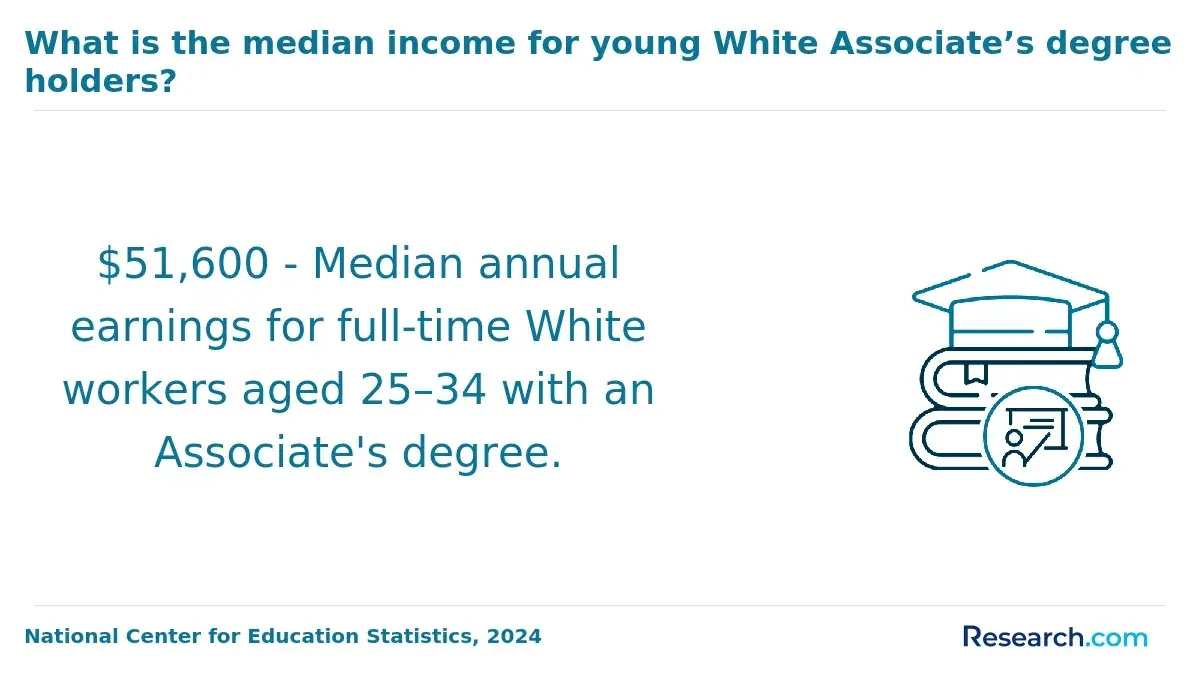
Salary potential for kinesiology graduates varies widely based on specialization and geographic location, with entry to mid-level roles in sports performance typically earning between $50,000 and $85,000 annually. Positions tied to elite sports organizations or applied research can exceed $90,000. This disparity reflects the increasing premium on integrating technological literacy-proficiency in biomechanics software, sensor technologies, and data analytics-into kinesiology practice.
Employment growth for related fields such as exercise physiologists is projected at 13% from 2022 to 2032, outpacing average occupational growth due to rising demand in rehabilitation, injury prevention, and performance optimization. However, graduates without skills in sports analytics platforms face limited upward mobility as teams adopt data-driven approaches.
For example, a kinesiology specialist with a professional sports franchise must blend biometric data analysis with physiological insights to tailor training and mitigate injury risk in real time. Community fitness roles often lack this technological integration and correspondingly offer lower earnings and slower growth.
To remain competitive, job seekers should pursue industry-recognized certifications in sports technology and target internships embedded in data-intensive athletic environments. Metropolitan areas hosting major sports teams provide higher salaries but simultaneously require advanced technical and collaborative skills, emphasizing a strategic tradeoff between location and professional development.
Do you need certifications or licenses for sports performance careers and how do degrees help?
Holding a kinesiology degree without relevant certifications limits access to many roles in sports performance, especially where licensure governs practice, such as athletic training or physical therapy. Employers in collegiate athletics or healthcare expect verified credentials reflecting both academic knowledge and practical skills, creating a higher entry barrier than degree possession alone.
For instance, the National Strength and Conditioning Association (NSCA) certification often serves as a baseline for strength coaching positions, integrating clinical hours and supervised experience that a standard degree may not provide.
Conversely, fitness coaching or wellness consulting positions may prioritize degree-level knowledge over licensure but still require demonstrable expertise to establish credibility. Graduates aiming for regulated professions must carefully select online kinesiology programs aligned with licensure prerequisites, including practicum components and exam preparation modules.
Relevant employment outcomes confirm these distinctions. According to a 2025 report from the American Kinesiology Association, over 80% of kinesiology graduates secure jobs or pursue further credentials within a year, with starting salaries exceeding $50,000-figures tied closely to credential attainment rather than degree alone.
Strategic program choices mitigate workforce friction by addressing certification requirements upfront, improving job prospects and professional mobility. Without certifications, kinesiology graduates often face constrained career options despite academic qualifications.
Other Things You Should Know About Kinesiology
Employers in sports performance weigh the quality of an applicant's education heavily but do not universally treat online kinesiology degrees as inferior. The key deciding factors are program accreditation, hands-on practicum opportunities, and evidence of applied skills rather than delivery mode alone. Programs that integrate supervised internships or labs online with local partnerships mitigate employer concerns and improve job prospects.
Online kinesiology degrees require significant time management and self-discipline, especially because many courses include practical components that cannot be fully completed remotely. Students should expect intensive lab simulations, fieldwork, or in-person clinical hours arranged independently. Choosing a program with flexible scheduling but clear practicum support is crucial to balance study with work or athletic commitments.
When choosing between a specialized sports performance program and a broader kinesiology curriculum, consider your career goals. A specialized program may offer targeted skills for specific roles, while a broader curriculum provides foundational knowledge applicable across diverse kinesiology careers. Evaluate both based on your long-term objectives.
An online kinesiology degree alone often does not qualify graduates for advanced roles in sports performance without supplementary certifications such as strength and conditioning accreditation or exercise physiology licenses. Employers expect candidates to demonstrate both academic knowledge and validated practical skills through certifying bodies. Planning your education to include these credentials alongside your degree greatly enhances promotion and salary growth opportunities.
References
- Online Kinesiology Degree Programs: Review Top Schools https://www.edumed.org/online-schools/kinesiology-degrees/
- Kinesiology vs. Exercise Science vs. Sport Performance https://www.pointloma.edu/resources/health-sciences/kinesiology-vs-exercise-science-vs-sport-performance
- Emerging Careers In Sports: Job Options, Salaries, & Resources https://www.learnhowtobecome.org/career-resource-center/careers-in-sports/
- Is Your Online Degree Legitimate? How to Verify Private University Approval https://matchtocollege.com/blog/verify-private-university-online-degree-approval
- How Long to Get a Kinesiology Degree? | ValidGrad https://validgrad.com/blog/kinesiology-degree-duration/
- Kinesiologydegrees - Admission https://kinesiologydegrees.org/admission
- What Can You Do with a Kinesiology Degree? https://www.nec.edu/news/what-can-you-do-with-kinesiology-degree
- Sport Performance https://www.ualberta.ca/en/undergraduate-programs/bachelor-of-kinesiology-sport-performance.html
- 2026 Best Online Kinesiology Degrees https://www.onlineu.com/degrees/kinesiology
- What studies should I do to work in sports? - INSEEC https://www.inseec.com/en/guides/orientation-guide/what-studies-should-i-do-to-work-in-sports/