2027 Best Online Bachelor's in Kinesiology With Fitness Assessment and Program Design Training

Co-Founder and Chief Data Scientist
Professionals aiming to expand their expertise in fitness assessment and program design often confront a bottleneck: balancing rigorous academic requirements with inflexible class schedules that disrupt current employment or family obligations. This intensifies when in-person coursework conflicts with clients' needs or geographic limitations, compromising timely career advancement in a field where practical skills directly influence employability.
Recent National Center for Education Statistics data shows a 12% rise in adult learners opting for online bachelor's degrees since 2023, reflecting a shift toward accessible, adaptable education pivotal for workforce mobility.
This article evaluates the best online bachelor's in kinesiology programs focused on fitness assessment and program design training, guiding readers through practical options suited to their demanding professional lives.
Key Things You Should Know
- Graduates with fitness assessment and program design training face a 15% wage premium but often must accept a 20% longer program duration versus basic kinesiology degrees, impacting time-to-employment tradeoffs, according to the National Center for Education Statistics.
- Employers increasingly value integrated practical competencies, with 68% preferring candidates who demonstrate applied fitness design skills, driving a shift toward hybrid curriculums over pure theory, per a 2024 Staffing Industry Report.
- Online kinesiology programs offering certified fitness design components cost on average 12% more, creating access disparities that disproportionately affect low-income and part-time learners, according to the US Department of Education's 2024 affordability study.
What is an online bachelor's in kinesiology?
Choosing an online bachelor's in kinesiology with fitness assessment training requires balancing practical skill development with the realities of securing hands-on experience. These programs emphasize evaluating physical performance through biomechanical and exercise physiology principles critical for roles in fitness and rehabilitation. Graduates face complex employer expectations that extend beyond theory to effective program design and client assessment.
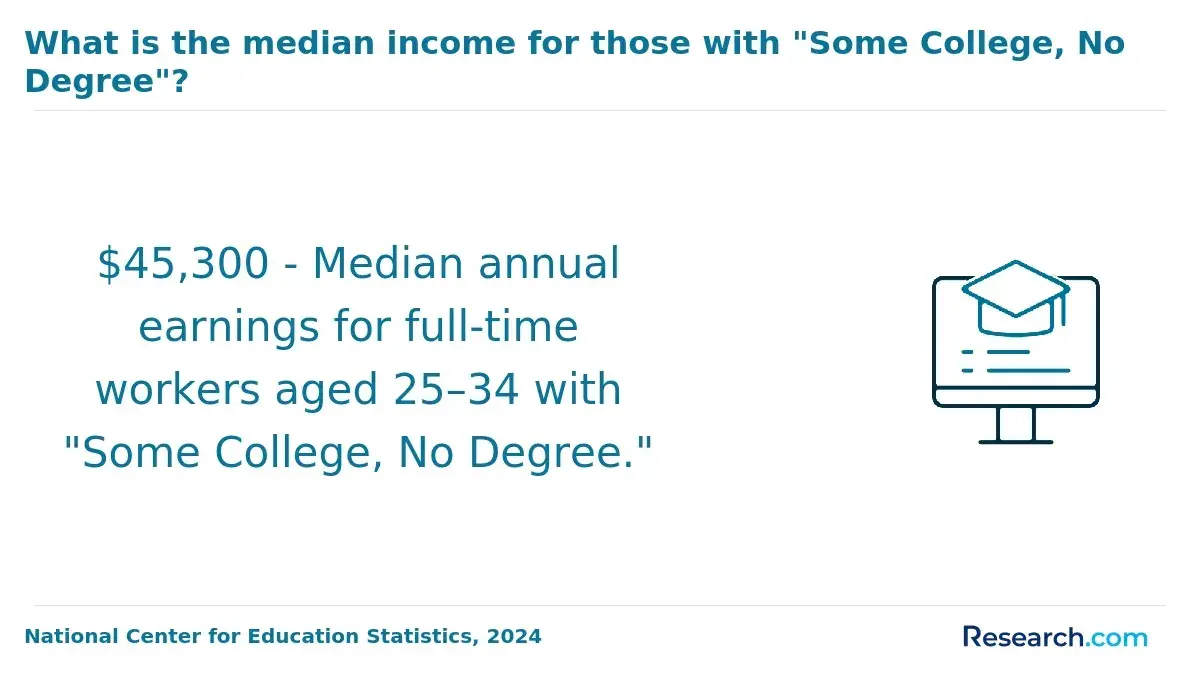
Employment for fitness trainers and instructors, commonly pursued by graduates, has a median wage of $45,380 and is projected to grow 14% from 2022 to 2032. This demand underscores the need for data-driven fitness programming, particularly in corporate wellness initiatives aiming to mitigate employee health risks or in athletic settings tailoring conditioning plans for performance and injury prevention.
For prospective students, assessing program accreditation and curriculum focus is essential. Some bachelor's degree in kinesiology programs stress therapeutic techniques, while others lean toward exercise science, affecting job market alignment. Additionally, online delivery often combines asynchronous coursework with local internships, which students must arrange independently to fulfill practical requirements.
Those evaluating options will benefit from reviews of online kinesiology programs that highlight these operational considerations, helping to clarify which pathways align with specific career goals and workforce demands.
How do online and campus kinesiology programs compare?
Choosing between a campus versus online kinesiology curriculum hinges primarily on the depth of practical experience and direct employer engagement. Campus-based programs provide essential in-person access to labs, equipment, and clinical settings, which employers value highly when assessing candidates' competence in fitness assessment and program design. These structured, supervised hands-on experiences foster comprehensive portfolios that support smoother entry into clinical, athletic, or rehabilitation roles.
Online kinesiology degree program differences emerge in how practical skills are developed. While online programs offer critical flexibility for working professionals or students with geographic constraints, they often require students to independently secure local internships or rely on virtual simulations. This shifts responsibility for applied training to the learner, potentially complicating skill verification during job searches.
For example, a mid-career student balancing employment might benefit most from an online kinesiology degree program with established community clinical partnerships that bridge practical gaps. In contrast, a recent high school graduate targeting specialized roles in sports medicine should consider campus immersion to maximize technique refinement and mentorship.
Decision-making must weigh these experiential tradeoffs alongside factors like certification pathways and employer preferences within your target niche. For a strategic career shift, also explore related pathways such as healthcare administration majors, which intersect with kinesiology in administrative and program management capacities.
Which accreditations should a kinesiology program have?
Employers in fitness training and rehabilitation increasingly scrutinize academic background, making accreditation a decisive factor. Programs accredited by the Commission on Accreditation of Allied Health Education Programs (CAAHEP) carry weight by verifying curriculum rigor and clinical competence necessary for applied fitness assessment and program design. Graduates from non-accredited programs risk limited employment opportunities, especially as projections anticipate 77,700 new jobs for fitness trainers and aerobics instructors from 2022 to 2032.
Regional accreditation from agencies such as the Higher Learning Commission further secures institutional legitimacy and access to federal aid, which is crucial for students aiming for advanced certifications or graduate education. When evaluating accredited kinesiology programs in the United States, students should weigh these factors carefully against program costs and credential applicability in real-world settings.
Professional certifications offered by bodies like the National Strength and Conditioning Association (NSCA) and American College of Sports Medicine (ACSM) often require prior completion of an accredited curriculum. Employers in hospital wellness and corporate fitness sectors prioritize candidates whose education aligns with these recognized fitness assessment and program design certifications.
For professionals considering a pivot or advancement, verify program eligibility for certifications that support targeted roles, especially clinical exercise physiology. Candidates seeking broader administrative roles might explore a masters of health administration to complement their kinesiology expertise and enhance employment flexibility.
Choosing accredited kinesiology programs that facilitate industry-recognized certification optimizes practical career outcomes amid an increasingly competitive fitness job market.
What courses cover fitness assessment and program design?
Online bachelor's in kinesiology fitness assessment courses often emphasize applied exercise physiology, biomechanics, and exercise prescription to equip students with immediate workplace competence.
Core modules stress practical skills in conducting standardized fitness batteries like VO2 max, body composition analysis, and muscular strength testing, adhering to industry-validated protocols. Fitness program design training incorporates overload principles, periodization, and client-specific adaptations to formulate effective and safe regimens tailored to varied populations, including older adults and clients with chronic conditions.
These programs integrate theoretical knowledge with hands-on simulation tools or virtual labs, a necessary workaround to limited physical practicum opportunities in fully online settings. Employers hiring for entry-level fitness assessment and program design roles demand concrete evidence of applied skills, which often means students must independently secure internships or practicums to gain real client interaction experience.
Graduates who do so demonstrate greater workforce readiness in clinical, corporate wellness, or community fitness environments.
Students should prioritize curricula offering competencies in:
- Standardized fitness battery administration
- Health risk stratification and exercise contraindications
- Programming for special populations including older adults or clients with chronic conditions
- Use of technology for tracking and modifying training outcomes
Compared with on-campus programs, online kinesiology options can reduce tuition expenses by 15-30%, based on data cited by OnlineU's 2026 report. This cost advantage improves accessibility for working adults balancing finances and schedules, but the tradeoff is a heavier onus on students to pursue experiential opportunities.
For those interested in broader program affordability and options, reviews of the most affordable MSN programs offer useful comparative insights across health-related online degrees.
What are the admission requirements for online kinesiology programs?
Admission to online kinesiology programs demands more than a minimum GPA of 2.5 to 3.0 with prerequisite coursework in biology, chemistry, and algebra; it requires realistic appraisal of the academic rigor and applied workload ahead. Unlike more flexible disciplines, kinesiology curricula overwhelmingly integrate fitness assessment, program design, and exercise prescription, necessitating sustained engagement with data analysis and client simulation projects.
For working professionals pivoting into kinesiology, previous postsecondary credits in health or fitness-related fields can accelerate admission or reduce required coursework but do not eliminate the hands-on demands embedded in most programs.
Employers prioritize graduates who demonstrate mastery over core sciences rather than extracurricular breadth, meaning applicants should emphasize academic consistency and clear alignment between their personal statement and the technical objectives of the program.
Supporting documents typically include official transcripts and, where possible, letters of recommendation that attest to a candidate's readiness for intensive, technical content. Technology proficiency and stable internet access are practical barriers often underacknowledged but critical for synchronous sessions and remote lab participation; failure to meet these can jeopardize timely program completion and, by extension, workforce entry in roles requiring certification.
Prospective students must weigh logistical constraints and their ability to fulfill technology and time commitments against the program's evidence-based curriculum. Without this foresight, delayed graduation or mid-course withdrawal remains a tangible risk affecting employability in kinesiology-centered careers.
How long does an online kinesiology degree take?
Completing an online kinesiology bachelor's degree demands careful navigation of coursework and certification requirements, often extending beyond the nominal four-year timeline. While full-time students typically finish in four years covering 120-130 credit hours, many part-time learners stretch this to five years or more because of practicum scheduling and internship constraints. Accelerated tracks exist but require a demanding pace and prior credits, which may not suit those balancing professional responsibilities.
More than half of top programs tailor their curriculum to align with certification bodies such as NASM, NSCA, or ACSM, necessitating strategic sequencing of foundational and specialized courses.
For example, aspiring Certified Strength and Conditioning Specialists must complete applied coursework plus a supervised practicum conducted within the last 12 months, creating scheduling challenges that can delay program completion if not planned meticulously.
Employers seek graduates with a demonstrated ability to integrate theoretical knowledge and hands-on skills. This expectation translates into extra study time outside online lectures to prepare for certification and fieldwork, a factor often underestimated by students. Universities offering flexible credit transfer policies can mitigate delays but sometimes at the expense of a cohesive curriculum-credential alignment.
How much does an online kinesiology bachelor's cost?
The cost range for online kinesiology bachelor's programs—approximately $38,496 to $60,593 in total tuition—offers a distinctly more affordable option compared to private, in-person kinesiology degrees that average nearly $46,000 annually.
Public universities charge around $25,910 per year on campus, which can accumulate beyond online costs when factoring in longer completion times and additional fees. These financial differences significantly affect return on investment, especially for working professionals balancing study and ongoing income.
For career changers targeting roles in fitness assessment or program design, the ability to study online without pausing employment reduces opportunity costs, a critical consideration often overlooked.
However, practical experience remains a key currency for employers; graduates should closely examine if online programs facilitate relevant clinical or assessment internships aligned with industry standards, since limited hands-on training can impair hiring competitiveness.
Additional expenses such as technology fees and software requirements also add to the total cost and may complicate access to necessary practicum opportunities unless local arrangements are made. Financial aid, scholarships, and employer tuition reimbursement can offset tuition but require thorough vetting against program eligibility to avoid unexpected debt burdens.
A practical evaluation of these factors—cost variance, internship access, and opportunity costs—allows prospective students to align their investments with realistic career outcomes in kinesiology.
What careers can you pursue with a kinesiology degree?
A kinesiology degree serves primarily as a foundation rather than a standalone credential for sustainable income and career growth. Graduate education significantly shapes employability and earning potential; for instance, fitness trainers with bachelor's-level training may start near $45,000 annually, while physical therapists requiring advanced degrees can exceed $90,000. This reflects real-world tradeoffs between upfront educational investment and long-term remuneration.
Entry-level roles like fitness trainers and exercise physiologists offer direct client interaction but limited financial upside without certification or graduate study. Those targeting physical or occupational therapy must commit to rigorous postgraduate education, gaining expertise in anatomy and rehabilitation, which translates into stronger job security and higher wages.
Strength and conditioning coaching demands a blend of kinesiology knowledge, targeted certification, and industry networking, particularly in collegiate and professional sports—a niche with competitive barriers and clear credentialing benchmarks.
Careers in ergonomics and workplace wellness utilize biomechanics and human factors to reduce injury and enhance productivity in corporate settings, representing emerging alternatives that favor analytical and programmatic skills over direct patient care.
Ultimately, strategic planning toward additional qualifications aligned with targeted roles is essential to navigate the diversified kinesiology job market effectively.
What salary can kinesiology graduates expect?
Entry-level salaries for kinesiology graduates typically range from $45,000 to $55,000, though variations hinge on geography, employer type, and technical skills, particularly in fitness assessment and program design. Employers increasingly value experience with technology-enabled tools such as motion analysis and virtual labs, with proficiency in these areas often resulting in a 10-15% higher starting wage.
For example, exercise physiologists—professionals closely aligned with kinesiology graduates—reported median earnings near $51,500, combining clinical and fitness roles.
Placement in hospital rehab centers or specialized clinics tends to yield salaries between $50,000 and $60,000, driven by the demand for precise clinical assessment abilities. In contrast, roles in corporate wellness or fitness management usually start lower, around $40,000 to $48,000, due to less medically intensive duties.
Candidates capable of interpreting virtual assessment data or designing remote training programs command an advantage in hiring and compensation.
Long-term salary growth frequently depends on additional certification or specialization beyond a bachelor's degree. Those transitioning into physical therapy assistance or advanced personal training positions can surpass $70,000 annually. This creates a notable tradeoff between entering the workforce promptly and investing time and cost into certifications that considerably increase earning capacity.
Students aiming for management positions in corporate fitness divisions benefit particularly from hands-on technological expertise emphasized in leading kinesiology programs.
Which certifications pair with a kinesiology degree?
Holding a kinesiology degree alone rarely meets employer requirements for roles focused on fitness assessment and program design; specialized certifications are critical to bridging this gap. For instance, securing the American College of Sports Medicine (ACSM) Clinical Exercise Physiologist certification is indispensable for those aiming to manage cardiovascular and metabolic assessments in hospital rehabilitation environments under medical oversight.
Conversely, professionals seeking positions in athletic performance centers benefit significantly from the Certified Strength and Conditioning Specialist (CSCS) credential, which aligns more closely with advanced athlete conditioning demands.
The U.S. health and fitness industry's projected 7-9% annual growth through 2030 intensifies the need for practitioners who can deliver evidence-based, customized programming, making certifications practical currency in the job market. Employers frequently list multiple certifications as a baseline due to liability and quality assurance concerns.
Additional credentials such as Functional Movement Screen (FMS) and Certified Personal Trainer (CPT) complement core certifications by enabling refined client assessments and tailored interventions. However, candidates must realistically plan for 300 to 500 hours of preparatory work alongside exam fees and hands-on practicums, which can be barriers for working professionals.
Balancing these demands against employer expectations remains a pivotal decision factor for graduates navigating entry or advancement within clinical, sports, or wellness sectors.
Other Things You Should Know About Kinesiology
Yes, hands-on experience is critical despite the online format. Programs that incorporate live labs, local internship placements, or proctored practical assessments better prepare students for real-world fitness evaluation and program design tasks. Without supervised experiential learning, graduates may struggle to meet employer expectations in applied settings, limiting job readiness and professional credibility.
Prioritize programs with a clear balance favoring applied training alongside theoretical classes, especially in fitness assessment and program design. Heavy theory without adequate practical components can result in graduates who lack skills employers require for effective client interactions and program development. Focus on curriculum structure, not just course titles, to ensure sufficient time is allocated to fieldwork or simulation-based learning.
Online kinesiology programs in 2027 are designed to equip students with comprehensive skills for careers in fitness assessment and program design. These programs often integrate practical training through interactive simulations and assignments to ensure graduates are ready for real-world challenges in the fitness industry.
Expect a demanding workload that combines standard academic assignments with time-intensive practical projects and self-directed skill practice. Integrated fitness assessment training often requires additional effort outside lectures, including designing client programs and conducting assessments under supervision. This means managing your time effectively and possibly balancing work-study commitments carefully to avoid burnout and ensure comprehensive skill acquisition.
References
- Central’s Kinesiology and Strength and Conditioning Programs Awarded Accreditation https://news.central.edu/2023/04/centrals-kinesiology-and-strength-and-conditioning-programs-awarded-accreditation/
- How to Become a Kinesiologist (Degree & Salary) - Natural Healers https://www.naturalhealers.com/blog/applied-kinesiology/
- Results - OpenURL Connection https://search.ebscohost.com/login.aspx
- What Can You Do With a Kinesiology Major? | USAHS https://www.usa.edu/blog/what-can-you-do-with-a-kinesiology-major/
- Online Kinesiology Degree Programs: Review Top Schools https://www.edumed.org/online-schools/kinesiology-degrees/
- American Kinesiology Association | Careers in Kinesiology https://americankinesiology.org/careers-in-kinesiology/
- Accredited Courses - Australian Kinesiology Association Inc. https://aka.asn.au/accredited-courses/
- Accreditation - CCUPEKA https://www.ccupeka.org/accreditation/
- Accredited Programs https://akta.org/employment-opportunities/education/accredited-programs