2027 Best Online Bachelor's in Kinesiology for Sports Performance Career Paths

Co-Founder and Chief Data Scientist
Securing a bachelor's degree in Kinesiology tailored for sports performance can define the trajectory of professionals aiming to optimize athletic outcomes or enter specialized rehabilitation roles. Yet inflexible schedules and geographically constrained programs often impede working adults and career switchers from timely completion. The National Center for Education Statistics reports that over 40% of undergraduate enrollments are now in fully online programs, signaling a systemic shift toward flexible learning essential for nontraditional students balancing employment and education.
This move broadens access but demands scrutiny of program quality and alignment with evolving employer expectations in sports science fields. This article evaluates the best online bachelor's in kinesiology options designed to help prospective students pinpoint programs that balance academic rigor, scheduling adaptability, and relevant career preparation for high-impact sports performance roles.
Key Things You Should Know
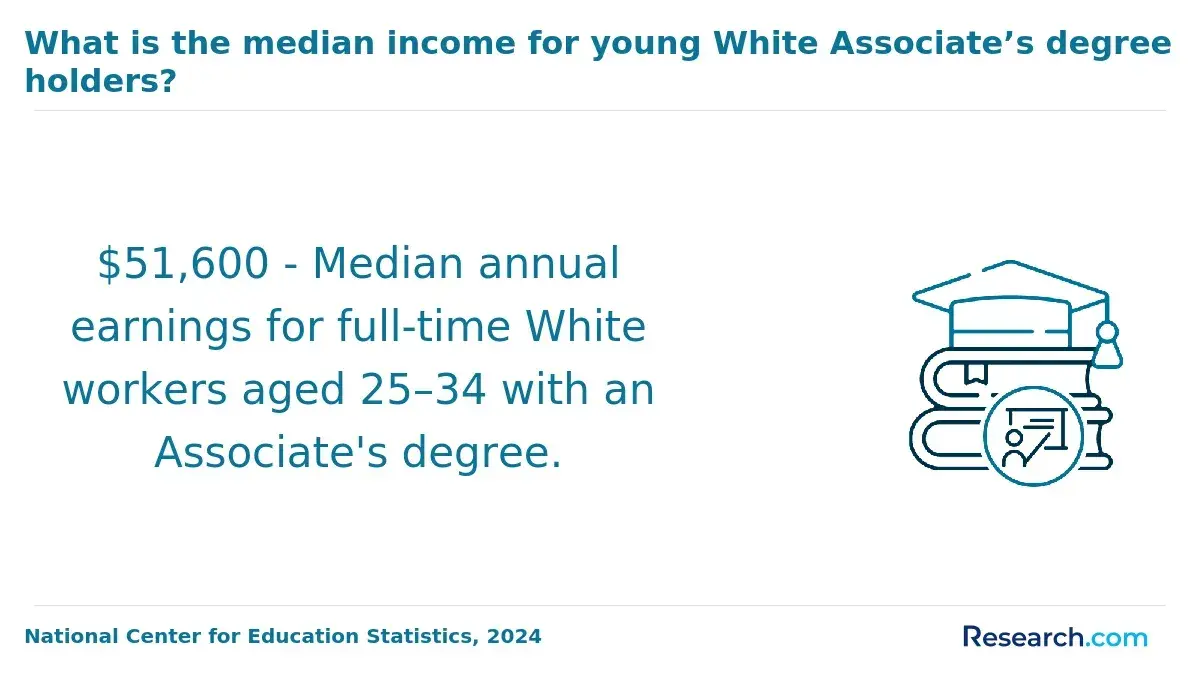
- Graduates face wage premiums up to 18% over non-degree holders, but limited hands-on biomechanics labs online hinder readiness for elite sports therapy roles, signaling a tradeoff between accessibility and skill acquisition per NSF workforce surveys.
- Employers in the top 10 sports performance markets prioritize candidates with internship-aligned programs, aligning with BLS data showing 15% faster employment growth in populations completing experiential learning in 2024.
- Average tuition inflation outpaces wage growth by 4%, making extended online bachelor's completion durations costly in opportunity loss; strategic acceleration or employer tuition reimbursement markedly improves ROI.
What is an online bachelor's in kinesiology for sports performance, and who is it best for?
Choosing an online bachelor's degree in kinesiology for sports performance requires careful consideration of how well the program balances theoretical knowledge with the hands-on experience employers demand. For working professionals, such a degree offers flexibility to pursue athletic training or sports coaching roles without pausing employment, but reliance on remote learning means students must proactively seek internships or certifications to complement academic credentials.
For instance, a personal trainer looking to transition into strength and conditioning coaching at the collegiate level will find the coursework applicable but must ensure access to practical training environments. The curriculum typically integrates anatomy, biomechanics, and exercise physiology with applied athlete assessment and injury prevention.
However, the absence of in-person labs can pose challenges, especially for those without local sports facilities or mentorship opportunities. Graduates aiming for clinical roles like physical therapy assistants need to verify if the online program meets prerequisites for graduate study, as many lack the clinical credit essential for licensure.
Individuals targeting roles in corporate wellness or sports analytics benefit from online kinesiology programs focused on data analysis and health promotion, which align with growing industry demand. The global sports coaching and training market, projected to grow significantly through 2030, favors candidates who combine academic study with practical experience.
Professionals weighing their options should also consider hybrid or part-time models that may provide better access to labs and internships. For those comparing a range of options, resources like online ASN listings can offer insight into flexible degree pathways and related healthcare fields.
How do online kinesiology programs for sports performance work compared with on-campus options?
Online kinesiology programs versus traditional campus courses for sports performance introduce significant practical tradeoffs that directly impact skill acquisition and employability. While theoretical subjects such as exercise physiology, biomechanics, and nutrition adapt well to remote delivery, the essential hands-on clinical practica require careful integration of hybrid elements like local internships.
Unlike on-campus settings with immediate lab and trainer access, online students must proactively secure and coordinate supervised clinical hours, often balancing these with work and personal commitments. This dynamic places a greater onus on students to independently obtain meaningful feedback and refine practical techniques without daily in-person mentorship, which can slow skill mastery compared to peers in traditional programs.
However, individuals already employed in healthcare or sports environments can leverage their workplaces as training sites, enhancing experiential learning during study. Such flexibility is a core aspect when weighing the overall merit and learning outcomes in online kinesiology degrees for athletic career paths. Employers seek candidates with demonstrable clinical experience and practical competencies regardless of educational format.
The U.S. Bureau of Labor Statistics forecasts a 9% growth in exercise physiologist employment through 2032, underscoring sustained demand for proficient practitioners. Prospective students must critically assess whether online options provide adequate placement support and quality supervision, especially since insufficient experiential training can diminish workforce readiness. Decision-making should factor in logistical challenges, such as travel for internships and the quality of local clinical mentors.
Online study favors self-directed individuals who can secure strong placements and integrate professional work experience; those needing structured guidance and seamless access to lab resources may find traditional campus routes less fragmented and more aligned with employer expectations. For additional insights into related fields, consider exploring the healthcare administration bachelor's degree pathways.
What accreditation and program quality standards should online kinesiology students look for?
Employers in sports performance fields require more than just an online degree; they expect demonstrable applied skills through supervised internships or practicums. Without structured practical training, graduates face obstacles securing roles such as strength and conditioning coaches or athletic trainers, where clinical hours are standard hiring criteria.
Accredited online kinesiology programs for sports performance must be evaluated on this critical quality standard, as program curricula combining biomechanics, exercise physiology, motor learning, and applied sports science are insufficient without robust hands-on or virtual lab components. Beyond accreditation by recognized bodies like the Higher Learning Commission, outcomes data provide essential insight.
For example, according to 2026 rankings, top online exercise science graduates earn median starting salaries near $50,700 against annual online tuition costs as low as $9,480, delivering a salary-to-tuition ratio exceeding 5:1. Prospective students should demand transparent graduate employment rates and employer affiliations to verify career return on investment.
Logistical factors, such as flexible scheduling and credible lab simulation technology, accommodate working professionals and remote learners. However, limitations in practical training or licensure support reduce the degree value in certified sports medicine or performance roles. Ensuring alignment with workforce demands, including links to national certifying agencies like the National Strength and Conditioning Association.
For those weighing specialized healthcare management alongside kinesiology, research shows pathways like an MBA in healthcare management can complement and expand professional trajectories.
What core courses and concentrations are common in online kinesiology sports performance programs?
Core competency in online kinesiology sports performance programs hinges on rigorous science-based courses, including anatomy, physiology, biomechanics, exercise physiology, and motor learning. These foundational courses equip students with essential analytical tools to assess human movement and optimize training protocols. The variability in common concentrations in kinesiology sports performance programs often maps directly to employment opportunities.
For instance, strength and conditioning tracks focus on resistance training, program design, and athlete performance analytics, skills highly sought after by collegiate teams and professional sports organizations. Sports nutrition provides knowledge on macronutrient metabolism and hydration strategies, tailoring recovery and performance plans. Meanwhile, injury prevention and rehabilitation courses emphasize therapeutic exercise and injury assessment.
Employers increasingly demand applied skills in performance testing and athlete monitoring technologies. A strength coach for a professional soccer team must interpret biomechanical data and manage recovery science to mitigate injury risk effectively. Programs incorporating practical case studies, internships, or virtual labs typically improve job readiness and real-world applicability.
Graduates should evaluate if online offerings meet certification prerequisites required for advancing in sports performance careers. Given the Bureau of Labor Statistics' forecast of 14% growth in fitness trainers and instructors through 2032, selecting programs aligned with sector demands is strategic. Prospective students also benefit from examining affordable options, such as the cheapest online RN to BSN programs, as a reference point for balancing cost with educational value.
What are the typical admission requirements for an online bachelor's in kinesiology?
Admission into an online bachelor's degree program in kinesiology often requires more than minimal academic benchmarks. Many competitive programs demand a GPA closer to 3.0 and reliable completion of college preparatory courses in biology, chemistry, and math. Employers in sports performance and rehabilitation often expect graduates to have completed clinical practicums, meaning applicants must confirm their ability to gain local access to facilities despite the online format.
This practical requirement can limit fully remote study options and affect working professionals balancing education with existing commitments. Application components typically include a personal statement capturing career objectives and motivation, along with letters of recommendation that attest to the candidate's readiness for rigorous study.
For students with prior relevant experience, some institutions offer credit through portfolio assessments or work documentation, though policies vary widely and may not significantly shorten the time to degree. Financial considerations weigh heavily in decision-making.
According to College Values Online's 2025 data, accredited kinesiology programs vary dramatically: in-state tuition can be as low as $5,430 annually compared to national averages exceeding $25,000. Given this wide disparity, prospective students should analyze cost against program quality and outcomes, as lower tuition often corresponds to fewer resources or networking opportunities, potentially influencing long-term employability.
How long does an online kinesiology bachelor's take, and what does it cost?
Completing an online kinesiology bachelor's degree often aligns with a four-year full-time timeframe but realistically extends for many balancing employment or family, frequently requiring five to six years part-time. This extension not only delays potential income gains but may increase total tuition and fee burdens because of prolonged enrollment.
Typical programs demand 120-130 credit hours covering foundational science, biomechanics, and physiology, alongside specialized courses tailored to sports performance or allied health. However, the practical value of these credits depends heavily on program accreditation, particularly when employers or certification bodies require verified clinical training or in-person practicum components.
Cost variables are substantial. Public in-state tuition averages $7,000-$12,000 annually, while private institutions often exceed $20,000, pushing total degree expenses to between $28,000 and $80,000. Additional fees for technology, materials, and mandatory labs factor into financial planning. Savings in commuting do not substantially offset these cumulative educational costs.
Workforce outcomes for kinesiology graduates pivot on occupation choice and timely program completion. For example, occupational therapy roles are projected to grow 12% over the next decade with median wages near $98,220, validating kinesiology's strategic relevance. Yet, delayed graduation may hinder eligibility for graduate school or certifications, delaying advancement and income improvements.
- Evaluate accelerated versus part-time pacing against workload and employer tuition benefits
- Focus on accreditation status tied to licensure to avoid credentialing delays
- Budget for certification and experience requirements in sports performance and allied health pathways
Which sports performance careers can an online kinesiology bachelor's prepare you for?
Graduates with an online bachelor's in kinesiology enter a competitive landscape where practical skill sets often outweigh theoretical knowledge. The most promising roles-athletic trainers, strength and conditioning coaches, exercise physiologists, and rehabilitation specialists-demand hands-on experience in athlete assessment, tailored program development, and recovery implementation, typically acquired through internships or partnerships with sports facilities.
Beyond conventional duties, the increasing integration of technology in sports performance necessitates fluency in data analytics. The sports analytics sector, projected to escalate substantially in valuation, employs professionals adept at interpreting biomechanical and physiological data from wearables, motion capture, and force plates. This technological pivot expands opportunities toward performance analyst and tech integration positions within elite teams and research institutions.
Success in this field often hinges on combined credentials, including certifications like Certified Strength and Conditioning Specialist (CSCS), alongside technical proficiency in data visualization and biomechanical software. Students should weigh the tradeoff between fully online theoretical preparation and the essential, often in-person, skill acquisition required for employment readiness.
Additionally, kinesiology graduates may pivot toward wellness program management roles in corporate or clinical settings, where injury prevention and functional fitness programming broaden traditional career pathways.
What are the salary expectations and job outlook for sports performance and kinesiology roles?
Salary outcomes in sports performance and kinesiology vary significantly with specialization, location, and experience, ranging typically from $40,000 to over $70,000 annually. Entry-level strength and conditioning coaches may start near $40,000, while seasoned professionals in prominent markets can exceed $70,000. Growth projections of 10% to 15% through 2032 indicate steady demand fueled by expanding health awareness and athletic optimization.
Education costs versus return on investment represent a key decision factor. For example, active-duty military students can substantially cut degree expenses by choosing online programs like those at American Public University System, paying a discounted $250 per credit and reducing total costs by nearly 31%. This financial efficiency is crucial as bachelor's degrees are often required, but salaries at the outset remain modest.
Employers widely emphasize certifications and hands-on experience alongside formal degrees, especially for advancement beyond the $45,000-$50,000 range. Internships and coaching roles accelerate wage growth, while a lack of graduate credentials tends to cap earnings. Geographic areas dense with sports franchises and healthcare providers tend to offer better pay and career advancement.
Working professionals pivoting into kinesiology should carefully evaluate local credential requirements and market demand. State licensures or certified exercise physiology credentials can elevate both employability and salary. Online degrees with flexible scheduling allow quicker workforce reentry or promotion without substantial income interruption.
How does an online kinesiology degree support certification in strength, conditioning, or coaching?
Online kinesiology degrees serve as structured gateways primarily because they integrate academic coursework with certification prerequisites for roles in strength, conditioning, and coaching. The inclusion of biomechanics, exercise physiology, nutrition, and sports psychology aligns coursework with recognized certifications such as the National Strength and Conditioning Association's Certified Strength and Conditioning Specialist (CSCS) or USA Weightlifting credentials.
However, the degree's value hinges on its facilitation of practical experience, often requiring students to secure internships or practicum hours to meet board mandates. For working professionals pursuing CSCS certification, programs offering linked lab components and practicums with local facilities can significantly reduce the lag in acquiring hands-on hours essential for testing.
Conversely, purely online programs lacking embedded in-person options may force students to independently locate clinical sites, introducing delays and additional challenges. Cost differences between Canadian and U.S. programs reveal a financial calculus beyond academics.
The University of Alberta's Bachelor of Kinesiology - Sport Performance charges 7,150 CAD for Canadian students but up to 35,666 CAD internationally, amplifying U.S. online kinesiology degrees' appeal as cost-efficient alternatives for non-domestic candidates seeking recognized certification pathways.
Employers increasingly demand a blend of academic credentials and recognized certifications. A misaligned program can generate costly delays and extra certification expenses, emphasizing the necessity to evaluate pathways that tangibly streamline entry into sports performance roles.
How can you choose the best-fit online kinesiology program for your sports performance goals?
Selecting an online kinesiology program for sports performance demands prioritizing applied curriculum areas like exercise physiology, biomechanics, and sports nutrition, since these directly enhance job readiness in athletic training and rehabilitation. For instance, aspiring strength and conditioning coaches need access to practical labs or virtual simulations that replicate field assessments to build credible, employer-valued skills.
Cost considerations extend beyond sticker tuition; evaluating financial aid and discounts deeply impacts debt and completion potential. Concordia University, St. Paul's online B.A. in Exercise Science charges $420 per credit but offers targeted scholarships and a lowered military tuition rate of $250 per credit, significantly reducing out-of-pocket expense for eligible students balancing education and work.
Program accreditation by bodies such as the Commission on Accreditation of Athletic Training Education (CAATE) or the Council on Accreditation of Allied Health Education Programs (CAAHEP) is a key filter because employers rely on these credentials as proof of academic rigor and professional relevancy.
Beyond curriculum and costs, delivery flexibility and robust career services-like internship placement or counseling-can determine whether working adults successfully transition into roles at sports medicine clinics or collegiate athletic departments.
- Analyze credit costs and financial aid packages for return on investment.
- Confirm curriculum alignment with intended sports performance roles.
- Check accreditation status associated with employer preferences.
- Assess flexibility versus support infrastructure for working professionals.
Other Things You Should Know About Kinesiology
Many online kinesiology programs incorporate virtual simulations and case studies, but the lack of consistent hands-on training can be a significant drawback. Employers and certification bodies in sports performance often prioritize candidates with demonstrable practical experience, making it critical to pursue internships or practicum placements outside the online curriculum. When selecting a program, prioritize those that require or facilitate local, supervised fieldwork to ensure real-world readiness and stronger hiring prospects.
Employer acceptance of online kinesiology degrees varies, but the reputation of the institution and accreditation status weigh more heavily than delivery method. That said, graduates from fully online programs without any in-person components may face skepticism in competitive job markets, especially in roles demanding hands-on skills. Choosing an online degree from a well-established, regionally accredited school with embedded practical elements is advisable to minimize hiring bias and maximize employability.
In 2027, online kinesiology programs often integrate practical experience through virtual simulations, at-home lab kits, and partnerships with local sports facilities. These methods ensure students gain hands-on skills essential for sports performance careers, complementing their theoretical knowledge obtained online.
Focusing on a specialization like strength and conditioning or sports nutrition enhances employability by aligning skills with niche roles in sports performance. However, programs offering broad kinesiology knowledge can provide flexibility to pivot as career demands evolve. For those targeting immediate entry into specific sports performance jobs, prioritizing programs with well-defined concentrations and relevant certifications provides a clearer pathway to employment and professional recognition.
References
- Online Bachelor of Science in Kinesiology https://calbaptist.edu/academics/programs/online-bachelor-of-science-kinesiology/
- Kinesiology and Sports Studies (BS) Strength and Conditioning Concentration | East Texas A&M University, ETAMU https://www.etamu.edu/programs/strength-and-conditioning-bs/
- Bachelor's in Kinesiology Program Online | Montreat College https://www.montreat.edu/online/kinesiology/
- Best Online Kinesiology Degree Programs, Updated for 2026 https://www.kinesiologydegrees.org/programs/online
- What Can You Do With a Kinesiology Major? | USAHS https://www.usa.edu/blog/what-can-you-do-with-a-kinesiology-major/
- Kinesiology Program Quality Indicators | Washburn University https://www.washburn.edu/academics/college-schools/arts-sciences/kinesiology/quality-indicators.html
- Kinesiology Online Master's: See & Compare Top Programs https://www.edumed.org/online-schools/kinesiology-degrees/masters/
- To Specialize or Generalize as a Strength and Conditioning Coach? https://thecsca.ca/to-specialize-or-generalize-as-a-strength-and-conditioning-coach/
- What Is Required to Be a Strength and Conditioning Coach? | ISSA https://www.issaonline.com/blogs/strength/what-is-required-to-be-a-strength-and-conditioning-coach
- Kinesiologist vs Strength Coach vs Personal Trainer vs… - Vital Performance Care https://vitalperformancecare.com/trainer-vs-strength-coach/