2027 Best Online Bachelor's in Kinesiology for Rehabilitation Support Career Paths

Co-Founder and Chief Data Scientist
A rehabilitation specialist aiming to transition into evidence-based therapeutic roles often faces the dual challenge of balancing full-time employment with the rigorous demands of accredited academic programs. The striking 24% surge in online bachelor's degree enrollment among adult learners reported by the National Center for Education Statistics in 2024 reflects a fundamental shift toward flexible learning models tailored for nontraditional candidates.
This rise indicates growing recognition that asynchronous coursework and modular curricula can accelerate qualification timelines without compromising clinical competencies essential in rehabilitation support careers. This article evaluates leading online bachelor's programs in kinesiology suitable for students navigating these constraints, providing actionable guidance on program selection aligned with workforce demands and individual circumstances.
Key Things You Should Know
- Acceleration in rehabilitation technology integration demands kinesiology graduates with hybrid expertise; programs emphasizing biomechanical analytics outpace traditional curricula, shifting employer preferences toward data-fluent candidates.
- Employers increasingly require evidence of clinical hours and interdisciplinary collaboration; programs lacking accredited internship pipelines see graduates face longer job search durations and lower starting salaries, per 2024 BLS workforce data.
- Cost and duration tradeoffs intensify as 45% of accredited kinesiology programs now exceed four years, pressuring mid-career students balancing reskilling urgency against tuition inflation reported by the NCES.
What is an online bachelor's in kinesiology focused on rehabilitation support and who is it for?
Pursuing an online bachelor's in kinesiology rehabilitation programs often entails navigating the gap between theoretical knowledge and practical licensure requirements. While the curriculum covers essential subjects such as anatomy, biomechanics, and therapeutic exercise, the absence of direct clinical certification at the undergraduate level means graduates must invest further time and resources into graduate physical or occupational therapy programs to secure licensure.
This situation complicates immediate workforce entry for those targeting rehabilitative roles.
For students balancing employment and study, the online format provides flexibility, but employers increasingly favor candidates combining academic credentials with hands-on experience. Typical trajectories include pursuing internships, clinical placements, or volunteer work concurrently to meet patient interaction demands.
This effort aligns with job market forecasts projecting 14% growth for physical therapists and 11% for occupational therapists through 2033, emphasizing a competitive environment for graduate school admission and skilled rehabilitation roles.
The best online kinesiology degree for rehabilitation careers prioritizes prerequisites and clinical exposure to bridge academic preparation with licensure pathways. Students should critically assess programs for externship integration and advising tailored to state licensing standards.
Working professionals or career changers must weigh educational rigor against opportunity costs, acknowledging that theoretical depth exceeds the scope of rehabilitation aide positions without supplementary training. Resources such as online bachelor's in kinesiology offer comparative insights for informed program selection.
How do online kinesiology programs for rehabilitation compare to campus-based programs?
Online kinesiology programs vs campus-based programs for rehabilitation show equivalent theoretical rigor but diverge sharply in practical skill acquisition and professional networking. Remote learners have access to core coursework and can fulfill many clinical requirements through local partnerships or simulations; however, securing diverse, supervised field experiences remains a significant hurdle compared to the seamless integration available in campus-based settings.
Employers prioritize candidates with hands-on clinical experience, making programs that guarantee structured practicums within healthcare facilities more competitive in rehabilitation job markets.
Students pursuing rehabilitation through online kinesiology degrees must proactively arrange clinical hours, often facing geographic and institutional barriers. In contrast, campus students benefit from embedded clinical placements through established agreements, which provide a clear operational advantage impacting employment readiness.
Graduates who combine scientific knowledge with applied skills such as patient assessment and interdisciplinary collaboration stand out. For professionals weighing online and traditional kinesiology degrees in rehabilitation support, factors like local clinical access, discipline for self-directed learning, and employer tendencies toward practical experience are decisive.
Employment opportunities, especially for exercise physiologists designing rehabilitation programs, are expected to grow 10% from 2023-2033 with roughly 1,600 annual openings, emphasizing the necessity of fieldwork mastery. Working professionals aiming to pivot should consider flexible online options with strategic efforts to secure quality placements and networking.
Those interested in advanced credentials may explore paths such as a PhD in healthcare management as a complementary step toward leadership roles in rehabilitation healthcare settings.
What accreditation and program quality standards should these online kinesiology degrees meet?
Choosing an online kinesiology program for rehabilitation careers involves nuanced evaluation beyond basic institutional accreditation.
Regional accreditation recognized by the U.S. Department of Education or the Council for Higher Education Accreditation ensures academic legitimacy. However, accreditation standards for online kinesiology rehabilitation programs must also include programmatic validation aligned with professional benchmarks, such as those set by the Commission on Accreditation of Allied Health Education Programs.
Employers in hospitals, outpatient clinics, and eldercare settings prioritize candidates whose curricula incorporate supervised clinical experiences or practicums that replicate real-world rehabilitation challenges.
Graduates from programs lacking these essential experiential components often face delays or denials in licensure and diminished job prospects due to insufficient hands-on training. Online learners must therefore verify local access to clinical placements or formal partnerships facilitating practical skill development. Faculty expertise actively engaged in rehabilitation research or clinical practice also materially affects program quality.
From a workforce perspective, the tradeoff between programs with solely regional accreditation versus those also meeting specialized kinesiology or allied health standards can be significant, impacting both certification timelines and employer recognition. For professionals assessing program quality criteria for kinesiology degrees in the United States, pragmatic focus should extend to these quality markers rather than institution name recognition.
For candidates also budgeting for education options, exploring affordable online healthcare degrees through sources like affordable online healthcare degrees can provide complementary pathways or financial benchmarks within healthcare-related education sectors.
What courses and concentrations are typical in a rehabilitation-focused kinesiology bachelor's?
Graduates of rehabilitation-focused kinesiology bachelor's degrees must balance core science courses with practical skill acquisition to align with employer expectations in physical therapy clinics, sports medicine, and community health settings.
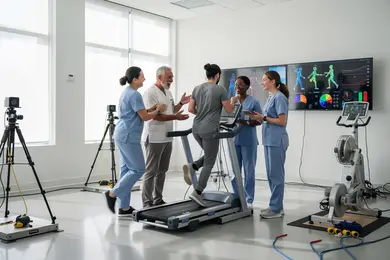
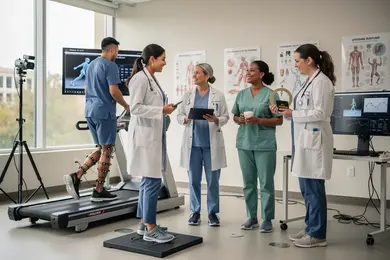
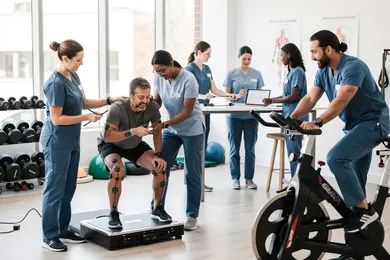
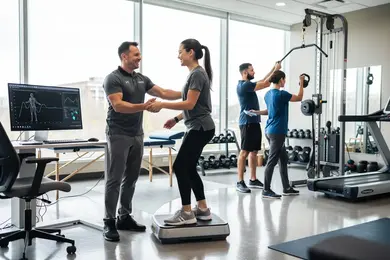
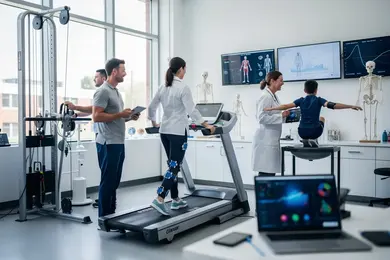
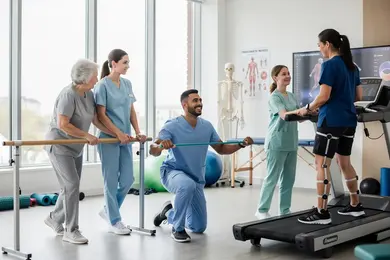
Rigorous involvement in gait analysis, muscle function testing, and adaptive exercise prepares students to manage real-world injury recovery scenarios, such as facilitating postoperative orthopedic care or assisting neurological patients recovering motor control.
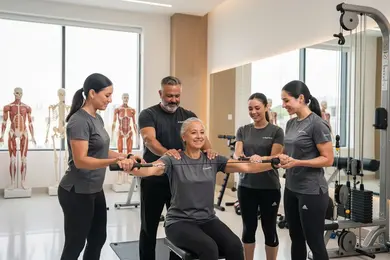
These programs frequently require clinical practicum experiences or internships that expose students directly to patient assessment and evidence-based rehabilitation strategies-an essential component of workforce readiness.
Concentrations in kinesiology for rehabilitation careers often include neurorehabilitation, orthopedic rehabilitation, and exercise physiology. Each track is designed to meet specific industry demands, with neurorehabilitation supporting the rising need for therapists adept at post-stroke recovery in inpatient and outpatient settings. Orthopedic rehabilitation focuses on protocols proven to shorten recovery times while improving patient outcomes in orthopedic practices.
Market data indicates certified kinesiology professionals in rehabilitation typically command starting salaries above $50,000 in urban areas-reflecting robust demand compared to many non-STEM health fields. However, students should weigh the intensity of science coursework alongside hands-on skills development because proficiency in therapeutic exercise and injury prevention is critical for immediate clinical contribution.
For those considering broader health education pivots, pathways exist such as direct-entry MSN programs for non-nurses online, which offer alternative post-bachelor's options in allied health fields.
What are the admission requirements and how competitive are these online programs?
Admission to online bachelor's in kinesiology programs targeting rehabilitation support hinges on demonstrated readiness for an intensive blend of theoretical and clinical content. Typical entry criteria include a high school diploma or equivalent, a minimum GPA between 2.5 and 3.0, and foundational coursework in biology and algebra.
Some programs still request SAT or ACT scores, although test-optional policies are increasingly frequent, reflecting a shift toward broader access without lowering academic expectations.
Applicants with prior healthcare or exercise science experience-via certifications like CPR or relevant volunteer/work hours-are favored since programs demand capability in remote collaboration and accelerated clinical training. More selective programs accept roughly 25% to 40% of candidates, emphasizing both academic rigor and practical exposure, whereas less selective tracks may offer fewer hands-on rehab opportunities, which can affect licensure readiness and employment prospects.
Key operational considerations include whether prerequisite courses or certifications can be completed before or alongside the program without extending its duration-critical for working professionals managing balance between study and employment. Demonstrated digital literacy is now mandatory to navigate telehealth tools and electronic health records systems common in virtual rehab environments.
For those pivoting careers, targeted preparation-such as completing science prerequisites at community colleges or earning entry-level rehab aide certifications-reduces attrition risk in demanding curricula that integrate kinesiology fundamentals with telehealth rehab delivery.
How long does an online kinesiology bachelor's take and what does it cost?
Accelerated and part-time online bachelor's degree programs in kinesiology present distinct tradeoffs between duration, cost, and practical readiness. A full-time student can expect four years of study, but accelerated tracks may reduce this to approximately two and a half to three years if prior credits are transferred or course loads intensified.
Conversely, part-time schedules, common among working adults, often extend completion to five or six years, potentially increasing total cost and delaying workforce entry.
Tuition varies widely: public in-state programs generally range from $6,000 to $10,000 annually, totaling about $24,000 for the degree, while private institutions may exceed $25,000 per year and surpass $100,000 in total tuition. Beyond tuition, essential expenses include technology fees, textbooks, and clinical placement costs, which are often overlooked but impact overall affordability.
Employers in rehabilitation and exercise science prioritize candidates with practical competencies gained through internships or practicums integrated into the online curriculum. A hypothetical scenario illustrates the importance of logistics: a working student in a state without clinical authorization risks delaying graduation due to placement difficulties or forfeiting licensure eligibility.
Graduates from programs focused on rehabilitation science and evidence-based exercise prescription align better with fields showing 7% to 28% job growth, according to U.S. Bureau of Labor Statistics projections.
Students should proactively verify transfer credit policies and clinical placement options to avoid unintended delays. Geographic flexibility and planning ensure alignment with employer expectations and licensure requirements, ultimately safeguarding the return on investment in time and money spent completing the degree.
What rehabilitation support careers can you pursue with an online kinesiology degree?
Graduates of online kinesiology programs often enter rehabilitation support roles that do not require a full physical therapy license but rely on foundational expertise in human movement and therapeutic exercise. Positions like physical therapy assistants and occupational therapy aides allow direct involvement in patient care by administering routine exercises or preparing treatment activities under supervision.
Cardiac rehabilitation specialists, combining exercise science and clinical insights, address post-heart event recovery, a role becoming increasingly relevant given demographic shifts toward older populations.
This degree pathway frequently offers cost advantages, with regionally accredited programs available for under $20,000 total tuition, providing a more accessible entry point compared to the broader spectrum of bachelor's degrees. However, such affordability comes with practical tradeoffs: these roles generally have limited advancement without graduate education and licensure, which are mandatory for therapist-level positions.
Pragmatically, students should evaluate local employer expectations and licensure requirements to determine if the kinesiology degree aligns with their career ambitions. Working in outpatient clinics, hospitals, or community health settings often means supporting licensed professionals rather than independently managing therapy plans.
- Supports entry into healthcare growth sectors with lower initial credential barriers
- Requires balancing work experience with ongoing certification for progression
- Tuition costs below national averages improve return on investment for many students
Choosing an online kinesiology degree should be viewed as a strategic credential for specific rehab-support roles rather than a substitute for graduate-level therapist training.
What are the salary expectations and job outlook in rehabilitation support fields?
Starting salaries for rehabilitation support roles among kinesiology graduates with certifications such as ACSM or NSCA typically top $50,000, reflecting employer valuation of specialized clinical and exercise expertise. Without these credentials, initial pay is often significantly lower, with slower advancement and limited earning growth.
The labor market outlook favors certified professionals due to an aging population driving demand for rehabilitative care. The U.S. Bureau of Labor Statistics projects approximately 10% growth through 2032 for related fields, including physical therapy assistants and exercise physiologists. Jobs based in healthcare settings tend to offer greater wage stability compared to wellness or community programs.
For example, an entry-level rehab specialist in an outpatient clinic may progress to case management or clinical coordination roles within 3 to 5 years, potentially increasing their salary by 15-25%, contingent on credentials and experience. Graduates without certification often reach a salary plateau near entry-level levels, limiting financial upside despite degree completion.
Key practical considerations include exam and continuing education costs, as well as networking with healthcare providers for better job placement. Employers increasingly prioritize verifiable expertise and hands-on experience, making early professional connections a decisive factor in a competitive job market.
Are certifications or licenses needed for rehabilitation support roles after this degree?
Holding a bachelor's degree in kinesiology delivers foundational eligibility for entry-level rehabilitation roles, but most specialized positions mandate certifications or licenses to meet employer and regulatory expectations. This credentialing is especially critical for jobs involving direct patient interactions or specific therapeutic tasks, such as cardiac rehabilitation technicians or occupational therapy assistants.
For instance, a cardiac rehab technician within a hospital system typically requires certification from the American Association of Cardiovascular and Pulmonary Rehabilitation (AACVPR) in addition to the degree. This dual requirement raises the entry standard but correlates with a notably low unemployment rate-around 3%-demonstrating persistent demand and role diversification.
Credential expectations vary between settings. Some employers accept the bachelor's paired with credentials like the Certified Rehabilitation Counselor (CRC) or Certified Exercise Physiologist (CEP), while others insist on state licensure or supervised clinical practice hours. Graduates should understand these differences upfront, since failing to secure proper certification limits job accessibility and often results in lower wages.
The practical costs in time and money for exam preparation, continuing education, and licensing fees are significant considerations impacting workforce entry timing. Planning early by researching state-specific and employer-specific requirements helps mitigate career entry delays and supports targeted advancement. Ultimately, verified competency credentials reduce employer risk and align with the standards driving recruitment in this segment of kinesiology careers.
How can you choose the best online kinesiology program for your rehabilitation goals?
Selecting an online kinesiology program for rehabilitation requires focusing on curriculum alignment with specific career skills, not just general degree completion. Forecasted job growth of 10-15% through 2033 in exercise physiology and athletic training demands graduates with practical expertise in applied rehabilitation sciences and technology-enabled clinical reasoning for diverse healthcare environments.
For example, professionals pivoting toward neurological rehabilitation must prioritize programs offering verified clinical internships with healthcare partners to enhance hands-on experience and employability.
Meanwhile, aspiring athletic trainers often benefit from programs that balance biomechanics and injury prevention coursework alongside remote labs and telehealth practicums suited for fully online schedules. Accreditation by recognized agencies and transparent graduate outcomes, such as licensure pass rates and employer satisfaction, serve as key indicators of a program's value beyond theory.
Students juggling work and study face tradeoffs between program flexibility and timely access to clinical exposure, which ultimately affects job readiness. Robust course delivery platforms combining asynchronous lessons with live virtual labs improve skill retention critical for rehabilitation roles.
Evaluating these factors against real-world workforce demands minimizes the risk of investing in programs that do not translate into sustainable employment within healthcare, wellness, or sports performance sectors.
Other Things You Should Know About Kinesiology
Yes, hands-on clinical experience is often mandatory to develop practical skills in rehabilitation-focused kinesiology programs. Online programs typically integrate in-person internships or lab components at approved local sites. Prospective students should confirm how programs manage clinical placements because failure to secure adequate hands-on training can limit employability in rehabilitation roles where direct patient interaction is critical.
Programs vary in their emphasis between foundational science and applied rehabilitation techniques. For practical career readiness in rehabilitation support, a degree must include substantial coursework and projects related to human movement, therapeutic interventions, and biomechanics, not just general biology or anatomy.
Students prioritizing immediate workforce entry should select curricula with integrated practical labs and rehabilitation-specific content rather than overly theoretical tracks.
Balancing the program's rigorous science and clinical requirements with work demands is a significant challenge. The necessity of scheduled clinical hours and possibly asynchronous coursework requires careful time management. Professionals should prioritize programs with flexible clinical placement options and robust academic advising to mitigate overload and ensure timely progress.
When choosing an online program, connections with rehabilitation employers can be a significant advantage, offering internships and job placement opportunities. Prospective students should look for programs like those at the University of Florida or Penn State, which are known for strong ties to rehabilitation centers and industry contacts.
References
- What Can You Do With a Kinesiology Major? | USAHS https://www.usa.edu/blog/what-can-you-do-with-a-kinesiology-major/
- Physical Therapy Job Outlook & Salary | George Fox University https://www.georgefox.edu/physical-therapy/career.html
- Physical Therapy Careers: Where Purpose Meets Potential https://www.whitworth.edu/cms/academics/doctor-of-physical-therapy/about-the-program/career-salary-outlook-pt/
- Kinesiology vs Personal Training: Choosing the Right Path for Patients https://northvancouverphysio.ca/kinesiology-vs-personal-training-choosing-the-right-path-for-patients/
- Competitive Requirements https://www.ualberta.ca/en/admissions/how-to-apply/admission-requirements/competitive-requirements.html
- Rehabilitation Counselors: Salary, career path, job outlook, education and more - RaiseMe https://www.raise.me/careers/community-and-social-service/rehabilitation-counselors/
- Online Exercise Science Degrees: Top School Review https://www.edumed.org/online-schools/exercise-science-degrees/
- What does a nursing assistant do? https://apexlearning.org.uk/career-paths-after-a-health-and-social-care-qualification/
- Online Bachelor of Science in Kinesiology https://calbaptist.edu/academics/programs/online-bachelor-of-science-kinesiology/
- Which Online Programs Are You Competing Against? https://encoura.org/resources/wake-up-call/which-online-programs-are-you-competing-against