2027 Best Online Bachelor's in Kinesiology for First-Time Movement Science Professionals

Co-Founder and Chief Data Scientist
Professionals entering the health and fitness sector often confront the urgent challenge of securing a credible bachelor's degree while balancing work and family commitments. Traditional daytime programs in kinesiology rarely accommodate mid-career students or first-time learners requiring flexible pacing. The National Center for Education Statistics showed a 12% surge in online bachelor's enrollment among adult learners since 2022, signaling broad shifts toward digital accessibility.
This trend reflects not just convenience but a strategic response to rigid campus schedules and geographic limits, directly impacting how prospective kinesiology students plan their education timelines and maintain career momentum. This article evaluates the best online bachelor's in kinesiology programs available, focusing on flexibility, accreditation, and workforce relevance to help readers pinpoint pathways aligned with their professional goals.
Key Things You Should Know
- Graduates from programs with integrated clinical internships show 27% faster employment rates in movement science roles, but those internships typically extend degree completion by 6-12 months, influencing cost and timing tradeoffs.
- Employer demand favors candidates with undergraduate research exposure and certifications tied to biomechanics, shifting hiring weight from general kinesiology knowledge to applied skills per 2024 labor market analyses.
- Public university kinesiology online degrees average $16,500 total cost versus $34,000 at private institutions, directly impacting debt-to-earnings ratios and delaying financial independence according to recent NCES data.
What is an online bachelor's in kinesiology and who is it best suited for?
Choosing an online bachelor's degree in kinesiology for movement science careers involves weighing significant operational tradeoffs, particularly around experiential learning. Such programs provide foundational knowledge in biomechanics, exercise physiology, and human movement, fitting remote learners who need flexible schedules. This format primarily suits entry-level professionals who must balance work or caregiving responsibilities, or those geographically distant from campuses. For example, a full-time medical assistant aiming to switch to exercise physiology can complete coursework asynchronously without relocating, though they must independently secure local clinical hours to fulfill licensure or certification prerequisites.
The practical realities of online kinesiology include limited access to hands-on labs and mentorship essential for clinical competencies. Most states and certifications require in-person clinical experience or postbaccalaureate credentials, meaning students should plan carefully to meet these credentialing barriers. This modality also shapes employment readiness, as graduates typically enter roles like fitness trainers, rehabilitation aides, or exercise physiologists at the entry level.
Market trends support this pathway: the Bureau of Labor Statistics projects that employment for exercise physiologists will grow well above average through 2032, and fitness trainers even faster, at 19% growth from 2021 to 2031. Choosing one of the best online kinesiology programs for entry-level professionals in the United States can position students for a timely labor market entry in healthcare, fitness, and wellness sectors amid rising demand for movement specialists.
For students interested in healthcare allied fields with a flexible design, exploring an online ASN program is another pathway to consider.
How do online kinesiology bachelor's programs compare with campus-based options for flexibility and quality?
Choosing between online kinesiology bachelor's programs flexibility versus campus options hinges on the tradeoff between adaptability and hands-on experience. Online formats permit working professionals to continue full-time jobs or manage family duties while studying, thanks to asynchronous lectures and virtual labs. This suits those targeting wellness coaching, exercise physiology, or administrative roles where direct physical engagement is less critical. However, campus programs maintain an edge for students who require extensive lab work, certifications, and faster access to clinical placements-elements vital for those pursuing clinical or intensive research tracks.
Quality differences between online and campus kinesiology degrees are diminishing as schools invest in advanced digital platforms and faculty expertise. Employers focus heavily on practical experience and certification rather than delivery method alone. Graduates enrolling online must proactively secure internships and clinical hours locally to stay competitive. Notably, universities report median salaries from $59,460 for exercise physiologists to $265,930 for physical rehabilitation physicians regardless of mode, aligning with workforce demand growth rates of 20% or more in allied health sectors.
Students should evaluate their self-motivation levels, access to physical resources, and career goals when weighing online versus campus. Financial savings on commuting and housing can be substantial with online programs, but candidates need to supplement these with real-world exposure. Professionals seeking comprehensive hands-on training or faster certification pipelines generally benefit from campus experiences.
For professionals exploring healthcare degrees, comparing kinesiology program structures with other fields can guide decision-making. For instance, those interested in online health degrees might review the best online BSN programs for non nurses as a parallel for balancing flexibility with quality outcomes.
Which accredited schools offer the best online bachelor's in kinesiology for new professionals?
Employers in movement science prioritize candidates from programs that balance rigorous applied biomechanics, exercise physiology, and motor control competencies with flexible clinical experiences. The best accredited online kinesiology programs for new professionals reflect this demand by offering synchronous labs or practicum options that accommodate working students' geographic and scheduling constraints. Arizona State University's scale in health and kinesiology education supports extensive academic resources for individuals without prior college credit, yet self-discipline remains essential given limited cohort structures.
Students new to the field must weigh the tradeoff between program rigor and scheduling flexibility. Programs with asynchronous foundational coursework coupled with real-time assessments enhance readiness for licensing or graduate study, crucial for fields like physical therapy assistance or rehabilitation. The top online bachelor's kinesiology degrees for first-time movement science graduates often incorporate conditional admissions options or minimal prerequisites, as seen at Oregon State University, though these pathways require strong self-motivation to mitigate retention risks.
Failure to align curriculum with state licensure or certification standards narrows employability and may lead to costly credentialing delays post-graduation. Strategic program selection should consider hands-on experience availability, institutional recognition, and clear licensing pathways alongside cost and time investments. For broader context on related healthcare educational routes, prospective students might explore health administration master programs to complement or advance clinical expertise.
What accreditation and program quality standards should an online kinesiology degree meet?
Accreditation remains the essential marker defining the practical value of any online kinesiology degree. Regional accreditation by bodies recognized by the U.S. Department of Education ensures academic legitimacy and credit transferability. More critically, alignment with specialized quality criteria for accredited kinesiology programs, such as those set by the Commission on Accreditation of Allied Health Education Programs (CAAHEP) or the National Strength and Conditioning Association (NSCA), directly influences employer confidence and graduate marketability.
Students face a wide gulf in tuition costs-from $129 per credit at the University of Florida to $688 at Arizona State University-making return on investment a core consideration. Paying a premium does not guarantee superior clinical preparation or recognized accreditation. For example, programs that omit clinical practicum or current biomechanics instruction may restrict eligibility for allied health certifications or graduate pathways, slowing career mobility in healthcare, rehabilitation, or fitness sectors that prioritize real-world competencies.
Evaluating online kinesiology degree accreditation standards must include scrutiny of experiential learning opportunities and faculty credentials. Financial aid transparency and clear credit articulation policies are also critical decision factors. Without these, even accredited degrees risk limited labor market leverage.Capella vs WGU RN to BSN comparisons reflect the broader need for nuanced program assessment amid varying institutional offerings.
What courses and concentrations are typically included in an online kinesiology curriculum?
Strong kinesiology degree programs demand more than fundamental coursework; they must integrate evidence-based research skills with targeted specialization to prepare graduates for distinct roles. For example, while occupational therapy support positions benefit from in-depth motor learning and adaptive physical activity studies, strength and conditioning coaches require focused expertise in biomechanics and exercise programming. This differentiation shapes curriculum design and impacts employability.
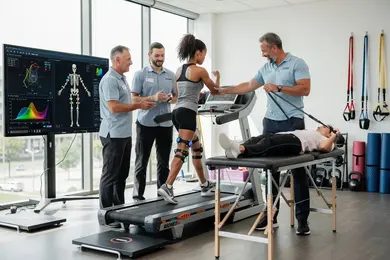
Practical training-whether through labs or virtual simulations-is essential in translating theoretical knowledge into applied skills, such as assessing movement efficiency and designing population-specific interventions for athletes or rehabilitating patients. Without this hands-on component, graduates may struggle to meet employer expectations in clinical or sports environments.
Emerging industry trends push kinesiology programs to incorporate interdisciplinary courses in data analytics and health informatics, aligning with precision wellness initiatives and performance monitoring demands. This fusion enhances the graduate's market value but introduces complexity in course selection and time management, especially for part-time or working students balancing clinical placements with study requirements.
According to OnlineU's 2026 data, Oregon State University's online BS in Kinesiology graduates report a median salary near $61,000, placing them in the upper national quartile. This reflects programs that cohesively blend rigorous theory with applied experiences, crucial for meaningful workforce integration. Students must carefully plan to navigate prerequisites and clinical demands without derailing timely degree completion or financial stability.
What are the typical admission requirements for an online bachelor's in kinesiology?
Admission to online bachelor's in kinesiology programs reflects a balance between academic readiness and practical career aims, influencing both completion likelihood and employability. Most programs require a high school diploma or GED, with GPA thresholds typically near 2.5 to 3.0, alongside prerequisite coursework in biology, chemistry, and algebra to prepare students for science-focused content.
Applicants often submit transcripts and standardized test scores, but many institutions now adopt test-optional policies, recognizing that personal statements and recommendation letters can better reveal critical thinking and communication skills valued by employers. For working professionals, relevant experience in fitness or rehabilitation settings enhances application strength and aligns with industry expectations.
Technological aptitude and access remain non-negotiable; students must reliably engage with online platforms and virtual labs fundamental to kinesiology education. Programs involving clinical practica may add requirements such as background checks or immunization documentation, which can delay enrollment if not anticipated.
Graduates frequently pursue roles like entry-level personal trainers, where practical skill and academic rigor directly impact job readiness. According to the U.S. Bureau of Labor Statistics, this field's median salary hovers around $60,000 with a robust 13% job growth rate, exceeding average employment expansions. Choosing a program that navigates these academic and logistical demands can shape career trajectories in a competitive labor market.
How long does an online kinesiology bachelor's take and what does it cost to complete?
Completion time for an online bachelor's in kinesiology mirrors traditional timelines, typically around four years full-time, but real-world constraints often extend this. Part-time learners-common among working professionals-should anticipate 5-6 years depending on program flexibility and prior credits. This extended pacing accommodates internships and hands-on coursework essential for fields like physical therapy assistance or rehabilitation.
Cost differences between public and private institutions are substantial, with public in-state options ranging approximately $7,000 to $15,000 annually, while private schools can exceed $30,000 per year. Cumulatively, a 120-credit program may cost from $28,000 up to $120,000, not counting additional fees for technology or certification exam preparation.
Employers prioritize accredited degrees paired with tangible student support, especially field placement access, as these directly influence licensure eligibility and employability. Online kinesiology markets are crowded-85 global programs listed in a 2025 survey-and practical support distinguishes graduates who successfully transition into healthcare, fitness, or corporate wellness roles from those with limited job prospects.
Key considerations for prospective students include:
- Program flexibility aligned with professional duties and licensing requirements
- Comprehensive applied coursework balancing exercise science with ergonomics
- Transparent cost-to-duration metrics reflecting actual time and financial investment
Matching program outcomes with career targets is critical; for example, aspiring corporate wellness consultants demand curricula emphasizing applied knowledge and career services, while physical therapy assistants need structured field experiences embedded in their online learning.
What entry-level careers can you pursue with an online bachelor's in kinesiology?
Holding an online bachelor's in kinesiology opens pathways to entry-level roles that require hands-on skills alongside scientific knowledge, yet graduates must navigate varying certification demands and employer expectations. Positions like fitness trainer, rehabilitation aide, or wellness coordinator commonly expect proficiency in anatomy, exercise prescription, and data management. However, online learners often confront the challenge of securing practical internships, critical for competitiveness since many employers prioritize demonstrated experience over academic credentials alone.
For example, those targeting strength and conditioning assistant roles with sports teams frequently need postgraduate certifications to offset limited hands-on exposure. In contrast, corporate wellness opportunities typically value interdisciplinary knowledge and program design skills integrated into many online curricula, offering a somewhat smoother transition to employment.
Entry-level wages range from approximately $30,000 to $45,000, aligning with broader health and fitness sector norms. The broad acceptance of remote education-as seen with platforms like Arizona State University Online, serving over 50,000 students-has improved hiring managers' openness to online degree holders, though networking and practical proof remain decisive. Graduates should weigh the online format's scalability and access against the imperative of securing experiential learning to avoid early career stagnation.
What are the salary expectations and job outlook for kinesiology and movement science roles?
Kinesiology graduates face a critical decision: enter the workforce quickly in entry-level movement roles or invest additional years for clinical certifications that substantially increase earning potential. Entry-level positions like fitness trainers or wellness coordinators typically start between $40,000 and $60,000 annually, reflecting the lower barriers to entry but limited salary growth without further credentials.
Alternatively, moving into clinician roles such as physical therapists, occupational therapists, or physician assistants requires graduate training-often a doctorate-and licensing. These pathways yield median salaries ranging from $100,330 to $135,880 based on 2024 Labor Department data, reflecting the premium placed on advanced clinical skills and qualifications.
Employment growth projections to 2032 show strong demand in these fields, with physical therapists expected to grow 11% and physician assistants by 21%. This growth is fueled by an aging population and expanding preventive care models, benefiting kinesiology graduates who invest in these certifications.
Students should weigh:
- Time and financial costs of graduate education and licensing
- Delays in entering the workforce versus higher long-term income
- Geographic and employer factors affecting starting salaries in non-clinical roles
These tradeoffs highlight kinesiology's role as a foundational but nonterminal degree for health-related careers, requiring strategic planning to align credential attainment with realistic employment outcomes.
Do kinesiology graduates need certification or licensure, and how does a bachelor's prepare you?
Holding a bachelor's degree in kinesiology alone typically falls short of meeting credential requirements for many professional roles in movement science. Licensure and certification are frequently mandatory, especially in regulated careers like physical therapist assistant and occupational therapist, where licensure exams and accredited post-baccalaureate training serve as gatekeepers. Graduates face real workforce constraints if they rely solely on foundational kinesiology coursework without pursuing these advanced certifications.
Students should carefully assess whether their undergraduate program includes sufficient clinical hours and coursework aligned with certification prerequisites. For example, physical therapist assistant programs demand specific clinical experience that general kinesiology curricula seldom cover in full. Similarly, occupational therapy assistant certification requires training beyond the bachelor's level.
Those targeting fitness and wellness sectors may avoid licensure, yet certifications such as ACSM or NASM are often baseline employer expectations that validate practical skills over academic knowledge. Without these, job mobility and progression tend to be limited.
Prudent workforce planning involves mapping degree outcomes to credential pipelines, prioritizing programs with clinical placements and graduate school articulation to avoid delayed professional entry. Overlooking these factors risks extended training timelines and diminished competitiveness despite holding a kinesiology degree.
Other Things You Should Know About Kinesiology
Many of the best online bachelor's in kinesiology programs in 2027 incorporate practical experiences or internships to ensure students gain real-world experience. Requirements may vary by program, but practical components are critical for hands-on skill development in the field of movement science.
Kinesiology roles often require working closely with healthcare providers, coaches, and rehabilitation specialists. Some online programs fall short in fostering collaborative skills because of limited interactive group projects or interdisciplinary exposure. Select programs with structured teamwork components and opportunities to engage with other health-related fields virtually to better prepare for employer expectations in multidisciplinary environments.
Balancing general kinesiology knowledge and focused specialization is a key decision. Programs that are too broad may leave students underprepared for niche professional demands, while narrow programs risk limiting job versatility. For first-time movement science professionals, choosing a program with flexible specialization options-such as exercise physiology or sports coaching-allows adjusting focus based on evolving career goals and market demand.
Employer recognition varies substantially based on program reputation, accreditation, and curriculum rigor. Graduates from programs lacking strong applied components or regional accreditation often face challenges in securing competitive positions. Prioritize programs with transparent outcomes data, well-established faculty with field experience, and regional accreditation to ensure your degree signals credible preparation to employers.
References
- What Can You Do With a Kinesiology Major? | USAHS https://www.usa.edu/blog/what-can-you-do-with-a-kinesiology-major/
- How to Apply for Accreditation https://aik.org.au/how-to-apply-for-accreditation/
- Best Online Kinesiology Degree Programs, Updated for 2026 https://www.kinesiologydegrees.org/programs/online
- How Long to Get a Kinesiology Degree? | ValidGrad https://validgrad.com/blog/kinesiology-degree-duration/
- Kinesiology Accreditation Process https://www.ccupeka.org/accreditation/kinesiology-accreditation-process/
- Online Bachelor’s in Kinesiology and Exercise Science Programs https://teach.com/online-ed/healthcare-degrees/online-bachelors-kinesiology-exercise-science/
- Top 10 Affordable Online Bachelor's in Kinesiology Degree Programs 2026 https://www.collegevaluesonline.com/rankings/online-kinesiology-degree/
- Bachelor's in Kinesiology Program Online | Montreat College https://www.montreat.edu/online/kinesiology/
- Quality Standards and Accreditation of Distance Education Programs in a Pandemic - OJDLA https://ojdla.com/articles/quality-standards-and-accreditation-of-distance-education-programs-in-a-pandemic
- Online Bachelor of Science in Kinesiology https://calbaptist.edu/academics/programs/online-bachelor-of-science-kinesiology/