2026 Online Human Resource Management Degrees With Strong Employer-Relevant HR Skills

Co-Founder and Chief Data Scientist
Mid-career professionals targeting leadership roles in human resource management often face a narrow window to upskill while maintaining full-time employment. This challenge intensifies given that 62% of adult learners enrolled in online degree programs seek flexibility that traditional on-campus courses rarely offer, according to the National Center for Education Statistics.
However, not all online programs equip students with skills directly aligned with current employer demands, such as data-driven talent analytics and compliance expertise. Selecting a degree emphasizing these competencies can significantly influence career trajectory and job market adaptability. This article evaluates online human resource management degrees that deliver strong, employer-relevant skills to help candidates make informed, strategic education decisions.
Key Things You Should Know
- Data from the U.S. Bureau of Labor Statistics shows HR positions with advanced employer-relevant skills earn 18% higher starting salaries, but programs requiring extensive internships increase completion time by 20% on average, delaying entry.
- The Society for Human Resource Management reports 62% of employers prioritize certifications and practical talent analytics over degree pedigree, pressuring candidates to select experiential curricula, which may narrow theoretical HR policy understanding.
- National Center for Education Statistics finds online degrees lower cost by 30-40% versus traditional routes but often limit access to live networking, impacting relationship-building critical for advancing in HR leadership roles within the first five years.
What is an online human resource management degree and how does it prepare you for HR careers?
Degree programs in online human resource management in the United States must be assessed beyond their face value of convenience. The real question centers on how an online human resource management degree develops employer-valued HR skills that translate directly into workplace impact.
Programs that emphasize applied learning through case studies and simulated conflict resolution improve practical skills essential for navigating complex labor relations, such as managing union dynamics in manufacturing or driving inclusion initiatives in technology sectors. These scenarios reflect actual workforce challenges demanding strategic HR capabilities.
The online format suits working professionals balancing job demands, yet students should scrutinize how well curricula integrate evolving labor market analytics and technology-driven HR tools. Such integration distinguishes programs that prepare students for data-informed decision-making and regulatory compliance from those offering more theoretical insights.
Given that HR managers' employment is projected to grow 7% from 2022 to 2032 with median wages around $136,000, understanding program accreditation and employer relevance is critical for informed career decisions.
For professionals exploring options, reviewing comprehensive resources like the best organizational development master's programs online provides comparative insights that complement degree research. Selecting an online human resource management degree aligned with industry expectations reduces friction in career advancement by equipping graduates with actionable skills recognized by employers in a dynamical labor market.
How do online human resource management programs build strong, employer-relevant HR skills?
Online human resource management programs with employer-focused skill development prioritize practical, job-ready competencies over traditional degree credentials-a critical shift as roughly 45% of organizations in 2024 no longer require a bachelor's degree for certain roles. These programs employ scenario-based learning, simulations, and project work that replicate actual challenges in talent acquisition, conflict resolution, and compliance across industries like healthcare and manufacturing.
Building practical HR skills through accredited online human resource management degrees means mastering tools such as HR information systems, data analytics, and labor law application. For instance, students tackle case studies requiring them to devise equitable compensation structures for multi-state companies, fostering proficiency directly relevant to employer needs.
Online delivery also enables virtual internships and capstone projects supervised by industry mentors, addressing skill gaps identified by employers emphasizing demonstrable ability. However, this flexibility trades some networking advantages inherent in in-person cohorts, often mitigated by peer collaboration via discussion platforms.
Some programs integrate HR certification preparation within their curricula, accelerating workforce entry for working professionals through flexible pacing. Prospective students evaluating educational pathways might also consider related fields such as a bachelor's in project management to complement HR expertise and expand career prospects.
What types of online human resource management degrees are available and which is right for you?
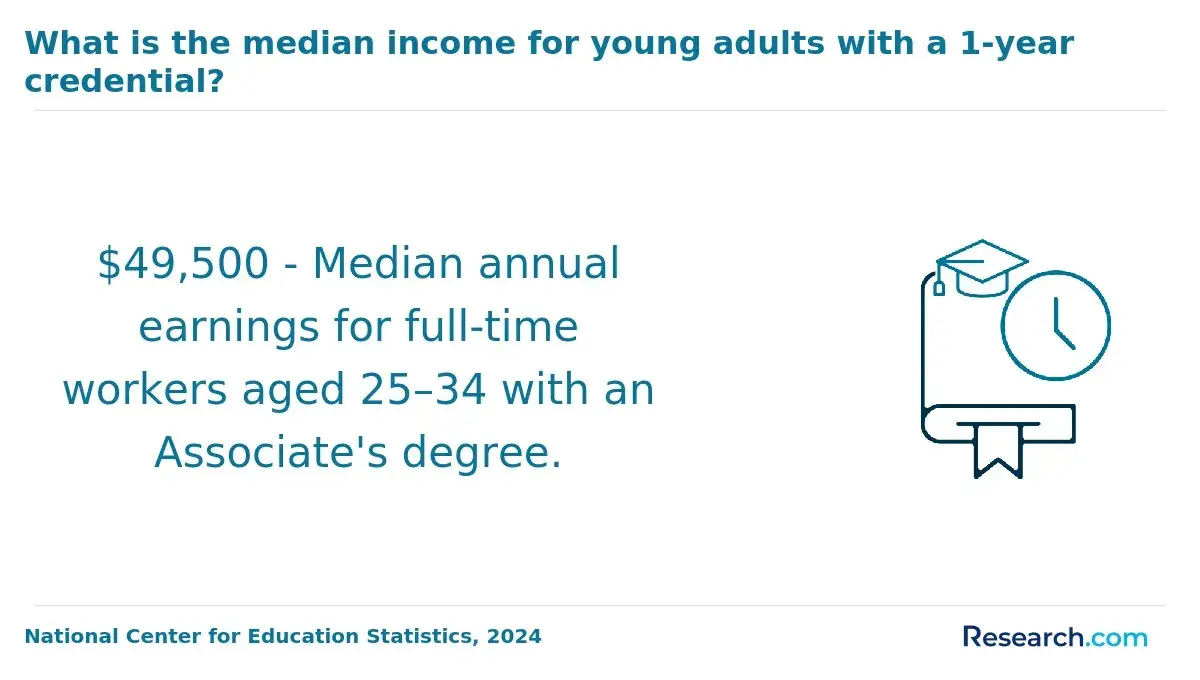
Choosing the appropriate level of online human resource management degree programs in the US hinges on realistic career goals and immediate workforce entry versus long-term leadership aspirations. Associate degrees offer foundational HR skills suitable for those entering the field quickly or shifting careers, while bachelor's degrees align with most HR generalist roles, balancing core studies with electives like business analytics or labor law to meet evolving employer expectations.
Master's degrees, including specialized tracks like the Master of Human Resource Management or MBA with an HR focus, are best reserved for professionals targeting senior roles requiring strategic oversight and advanced analytics.
For mid-career professionals, fully online bachelor's or master's programs provide critical flexibility, allowing them to maintain employment and avoid the substantial lost wages that come with full-time study. This financial consideration is supported by data revealing that online degrees often cost around 60% less than in-person equivalents, a pivotal factor in career decisions.
Recent high school graduates without work experience, however, may benefit more from in-person or hybrid programs that foster networking despite greater expense.
In selecting among the best online human resource management degrees with practical skills, accreditation aligned with SHRM standards, inclusion of real-world HR simulations, and employer reputation are decisive. Industry-specific curricula-especially for healthcare and technology sectors-enhance employability by addressing compliance complexity and technological demands.
To contextualize institutional choices, consider examining comparative frameworks like the construction management masters rankings for insights on program affordability and delivery modalities applicable across professional degrees.
How do online HR management programs compare with on-campus options for quality and flexibility?
Flexibility in online hr management program flexibility and employer relevance often surpasses the rigid scheduling constraints of on-campus degrees, critical for working professionals balancing time and responsibility. More than 40% of postsecondary students engage in some online coursework, and entire programs increasingly match or exceed on-campus quality, delivering evidence-based HR skills like labor law compliance and talent analytics that employers prioritize.
For example, an HR manager addressing healthcare regulatory shifts can apply new knowledge immediately through asynchronous online courses, accelerating impact without on-site attendance. However, online formats require students to compensate for limited face-to-face networking by leveraging virtual platforms and seeking hybrid internship opportunities.
Employers now largely weigh demonstrated competencies over delivery mode, yet students should ensure their program integrates experiential learning - case studies, simulations, or consulting projects aligned with sector realities - for genuine workforce readiness. Those entering HR from different fields might find on-campus programs more effective due to direct access to local career services and employer partnerships, a key tradeoff between convenience and in-person engagement.
Comparing a quality comparison of on-campus and online hr management degrees requires attention to these operational factors rather than generic assumptions about credibility. For professionals considering advanced specialization, investigating options like the doctorate healthcare administration may further clarify pathways aligned with leadership roles in evolving HR functions.
What accreditation should online human resource management programs have in the United States?
Choosing an online human resource management program without accreditation from the Association to Advance Collegiate Schools of Business (AACSB) or the International Accreditation Council for Business Education (IACBE) can result in delayed employability and reduced alignment with evolving industry demands. While regional accreditation like NECHE or HLC covers institutional legitimacy, employers in sectors such as healthcare, manufacturing, and technology specifically seek candidates from programs with business or HR-focused accreditation to ensure readiness for roles demanding current workforce strategies.
Graduates from non-accredited programs often face extended onboarding or are compelled to pursue additional certifications to bridge gaps in practical skills, particularly as the workforce rapidly adapts to digital transformation and increased focus on talent management. The World Economic Forum projects that 60% of workers will need upskilling or reskilling by 2027-a trend driving employer preference toward curricula integrating relevant competence development.
Prospective students should verify institutional disclosures about accreditation and weigh the tradeoffs between accessible programs and those maintaining rigorous, employer-reviewed curricula. An accredited program reduces risks related to credentialing delays and enhances access to specialized HR roles with verified competencies, enabling quicker transitions into fields like learning and development or workforce capability building.
What courses and concentration options are common in online human resource management curricula?
Online human resource management programs must balance broad foundational skills with specialized competencies that reflect employer demand and market realities. Core coursework covers talent acquisition, employment law, compensation, organizational behavior, and performance management-all fundamental for operational HR roles focused on hiring and compliance.
However, the real differentiators lie in concentrations tailored to sectors or evolving challenges such as labor relations, diversity and inclusion, or strategic HR leadership.
Employers increasingly expect candidates to bring analytics proficiency and digital fluency. PwC data shows 40% of HR teams in multinational firms integrate AI, meaning applicants without data literacy or predictive analytics capabilities risk lagging at recruitment stages. Specialized tracks like HR analytics teach practical skills in workforce metrics and turnover prediction, which are especially relevant in regulated industries like healthcare and finance.
Programs that integrate simulations, case studies, and virtual internships better prepare students for on-the-ground complexities such as conflict resolution and digital transformation projects. While theoretical knowledge offers a foundation, practical experience can preempt costly retraining after graduation.
Prospective students should weigh how well a program's curriculum aligns with the target employer ecosystem's sophistication and sector-specific HR challenges to avoid skill gaps and lost time.
What are typical admissions requirements and application materials for online HR management degrees?
Admissions standards for online human resource management degrees reveal the field's shift toward competency and skill demonstration rather than credential accumulation alone. While a high school diploma remains a baseline, bachelor's and graduate programs increasingly require transcripts evidencing prior study in business, psychology, or social sciences.
Importantly, 64.8% of companies prioritize verifiable skills over formal qualifications, pressuring applicants to present tangible experience in areas like talent acquisition or labor law within essays and resumes.
Applicants should anticipate submitting a completed online application, academic records, and a personal statement that explicitly links career objectives to specific HR competencies demanded by employers. Because 75% of HR job descriptions are now competency-focused, clarity in communicating expertise is paramount. Some programs also request recommendation letters from supervisors or mentors; others may ask for GRE or GMAT scores, though this requirement is progressively diminishing.
Practically, candidates must balance detailing compliance-related knowledge in specialized sectors such as healthcare or technology against ensuring proficiency in virtual learning tools and software simulations that emulate real-world HR analytics. For working professionals, upfront effort to align experience with program expectations can minimize delays tied to incomplete materials and unclear skill presentation.
- Employers' growing emphasis on demonstrable capabilities shapes admissions and post-degree job performance.
- Documentation completeness and technical readiness affect acceptance chances and readiness for immersive online formats.
- Specialized compliance knowledge in regulated industries substantially influences admission outcomes and marketability.
How long do online human resource management degrees take and what do they cost?
Completion time for online human resource management degrees varies from 18 months to four years, contingent on the program's level and format. Accelerated bachelor's degrees can shorten the timeline to about two years, whereas traditional full-time tracks tend toward four.
Graduate programs, including master's degrees, generally require 18 to 24 months full-time, with part-time paths extending beyond three years. Specialized executive programs emphasize flexibility but still expect 12 to 24 months to develop strategic leadership skills.
Cost distinctions are significant and driven by institution type and degree level. Public institutions typically charge between $8,000 and $20,000 for bachelor's-level online degrees, while private counterparts often exceed $30,000. Graduate programs escalate from $15,000 up to $40,000, with some executive certificates priced lower but more narrowly focused.
For professionals targeting CHRO-track roles, it's insufficient to rely solely on foundational knowledge. Employers increasingly require expertise in digital automation and strategic workforce planning. By 2025, 90% of CHROs anticipate widespread bot integration within HR teams, positioning technology-driven human-machine collaboration as a core competency.
Tradeoffs between program length, cost, and flexibility underscore real-world decision-making:
- Tech-sector HR managers often opt for part-time programs emphasizing applied analytics and automation to maintain pace with innovation.
- Conversely, candidates in legacy industries may choose lengthier programs to deepen legal and labor relations knowledge, which remain critical despite digital shifts.
What jobs, industries, and advancement paths can an online HR management degree support?
The value of an online human resource management degree largely depends on the specific industry and employer expectations, with distinct operational demands shaping career outcomes. For instance, healthcare HR professionals must manage intricate regulatory compliance, while those in technology focus heavily on talent retention within rapidly evolving environments.
Career progression typically moves from entry-level HR assistant roles to specialized positions, then to managerial and senior leadership roles. Smaller companies often require graduates to handle a wider array of HR functions simultaneously, such as recruitment, compliance, and employee relations. Conversely, larger organizations favor deeper specialization in areas like labor relations or organizational development, offering clearer promotion trajectories.
Employer attitudes toward online HR degrees are shifting; while 28% of hiring managers still prefer traditional credentials, recent workforce data show growing acceptance of regionally accredited online programs as credible. This shift enhances return on investment for students pursuing career pivots.
Challenges for graduates include obtaining relevant internships or volunteer positions and mastering industry-specific HR technologies and compliance frameworks. Practical steps to mitigate these include pursuing targeted certifications and actively networking within chosen fields to improve job market competitiveness and advancement speed.
What are the salary ranges and job outlook for human resource management professionals?
Salary outcomes in human resource management vary significantly based on industry, role specialization, and experience, with median earnings spanning roughly $65,000 to $115,000 annually according to 2024 U.S. Bureau of Labor Statistics data. Entry-level HR specialists start near $50,000, while senior HR managers and directors-especially in technology, finance, or healthcare-often exceed $130,000.
Job growth for HR specialists is projected at 7% over ten years, signaling steady demand but also rising competition for advanced positions.
The choice of sector directly influences career tradeoffs. For instance, manufacturing HR managers generally earn less but gain greater control over workforce training, whereas service sector HR roles demand agility in tech-driven talent management and usually offer higher compensation. Becoming proficient in talent analytics and workforce planning is increasingly important as organizations accelerate reskilling efforts; over half of global employees will require substantial upskilling by 2025, which reshapes employer expectations.
Specialization in compliance, diversity and inclusion, or lifelong learning strategies can command premium salaries due to their strategic business impact. Candidates must integrate business acumen, data literacy, and change management skills to navigate evolving labor market demands effectively. Educational paths that align with these competencies enhance relevance but often require balancing technical skills with practical workplace adaptability.
Other Things You Should Know About Human Resource Management
A strong 2026 online HR degree should include proficiency in HRIS platforms, payroll systems, applicant tracking systems, and workforce analytics. Coursework should also cover Excel for reporting, data privacy rules, and dashboard interpretation. Programs often assess these skills through case projects, simulations, and capstone assignments.
Employers almost universally expect hands-on HR experience in addition to academic credentials. Online programs that offer or require internships, co-ops, or virtual simulations better position graduates for career entry or advancement. Choosing a degree without built-in practical components risks a weaker resume and longer job search, especially in competitive HR job markets where demonstrated application of knowledge is crucial.
In 2027, online HR management degrees incorporate industry-relevant skills through updated curricula emphasizing digital HR tools, data analytics, and strategic management. Programs often collaborate with industry partners to ensure coursework aligns with current employer needs, providing students with a competitive edge in the job market.
Specializations in areas like talent acquisition, compensation, or labor relations can provide competitive advantages by aligning skills with niche employer needs. However, a general HR management degree with strong core competencies remains valuable in smaller organizations or generalist roles. Candidates should evaluate their target industry's depth of specialization demand and select programs accordingly, ensuring that any specialization offers measurable benefits in job placement and salary progression.
References
- Study Human Resource Management: All you need to know https://www.study.eu/article/study-human-resource-management-hrm
- Online vs. On-Campus Degrees: Which Is Best for You? https://kingsedu.ac/online-vs-on-campus-degrees-which-is-best-for-you/
- What do you learn in a bachelor's in human resource management? | edX https://www.edx.org/resources/what-do-you-learn-in-a-bachelors-in-human-resource-management
- what courses are required for hr - A comprehensive guide https://www.bmc.net/blog/general-blog-posts/what-courses-are-required-for-hr
- Human Resource Management (HRM) https://www.learndirect.com/course/human-resource-management-hrm
- How to Become a HR Manager in 2026 https://www.avadolearning.com/blog/how-to-become-a-hr-manager/
- How a Human Resources Management Degree Can Boost Your Career | BSBI https://www.berlinsbi.com/blog/how-a-degree-in-human-resources-can-boost-your-career-a-guide-for-aspiring-professionals
- Online MBA in HR vs. Regular MBA: Which One Is More Affordable? https://www.dypatilonline.com/blogs/online-mba-hr-vs-regular-mba-affordability
- What Are the Prerequisites for a Master's in Human Resources? - Human Resources Degrees https://www.humanresourcesmba.net/faq/what-are-the-prerequisites-for-a-masters-in-human-resources/
- Can I Get a Bachelor’s Degree in Human Resource Management Online? | CSU Global https://csuglobal.edu/blog/can-i-get-bachelors-degree-human-resource-management-online