2026 Human Resource Management Specializations for Training and Development Careers

Co-Founder and Chief Data Scientist
A mid-level HR generalist aiming to specialize in training and development often faces a perplexing challenge: choosing a pathway that balances immediate workforce demands with future-proof skills. Employers increasingly seek professionals adept in digital learning platforms and data-driven talent development, yet 62% of adult learners enrolled in HR-related programs in 2024 reported that rigid scheduling and outdated curricula hindered their progress, according to the National Center for Education Statistics.
This gap complicates strategic career moves, especially for working professionals needing flexible, relevant specializations that align with evolving organizational priorities. This article identifies key human resource management specializations tailored for training and development roles, clarifying how each addresses those practical constraints and market needs.
Key Things You Should Know
- Specializing in digital hr management enhances employability but prolongs credentialing by an average 8 months compared to generalist tracks, impacting immediate income per a 2024 SHRM workforce survey.
- Employers prioritize certifications with direct legal compliance expertise due to rising labor regulation complexity; 62% report reduced hiring time when candidates possess sector-specific knowledge according to the U.S. Dept. of Labor.
- Programs emphasizing data analytics skills carry 15-20% higher tuition costs, limiting access for mid-career professionals but yielding median salary increases of 12% after three years, per 2024 Georgetown University dataset.
What is a human resource management specialization in training and development, and who is it for?
A specialization in human resource management training and development targets professionals pivoting from generalist HR roles toward strategic learning leadership that aligns workforce capability with business goals. It requires navigating real operational tradeoffs: decisions between in-person versus virtual training delivery, balancing cost with engagement, and demonstrating tangible outcomes such as reduced onboarding times or improved compliance adherence.
This specialization is particularly relevant where industries demand continuous skill renewal, including healthcare, technology, and manufacturing.
For instance, a training specialist in healthcare must adapt learning programs to rapidly shifting clinical protocols and regulatory requirements, whereas a counterpart in technology faces challenges in keeping pace with software updates and industry certifications. These industry-specific demands highlight the need to tailor training approaches to sustain workforce agility and retention.
Those considering a human resource management specialization in training should be prepared to manage logistical complexities like conducting thorough training needs assessments, allocating limited resources efficiently, and integrating evolving learning technologies. Employer expectations increasingly focus on measurable impact, which shapes the design and evaluation of training programs.
The U.S. Bureau of Labor Statistics projects an 11% employment growth for training and development specialists from 2024 to 2034, with a median annual wage of $65,850, reflecting strong corporate investment in skill development. This specialization can be a strategic step for professionals intent on advancing their roles with sustained relevance and influence within dynamic labor markets.
Individuals actively evaluating pathways can also explore best organizational development master's programs online to complement or expand their expertise in human resource management specialization in training and development.
What degree pathways prepare you for training and development roles in HR?
Bachelor's degrees in human resource management, organizational development, or business administration with a focus on training and development remain the most direct degree pathways for training and development careers in human resource management. These programs combine foundational HR knowledge with instructional design and performance management, essential for workforce development roles facing rapid skill disruptions-44% of skills are projected to change within five years according to World Economic Forum data summarized by Borderless AI.
Graduates aiming for strategic roles often pursue a master's in human resource management or talent development, which adds depth in organizational behavior and change management while enhancing skills to quantitatively measure learning impact. This aligns with employer demands in fast-changing sectors like healthcare and technology.
An MBA emphasizing HR analytics and strategic planning can pivot careers toward training management, though it generally lacks pedagogical rigor needed for instructional design roles.
Certification programs in instructional design or talent management provide quicker entry routes but seldom replace a comprehensive degree, which remains preferred by employers. Specialized degrees in adult education or industrial-organizational psychology serve niche sectors such as government and defense where regulatory training is mandatory.
Choosing the best human resource management degrees for training and development roles requires balancing practical learning technology application and data-driven assessment with adaptability to evolving workforce needs. Professionals weighing accelerated transitions may also consider the fastest online project management degree as a complementary option to strengthen coordination skills critical in corporate training environments.
How do training and development HR programs support career advancement and long-term job prospects?
Training and development programs most often serve as strategic levers within human resource management by closing specific competency gaps that separate entry-level roles from specialized or leadership positions. For instance, healthcare organizations commonly promote HR professionals to roles overseeing compliance and workforce certification only after advanced, role-focused training.
Such targeted skill acquisition reflects the importance of precise program content aligned with workplace demands rather than broad or generic curricula.
Long-term job prospects in human resource management improve significantly for individuals who adapt to evolving technological and regulatory environments. The anticipated 15% CAGR growth in the global corporate e-learning market to 2030 signals employer preference for continuous, scalable, and data-driven training solutions. This trend favors HR specialists proficient not only in instructional design but also in the analytics that demonstrate program ROI, a critical factor when negotiating limited budgets.
Employers expect training professionals to handle logistical complexity when delivering programs across multiple sites and diverse learner groups. Candidates with integrated skills in project management and technical training design typically outperform peers. Those considering advancement through specialized tracks may find pursuing project management degrees beneficial to meet these multifaceted demands efficiently.
When evaluating training and development programs for career advancement, prospective students should prioritize those embedding technical, analytical, and managerial competencies that correspond with practical workplace challenges and measurable performance improvements.
What courses and skills are typically included in a training and development HR curriculum?
Effective training and development HR curriculum topics focus on aligning learning outcomes with measurable business goals, addressing the practical demands HR professionals face in talent development. Core skills for training and development specialists include instructional design, needs assessment, and performance evaluation, which collectively enable the creation of scalable leadership pipelines.
Programs increasingly emphasize data literacy to quantify training ROI and adapt delivery methods in real time.
Realistically, workforce segments require differentiated strategies. For example, technology firms prioritize continuous skill refreshers on emerging tools, while manufacturing sectors concentrate on compliance and safety training. Students are trained in logistical challenges such as budgeting and vendor coordination and tasked with practical skills like managing e-learning platforms and facilitating virtual sessions in hybrid work environments.
Communication, coaching, and change management prepare specialists to overcome resistance and embed new behaviors culturally.
Integrating workforce diversity and inclusion into course content ensures training resonates across demographics rather than offering one-size-fits-all solutions. Practice-driven curriculums use capstone projects or practicums simulating workplace scenarios to sharpen decision-making linked to organizational impact. These offerings highlight why prospective students evaluating human resource management educational pathways should consider curricula beyond theory, balanced with application.
Those seeking to understand broader workforce education options may compare this pathway with health information management online programs, which carry distinct operational emphases.
How do online training and development HR programs compare with campus-based options?
Choosing between online and campus-based programs in human resource management requires a clear assessment of how each format aligns with workforce demands and individual circumstances. Online programs offer flexibility and asynchronous modules allowing professionals-especially in dynamic fields like technology and healthcare-to integrate new skills rapidly within their work environments.
This model suits those needing immediate application of concepts without disrupting job responsibilities.
Campus-based programs provide structured networking and live faculty interaction, critical for roles that depend on mentorship or collaborative projects such as leadership development in corporate HR. However, these benefits come with longer completion timelines due to fixed class schedules and commuting, which can delay reentry or advancement in fast-moving roles like instructional design.
Employers increasingly focus on demonstrated competencies rather than instructional mode. The U.S. instructional designer and coordinator market is projected to grow 9% from 2024 to 2034, emphasizing the value of practical skills gained through either path. Students should weigh industry-specific hiring trends and learning preferences:
- Healthcare HR specialists, constrained by urgent staffing demands, benefit from online flexibility to update credentials on short notice.
- Government HR roles often favor candidates with campus-based internships or onsite experience.
Prioritizing programs with strong industry connections and project-based learning helps mitigate the limitations of each format, aligning educational investment with real-world career outcomes.
What admission requirements and prior experience do training and development HR programs expect?
Admission to training and development programs in human resource management most often hinges on a bachelor's degree relevant to the field plus 1 to 3 years of practical HR or training experience. This prerequisite reflects employer expectations for candidates who can demonstrate applied skills, not just academic knowledge.
Programs that require advanced certifications or graduate degrees typically seek evidence of leadership in learning initiatives tied to measurable improvements like retention or productivity.
Applicants without formal HR backgrounds face additional hurdles, including prerequisite courses in employment law or instructional design and proof of competencies in adult learning theories and training technology. For instance, a frontline manager shifting into training development must validate experience coaching personnel or conducting skills workshops to meet hands-on standards.
Key admissions filters include internships or practicum experiences emphasizing mentoring and coaching, which align with workforce retention data showing employees involved in career development are 15% likelier to stay with employers. Organizations widely use these methods to boost engagement, making practical exposure essential.
In addition to transcripts, a professional resume and personal statement clarifying training objectives are required, alongside letters validating project management and interpersonal skills. Interviews focus heavily on candidates' ability to measure the impact of HR interventions-a critical skill demanded by data-driven workforce strategies.
How long do training and development HR programs take and what do they cost?
Choosing a training and development path in human resource management hinges on balancing time, cost, and career goals with employer expectations for measurable impact. Certificate programs offer rapid, skill-specific training priced between $3,000 and $10,000 over roughly 6 to 12 months, ideal for professionals needing immediate applicability, such as an HR staffer in healthcare focused on compliance and instructional design.
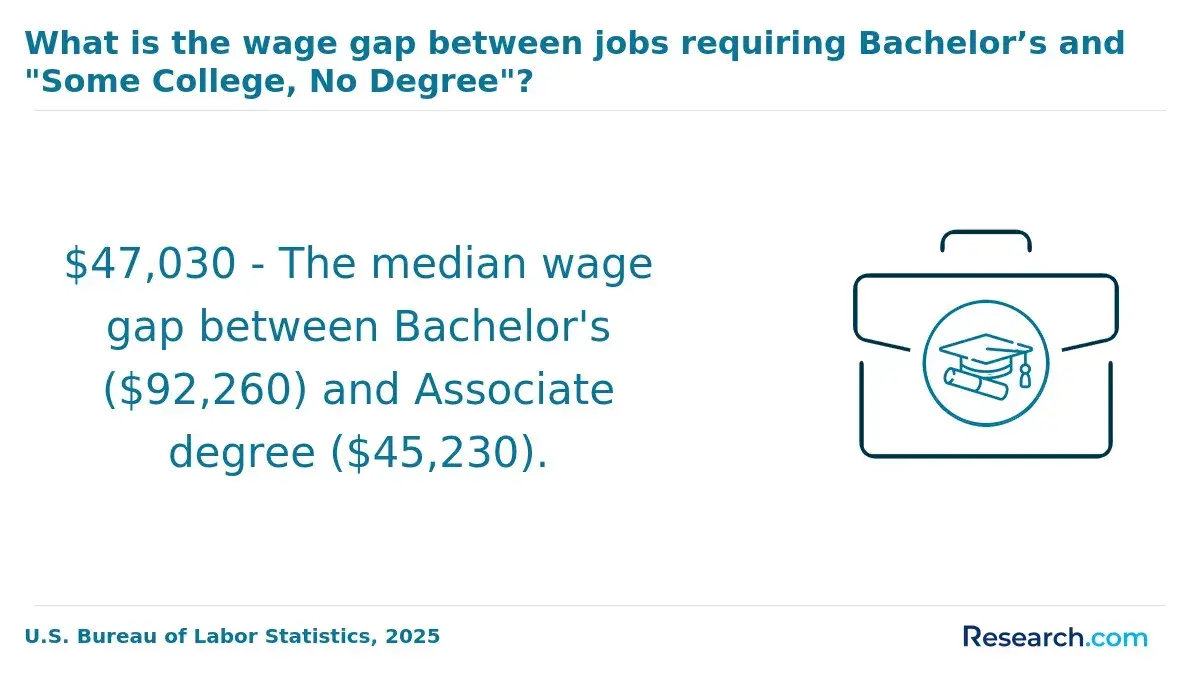
Associate degrees, costing $10,000 to $25,000 and typically lasting 2 years, attract entry-level candidates favoring structured curricula within community colleges. Bachelor's degrees demand a significantly larger investment-$40,000 to $120,000 over 4 years-and suit those targeting mid- to senior-level roles requiring strategic expertise.
Employers increasingly value proficiency in learning and development analytics, with firms applying data-driven approaches seeing over double the performance improvement. This trend elevates the importance of integrating analytics and evaluation in program selection.
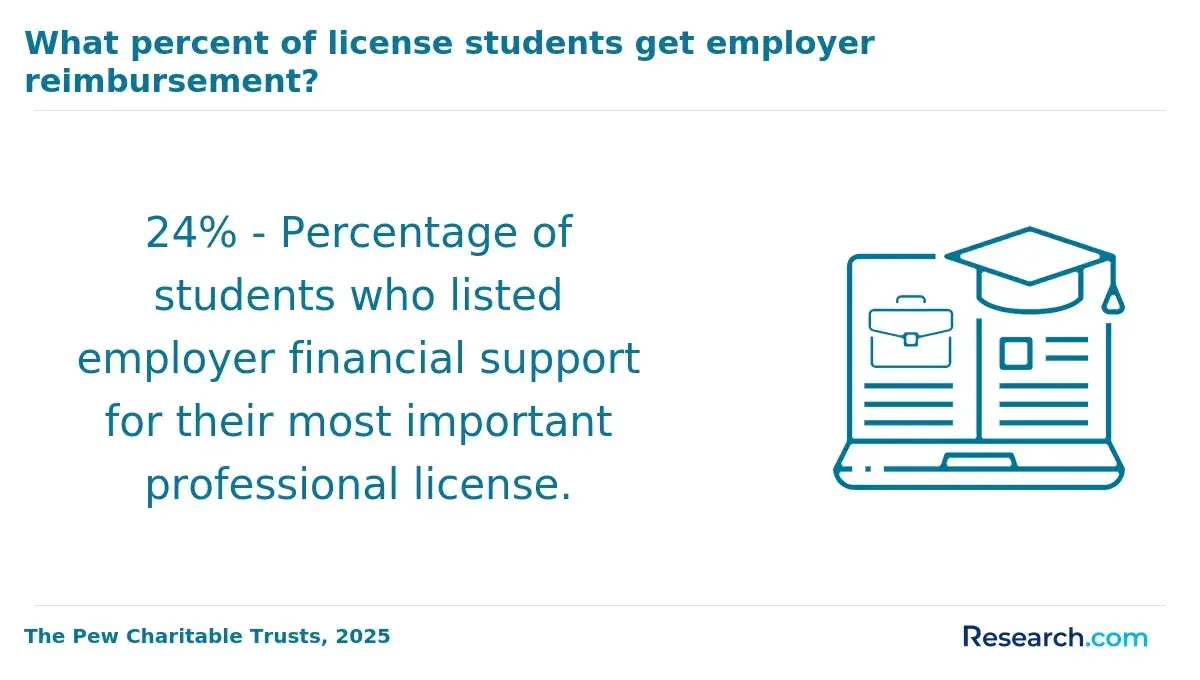
Online and hybrid formats extend program length, but offer flexibility for full-time workers. For example, manufacturing HR staff may prioritize bachelor's degrees despite higher costs to access organizational development roles unavailable to certificate holders. Financial aid and employer tuition reimbursement can mitigate upfront expenses, but opportunity costs related to time off work and salary delays remain significant considerations.
Decisions about upskilling or pivoting require a clear-eyed view of these tradeoffs, factoring affordability, time commitment, and market demand rather than credentials alone.
Which accreditations and quality standards should training and development HR programs meet?
Accreditation in training and development HR programs directly affects employability by signaling competency in needs analysis, instructional design, and outcome measurement-skills employers prioritize in sectors like healthcare or technology. Programs without credentials from bodies like SHRM, ATD, CHEA, or regional accreditors often limit graduates' access to competitive roles, particularly those requiring measurable impact on workforce performance.
Effective programs integrate evidence-based DEI training frameworks aligned with leadership development, moving beyond superficial diversity awareness to tie outcomes to inclusive management effectiveness. For example, organizations with ethnically diverse leadership reportedly outperform peers by 36%, reflecting tangible business advantages that certified HR trainers should be prepared to support.
Core program features should include real-time, project-based assessments simulating workplace challenges and compliance with ISO 21001 standards, helping trainees translate theory into scalable strategies within complex organizations. Mid-career professionals pivoting into HR training roles need continuing education units (CEUs) recognized for credential maintenance; this combination of instructional expertise and strategic acumen prevents gaps often seen in theory-only approaches.
Prioritizing programs that balance academic rigor and practical applicability mitigates risk when investing time and resources. Without this balance, candidates may struggle to meet employer expectations for both execution and leadership in workforce development.
What certifications support a training and development career within human resource management?
Certifications like Certified Professional in Learning and Performance (CPLP) and Associate Professional in Talent Development (APTD) distinguish professionals able to design, deliver, and evaluate learning programs aligned with corporate goals. With global corporate training spending exceeding $100 billion and external providers often eclipsing internal budgets, mastery over learning technologies and performance improvement translates into strategic roles, notably in regulated sectors such as healthcare and technology.
For those targeting extensive workforce development, the SHRM Certified Professional (SHRM-CP) offers critical validation in integrating employee development with workforce planning. However, the challenge is balancing modular testing requirements and renewal costs with ongoing job duties - an important consideration as employers increasingly prioritize certifications demonstrating clear return on investment.
The Certified Professional in Training Management (CPTM) certification addresses managerial demands over training budgets and vendor relations, reflecting the industry shift toward outsourcing. Its practical value hinges on managing contract negotiations and evaluating vendor effectiveness, but candidates must weigh this against variable training budgets influenced by sector and employer size.
Deciding which credential to pursue involves assessing role specificity, industry demands, and vendor interaction scope, ensuring competencies align with employer expectations rather than simply accumulating credentials.
How can you choose a reputable HR school for a training and development specialization?
Effective evaluation of hr schools for training and development specialization requires assessing outcomes that directly impact employability and practical skill relevance. Graduation rates and job placement metrics provide critical insight, revealing whether graduates consistently enter L&D or comparable workforce roles.
Programs that embed AI, automation, and data analytics into their curriculum are increasingly important, given projections that by 2027, 60% of workers will need new training and 6 in 10 employees will require reskilling or upskilling to adapt to technological shifts.
Consider how well a program connects theoretical knowledge with real-world application, such as offering experiential learning via partnerships with sectors like healthcare or manufacturing. For instance, healthcare demands urgent upskilling in digital records, markedly different from retail's customer engagement focus, illustrating the need for tailored L&D competencies.
Regular curriculum updates aligned with labor market trends reported by government or research organizations indicate responsiveness to workforce changes.
Key tradeoffs include delivery format flexibility-essential for working professionals balancing education with job demands-and the school's accreditation status, which can influence employer recognition and hiring preferences. Costs should be weighed against return on investment, as robust employer networks often translate into faster career advancement and relevancy in an automation-driven labor market.
Other Things You Should Know About Human Resource Management
They should learn learning management systems, HR information systems, and basic data analysis tools first. Common platforms include SAP SuccessFactors, Workday Learning, and Cornerstone OnDemand. These tools help HR teams track course completion, build reports, and measure training outcomes against competency goals.
Employers prioritize candidates who demonstrate both instructional design capabilities and a solid understanding of adult learning principles, especially those who can measure training impact through data. Candidates with certifications or practical experience in e-learning technologies tend to have an edge, reflecting the digital shift in corporate training. Therefore, job seekers should focus on developing measurable skills and tech proficiency alongside their HR knowledge to align with employer expectations.
A broad HR degree with a training specialization offers comprehensive career flexibility and foundational knowledge, which employers value for leadership tracks. In contrast, specialized certificates can accelerate entry into training roles but may limit advancement opportunities in broader HR fields. For long-term growth, professionals should prioritize degree programs that provide a balance of general HR knowledge and focused training expertise rather than standalone certificates.
References
- HR Management Training Program: Complete 2026 Guide https://learnerring.com/blog/hr-management-training-program-complete-guide/
- the-difference-between-training-and-development https://www.seismic.com/enablement-explainers/the-difference-between-training-and-development/
- Boost Your HR Career with These Leading Talent Management Certifications - CertLibrary Blog https://www.certlibrary.com/blog/boost-your-hr-career-with-these-leading-talent-management-certifications/
- what courses are required for hr - A comprehensive guide https://www.bmc.net/blog/general-blog-posts/what-courses-are-required-for-hr
- Individual HR Certifications | Advance Your HR Career https://www.hrci.org/certifications/individual-certifications
- Training and Development in HR | Rome Business School https://romebusinessschool.com/blog/how-important-is-training-and-development-in-human-resources/
- The Importance of Accreditation for Training and Development Departments https://www.qahe.org/article/the-importance-of-accreditation-for-training-and-development-departments/
- A Guide to the Human Resources Career Path https://www.galwaybusinessschool.ie/blog/a-guide-to-the-human-resources-career-path/
- Should I Get My Bachelor's Degree in HR Management Online? | CSU Global https://csuglobal.edu/blog/should-i-get-bachelors-degree-human-resources-online
- What Degree Might You Need to Pursue an HR Career Path? The Requirements to Know https://www.trident.edu/what-degree-do-you-need-for-hr-requirements-to-know/