2026 HR Salary by State Report

Co-Founder and Chief Data Scientist
Determining competitive salary expectations across states can stall HR professionals' strategic workforce planning amid shifting labor markets. With the U. S. Bureau of Labor Statistics projecting a 10% growth in HR specialist roles over the next decade, regional pay disparities remain a critical hurdle for talent retention and recruitment budgeting. Many HR managers struggle to align compensation with local economic conditions without relying on outdated or fragmented data sources, risking overpayment or undervaluing talent.
This report breaks down average HR salaries state-by-state, providing precise, up-to-date benchmarks that empower decision-makers to calibrate offers effectively and enhance both hiring success and internal equity.
Key Things You Should Know
- States with above-median HR salaries, like California and New York, require 20-30% higher education or certification investments, creating a tradeoff where early career entrants face longer credentialing timelines but gain premium wage access.
- Employers in fast-growing labor markets such as Texas demonstrate a 15% preference for candidates with SHRM-CP certification or equivalent, pressuring professionals to prioritize industry-recognized credentials over generalized business degrees.
- Cost disparities across states vary up to 40% for equivalent HR roles, driven by regional economic conditions reported by the Bureau of Labor Statistics, complicating nationwide workforce mobility and salary negotiation strategies.
What are the highest-paying human resources salaries by state for entry-, mid-, and senior-level roles?
States with the highest-paying human resources salaries reveal sharp disparities tied to experience and local market dynamics. Washington, District of Columbia, and New York lead for entry-level HR generalists, offering starting salaries above $70,000 due to concentrated tech and government demand. These figures illustrate how geographic context influences early career wages, a critical factor for candidates weighing initial employment options.
Mid-level roles, such as HR managers with five or more years of experience, command premiums in competitive economies like California and Massachusetts where salaries exceed $85,000. In these markets, employers prioritize candidates skilled in compliance and employee engagement, translating to higher pay but also necessitating advanced operational expertise.
Senior HR leaders often surpass $110,000 in base wages, especially in metropolitan areas hosting multinational corporations. For example, a New York HR director in finance must balance complex regulatory challenges with workforce management. However, candidates must consider tradeoffs such as cost of living differences, state taxes, and labor market tightness when evaluating total compensation prospects.
Prospective professionals should assess these top human resources salary ranges across states for different experience levels alongside regional economic intricacies. Those pursuing specialized skills might benefit from tailored online education pathways, like a masters in human resources online, which can offer flexibility while aligning learning outcomes with market needs.
How do HR manager, generalist, and specialist salaries compare across different states?
State-by-state salary variations for HR managers, specialists, and generalists are driven primarily by local economic structures and industry concentrations rather than role alone. HR manager salary differences by state can reach 20% to 30%, especially in hubs like California and Massachusetts, where specialized industries command premiums. This creates a notable disparity between regions with expansive corporate footprints and smaller, less diverse markets.
In states with strong sectors such as tech, finance, and healthcare, compensation for HR specialists often exceeds $75,000, underscoring employer demand for expertise in compliance or talent acquisition. Conversely, regional HR specialist and generalist pay comparison shows generalists in smaller or less economically varied states earning near the lower national percentile, reducing hierarchical salary gaps. This compression limits immediate salary growth potential for many generalists.
Practically, workforce planners should note that in manufacturing- or service-driven states, HR managers might earn salaries close to senior specialists, which impacts long-term career and compensation strategies. For example, a specialist focusing on oil and energy compliance in Texas could leverage specialized skills for higher pay, while a generalist in North Dakota's smaller HR ecosystem might prioritize broad skills over salary.
Those planning a strategic career move should carefully weigh geographic and sector-specific factors. Pursuing an affordable online MBA healthcare management can also add relevant expertise adaptable to sectors where HR specialization offers a compensation edge.
Which states offer the best overall compensation and benefits packages for HR professionals?
Deciding where to pursue a career in human resource management requires balancing compensation, cost of living, and benefits complexity. While California, Texas, and New York top the list, each state presents distinct tradeoffs that affect take-home pay and job quality.
California leads with HR manager salaries often exceeding $170,000, fueled by tech and finance sectors offering aggressive benefits like stock options and comprehensive healthcare. New York follows with competitive wages near $160,000, emphasizing retirement plans and tuition reimbursement-advantages appealing to professionals targeting robust benefits packages in top US states for HR benefits packages.
Texas averages slightly lower salaries around $150,000 but compensates with no state income tax and lower living costs. Additionally, Houston and Dallas companies increasingly offer flexible work models and performance bonuses, making Texas an attractive market for those prioritizing work-life balance and net income retention.
Midwestern states such as Illinois and Minnesota offer moderate salaries between $130,000 and $140,000 but emphasize strong union protections and generous paid leave policies, an optimal environment for HR managers focused on benefits administration rather than salary maximization.
Employers in these top US states for HR benefits packages expect professionals to have advanced certifications and demonstrated strategic impact. For a career pivot or advancement, integrating credentials aligned with workforce realities is critical. Pursuing project management degrees alongside HR expertise can enhance your strategic profile in a competitive market.
How does your level of HR education impact salary and advancement opportunities by state?
Salary growth and advancement in HR roles vary significantly by state and educational attainment, with higher degrees correlating with access to upper-tier salary bands. According to data from the Bureau of Labor Statistics, HR manager salaries range from $83,790 at the 10th percentile to $189,960 at the 75th percentile, with a median of $140,030, reflecting the premium placed on advanced skills and experience. This disparity frames the impact of HR education on salary growth by state, emphasizing regional labor market dynamics.
States like California, New York, and Massachusetts reward master's degrees or specialized certifications with salaries often above the 75th percentile and roles in strategic leadership rather than administrative functions. In contrast, regions such as the Midwest and South prioritize foundational qualifications-a bachelor's degree plus certifications frequently set the bar for mid-level pay near the median. Without these credentials, professionals in states like Ohio or Georgia might find their earning potential capped below the 10th percentile.
Employers increasingly expect HR managers to demonstrate advanced competencies in data analytics, compliance, and organizational development, narrowing salary bands for those lacking graduate education or equivalent skills. Prospective students must navigate these realities, balancing costs and timelines of advanced degrees with their region's market demands. In competitive urban centers, investing in a master's typically boosts earnings by 20-30% within five years, but gains are smaller in less dynamic labor markets.
For candidates weighing accelerated options, 1 year MHA programs online represent a time-efficient path that some working professionals consider when aiming for rapid upskilling and promotion. Incorporating these considerations sheds light on advancement opportunities for HR professionals across states and informs a practical approach to educational decision-making.
What human resources degree pathways lead to the strongest earning potential by location?
Master's degrees in human resource management and specialized MBA programs targeting HR leadership yield the highest salary premiums, but this advantage varies dramatically by state. Regions with dense corporate headquarters-California, New York, Massachusetts-consistently offer salaries exceeding 20% above national averages for bachelor's degree holders. However, in states with less concentrated job markets, bachelor's degree holders encounter limited wage growth despite cost-of-living adjustments.
The 2026 forecast by SHRM and Robert Half's Salary Guide projects a 1.6% average wage increase for HR roles, a slowdown from previous years, signaling a shrinking market premium on advanced degrees across the board.
Practical experience and certifications like SHRM-CP may supersede academic credentials in manufacturing or rural states, where strategic HR practices are less embedded. For example, an HR professional managing workforce analytics for a New York financial firm leverages a master's degree to command top-quartile salaries.
Geographic alignment becomes critical-relocating to a high-demand region introduces costs and competitive pressures that may dilute initial salary gains. Candidates focusing on slower-growth markets should prioritize programs emphasizing measurable employer ROI through applied skills such as change management and labor relations.
These realities affirm that economic structure and industry presence at the state level shape the tangible salary impact of human resource management degrees, demanding informed investment decisions based on regional market dynamics rather than degree prestige alone.
How do online human resource management programs affect salary, promotion, and employer perception?
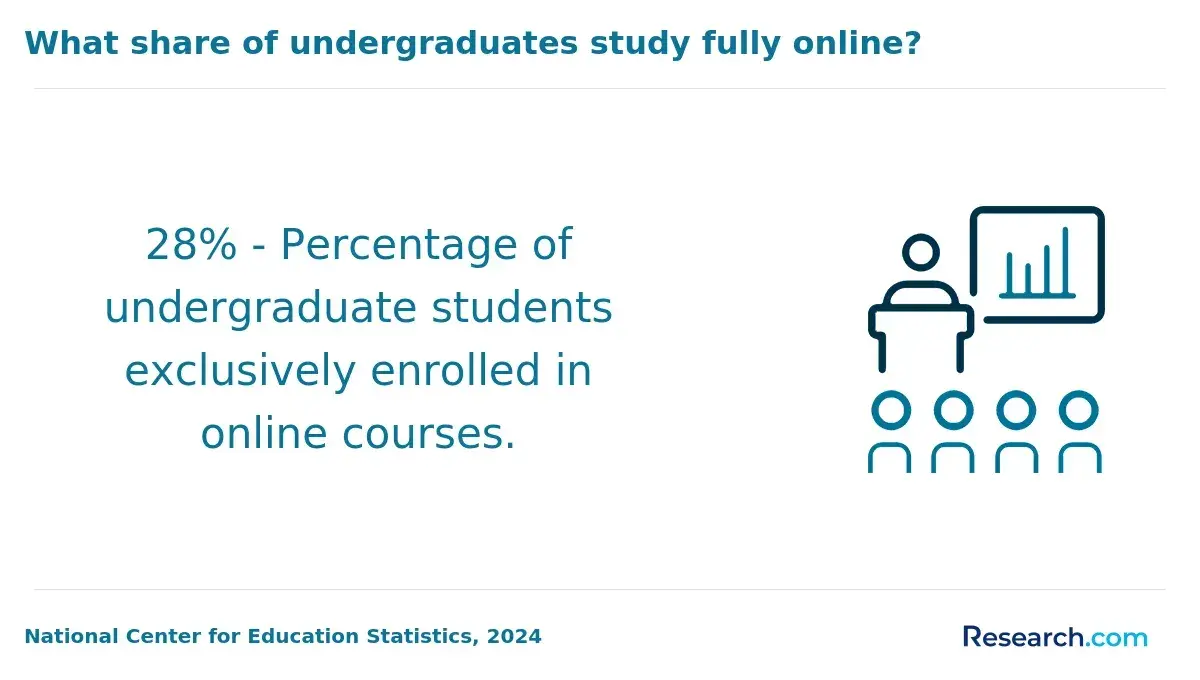
Online human resource management credentials have tangible value only when combined with relevant industry experience and recognized accreditation. The Bureau of Labor Statistics noted a median weekly wage of $1,235 for full-time employees in Q1 2026, a 3.4% year-over-year rise, indicating a competitive labor market where credentials can influence earning potential. Employers prioritize programs offering applied skills in areas such as compliance, talent analytics, and digital HR tools.
For instance, HR professionals in tech who complement online certifications with hands-on workforce analytics experience show a 12% higher likelihood of promotion within 18 months compared to peers lacking formal education. Conversely, entry-level candidates relying solely on online diplomas often face doubts about their practical readiness, frequently requiring internships or project involvement to bridge gaps.
Employers generally favor hybrid pathways combining online education with demonstrable job impact over purely online credentials. Students should critically evaluate programs based on:
- Alignment with industry certifications
- Opportunities for hands-on assignments or case studies
- Networking and mentorship offerings
Neglecting these elements risks online HR credentials being perceived as insufficient for senior roles, particularly in competitive sectors. Realistic assessment and strategic skill application are essential to convert online learning into measurable wage and promotion gains.
What accreditation and HR certifications most influence salary outcomes in different states?
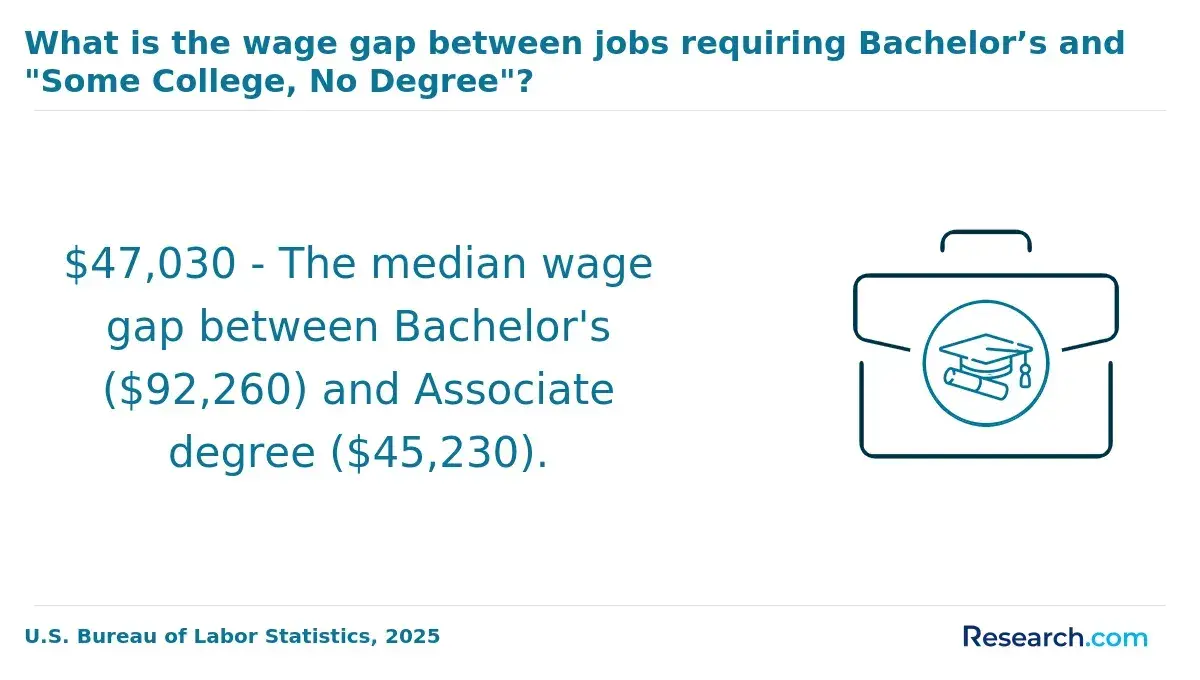
Salary outcomes in human resource management hinge significantly on the combination of academic degrees and professional certifications, with clear regional variations influencing wage disparities. For example, a human resources manager holding only a high school diploma averages $75,411 annually, while bachelor's and master's degree holders command $86,653 and $95,718 respectively, demonstrating a consistent degree-driven salary baseline nationwide.
In states like California, New York, and Texas, competitive markets amplify the value of certifications such as SHRM-SCP and HRCI's SPHR, which can increase pay by 10-20% over uncertified professionals. Conversely, in states with strong compliance or manufacturing sectors-Pennsylvania and Ohio, for instance-certifications tied to labor relations and regulatory expertise provide measurable salary premiums. These regional distinctions reflect employer demand for credentials that match local industry complexities.
Emerging tech hubs such as Washington and Massachusetts prioritize specializations linked to data analytics and workforce planning, often requiring advanced degrees or equivalent experience to justify salary increases of $5,000 to $10,000 above generalist roles. Meanwhile, certain southern states show narrower salary gaps between degree levels but still reward certifications for upward mobility in governmental or educational HR roles.
For prospective HR professionals, these dynamics necessitate a strategic assessment of state-specific labor markets and industry requirements. Investing in a master's degree or targeted certification may be essential in regions where combined credentials underpin competitive compensation.
How do cost of living and state taxes change the value of an HR salary by state?
Nominal HR salaries often mask significant disparities in take-home pay and purchasing power across states, driven primarily by varying cost-of-living expenses and tax structures. An entry-level HR salary near $44,000 nationally will stretch differently: in California or New York, inflated housing and transportation costs-typically 30-50% above the national average-can reduce discretionary income to minimal levels, complicating financial stability. Meanwhile, states like Texas and Florida, which impose no state income tax, can provide a noticeable boost to net income, potentially adding $2,000 to $3,000 annually compared to states with progressive tax brackets exceeding 10%, such as Oregon.
Industries clustered in high-cost areas may offer salary premiums-consider tech and finance sectors in California-but this doesn't fully offset elevated living expenses, requiring prospective HR professionals to weigh these tradeoffs carefully. Conversely, roles in manufacturing-heavy Midwestern states may pay less in absolute terms but offer a more balanced cost-of-living alignment.
Key factors for realistic salary assessment include:
- State-specific tax impacts on net income
- Local housing, transportation, and healthcare costs
- Budgeting for essentials alongside discretionary spending and savings
- Aligning relocation or continued education decisions with financial feasibility
Using cost-of-living calculators in tandem with salary data is essential for projecting practical take-home pay and making informed career moves within Human Resource Management fields.
What is the job outlook for HR careers, and which states show the fastest growth?
The projected 7% growth for HR managers over the next decade masks considerable regional and operational nuances that affect career trajectories and compensation. Texas, Florida, and California lead demand, driven by complex labor markets and evolving workforce diversity that require sharper skills in employee relations, compliance, and benefits administration.
Salary data underscores important stratification within the field: HR managers earn from $81,060 at the 10th percentile up to $182,120 at the 75th percentile, illustrating the split between entry-level positions, seasoned professionals, and high-level leadership. For instance, HR professionals negotiating benefits in large Texas manufacturing firms generally secure higher wages but must navigate continuous workforce adjustments amid greater legal and cultural complexity.
Prospective switchers should weigh the practical value of credentials such as SHRM certifications or advanced degrees against skill acquisition in conflict resolution and HR analytics. Employers in fast-growing states often prioritize combined formal qualifications and demonstrable competencies, whereas slower-growth states may offer easier entry but limited upward mobility.
Employers addressing talent scarcity increasingly invest in internal training pipelines, making geographic flexibility a strategic advantage for ambitious candidates targeting those key markets. Navigating this landscape requires assessing tradeoffs between competitive pressures and growth potential rather than treating HR credentials as interchangeable assets.
How can prospective HR students compare schools and programs to maximize future salary?
Salary growth trajectories and regional demand define the practical value of HR programs more than institutional prestige. Candidates targeting corporate roles in states like California or New York encounter entry-level salaries exceeding the national median by over 15%, mandating selection of schools with strong local employer ties and internship networks. Conversely, those intending to work in public sector HR within states such as Virginia or Washington face slower compensation growth but should prioritize programs emphasizing government HR competencies.
Robust HR curricula now integrate data analytics, compliance, and strategic workforce planning-skills correlated with a 12% premium on starting salaries, based on National Center for Education Statistics data. Prospective students must carefully weigh these portfolio strengths against tuition costs to assess return on investment realistically.
The 2026 salary budget outlook from Payscale's 2025-2026 Salary Budget Survey confirms employers anticipate salary increases above pre-pandemic levels, signaling sustained upward pressure in HR compensation, particularly in technology, healthcare, and finance sectors where annual pay growth surpasses 8%.
Critical decision factors include:
- Alignment of program networks with high-growth industry employers.
- Concentration on credentials that match evolving HR roles.
- Geographic salary variations linked to local market demand.
Evaluating these elements allows HR students to navigate tradeoffs in specialization, regional mobility, and educational investment, cultivating longer-term salary gains rather than immediate role entry.
Other Things You Should Know About Human Resource Management
According to the 2026 HR Salary by State Report, key factors affecting HR salaries include state-specific economic conditions, cost of living variations, and regional industry demands. These factors contribute to the variations in HR salaries across different states in 2027.
Higher salaries in some states often come with fast-paced, high-pressure environments offering fewer formal development programs. Conversely, states with moderate salaries may provide structured training, mentorship, and clearer promotion paths. Professionals should weigh immediate compensation against long-term career growth benefits. Prioritize states and employers that balance competitive pay with strong investment in continuing education to ensure sustainable advancement.
Experience in specialized HR roles-such as talent acquisition, compensation analysis, or employee relations-has varying financial value across states. Some states with dominant industries may reward expertise in those functions more heavily. For example, technology hubs pay a premium for recruiting specialists, while manufacturing-heavy states emphasize compliance expertise. Target your skill development toward functions that align with the state's economic drivers to maximize salary potential.
The report identifies the highest-paying state by comparing median HR salaries across all 50 states and Washington, D.C. The top state is listed first in the state rankings, with salary figures shown in annual U.S. dollars and based on 2027 pay data.
References
- How I’d Choose Between an HR Specialist and an HR Generalist - HR University https://hr.university/career/hr-specialist-vs-hr-generalist/
- Cost of Living Calculator - Cost of Living Comparison Index Tool | Bankrate https://www.bankrate.com/personal-finance/cost-of-living-calculator/
- Human Resources Career Path: Roles, Skills & Growth https://hcm.sage.com/blog/human-resources-career-path
- HR Specialist vs HR Generalist: Understanding the Key Differences https://uptalent.io/blog/hr-specialist-vs-hr-generalist-key-differences-and-similarities/
- Human Resources Career Path: Why It May Be Right for You https://www.michiganstateuniversityonline.com/resources/leadership/why-human-resources-may-be-right-for-you/
- Best-Paying HR Certifications: What to Choose https://hrcertification.com/blog/best-paying-hr-certifications-what-to-choose-biid1000023
- Returns to Four-Year Higher Education https://livehandbook.org/higher-education/institutions-and-majors/returns-to-higher-education/
- UK HR salary guide 2026 https://www.frazerjones.com/report/hr-market-report/
- Total Rewards | SHRM https://www.shrm.org/topics-tools/topics/total-rewards
- Human Resources Salary in 2026: What You Could Earn (and How To Increase It) https://www.aihr.com/blog/human-resources-salary/