2026 Best States for HR Career Growth

Co-Founder and Chief Data Scientist
Choosing the optimal state for advancing a career in human resource management can make or break long-term professional outcomes amid shifting labor markets. While 63% of HR professionals now work remotely at least part-time, according to the U. S. Bureau of Labor Statistics, geographic location still significantly impacts access to network-rich environments, regional employer demand, and program availability for necessary credentialing or graduate degrees.
Many face a stark tradeoff between affordable education options and market proximity to high-growth industries offering upward mobility. This article evaluates states based on economic trends, workforce needs, and educational infrastructure to guide HR professionals and students in making informed career growth decisions aligned with their goals.
Key Things You Should Know
- States with highest HR role growth-like Texas and Florida reporting 15%+ BLS 2024 projections-entail competitive tradeoffs: accelerated local credential demands risk excluding national certifications favored elsewhere.
- Employers in states with dense tech hubs emphasize data analytics proficiency in HR candidates, pressuring workers to upskill rapidly or face wage stagnation, per SHRM's 2024 workforce survey.
- Cost barriers in Northeast states inflate HR graduate debt 20% above national average, delaying mid-career salary gains and extending time-to-promotion by up to 18 months, according to recent NCES financial aid data.
What are the best states for HR career growth?
States leading in hr career advancement combine economic diversity with high employer demand and a significant presence of corporate headquarters or institutions. California, Texas, and New York top the list due to their expansive labor markets and sector variety-tech, healthcare, and finance among them. For example, Silicon Valley in California demands HR professionals adept at recruiting for innovative industries, whereas Texas's rapid population growth drives hiring in energy and healthcare.
The U.S. Bureau of Labor Statistics projects a 5% growth in employment for human resources managers from 2024 to 2034, generating around 15,500 annual openings. Persistent job growth in metropolitan hubs and corporate relocations creates steady hiring needs, crucial for HR specialists aiming to navigate top regions for hr job growth. However, salary and cost-of-living tradeoffs complicate relocation decisions: New York's higher wages often offset lower purchasing power versus more affordable states like Texas or Florida.
Industry concentration and networking differ by state, influencing HR roles. For instance, Ohio's manufacturing focus requires expertise in union relations, while Oklahoma's energy sector demands specific compliance knowledge. Aligning local labor market traits with personal skills is vital.
For professionals seeking advanced credentials, exploring the cheapest online doctorate in organizational leadership can be a strategic move, balancing educational investment against long-term career outcomes.
Which states offer the highest HR salaries?
New Jersey commands the highest annual mean salary for human resource managers at $194,930, about 34% above the national average of $145,770. This wage premium makes the state a prime target for professionals prioritizing income growth in the field. However, relocating for these top US states for HR salary growth involves nuanced tradeoffs beyond salary alone, including higher housing costs and credential transfer complexities.
States like California, Massachusetts, and Washington also offer salaries 15% to 25% above national averages but present varied industry concentrations and cost-of-living pressures. For example, Massachusetts' healthcare and technology sectors reward HR specialists but also heighten competition for roles.
Midwestern manufacturing hubs provide steadier demand with lower wage ceilings, illustrating a common tradeoff: salary potential versus job stability and regional market health. Candidates focusing solely on the highest paying states for HR jobs may overlook how industry clustering and professional requirements influence hiring and advancement opportunities.
Effective geographic and educational decisions require weighing starting salary against mid-career growth and sector-specific demand. Additionally, professionals seeking specialized knowledge might consider online MBA programs healthcare management to enhance credentials without relocation, offering flexibility to balance wage growth with personal circumstances.
Which states have the strongest HR job outlook?
Texas stands out as the strongest state for HR career growth, fueled by an influx of over 37,000 jobs in sectors tightly linked to human resource demands, such as professional, scientific, and technical services. This rapid expansion highlights the need for HR generalists who can navigate a fast-evolving tech and services workforce, balancing diverse talent needs with competitive market dynamics.
By contrast, states like California, Florida, and New York offer substantial opportunities but pose distinct operational challenges due to their economic landscapes and industry focuses.
California's elevated cost of living and complex regulatory environment require HR professionals to possess advanced compliance skills and compensation strategy expertise, while Florida demands proficiency in managing seasonal labor fluctuations in fields like hospitality and healthcare. For new entrants into HR, prioritizing states with robust absolute job growth and sectors resilient to automation is critical. This practical approach ensures both immediate employment prospects and mid-term wage sustainability.
Making relocation or job changes involves assessing local labor market volatility, cost-of-living variations, and employer credential expectations such as SHRM certification or advanced degrees. Those targeting state-specific industries should align career paths accordingly to maintain relevance.
For individuals considering education options to facilitate this strategic HR pivot, exploring the best online project management degree can complement Human Resource Management skills by enhancing project coordination expertise applicable in varied organizational contexts.
What education do HR careers typically require?
The baseline for employment in human resource management remains a bachelor's degree in HR management, business administration, or a related discipline. Employers consistently seek candidates with a solid grasp of labor law, organizational behavior, and compensation structures-subjects emphasized in accredited undergraduate programs. This focus reflects practical workforce demands, as employment for human resources specialists is expected to grow 6% from 2024 to 2034, generating roughly 78,000 openings annually.
This projection highlights the ongoing value of the degree for securing entry-level positions in a competitive job market and identifies the best states for human resource management education as crucial decision points for students seeking strong regional employment outcomes.
Supplemental credentials like SHRM-CP or PHR certifications enhance qualifications but cannot replace foundational academic training. Specialized knowledge becomes critical when moving into sectors such as healthcare, where compliance with medical labor laws and confidentiality rules demands additional coursework beyond typical business degrees. Technical fields similarly require familiarity with organizational psychology and analytics to effectively manage recruitment technologies and applicant tracking systems (ATS).
Employers also heavily weigh internships and relevant work experience, making them a vital complement to formal education. Candidates lacking a bachelor's degree generally face restricted upward mobility due to the legal and ethical complexities embedded in degree programs. Practical skills gained through applied projects-conflict resolution, ATS management, and regulatory compliance-drive job readiness directly aligned with employer expectations.
For students comparing programs, prioritizing accredited degrees that integrate specialized human resource management training with internship opportunities offers tangible advantages. Evaluating such programs against labor market realities and educational costs is essential. For interdisciplinary insights, consider exploring the best CAHIIM accredited him programs online as a model for accreditation and specialized curriculum structures relevant to workforce alignment.
Is an HR degree better online or on campus?
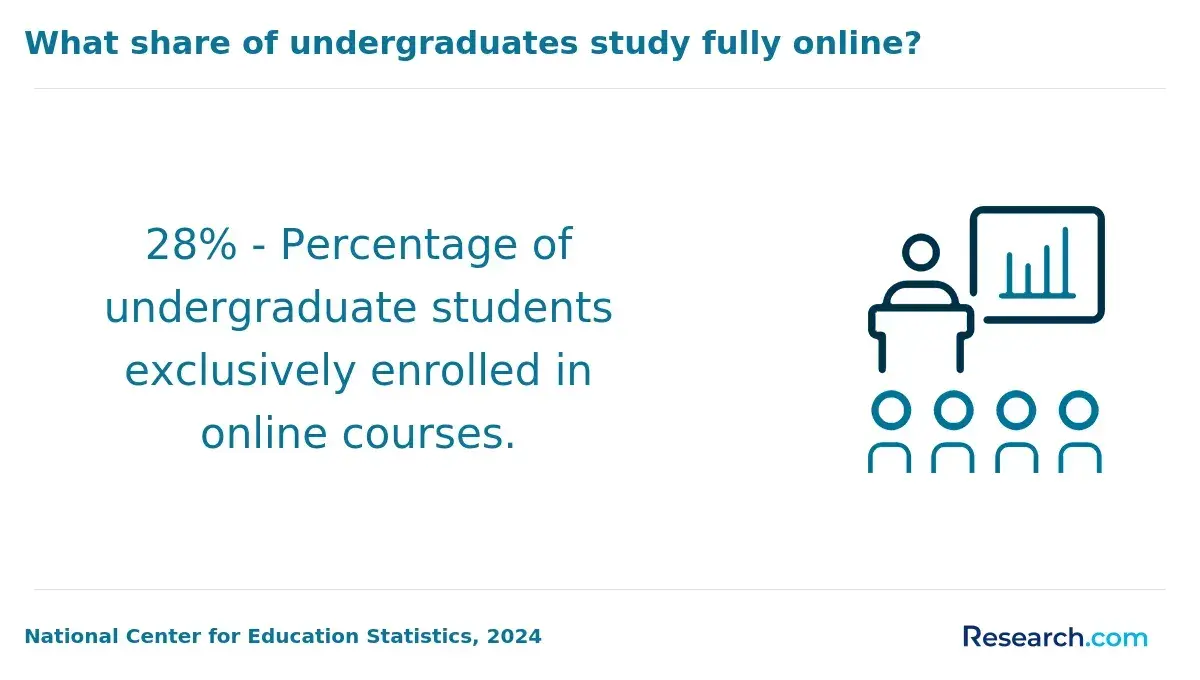
The value of an hr degree depends more on program quality, relevant experience, and employer recognition than on whether it is earned online or on campus. On-campus programs often better serve early-career professionals needing immersive environments conducive to honing negotiation and conflict resolution skills through in-person mentorship, especially in sectors like healthcare or manufacturing where face-to-face interaction is critical.
In contrast, online programs offer flexibility essential for working professionals balancing full-time employment while pursuing advancement or career shifts. Programs that pair synchronous classes with established university credentials help maintain rigorous standards and employer trust.
Cost and regional labor market factors significantly influence decision-making. For example, Oklahoma has approximately 13% lower living costs than the national average with wages around 4-5% below the U.S. mean for business-related roles, providing a real-income advantage for those attending campus-based programs locally. Online study avoids relocation expenses and lets students leverage such regional wage disparities from any location.
The key tradeoff involves weighing local networking opportunities in high-growth HR markets against the flexibility and income continuity that online pathways allow.
Employers prioritize demonstrated competencies-applied projects, certifications, and internships-over course delivery format. Leadership aspirants should seek programs that integrate practical experiences, more accessible in on-campus settings but increasingly simulated online. Ultimately, the optimal path aligns with individual resource availability, desired experiential learning, and regional employment dynamics.
What HR courses do degree programs include?
Human resource management degree programs must balance foundational legal and talent acquisition knowledge with specialized practical training that aligns directly with employment outcomes. Core courses generally cover employment law, compensation strategies, and organizational behavior, but their real-world value hinges on integrating tools like HR information systems (HRIS) and workforce analytics. Graduates lacking experience with digital HR platforms often face obstacles in recruitment roles increasingly driven by data and automation.
Specializations such as labor relations and diversity training matter significantly in sectors like healthcare or manufacturing, where union negotiations or inclusion initiatives influence operational success. For example, healthcare HR professionals require thorough understanding of sector-specific labor laws, contrasting with tech-oriented HR roles that prioritize employer branding and talent metrics.
The geographic concentration of remote HR jobs-nearly 60% clustered in ten states including California and Texas-has prompted curricula to incorporate training in virtual onboarding and remote team management. Without these competencies, candidates struggle to compete in markets adapting to hybrid work environments.
Prospective students should carefully assess whether programs offer experiential learning and compliance specialization relevant to their target industry and state. Foregoing these elements can restrict employability in competitive markets, making tailored curricular alignment a critical factor for strategic educational investment.
What admissions requirements do HR programs use?
Admission frameworks for human resource management programs reflect evolving employer priorities that favor candidates with a blend of academic foundation and applicable experience. Bachelor's admissions are often straightforward, requiring a high school diploma or GED, with some leniency on standardized test scores. However, applicants presenting coursework in business-related disciplines or social sciences gain an edge, as employers increasingly value interdisciplinary understanding.
Graduate-level entry is more selective, commonly requesting a bachelor's degree paired with 1 to 3 years of relevant HR or related work experience to ground candidates in practical realities. Analytical rigor is frequently tested through GRE or GMAT submissions or offset by professional certifications such as SHRM or HRCI credentials. Additionally, programs often require a focused statement of purpose and letters of recommendation addressing leadership or analytical capabilities, reflecting employer demand for strategic and outcomes-driven HR skill sets.
For professionals pivoting into HR analytics-an area with national job postings climbing over 100% between 2019 and 2024-demonstrable proficiency with data tools and HRIS systems sometimes replaces traditional prerequisites, especially in key markets like California and New York. This creates a tradeoff between formal schooling and portfolio-backed hands-on experience, influencing employability depending on local market expectations.
Part-time and online formats frequently accommodate working professionals, though applicants should assess program requirements for practical projects or internships that validate data and people analytics skills essential for strategic roles. Verifying these experiential components often makes the difference in competitive hiring scenarios.
How long does an HR degree take to complete?
Choosing an HR degree timeline directly affects early career outcomes and employer perceptions. Completing a traditional four-year bachelor's program signals consistent engagement with foundational topics such as labor laws and talent acquisition, which employers tend to value. Accelerated degrees, while saving time, often sacrifice the depth of experiential learning critical for hands-on HR functions, especially in fast-evolving sectors like healthcare administration.
Part-time study or working while enrolled typically extends degree completion beyond four years, reflecting the tradeoff between immediate income and academic progression. Graduate Human Resource Management degrees, commonly pursued part-time or online, require an additional two years but may stretch to three or four, depending on scheduling flexibility and professional commitments.
Recognition through SHRM Academically Aligned programs across 40 states provides multiple regional choices that align curricula with certification requirements like SHRM-CP and SHRM-SCP. Students should weigh these programs' accreditation, timeline, and integration of practical experiences such as internships or cooperative education-elements that vary in importance by HR specialization and employer expectations.
- Bachelor's degrees: typically 4 years, can be 3 with acceleration or 5+ part-time
- Graduate degrees: 2 years full-time, 3-4 years part-time/online
- SHRM recognition signals alignment with professional certification readiness
- Program choice impacts early earnings and readiness for specialized roles
What certifications help HR career advancement?
The strategic value of certifications in human resource management hinges on their alignment with specific role expectations and industry dynamics. For HR professionals targeting leadership, selecting credentials like the SHRM-SCP or HRCI's SPHR signals readiness for strategic decision-making and business integration rather than just operational execution.
This distinction matters because employers increasingly differentiate candidates based on their ability to influence organizational direction beyond daily HR tasks.
Specialized certifications in diversity, equity, and inclusion have gained tangible market relevance, particularly in states with intensified DEI recruitment such as California, New York, Texas, and Washington. For example, a candidate with a Certified Diversity Executive credential stands out in competitive hiring, reflecting a measurable demand for DEI competence that cannot be overlooked.
The decision to pursue certification involves upfront investment-typically 2-3 years of experience plus over 100 hours of study, with ongoing recertification every three years. This requires candidates to weigh immediate workload impacts and long-term maintenance costs against potential salary gains or role eligibility.
Healthcare HR managers should note the premium on compliance-focused credentials, whereas tech-sector HR leaders benefit more from certifications emphasizing analytics and change management.
Pragmatically, candidates should verify employer preferences regionally because labor market conditions and regulatory environments shape local credential value. Higher demand does not uniformly translate to uniform preferences across companies, making targeted research critical before commitment.
How do you choose an accredited HR program?
Accreditation targeting SHRM or HRCI recognition often dictates whether an HR program equips graduates with skills valued by employers versus merely meeting academic standards. Regional accreditation assures baseline educational quality, but specialized accreditation signals alignment with workforce competencies essential for navigating compliance, diversity initiatives, and talent analytics.
This distinction matters especially in states like Utah, where HR employment is growing twice as fast as the national average, creating heightened demand for graduates with actionable expertise.
Programs must be evaluated for how well their curriculum matches local industry requirements, such as stronger compliance training for manufacturing versus hospitality sectors, and for clear post-graduation outcomes, including employment rates and employer partnerships. These factors directly influence internship availability and career pivot success.
Delivery format also matters: professionals balancing work and study benefit most from programs integrating practicum or capstone projects, which develop problem-solving skills required for strategic HR roles.
Finally, consider regional demographic and employment trends. Utah's population growth at 1.2% per year sustains HR function expansion and wage growth, reinforcing the advantage of selecting programs embedded in such labor markets. Prioritizing these practical elements in program choice ensures not just credential acquisition but the readiness demanded by evolving HR landscapes.
Other Things You Should Know About Human Resource Management
In 2027, states like Texas, California, and New York offer the best opportunities for HR career growth. These states have a diverse range of industries, a high demand for HR professionals, and are witnessing significant business expansions, creating numerous opportunities for advancement in the human resources field.
HR workload scales significantly with company size, as larger organizations demand more complex employee relations, regulatory compliance, and benefit administration. Urban locations with concentrated business hubs often increase expectations for strategic HR roles, including data analytics and talent management. Candidates should weigh the potential for longer hours and multitasking in smaller firms against more specialized roles with stricter deliverables in larger companies.
Early specialization risks narrowing future opportunities, especially in states with diverse job markets where flexible HR roles dominate. Developing strong generalist skills in recruitment, compliance, and employee relations provides a foundation adaptable across sectors. Once established, specialization in compensation, labor law, or training is most effective after gaining practical experience and clearer career direction, increasing employability and negotiating leverage.
SHRM-CP, SHRM-SCP, PHR, and SPHR are the main certifications employers recognize in high-growth HR markets. SHRM credentials come from the Society for Human Resource Management, while PHR and SPHR are issued by HRCI. Many employers prefer at least one of these for midlevel and senior HR roles.
References
- What do you learn in a bachelor's in human resource management? | edX https://www.edx.org/resources/what-do-you-learn-in-a-bachelors-in-human-resource-management
- What Degree Might You Need to Pursue an HR Career Path? The Requirements to Know https://www.trident.edu/what-degree-do-you-need-for-hr-requirements-to-know/
- Study Human Resource Management: All you need to know https://www.study.eu/article/study-human-resource-management-hrm
- what courses are required for hr - A comprehensive guide https://www.bmc.net/blog/general-blog-posts/what-courses-are-required-for-hr
- HR Career Paths with a Certificate | Advance Your HR Career https://hrcertification.com/blog/hr-career-paths-with-certificate-biid1000171
- Best Cities for Jobs in 2026 https://wallethub.com/edu/best-cities-for-jobs/2173
- Sales Comp That Pays Your Reps Right | Falcon Incentives https://falconincentives.com/blog/top-10-highest-paying-states-hr-professionals-2026
- CIPD | CIPD Accredited University HR Programmes https://www.cipd.org/en/learning/qualifications/cipd-accredited-university-programmes/
- Where Does HR Receive the Highest Salary? - Namely https://namely.com/blog/where-does-hr-receive-the-highest-salary/
- Connecticut Is Highest-Paying State for HR Professionals » CBIA https://www.cbia.com/news/hr-safety/connecticut-is-highest-paying-state-for-hr-professionals/