2026 Best Online Human Resource Management Programs for People-Focused Career Changers

Co-Founder and Chief Data Scientist
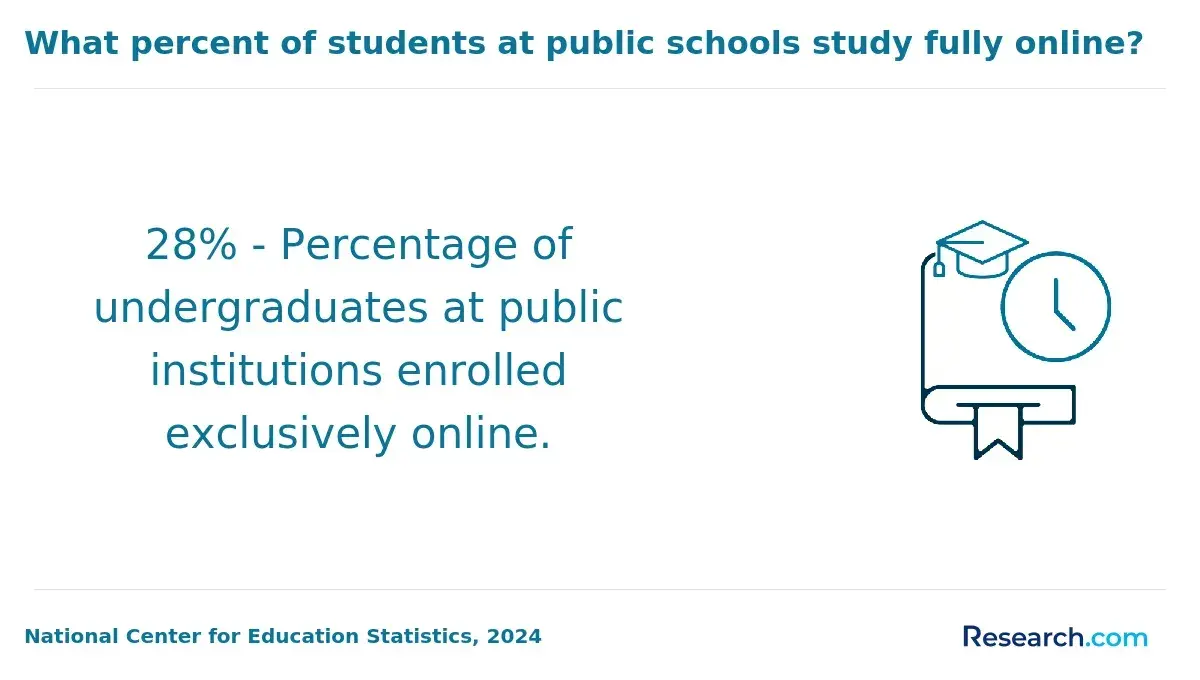
Many professionals aiming to switch into human resource management face a catch-22: securing relevant experience is essential to land roles, yet obtaining that experience often requires formal education that rigid campus programs cannot accommodate. According to the National Center for Education Statistics, enrollment in online degree programs grew by over 12% in 2023, driven largely by adult learners seeking flexible schedules to balance work and study.
This shift reflects a demand for accessible, career-aligned education models that enable realistic timing and skill acquisition without sacrificing income. This article examines the best online human resource management programs designed to navigate these practical challenges and advance career pivots efficiently.
Key Things You Should Know
- Programs emphasizing SHRM-CP or HRCI certifications yield 21% higher placement rates, but securing prep without in-person cohorts often risks weaker networking essential for HR role entry in complex corporate structures.
- Employers prioritize demonstrated data analytics proficiency alongside labor law knowledge; graduates lacking integrated tech training face 18% lower hiring callbacks despite traditional HR credentials, per 2024 Gartner talent acquisition research.
- Median online HRM program costs rose 12% since 2022, creating affordability barriers for midcareer changers balancing income loss and retraining timelines, extending pivot durations beyond the critical 24-month window noted by Brookings labor studies.
What is human resource management and why is it a strong career-change option now?
Transitioning into human resource management demands more than generalist skills; hiring managers seek candidates who combine strategic labor law knowledge with practical experience in workforce planning. Career changers with backgrounds in communication, project leadership, or organizational coordination find the most benefit when supplementing their expertise with focused education on HR analytics and digital tools.
For instance, sectors like healthcare require HR professionals adept at compliance nuances, while retail emphasizes volume hiring and retention tactics, illustrating varied pathways within human resource management career change opportunities in the United States.
Employment projections from the U.S. Bureau of Labor Statistics anticipate a 6% growth rate for human resources specialists through 2032, equating to roughly 78,700 openings annually. This trend reflects increased organizational priorities on diversity, equity, inclusion, and complex talent management demands. However, securing these roles often hinges on credentialing: employers commonly expect certification or a bachelor's degree alongside relevant internships or work experience.
Effective program choices balance curriculum rigor and experiential methods like case studies and simulations to align with evolving industry standards, including AI integration in HR practices. Ongoing professional development remains critical due to continuous legislative updates and shifting workforce trends. Career changers motivated by these realities also explore advanced credentials, such as online doctoral programs in leadership, to deepen strategic human resource capabilities.
Pursuing human resource management for career changers entails navigating these practical tradeoffs with a clear focus on skill application and market demands, avoiding the pitfalls of generic training that lacks operational relevance.
How do online human resource management degrees work for career changers with full-time jobs?
Online human resource management degree programs for working professionals must reconcile the tension between rigorous content and the unpredictable schedules of full-time employees. These programs typically combine asynchronous modules with scheduled live sessions, allowing students to balance workload fluctuations without disengaging.
For instance, a mid-career manufacturing supervisor transitioning into HR applies negotiation skills from procurement to mastering vendor management, exemplifying how flexible human resource management courses for full-time employees can leverage existing workplace experience.
The evolving skill demands in HR require programs to update curricula rapidly, emphasizing digital HR analytics, diversity, equity, and inclusion initiatives, and change management. The 2024 LinkedIn Workplace Learning Report confirms this shift, reporting that 90% of HR leaders recognize the acceleration of job-required skill evolution and 80% prioritize skills-based hiring over traditional credentials. Such dynamics push programs toward modular structures, enabling targeted upskilling aligned with these trends.
Time management remains a significant barrier, especially when employer support is limited or practicums require on-site attendance conflicting with remote work setups. Virtual labs and simulations have mitigated some of these obstacles, but students must still negotiate compressed study hours within work and life constraints. Choosing a degree track that aligns with current career demands and employer flexibility is vital for completion efficiency.
Prospective students evaluating these pathways would also consider alternative business degrees that blend practical project management skills; for example, a bachelor's degree in project management may complement HR objectives for those focusing on organizational operations and talent deployment.
Which types of online human resource management programs are best for switching careers?
Programs focused on practical skill-building with recognized credentials remain the most effective options for individuals pursuing the best online human resource management programs for career changers in the United States. Given the projected 7% employment growth for training and development specialists between 2022 and 2032, prioritizing curricula that integrate workforce upskilling strategies aligns closely with labor market demands.
Career switchers should look for offerings that deliver:
- Hands-on experience with HR technologies such as Workday or SAP SuccessFactors to navigate increasingly digital HR environments.
- Foundational knowledge in compliance, employee relations, and performance management applicable across industries like healthcare and manufacturing.
- Certification preparation for credentials like SHRM-CP or PHR within the coursework to meet real employer requirements for verified expertise.
A professional transitioning from retail management exemplifies the balance needed: strategic workforce planning skills combined with operational understanding of talent development systems are critical. Programs mixing case-based studies with applied projects on authentic HR challenges are best suited here. Alternatively, those targeting training roles benefit from advanced modules in learning management systems and instructional design.
Limitations appear when curricula emphasize theory over practical tools, risking employability tradeoffs as employers expect immediate proficiency in HR analytics and upskilling frameworks. The top flexible human resource management courses for switching careers also offer asynchronous learning paired with live workshops, accommodating working adults' time constraints without sacrificing depth.
Lastly, integrating such HR education with a broader context is important-career pivoters might also weigh the value of related fields, evidenced by the utility of a project management degree worth it when managing cross-functional HR initiatives.
How can you tell if an online human resource management program is properly accredited?
Employers in human resource management increasingly view accreditation as a defining factor of a program's credibility and relevancy, particularly given the wage disparity between specialists and leadership roles, where median salaries nearly double to $137,380 annually. For professionals aiming to pivot or upscale, accreditation standards for online human resource management programs in the United States define more than academic quality-they determine eligibility for key industry credentials such as the SHRM Certified Professional (SHRM-CP).
Verification must rely on recognized bodies like the U.S. Department of Education or the Council for Higher Education Accreditation (CHEA), as well as specialized accreditors including the Society for Human Resource Management (SHRM) and the Accreditation Council for Business Schools and Programs (ACBSP). Many programs claim accreditation from unrecognized or international entities that do not align with U.S. employer expectations or federal financial aid requirements. This disconnect can lead to nontransferable credits and limited job market acceptance.
For example, within healthcare settings, HR professionals managing compliance and institutional standards require degrees from accredited institutions to meet legal accountability and organizational rigor. Transitioning workers should analyze curriculum alignment and confirm accreditation status through official institutional sites and the Department of Education's database. Resources such as the CAHIIM accredited health information management degree online offer comparisons relevant to accreditation landscapes in related fields.
Ensuring proper accreditation is consequential: employers increasingly verify degree authenticity when hiring or promoting, making accreditation a strategic threshold for sustained career mobility and salary growth.
What prerequisites and admission requirements do online human resource management programs expect?
Applicants to online human resource management programs face practical tradeoffs shaped by admission requirements and workforce expectations. While a high school diploma or equivalent is the baseline, many programs demand some college coursework or an associate degree, with GPAs usually ranging from 2.5 to 3.0. For example, someone transitioning from a non-business background might need foundational courses before engaging with specialized HR content, delaying program completion and adding costs.
Standardized testing is becoming less central, with increasing adoption of test-optional policies that favor relevant work or volunteer experience. This shift reflects employer emphasis on demonstrated competencies over purely academic metrics, especially in applied sectors like healthcare or manufacturing.
Prerequisite courses typically include college-level English, math, and introductory business or social sciences, ensuring candidates are prepared for rigorous material. Missing these prerequisites extends time to degree and can impede early academic success, a critical factor for working adults balancing education with other commitments.
Employers increasingly value programs integrating internships or practical components since these reinforce readiness for on-the-job demands. Financially, online study offers a significant cost advantage-an average annual saving of 26%, equating to $8,116 less per year than on-campus degrees. Such savings influence decisions but require candidates to carefully weigh program fit, admission hurdles, and long-term career implications.
What courses and skills do online human resource management programs typically include?
Effective human resource management programs extend beyond basic theory, requiring students to master strategic, operational, and legal competencies that directly impact workforce leadership. Core coursework such as employment law, talent acquisition, compensation, organizational behavior, and performance management provides foundational expertise. Increasingly, programs integrate HR information systems (HRIS) and data analytics, reflecting employer demand for professionals who can evaluate workforce metrics and guide evidence-based decisions.
The practical challenges faced by HR professionals vary significantly by sector. For instance, designing compensation frameworks in retail demands a distinct analytical approach compared to nonprofit organizations, which often operate under tighter financial constraints affecting benefits structures. Such nuanced understanding equips graduates to adapt across industries including healthcare, technology, and manufacturing.
Strategic planning and change management are woven into curricula because evolving labor laws and diversity initiatives require continuous workforce development. Application-driven projects or capstones simulate real-world HR challenges, facilitating immediate skill transfer to employment contexts.
Financially, the average annual tuition for online bachelor's programs in business-related fields, including human resource management, is $10,473, with a net cost of $5,918 after aid. Prospective students should weigh these costs against the necessity of comprehensive legal and analytical training, as gaps in these areas reduce competitiveness in a data-driven and compliance-focused job market.
How long do online human resource management degrees take and what do they cost?
Choosing an online human resource management master's involves balancing duration, cost, and flexibility against employment demands and personal circumstances. Programs typically range from 18 to 36 months, though accelerated tracks can condense this to 12-18 months by increasing course intensity. Such acceleration benefits candidates in fast-evolving sectors like technology but may strain those managing existing professional and family commitments.
Tuition averages around $10,995 annually for online business and management graduate programs, making them more affordable than many on-campus MBAs, which often exceed $30,000 yearly. However, students should plan for additional fees-technology, textbooks, exams-that can add 10-15% to overall expenses. Employer tuition assistance may lessen upfront costs but often includes contractual work obligations, limiting geographic or sector mobility post-graduation.
Program formats present crucial tradeoffs: cohort-based models enforce structured pacing conducive to timely graduation but reduce scheduling flexibility, while self-paced formats grant control over timelines at the risk of lengthening study time and increasing cumulative costs. For example, a mid-level healthcare HR professional might extend a part-time, self-paced program to maintain steady income, accepting slower completion to avoid career disruption.
The decision on program style and duration directly impacts time-to-workforce reentry and total financial commitment, demanding that candidates align educational pathways tightly with their career urgency and practical life constraints.
What jobs can you get with an online human resource management degree after a career change?
Transitioning into human resource management through an online degree requires more than academic credentials; it demands aligning prior work experience with HR's operational needs. For example, a retail customer service employee moving into a tech company's HR role must quickly acquire fluency in digital HR platforms and data-driven recruiting techniques. Conversely, former educators entering training and development roles must adapt curriculum skills to corporate settings, a shift that involves converting interpersonal strengths into quantifiable business outcomes.
Industry data shows 36% of HR professionals began in non-HR roles, with 72% crediting transferable skills like client communication or counseling for accelerating their advancement. This underscores that candidates without direct HR experience must emphasize practical competencies relevant to talent acquisition, labor law compliance, and performance management.
Certification requirements such as PHR or SHRM-CP often serve as baseline qualifications, particularly in competitive markets, indicating employers prioritize candidates who combine theoretical knowledge with hands-on workforce management expertise. Supplementing education with targeted internships, volunteering, or professional networking can bridge experience gaps and enhance employability.
Effective career pivots also involve tactical mapping of existing skills against job demands and preparing for situational interviews that test conflict resolution and regulatory knowledge. Immediate application of HR principles, even in part-time or volunteer capacities, offers critical real-world context often absent from purely academic programs.
What salaries and advancement opportunities can human resource management graduates expect?
Mastering HR roles today requires more than foundational knowledge; digital fluency and analytics capability increasingly define which professionals outpace peers. While median starting salaries range from $65,000 to $72,000, specialized HR roles-such as talent management or HR analytics-often earn between $90,000 and $120,000 after several years.
These figures align closely with the U.S. Bureau of Labor Statistics' 2023 median annual wage for human resources specialists at $63,490 and a steady 7% job growth projection through 2032.
Industry demand favors graduates who can harness workforce data to deliver actionable insights. For instance, an HR specialist in healthcare who employs predictive analytics to identify at-risk employees can meaningfully reduce turnover, advancing faster than colleagues reliant solely on traditional labor relations expertise.
Tradeoffs exist depending on sector and firm size: manufacturing and tech firms prioritize digital expertise, while retail often emphasizes labor relations experience. Smaller companies might offer broader role experience but slower salary growth; larger organizations tend to promote specialists in compensation analysis or organizational development more rapidly.
Key to unlocking these opportunities is proficiency with HRIS platforms, data visualization, and people analytics tools, often requiring ongoing certification beyond core human resource management curricula.
- Starting salaries typically range from $65,000 to $72,000
- Mid-career specialized roles can command $90,000 to $120,000
- Technological and analytics skills provide a competitive edge
- Industry and company size shape advancement and salary trajectories
Which HR certifications and professional memberships are most valuable after completing an online program?
After completing an online human resource management program, obtaining the SHRM-CP or PHR certification markedly increases employability by signaling proficiency in critical HR functions tied to compliance, strategy, and labor law. For instance, healthcare HR professionals with a PHR credential are better equipped to interpret complex regulatory environments, while tech companies often seek SHRM-CP holders for their ability to align HR operations with broader business goals.
Membership in professional organizations like SHRM and the HR Certification Institute extends beyond credentialing by offering continuous access to industry research, networking, and education-factors that directly impact career trajectory and salary potential. Integrating into these bodies early, ideally immediately post-graduation, supports practical skill application crucial to hiring managers looking for recognized, lived experience.
Recent data show graduates from Colorado State University Global's online BS in human resource management command a median salary of $81,083, the highest among comparable online programs. This underlines the importance of aligning certification and degree choices with measurable economic outcomes.
Graduates should target certification within two years to leverage eligibility periods for required work experience and to prevent skill degradation. Many mid-level roles mandate at least one certification, affecting upward mobility and compensation.
Other Things You Should Know About Human Resource Management
Online human resource management programs vary significantly in academic rigor and practical training. Programs that integrate case studies, simulations, and live interaction tend to prepare students better for real-world complexities like conflict resolution and compliance. Career changers should prioritize programs with strong experiential components and faculty with industry experience to ensure readiness for hands-on HR roles rather than purely theoretical knowledge.
Employer perception depends largely on program reputation and accreditation rather than delivery mode alone. Graduates from well-known, regionally accredited online programs with established alumni networks tend to face fewer barriers. However, some employers still favor candidates from traditional or hybrid programs due to concerns about student engagement and networking opportunities in fully online formats, which can affect early-career hiring prospects.
Yes, if the program covers the SHRM Body of Applied Skills and Knowledge and meets exam eligibility standards. SHRM-CP and SHRM-SCP require specific education and HR experience levels, and candidates apply through SHRM, the Society for Human Resource Management.
Yes. Programs that incorporate preparation for certifications such as SHRM-CP or PHR add measurable value by aligning academic work with industry standards. Certification-ready graduates can accelerate hiring and advancement compared to those who must study separately post-degree. Career changers should weigh program curriculum carefully and prefer options explicitly designed to support certification success to maximize return on time and tuition investment.
References
- Advanced HR Careers | MS in Human Resource Management https://www.tuw.edu/business/hr-careers-ms-degree/
- Online Bachelor's Degree: Human Resource Management https://www.umgc.edu/online-degrees/bachelors/hr-management
- Human Resource Management: Where are we now? https://au.frontiersoftware.com/news-and-articles/human-resource-management-where-are-we-now
- HR Salary in the UK: How Much Can You Earn at Every Level? https://www.avadolearning.com/blog/what-jobs-salaries-can-i-expect-in-human-resources/
- Extended Education | University of Manitoba - Human Resource Management - Program https://umanitoba.ca/extended-education/programs-and-courses/business-and-management-programs/human-resource-management
- CIPD | Transitioning into the people profession https://www.cipd.org/en/the-people-profession/careers/routes-into-profession/career-transitions/
- Best HR Certificate Programs Compared https://hrcertification.com/blog/hr-certification-programs-comparison-biid1000052
- 12 Best HR Training Programs in 2026 https://www.eubrics.com/blog/human-resource-management-training
- HR Courses Online: Master HR Skills & Get Certified 2025 https://www.bmc.net/blog/general-blog-posts/hr-courses-online
- Online Master’s in Human Resource Management Programs (Online HRM Programs) https://www.onlineeducation.com/business/masters-in-hrm-programs