2026 Best Online Bachelor's in Human Resource Management With Career-Focused People Strategy Projects

Co-Founder and Chief Data Scientist
HR professionals face an urgent challenge: rapidly adapting to evolving workforce expectations while managing complex people strategy projects that drive organizational success. As labor market dynamics shift, 58% of working adults seeking career advancement prioritize programs that offer flexible online learning, according to the National Center for Education Statistics.
This signals a broader demand for education that fits diverse schedules without sacrificing practical skill development.
For HR practitioners, choosing a bachelor's program that integrates real-world, career-focused projects is critical, balancing theoretical knowledge with applied strategy. This article examines top online bachelor's in human resource management programs, emphasizing hands-on project opportunities that align with strategic employer expectations and enhance career mobility.
Key Things You Should Know
- Programs emphasizing people strategy projects yield 15% higher employment rates within HR leadership roles, per the Society for Human Resource Management 2024 report, but require committing 20% more time to applied coursework, reducing schedule flexibility.
- Employers prioritize candidates with demonstrated strategic impact skills; LinkedIn data from 2024 shows 62% of HR hiring managers screen for project-based portfolio evidence, shifting recruitment toward experiential credentials over GPA.
- Cost barriers intensify as average tuition for top online HR degrees rose 8% in 2023-2024 (National Center for Education Statistics), pressuring working professionals to balance debt loads against delayed income growth in higher-level HR positions.
What is an online bachelor's in human resource management and who is it best suited for?
An online bachelor's degree in human resource management targets individuals seeking a strategic pivot or foundational expertise while juggling work or personal responsibilities. Its structure suits those transitioning from unrelated fields, like retail management, by providing practical skills-such as compliant hiring and remote benefits administration-without requiring job interruption or relocation.
Employers prioritize graduates who demonstrate applied knowledge in labor law, conflict resolution, and workforce planning, gained through case studies and projects mirroring real challenges in sectors like healthcare and tech startups.
The labor market signals a steady demand for human resource management roles; the U.S. Bureau of Labor Statistics forecasts 5% growth for HR managers from 2022 to 2032, equating to about 16,300 annual openings.
However, the online format's lack of in-person networking and immersive internships presents a tradeoff, necessitating proactive engagement in externships or professional certifications to enhance employability. Prospective students must also exhibit disciplined time management and self-motivation to capitalize on the program's flexible delivery.
Those weighing who should pursue a bachelor's in human resource management online should consider their career stage and learning preferences carefully. Mid-level professionals seeking HR competence without career interruption often find this format advantageous, but it demands compensating for limited experiential learning.
For learners looking beyond the bachelor's, especially in leadership roles, exploring the best online doctorate in organizational leadership can provide deeper strategic insight and competitive leverage in the workforce.
How do online human resource management degrees compare with campus programs for quality and credibility?
Online human resource management degrees from regionally accredited institutions maintain credibility comparable to campus programs, but the decisive factor is often the curriculum's alignment with employer expectations. Hiring managers prioritize candidates' proven skills and practical experience, so programs embedding applied projects, internships, or real-time case studies deliver more tangible workforce readiness.
Tuition varies: public universities offer top online HR bachelor's degrees from $3,720 to $12,360 annually, while private institutions range between $9,600 and $16,500, showing that affordable, quality options exist within the USA.
The credibility of online human resource management programs in the United States depends heavily on how they integrate experiential components. Campus programs typically provide structured networking and in-person internships that facilitate direct industry connections.
In contrast, online offerings compensate by partnering with organizations to deliver remote internships and live projects, targeting skills like workforce diversity management and organizational change - essential for students pivoting mid-career into tech or healthcare sectors.
Students evaluating online human resource management degrees vs campus programs quality should consider the inclusion of updated labor law education, data analytics for workforce planning, and strategic development exercises, all of which influence employability.
Financially, online learners save on commuting and housing costs but must proactively seek local or virtual experiences to match campus benefits. For career-focused individuals, exploring an online project management degree accelerated path may also complement HR skills through applied leadership and operational management training.
Which accreditation and institutional approvals should an online HR management program have?
Accreditation and state authorization shape the real-world utility of online human resource management programs in the United States, directly affecting hiring outcomes and credential validity.
Regional and national institutional approvals for online human resource management degrees ensure an institution meets quality benchmarks recognized by employers and certifying bodies. Without these, graduates risk enrolling in programs that offer limited credit transferability and reduced professional recognition.
For instance, working professionals transitioning into HR from unrelated fields must weigh specialized accreditation from bodies like the Society for Human Resource Management (SHRM) or the Association to Advance Collegiate Schools of Business (AACSB). These designations guarantee curricula aligned with current HR workforce needs, elevating job placement odds in competitive sectors.
State authorization is equally critical-programs lacking legal approval to enroll residents in a student's jurisdiction can block access to certifications and create barriers in regulated industries such as healthcare or education. Overlooking this can undermine licensing efforts and restrict career mobility within regional labor markets.
Cost assessments should not overshadow accreditation. Though tuition for affordable degrees often ranges from $4,200 to under $7,000 annually, degrees lacking both accreditation and state authorization have diminished employer value.
Those evaluating academic investment should also consider related fields; relevant skill sets and career paths might intersect with options such as project management degrees, expanding professional versatility.
What admissions requirements and prior experience do online HR management bachelor's programs typically expect?
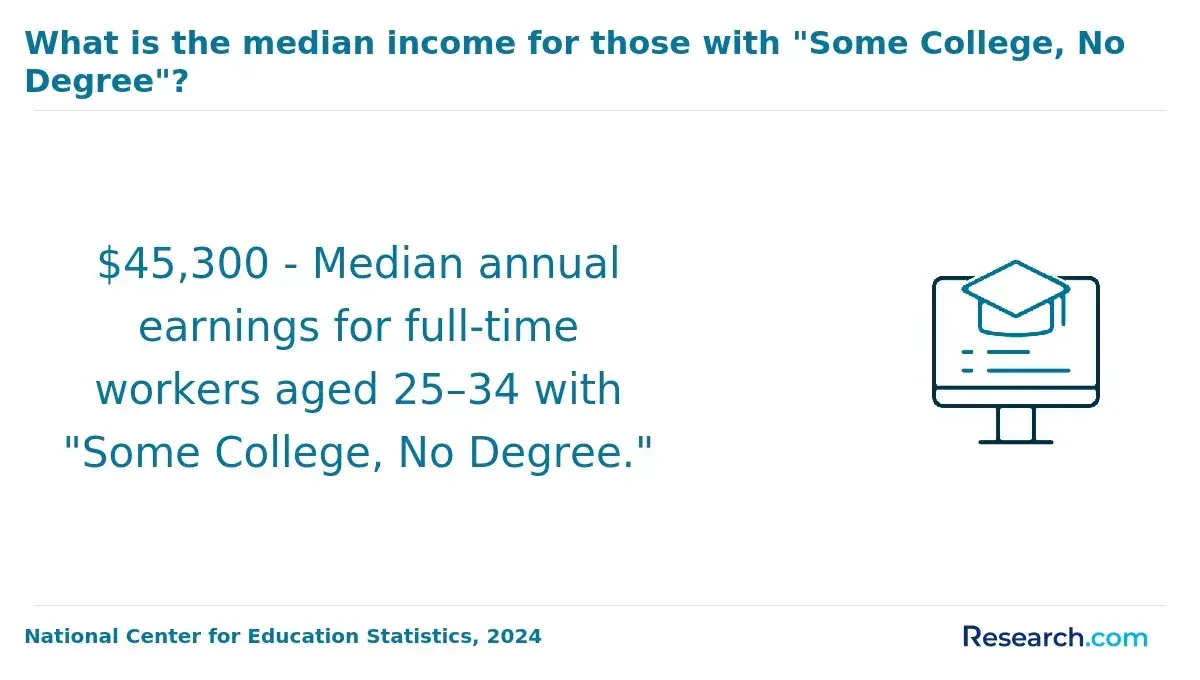
Admissions criteria for online HR management bachelor programs often balance baseline academic metrics with experience-based flexibility. Typically, candidates must present a high school diploma or equivalent alongside a GPA between 2.5 and 3.0, with official transcripts required.
Standardized tests like the SAT or ACT remain common but are increasingly waived for those with prior college credits or substantial relevant work experience. This dynamic reflects programs' recognition of varied educational and professional backgrounds.
Prior experience requirements for hr management programs vary but generally favor applicants with one to three years of business, administrative, or interpersonal roles, especially for those making a strategic career change. For instance, an employee moving from retail management to hr management would leverage their leadership and customer relations skills as practical groundwork to handle advanced, strategy-focused coursework.
This experience-oriented approach aids both admissions committees and students in aligning learning outcomes with real-world HR challenges.
Evaluation processes emphasize communication skills, problem-solving ability, and ethical considerations, often through an interview or statement of purpose to assess candidate alignment with organizational people strategy. These program requirements are consistent with labor market demands; notably, a BestColleges 2024 survey indicated 63% of online business graduates experienced career change or promotion within a year, underscoring the practical benefit of such degrees.
Prospective students navigating online hr management bachelor admissions criteria should consider that pursuing a degree through a fastest online business degree pathway can reduce time to completion while maintaining connection to key experiential prerequisites.
How long does it take to finish an online HR management bachelor's and what does it cost?
Completion timelines for an online bachelor's degree in human resource management vary notably depending on enrollment status and credit transferability. Full-time students typically finish within 3 to 4 years, while accelerated tracks can reduce this to about 2 years by leveraging previous credits or heavier course loads. Conversely, part-time learners often extend their studies beyond 5 years, which delays entry into the workforce and increases total costs.
Tuition expenses fluctuate widely, generally between $30,000 and $60,000 for accredited programs. Public in-state institutions offer the most cost-effective pathway, often clustering at the lower end of this range. Available financial aid and employer tuition reimbursement significantly impact net price but require early verification of credit transfer policies and curriculum relevance to avoid prolonged study and additional fees.
Employers prioritize candidates with practical experience and applied skills, which some programs facilitate through integrated real-world projects. For professionals seeking to pivot or advance swiftly in sectors like healthcare or technology, shorter programs align better with the need to capture a substantial wage premium-human resources specialists earned a median $69,825 annually, compared to $48,060 across all occupations according to the U.S. Bureau of Labor Statistics.
Choosing a program demands balancing the upfront investment with timely completion and curriculum rigor, as delays or insufficient application of skills can undercut return on investment and employability.
What core courses, electives, and people strategy projects are included in these online programs?
Online bachelor's programs in human resource management that integrate applied projects yield graduates equipped to meet complex workplace demands beyond theoretical knowledge. For example, a project requiring development of a recruitment strategy for tech startups compels students to analyze labor market dynamics and retention challenges, directly simulating employer needs in fast-paced sectors.
Practical project work correlates strongly with employer perceptions of job readiness. Data from Southern New Hampshire University shows 90% of employers rated graduates' applied projects as "above average" or better, underscoring how hands-on people strategy assignments improve workforce preparedness.
Absence of robust project components can leave graduates underprepared, especially in regulated environments like healthcare HR where compliance and wellness program expertise are essential. Conversely, electives focused on HR analytics or organizational psychology enable data-driven leadership and cultural transformation initiatives increasingly vital amid evolving workplace models.
- Core courses aligning with organizational behavior, employment law, compensation, and talent acquisition form foundational knowledge.
- Specialized electives allow tailoring based on industry needs, such as diversity and inclusion or labor relations.
- Realistic applied projects bridge academic concepts with operational HR functions, enhancing strategic thinking and problem solving.
Choosing a program without such balance risks weaker employability and slower career progression. A curriculum combining foundational theory, targeted electives, and rigorous people strategy projects best positions graduates to address varied employer expectations and emerging HR challenges.
How do online HR management programs structure internships, capstones, and real-world HR projects?
Internships embedded in online human resource management programs provide more than just resume entries; they represent essential, sector-specific skill bridges. Typical placements require between 200 and 400 hours during one or two academic terms, exposing students to practical functions like compliance, talent acquisition, employee relations, or compensation analysis.
For instance, healthcare internships emphasize regulatory compliance and staff credentialing, whereas technology sector experiences prioritize agile talent management and innovation-driven retention strategies.
Capstone projects further refine applied competencies by simulating or partnering with organizations to address realistic challenges such as workforce diversity initiatives or conflict resolution frameworks. These assignments demand nuanced stakeholder analysis and adherence to labor laws under constrained resources.
A capstone focused on nonprofit organizations may prioritize volunteer engagement and fiscal limitations, contrasting with corporate talent retention efforts where scale and performance metrics dominate.
Programs aligned with SHRM and HRCI certification embed critical competencies across internships and capstones, boosting exam readiness and industry recognition. According to SHRM data, certified professionals earn approximately 14-15% higher wages compared to their non-certified peers, reflecting tangible market advantages.
However, logistical hurdles like securing remote internships, balancing work commitments, and obtaining constructive mentor feedback through digital platforms remain significant obstacles affecting student success and placement quality.
The presence of dedicated career services and robust employer networks correlates strongly with higher placement rates and more relevant experiential projects, which in turn influence early career momentum and long-term employability in human resource management roles.
What HR career paths, job titles, and advancement opportunities can this degree support?
An online bachelor's degree in human resource management establishes a foundation suited for various mid-level roles such as HR business partner, talent acquisition manager, or organizational development consultant, usually within 3 to 5 years of work experience combined with strategic project leadership.
Employers prioritize candidates who have demonstrated involvement in complex initiatives like diversity programs or integrated talent management software, emphasizing applied people strategy linked to organizational goals over theoretical knowledge alone.
In practice, sector-specific demands create different career trajectories. For instance, graduates working in healthcare might focus intensively on regulatory compliance, while those in technology could evolve into data-driven talent strategists utilizing AI recruitment tools. Manufacturing environments, by contrast, often emphasize labor relations and safety compliance leadership, requiring tailored skill sets that reflect operational realities.
Advancement to senior HR executive positions rarely occurs immediately post-degree without further credentials or graduate education, forcing professionals to weigh the trade-offs between gaining experience and pursuing additional certifications.
Financial access also shapes these decisions: with most top online programs offering financial aid and average annual costs below $10,000, working adults face fewer barriers to retooling their careers, yet timing and resource allocation remain critical considerations.
Graduates should strategically align their project experience to industry needs and pursue relevant certifications simultaneously with their degree to optimize mobility and compensation growth.
What salary ranges and job outlook can HR management graduates reasonably expect?
Entry-level salaries for graduates of online bachelor's programs in human resource management typically range from $55,000 to $70,000 annually, with mid-career professionals (5-10 years experience) earning between $80,000 and $110,000.
Higher salaries align with specialized roles involving strategic workforce planning and data analytics, emphasized in over 80% of top programs per AccreditedSchoolsOnline's 2026 guide. These skills are especially valuable in technology, healthcare, and finance sectors where digital transformation demands HR leaders capable of leveraging analytics tools.
Employment growth in this field is expected at 7% through 2032, concentrated in industries that prioritize strategic people management over traditional HR administration. Practical experience-such as capstone projects focused on workforce analytics-directly impacts salary potential and hiring prospects. For example, a recent graduate starting in a tech firm's talent acquisition team near $65,000 can exceed $100,000 within five years by mastering these competencies.
Conversely, career growth may stagnate in smaller firms with limited strategic HR roles unless supplemented by advanced certifications or relevant experience. Geographic cost-of-living variation and regional corporate density also influence salary ranges and competition.
- Strategically selecting programs that integrate practical projects enhances marketability.
- Skills in workforce analytics and strategic planning provide a measurable advantage.
- Industry and firm size considerably affect long-term income trajectory.
Which HR certifications align with this degree and how can programs help you prepare?
Aligning an online bachelor's in human resource management with certifications like SHRM-CP and PHR requires deliberate program selection focused on practical application over theory. Both credentials demand competency in foundational HR knowledge and strategic execution, particularly relevant for roles such as training and development managers where median salaries approach $123,880.
Completing a program that integrates people strategy projects simulating workplace challenges in talent management, organizational development, and labor relations strengthens readiness for these exams.
Effective preparation embeds exam content within coursework concentrating on employment law, performance management, and HR analytics. Programs employing project-based learning, reflecting SHRM's competency model, enable students to apply knowledge in realistic contexts rather than relying on memorization. However, students must coordinate certification attempts with program timelines-some curricula include exam prep workshops, vouchers, or mentoring to ease this process.
Employer preferences vary: tech companies often value SHRM-CP for strategic insight, while healthcare sectors prioritize PHR for compliance expertise. Selecting a program adaptable to such sector-specific demands improves hiring prospects.
Post-graduation, maintaining certification through continuous education is a practical necessity, creating a long-term commitment beyond the degree. Graduates should weigh programs offering robust support to navigate these ongoing professional requirements.
Other Things You Should Know About Human Resource Management
Many online human resource management bachelor’s programs require 120 credit hours, with 3-credit internships or practicum courses built into the final year. Some programs also require supervised fieldwork in staffing, employee relations, or compensation, plus faculty approval before placement and a minimum GPA of 2.5 to 3.0.
The workload for an online HR management bachelor's can be intense, especially for professionals managing full-time jobs. Programs with asynchronous formats offer flexibility but may demand disciplined time management to meet deadlines. Working students should opt for programs that provide structured timelines and clear milestones over self-paced models that risk extending time-to-completion and intensifying stress without employer support.
Specializing during your degree narrows your job prospects but can boost employability in niche HR roles like talent analytics or labor relations. Conversely, a generalist curriculum offers broad exposure, aiding adaptability across HR functions and industries.
For candidates uncertain about their exact career path, a generalist program is usually safer and more sustainable over time, but those targeting specific roles should seek programs with dedicated specialization tracks and relevant project work.
Students should prioritize programs that integrate real-world projects with leading companies to enhance strategic skills. Furthermore, they should seek courses with interactive, mentor-driven online modules that focus on innovative people strategies, ensuring they align with industry demands and future HR trends.
References
- What Degree Might You Need to Pursue an HR Career Path? The Requirements to Know https://www.trident.edu/what-degree-do-you-need-for-hr-requirements-to-know/
- Managerial Perspectives on Strategy, People, Projects and Processes D https://www.umu.se/en/education/courses/managerial-perspectives-on-strategy-people-projects-and-processes-d-2fe047/
- How To Become HR Certified in 7 Steps: Time, Requirements & Best Certifications https://www.aihr.com/blog/how-to-become-hr-certified/
- Best Online Business Strategy Courses and Programs | edX https://www.edx.org/learn/business-strategy
- Individual HR Certifications | Advance Your HR Career https://www.hrci.org/certifications/individual-certifications
- Accredited Post-Secondary Programs - CPHR/CRHA Canada https://cphr.ca/your-career/accredited-post-secondary-programs/
- The 5 Best HR Qualifications in 2026 | Human Resources https://www.icslearn.co.uk/blog/human-resources/the-5-best-hr-qualifications/
- Salary Guide for Future HR Managers https://www.allbusinessschools.com/human-resources/salary/
- Online Bachelor's Degree: Human Resource Management https://www.umgc.edu/online-degrees/bachelors/hr-management
- Which HR Certification to Pursue? | University of Phoenix https://www.phoenix.edu/articles/hr/which-hr-certification-should-you-pursue.html