2027 Online Forensic Science Degrees With Scholarships for Working Professionals

Co-Founder and Chief Data Scientist
Forensic science professionals often confront a critical barrier: advancing their credentials without sacrificing income or workplace presence. Balancing demanding shift work, court schedules, and ongoing case responsibilities leaves little room for traditional degree programs. A 2024 National Center for Education Statistics report shows a 13% increase in adult learners enrolling part-time, reflecting a clear shift toward flexible education models tailored to workforce realities.
This trend signals a widening acceptance of online formats that accommodate irregular hours and rapid skill updating, essential for forensic experts dealing with evolving legal and technological standards. This article explores accessible online forensic science degrees with scholarship options designed for working professionals aiming to enhance credentials and career mobility without interrupting their employment.
Key Things You Should Know
- Online forensic science degrees in 2026 average $18,000 annually, with scholarships covering up to 40% of costs; delayed programs extend time-to-employment, increasing total opportunity costs significantly per Department of Education data.
- Employers increasingly prioritize hands-on lab experience and certification over degree modality, making programs with integrated virtual labs and supervised fieldwork critical for career entry, according to the Bureau of Labor Statistics.
- Mid-career professionals face a tradeoff: accelerated online tracks reduce downtime but limit internships, impacting long-term earning potential as 63% of forensic analysts report that internship experience correlates with faster promotions in recent forensic industry surveys.
What are online forensic science degrees for working professionals?
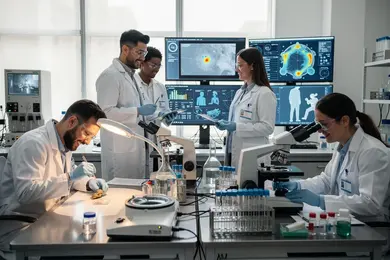
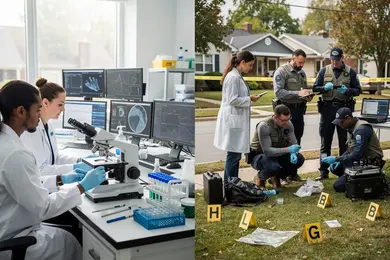
Online forensic science degree programs for working professionals present a pragmatic balance between education and ongoing employment, addressing the challenge of scheduling conflicts and financial constraints. For instance, a full-time crime scene investigator might complete a bachelor's degree remotely by studying during non-work hours, thereby maintaining income while building credentials. These flexible forensic science degrees designed for career advancement emphasize applied skills-such as evidence handling, forensic methods, and legal standards-often incorporating virtual labs and partnered internships.
Yet, the absence of onsite lab access in fully online programs necessitates proactive planning to acquire supervised practical experience, particularly for students without agency sponsorship or nearby forensic facilities. This tradeoff demands discipline and strategic networking to ensure academic progress translates into employer-valued competencies.
Cost remains a significant consideration. The National Center for Education Statistics reports an average annual undergraduate tuition of $14,688, making online programs paired with scholarships and employer assistance attractive, though often contingent on job-related commitments. Balancing tuition costs against practical training opportunities is critical for informed decision-making.
Hiring managers in forensic disciplines prioritize validated hands-on experience alongside academic credentials. Candidates aiming for better roles must consciously select programs that align with access to relevant work environments to capitalize on educational investment. Additionally, those evaluating the pathway should consider labor market factors such as the forensic profiler salary and career trajectories tied to experience accumulation.
How do accredited online and campus forensic science programs compare?
Choosing between accredited online forensic science degree programs and campus options hinges on real-world applicability and professional expectations. Online degrees provide essential schedule flexibility and reduce financial strain, benefiting working professionals who must juggle employment and education. However, campus versus online forensic science education benefits become apparent when considering hands-on skill acquisition: campus programs allow direct access to specialized labs and internships that agencies value for roles requiring demonstrated applied skills, such as federal executive branch positions averaging $120,790 in salary.
Employers often prioritize candidates with verified practical experience over purely theoretical knowledge. Programs combining online coursework with local lab partnerships can alleviate access issues for those in remote locations, but vetting these hybrid arrangements is necessary to ensure competencies meet industry standards.
The Bureau of Labor Statistics places median wages for forensic science technicians at $60,590, with top earners exceeding $100,000, placing premium on programs that offer clear pathways to certification and field readiness. Candidates must weigh tradeoffs between cost, immersive experience, and time commitment pragmatically, aligning choices with personal circumstances and career goals.
For professionals contemplating advanced research degrees, exploring related fields such as a data science PhD online may expand interdisciplinary opportunities relevant to forensic analytics and evidence interpretation.
What accreditation should a forensic science program have?
Graduating from non-accredited forensic science degree programs in the United States often places candidates at a disadvantage in competitive job markets, particularly within federal forensic roles that require FEPAC accreditation. Although regional institutional accreditation establishes baseline academic quality, only FEPAC accreditation-managed by the American Academy of Forensic Sciences-assures employers that the curriculum rigorously covers scientific protocols, evidence handling, and legal standards. Without this specialized validation, graduates face tangible barriers to employment and certification, which employers in forensic laboratories and law enforcement increasingly enforce.
For professionals evaluating the best forensic science program accreditation bodies, balancing program flexibility against practical skill development is critical. Non-accredited programs might appeal due to lower costs or scheduling convenience, but they typically lack comprehensive hands-on laboratory experiences and updated forensic methodologies, creating gaps that employers notice. Conversely, accredited programs often offer hybrid or online options with asynchronous labs and supervised practicum, accommodating working professionals without compromising essential competencies.
Workforce projections from the Bureau of Labor Statistics anticipate a 14% growth for forensic science technicians between 2019 and 2029, underscoring the importance of entering with a validated credential to avoid stalled progression. Assessing both regional and specialized accreditation is an operational necessity for career pivots or advancement in this field. Those seeking interdisciplinary alternatives might explore related fields, such as a computer science degree online, which intersects with forensic technology but demands distinct accreditation considerations.
Which online forensic science degree levels are available?
Online forensic science degree programs for working professionals reveal distinct tradeoffs across available degree levels in online forensic science education, each aligned with specific workforce realities. Bachelor's degrees, requiring 120-130 credits, typically serve as entry points for technical roles like crime scene technicians, balancing foundational lab skills with criminal justice knowledge suitable for part-time students maintaining employment.
Master's programs, demanding 30-40 credits over 1.5 to 2 years, cater to those targeting specialized or supervisory forensic roles. Employers increasingly prefer candidates holding a master's degree for analytical or management positions, directly impacting salary and job competitiveness. These programs often offer flexible pacing, though tuition can range significantly, with some accredited options costing under $600 per credit versus others exceeding $1,200 for out-of-state students.
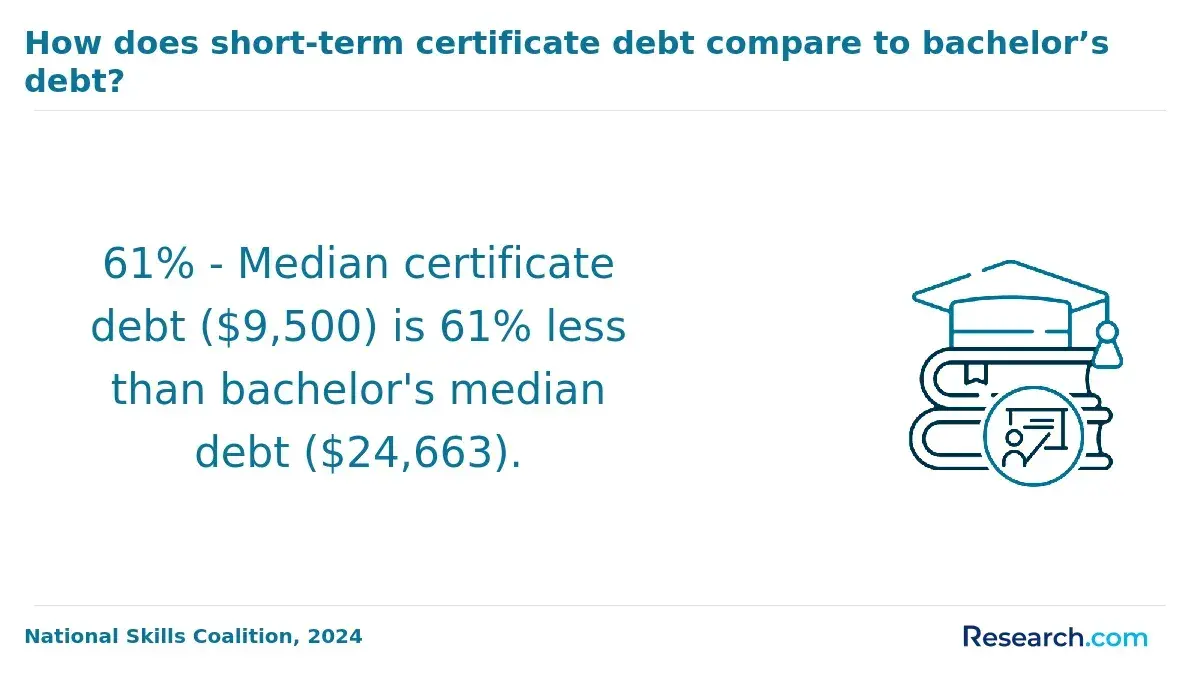
Certificate programs provide targeted training for current practitioners such as law enforcement or lab technicians. With fewer than 15 credits, certificates offer rapid upskilling on emerging forensic technologies or protocols, minimizing time and financial commitments but lacking the depth of full degrees.
Choosing the right program involves balancing cost, accreditation, and course rigor against career objectives. For instance, a crime scene technician seeking digital forensics specialization might prioritize a master's program with hands-on virtual labs despite higher costs; conversely, a law enforcement officer might lean toward certificates focused on forensic interviewing to advance without a full degree. For detailed cost comparisons across educational fields, such as MLIS programs, offer useful context for assessing tuition and program value.
What courses are in an online forensic science curriculum?
Online forensic science curricula deliver essential scientific foundations and applied investigative skills but vary in their capacity to replicate hands-on, experiential learning-an important consideration for workforce readiness in forensic roles. For instance, forensic biology courses in DNA analysis train students for evidence interpretation critical in criminal investigations, yet virtual labs may not fully substitute real-world casework exposure required by many employers.
Key coursework spans forensic chemistry and toxicology, focusing on substance identification and drug detection, alongside forensic anthropology for human remains analysis. Digital forensics programs address the growing demand for expertise in cybercrime by teaching electronic data recovery and analysis. Legal courses emphasize effective communication of complex scientific data to non-specialist court audiences.
Quantitative skills like statistics are vital for evaluating probabilistic evidence and error margins, addressing employers' expectations for analytical rigor. Given the limited availability of fully immersive laboratory experiences, prospective students must weigh the tradeoff between program accessibility and the depth of practical training.
- Crime scene investigation courses model evidence collection under legal standards applicable in law enforcement and private labs
- Case study work and project design enhance critical thinking and problem-solving linked directly to forensic tasks
- Accreditation status and lab resource quality strongly affect employability in forensic laboratories and consulting roles
- Financially, combining the Federal Pell Grant maximum of $7,395 with forensic-specific scholarships can ease cost barriers for mid-career pivots
What admissions requirements do online forensic science programs set?
Choosing an online forensic science master's degree involves weighing clear tradeoffs between academic rigor, professional readiness, and logistical constraints. Programs typically require a prior bachelor's in forensic science, biology, chemistry, criminal justice, or a related STEM field, with a GPA near 3.0 to meet baseline competency in scientific analysis. While some schools still request GRE scores, many waive this for working adults balancing study with job demands. This adjustment reflects a shift toward accommodating practitioners but can mask variability in program selectivity.
Admission criteria emphasize relevant work or research experience alongside strong letters of recommendation and focused personal statements. This requirement grounds theoretical knowledge in practical applications like crime scene investigation or toxicology, which employers value highly. For example, candidates familiar with digital platforms and asynchronous coursework often demonstrate better remote lab performance and time management, skills increasingly critical in virtual forensic workflows.
Cost remains a key factor, with online tuition ranging about $10,000 to $20,000 annually, significantly less than many on-campus alternatives. Oklahoma State University offers programs at the lower end of this spectrum compared to others charging up to $18,400 or more, influencing budget-conscious applicants who must assess educational ROI carefully. However, the availability of certification aligned with forensic employment varies by state and program structure, demanding thorough due diligence to ensure eligibility for hands-on credentials needed in specialized roles.
- Prior bachelor's degree in a STEM or relevant field is mandatory
- Minimum GPA requirements near 3.0 are enforced
- GRE may be waived but is requested by some schools
- Work or research experience enhances admission prospects
- Letters of recommendation and personal statements are standard
- Tech proficiency and time management skills are essential for online coursework
- Program costs range from approximately $10,000 to $20,000 annually, affecting accessibility
- Certification eligibility depends on program structure and local regulatory compliance
How long does an online forensic science degree take?
Professionals pursuing an online forensic science degree often confront a complex balance of workload and educational demands that can extend completion beyond the nominal 18 to 24 months. These programs, tailored for working adults, usually encompass 30 to 32 credits with applied capstone projects designed to develop workforce-ready competencies rather than academic research skills. This approach aligns with industry expectations for practical proficiency upon graduation.
Completion timelines differ sharply depending on work hours and employer flexibility. A full-time worker clocking 40+ hours weekly will likely require closer to two years, whereas those able to multitask aggressively or reduce work commitments can accelerate progress to approximately 18 months.
Consider a crime scene analyst working night shifts: asynchronous coursework enables daytime study, but sudden job changes or extended absences often delay degree completion. This illustrates the intrinsic tradeoff between steady progress and professional obligations.
Employers benefit from immediate skill application through capstone projects, yet students must realistically assess their capacity for simultaneous work and study. Underestimating these demands risks prolonging completion and increasing financial strain.
A candidate choosing a program should prioritize transparent credit requirements and flexible pacing structures to anticipate exact timelines. This clarity mitigates unexpected setbacks endemic to juggling forensic science education with ongoing employment.
How much do online forensic science degrees cost?
Costs for online forensic science bachelor's programs range widely, from approximately $15,000 to $60,000, influenced by factors such as institution type, residency, and program duration. Public universities typically charge between $300 and $600 per credit hour, while private or specialized schools can exceed $1,200 per credit. For working professionals, pursuing a master's degree may require an investment of $20,000 to $70,000. This financial outlay must be balanced against potential career gains-federal forensic positions often demand advanced credentials, reflected in median salaries of $120,790 annually, nearly double local government roles earning $65,840.
Budgeting extends beyond tuition. Annual costs of $1,000 to $3,000 for lab fees, software, and certification preparation can materially affect total expenses. Employer tuition assistance programs may mitigate these costs but frequently tie recipients to contractual employment obligations. Programs offering asynchronous delivery models provide necessary scheduling flexibility, enabling professionals to maintain full-time employment and avoid income loss during study periods.
To optimize return on investment, students should evaluate program credit costs against graduation outcomes and employment placements within federal forensic sectors. Prioritizing accredited institutions with specializations in DNA analysis, digital forensics, or toxicology aligns with eligibility requirements for high-paying federal roles and supports a strategic career pivot into targeted forensic disciplines.
- Tuition costs vary widely depending on institution type and credit hour rates
- Advanced degrees significantly improve earning potential within federal forensic roles
- Ancillary expenses and employer assistance programs impact the total cost and commitment
- Program flexibility aids in balancing employment with education demands
- Specialized accreditations correlate strongly with federal hiring preferences
What scholarships can working professionals use for forensic science?
Tuition assistance and scholarships for working professionals in forensic science often hinge on demonstrating direct applicability to current roles or planned career pivots. For example, a forensic analyst in a state lab seeking to advance into specialized toxicology may access employer-funded tuition aid or Department of Justice grants, but these usually require proof of ongoing employment and commitment to remain in the field. Such targeted funding prioritizes candidates who align their academic pursuits closely with their job functions.
National forensic science associations frequently offer merit-based scholarships emphasizing leadership potential and documented forensic experience. Applicants must provide detailed evidence including employment verification, academic transcripts, and letters confirming relevant practical work. This reflects a broader expectation that financial support aligns with demonstrated applied skills rather than general academic enrollment.
The typical online master's tuition range of $10,000-$20,000 presents a financially accessible option for remote learners, including international students, but regional fee differences and scholarship eligibility need careful comparison. Professionals balancing full-time work should note many scholarships require maintaining minimum credit loads and academic performance standards tied to their employment situation.
- Employer tuition programs usually cover partial to full costs contingent on job relevance.
- Government and agency-funded awards focus on mid-career professionals in forensic roles requiring employment proof.
- Scholarships from professional bodies demand demonstrated leadership and forensic practice evidence.
- Scheduling flexibility and annual eligibility requirements impact scholarship retention.
What jobs and salaries can forensic science graduates expect?
Choosing a forensic science degree entails understanding that initial salaries for common roles like forensic technologist or crime lab analyst hover around $60,000 to $85,000 annually, according to 2024 Bureau of Labor Statistics data. Specialized careers-such as forensic pathology assistants or toxicologists-offer higher pay, often exceeding $90,000, but require advanced certifications or graduate-level credentials, introducing significant time and financial investment.
Employment is heavily concentrated in government crime labs, law enforcement units, and private forensic firms, with digital forensics positions expanding faster within cybersecurity sectors due to their overlap with IT skills. However, entry-level roles demand not only academic qualifications but also demonstrated lab techniques and courtroom testimony expertise, creating a barrier for many recent graduates.
Key practical considerations include geographic mobility, as well-paying forensic science jobs tend to cluster in urban centers with federal or state agencies. Additionally, balancing full-time employment with the pursuit of credentials requires deliberate time management, especially when juggling case workload demands.
Financially, private grants up to $20,000 and professional awards approaching $10,000 can alleviate costs for online forensic science degree candidates in 2026, enabling access to accreditations that materially enhance employability and salary potential. Prospective students and career switchers should pursue internships or contractual assignments during studies to acquire these necessary skills and improve actual hiring outcomes.
Other Things You Should Know About Forensic Science
Balancing forensic science coursework with full-time employment demands disciplined time management because technical content and lab components require significant study hours beyond lectures. Programs with asynchronous classes and flexible deadlines provide more manageable pacing, but students should prioritize programs offering realistic timelines that avoid front-loading intensive assignments. Consider programs designed specifically for working adults to minimize burnout and sustain academic progress without compromising professional responsibilities.
Employer perceptions vary, with some preferring hybrid or campus-based degrees due to perceived stronger access to lab training and peer collaboration. However, accredited online degrees with verified hands-on components are increasingly accepted, especially if graduates can demonstrate comprehensive practical skills. Prioritize programs with clear accreditation and documented partnerships ensuring authentic lab work to reduce skepticism and enhance employability.
Most programs ask for official transcripts, a completed application, a résumé, a personal statement, and one or two recommendation letters. Some schools also require a minimum GPA, often 2.5 or 3.0, and may request prior coursework in biology, chemistry, or criminal justice for upper-level admission.
References
- Accredited Programs in Forensic Science https://www.collegexpress.com/lists/list/accredited-programs-in-forensic-science/1620/
- Forensic Science and Technology https://www.fastweb.com/directory/scholarships-for-forensic-science-and-technology-majors
- Forensic Scientist Salary: State-by-State Median Guide https://www.allcriminaljusticeschools.com/forensics/salary/
- Top Forensic Science Career Guide | Forensic Science Online https://www.forensicscienceonline.org/top-careers/
- Forensic Sciences Foundation https://www.aafs.org/forensic-sciences-foundation
- Forensic Scientist https://www.ncchomelearning.co.uk/career-courses/forensic-science/
- Online Forensic Science Degree https://www.aiuniv.edu/degrees/criminal-justice/bachelors-forensic-science
- Professional services https://www.strath.ac.uk/courses/postgraduatetaught/forensicscience/
- How To Become a Forensic Scientist: Requirements & Steps https://www.forensicscolleges.com/blog/htb/how-to-become-forensic-scientist
- 191 Income related Forensic science Scholarships available https://www.hotcoursesabroad.com/study/international-scholarships/all/qn/forensic-science/income-related/all/cid/qid/b18/1170/nty/scholarship2.html