2027 Forensic Science Career Outlook by Specialization

Co-Founder and Chief Data Scientist
Forensic science professionals face the urgent challenge of aligning specialization choices with fluctuating demand amid evolving investigative technologies. With the U.S. Bureau of Labor Statistics projecting a 10% increase in employment for crime scene investigators through 2032, competition for positions emphasizing niche expertise intensifies. Adults balancing careers and education gravitate toward flexible, often online pathways, yet program availability varies widely by forensic specialization, influencing the speed and feasibility of career pivots.
Shifts in enrollment toward adult learners reported by the National Center for Education Statistics signal a growing need for adaptable credentialing without compromising hands-on skill development. This article analyzes career outlooks by specialization, guiding strategic decisions for students and professionals navigating education and employment trade-offs.
Key Things You Should Know
- Forensic science technicians with specialized digital forensics skills command 12% higher median salaries but face a 20% longer credentialing timeline, creating a tradeoff between higher pay and delayed workforce entry, per 2024 Bureau of Labor Statistics data.
- Employers increasingly require integrated evidence interpretation expertise, with 63% of crime labs demanding cross-disciplinary training; lacking this, candidates face limited advancement despite standard certifications, according to the 2024 Forensic Workforce Report.
- Programs focusing on molecular forensic biology demand 30% more tuition investment on average, driven by costly lab equipment mandates, significantly impacting accessibility for non-traditional students aiming for this high-growth niche, reports the 2024 National Forensic Education Survey.
What are the main forensic science specializations and what does each role involve?
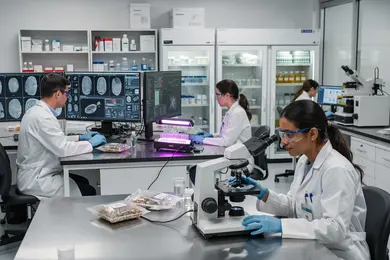
Choosing a specialization within forensic science significantly affects both the educational path and workforce outcomes, particularly given divergent practical demands and job market conditions. Forensic biology and DNA analysis, for example, leans heavily on molecular biology and genetics. This specialization handles biological evidence such as blood and bodily fluids, essential in cold cases and sexual assault investigations, where precise lab skills are imperative. The U.S. Bureau of Labor Statistics projects a 13% growth for forensic science technicians in lab roles, translating to roughly 2,900 annual openings. This reflects a strong, detail-oriented job market segment requiring rigorous training and certifications.
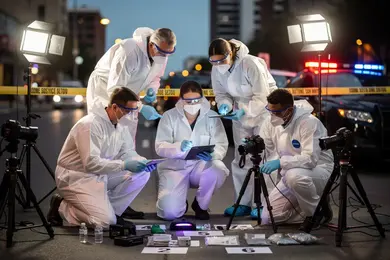
Crime scene investigators operate in high-pressure environments, requiring rapid on-site evidence collection and coordination with law enforcement. Their practical challenges differ markedly from lab specialists and involve preserving evidence integrity under sometimes volatile conditions. Forensic toxicologists play a critical legal role by detecting poisons, drugs, and chemicals in tissues and fluids, with their analyses often influencing determinations of cause and manner of death.
Digital forensics specialists face a fast-evolving tech landscape, demanding continuous skill updates in IT and cybersecurity to combat encryption and cybercrime challenges. Forensic chemistry focuses on non-biological substances like explosives and unknown powders, supporting investigations through material linkage and source identification.
Given these varied scopes, the key forensic science career roles and job functions require tailored education and hands-on experience aligned to specialty demands. Candidates must weigh training intensity, certification expectations, and divergent career pressures when pivoting or advancing. More insights into specialized forensic careers can be explored via forensic careers.
What education and training are required for different forensic science career paths?
The educational and training requirements across forensic science career specializations reveal stark differences in practical demands and labor market realities. For instance, roles in forensic biology or chemistry typically require a bachelor's degree in a natural science field combined with extensive laboratory training that emphasizes evidence analysis and chain-of-custody discipline. Candidates without such hands-on experience often face prolonged hiring processes and slower advancement trajectories.
In the evolving digital forensics arena, professionals must merge computer science or information technology credentials with targeted certifications in cybersecurity and forensic software usage. By 2025, approximately 35% of U.S. forensic laboratories had integrated AI-driven technologies, which imposes a growing imperative for continuous learning in AI, coding, and machine-learning to maintain employability. This trend directly influences workforce preparation, requiring a blend of technical versatility and updated skills more than traditional degrees alone.
Training programs for forensic science career specializations also include practical coursework and internships, particularly for crime scene investigators who require competence in evidence collection and legal procedures. More complex paths such as forensic pathology or toxicology demand medical degrees plus specialized residencies, highlighting a significant tradeoff between extensive clinical training and delayed workforce entry.
Employers prioritize candidates demonstrating applied laboratory experience and proficiency with specialized instruments alongside academic credentials. Balancing broad scientific understanding with niche certification, especially in AI-enhanced areas, is essential to meet evolving workforce requirements and secure higher compensation. Those exploring interdisciplinary options can also consider fields like an environmental science degree, which shares analytical methodologies relevant to forensic disciplines.
What is the current job outlook for major forensic science specializations in the U.S.?
Job prospects for major forensic science specializations in the United States exhibit significant variation, with crime scene investigation and evidence collection experiencing some of the most substantial growth. Employment data show approximately 19,450 forensic technicians held positions in May 2024, and this sector is projected to grow 14% from 2023 to 2033, creating about 2,500 new roles. This reflects intensified demand for precisely processed evidence and expanding laboratory infrastructures. However, specialized areas such as forensic toxicology and digital forensics present more nuanced hiring landscapes shaped by sector constraints and advanced qualification requirements.
Digital forensics grows amid rising cybercrime but remains predominantly concentrated within government and private security agencies, limiting entry-level access. Forensic toxicology demands advanced degrees, with slower job growth linked to expensive equipment and lab capacity limits. Real-world hiring often favors multiskilled candidates capable of managing diverse evidence types and adaptable to evolving techniques, which increases competitiveness compared to narrowly focused specialists.
Considering the forensic science career outlook in the U.S., applicants should weigh program comprehensiveness and hands-on skill acquisition against regional job market realities. The 14% growth estimate for forensic technician roles indicates where graduates are likely to find tangible opportunities, while specialized fields require proactive strategies such as certification, internships, and cross-disciplinary skill development. These practical considerations can determine long-term employability and mobility, especially when positions relate to public health or legal agencies.
For those exploring educational options, integrating an online library science degree can complement forensic science studies by enhancing research and information management skills essential in evidence analysis and casework documentation.
How much do forensic scientists earn by specialization, experience level, and location?
Forensic scientist salaries differ sharply based on specialization, experience, and geography, revealing critical tradeoffs for those weighing educational or career pivots. Specializations such as forensic chemistry and toxicology-often aligned with materials science-offer median annual wages near $86,620, supported by a projected 5% growth rate through the mid-2020s. However, roles focusing on DNA analysis or digital forensics can surpass $100,000 in large urban centers where demand for niche expertise is high.
Location remains a decisive factor in forensic science career earnings by experience level and region. Professionals in states like California, Virginia, and Maryland earn significantly more due to heightened demand and living costs, while rural areas tend to offer starting salaries closer to $50,000 and fewer opportunities for advancement. Experience sharpens these distinctions: forensic technicians under five years typically earn $45,000 to $60,000, contrasting with veterans exceeding $110,000 when occupying supervisory positions or lab director roles.
Practical decision-making must consider credentialing expenses and skill specificity against employment stability. Forensics roles in chemistry may demand advanced qualifications but provide resilience through crossover into pharmaceuticals or environmental testing.
Prospective candidates are advised to assess specialization demand, regional salary scales, and the cost of computer science degree when relevant, ensuring career moves align with realistic income expectations amid market saturation risks.
Which forensic science degrees and majors best align with specific career tracks?
Choosing the right educational path in forensic science hinges on targeted specialization that meshes with job market realities. Forensic pathology demands a medical degree with pathology residency and subspecialty training; this path commands salaries exceeding $300,000 in specific U.S. regions as per Salary.com and UC Davis Forensic Science, driven by acute shortages. Candidates who skip medical training limit their upward mobility significantly.
Crime scene investigation and DNA analysis roles require degrees emphasizing molecular biology, genetics, and chemistry paired with practical lab experience. Most employers expect candidates to master advanced analytical instruments and participate in internships with crime labs or law enforcement agencies, bridging theory with work-ready skills.
Digital forensics, a field heavily reliant on technical expertise, favors computer science or IT degrees combined with forensic certification. Without this foundation, candidates face constrained opportunities and costly retraining risks due to the sector's sophisticated demands in cybersecurity, data recovery, and cyber law.
Environmental and toxicology forensic work necessitates knowledge in biochemistry or environmental science often absent from generalized forensic science bachelor programs. Specialized minors or graduate credentials are often required to reach the depth employers seek.
Overall, bachelor's degrees alone rarely suffice without targeted professional credentials or clinical training, limiting both access and salary ceiling. Prospective students must weigh these tradeoffs carefully before committing to a program.
How do online forensic science programs compare to campus-based programs in quality and outcomes?
Online forensic science programs commonly fall short of providing the hands-on training employers consider essential for entry-level roles. Practical exposure to laboratory techniques, specialized instrumentation, and supervised fieldwork form the core competencies sought by forensic employers-elements naturally embedded in campus programs through internships and direct faculty mentorship. While some online curricula attempt to compensate with virtual labs or local placements, these often lack the immersive environment and networking crucial for positions requiring chain-of-custody expertise or courtroom testimony skills.
Professionals pursuing online forensic science degrees often do so for theoretical advancement or degree completion rather than initial workforce entry. This distinction matters because graduates targeting forensic analyst or behavioral specialist roles may face barriers when employers demand verifiable hands-on experience. Campus-trained candidates typically achieve smoother transitions into forensic employment, which can influence starting salaries. Forensic psychologists and behavioral analysts had an average salary of $71,351 in 2025, a 2.4% increase from the prior year, underscoring demand for applied skillsets tied to courtroom and behavioral insights.
Prospective students should critically assess online program offerings for accredited clinical partnerships and opportunities for in-field practicum. Combining online coursework with local forensic lab internships may partially close the experiential gap where campus attendance is impractical. Employers increasingly prioritize resumes demonstrating methodical applied skill mastery rather than theoretical knowledge alone, making such hybrid approaches pivotal for long-term career viability in forensic science specialties.
What accreditation and program quality indicators should applicants expect from forensic science schools?
Choosing a forensic science program requires prioritizing accreditation by the Forensic Science Education Programs Accreditation Commission (FEPAC) and recognized regional bodies to meet employer standards and legal admissibility. Without this, graduates often face challenges in court-relevant roles or practical laboratory settings.
Faculty expertise with active forensic research or casework involvement significantly enhances program quality, as does access to hands-on laboratory and field experience. Partnerships with federal or state forensic agencies that offer internships or recruitment pipelines can directly influence employment prospects. Forensic accounting tracks demand curricula aligned with Certified Fraud Examiner (CFE) or Chartered Accountant (CA) certifications, which correlate strongly with salary growth and job market entry.
Employment outcomes are a critical metric: federal agency placements or work within reputable private forensic firms typically yield starting salaries between $50,000 and $70,000, escalating to over $100,000 within ten years. Programs lacking transparent graduate outcomes or industry ties hinder professional advancement, limiting earning potential and career mobility.
Up-to-date forensic technology and software training are non-negotiable for workforce readiness. Students should also consider program length, delivery format (hybrid or online), and alignment with state or federal licensure requirements, as these factors materially affect the timeline and feasibility of career transitions into forensic disciplines.
What core courses and lab experiences are included in accredited forensic science curricula?
Employment growth in forensic science technician roles is constrained by limited openings-roughly 2,300 nationwide through 2032-demanding that prospective students critically assess the balance between intense academic requirements and niche job availability. Accredited forensic science curricula are designed to build complex scientific proficiency and procedural competence, integrating foundational biology, chemistry, and physics with specialized topics like crime scene investigation, forensic toxicology, and DNA analysis.
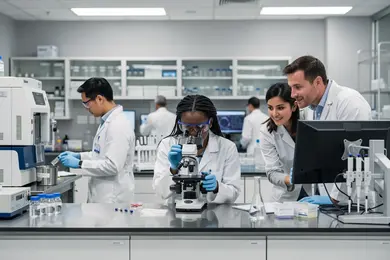
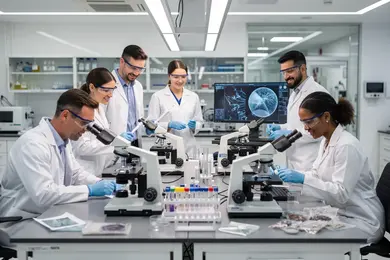
Students must complete labs simulating real-world conditions, focusing on sample handling, testing via spectrometry and chromatography, and documentation essential for court admissibility. Core coursework extends to forensic pathology, serology, and criminalistics, while electives in forensic anthropology and odontology include osteological and dental morphology lab work. These hands-on components foster technical precision and compliance with stringent chain-of-custody protocols.
Practical experience via internships and mock trials significantly enhances job competitiveness in a saturated market. Candidates should weigh these demanding preparation requirements against the relatively narrow labor market, deciding if specialization in areas like forensic anthropology or digital forensics justifies the investment.
- Intensive foundational science paired with forensic applications
- Strict laboratory and legal procedural training
- Hands-on analysis: fingerprint, blood spatter, digital evidence
- Mock trials and internships as employment differentiators
- Labor market growth modest despite increasing demand
What certifications and licensing are needed for specialized forensic science roles and labs?
Certification remains a decisive factor in forensic science employment, particularly within federal and high-tier state agencies where it is often mandatory for entry and retention. Candidates must navigate certification bodies such as the American Board of Criminalistics (ABC) or the International Association for Identification (IAI), whose credentials verify technical competency beyond academic qualifications. Without such credentials, forensic professionals typically face limitations in assignment scope and career progression, especially in government labs where recertification every 3 to 5 years ensures skill currency.
Licensing landscapes differ markedly by specialization and jurisdiction. Forensic pathologists and clinical forensic specialists often require medical licenses, whereas forensic chemists and DNA analysts rarely do. Instead, laboratory accreditation under standards like ISO/IEC 17025 governs quality, influencing both practical training and ongoing professional development.
Wage differentials illustrate tangible workforce outcomes: federal forensic professionals earned a mean annual wage of $119,630 as of May 2023, compared to $73,860 in local government and $69,540 in state roles. This evidence strongly suggests that investing in certifications aligned with federal-level standards can yield substantial financial and professional returns.
For candidates targeting specialized federal forensic labs, combining advanced degrees with certifications like the ABC forensic scientist credential or the American Board of Forensic Toxicology offers strategic advantages. Those focusing on state or local agencies should emphasize compliance with region-specific licensing and laboratory accreditation to align with varied regulatory requirements and operational contexts.
How can prospective students evaluate and choose a reputable forensic science program?
Selecting a forensic science program requires navigating practical tradeoffs between accreditation, hands-on training, and job market alignment. Programs accredited by the Forensic Science Education Programs Accreditation Commission (FEPAC) generally offer curricula aligned with employer expectations, enhancing graduate employability. However, accreditation alone does not guarantee preparedness; students must scrutinize faculty expertise in niche areas like toxicology or digital forensics and verify the availability of internships directly linked to active forensic labs or law enforcement agencies. Without these experiential elements, graduates risk gaps in critical analytical and procedural skills.
Employment demand reflects this mismatch: for example, India's forensic science sector has seen a 12% annual job growth from 2022 to 2024, with 700+ state lab vacancies unfilled, illustrating global workforce shortages and the advantage of programs with employer partnerships or cooperative education.
Prospective students should weigh graduate outcomes by employment rates and timing, including placement in sectors such as law enforcement or private labs. Resource access-modern instrumentation, current software, and crime scene simulations-directly impacts skill relevance. Programs lacking these risk delivering outdated training ill-suited for evolving forensic technologies.
Flexible program formats like part-time or hybrid models support working professionals but may reduce hands-on learning efficiency, affecting skill acquisition. Balancing these considerations with cost and financial aid opportunities is essential to optimize career transition strategies.
Other Things You Should Know About Forensic Science
In 2027, certification and continuing education remain crucial for career advancement in forensic science. They provide professionals with updated skills and knowledge, enhance credibility, and can lead to higher salaries and leadership roles. Specializations like digital forensics and forensic chemistry especially benefit from certifications due to rapidly evolving technologies and methodologies.
Forensic consulting roles demand advanced expertise, strong client communication skills, and often involve travel or courtroom appearances. These positions typically require candidates to build specialized knowledge post-degree and gain trust through experience, making initial government lab work an effective stepping stone. Job seekers should weigh starting in accredited public-sector roles to develop procedural rigor and credibility before moving to private consulting.
Digital forensics and forensic biology show the strongest hiring growth in 2027, driven by cybercrime cases and DNA analysis backlogs. The Bureau of Labor Statistics groups forensic science technicians together and projects about 13% employment growth from 2022 to 2032, faster than average.
References
- Forensic Science Course in Malaysia - Pathway & Requirements https://eduadvisor.my/course-guide/forensic-science
- Forensic Science Careers UK Requirements: Complete Guide to Professional Entry and Advancement https://pathologylabtraining.co.uk/biomedical-sciences/forensic-science-careers-uk-requirements
- How to Become a Forensic Scientist: The Ultimate Guide https://investin.org/blogs/news/how-to-become-a-forensic-scientist
- What is Forensic Science – Canadian Society of Forensic Science https://www.csfs.ca/student-zone/student-zone/
- How To Become a Forensic Scientist: Requirements & Steps https://www.forensicscolleges.com/blog/htb/how-to-become-forensic-scientist
- How to Become a Forensic Science Technician | University of Bridgeport https://www.bridgeport.edu/news/how-to-become-a-forensic-science-technician/
- Forensic Scientist Salary: State-by-State Median Guide https://www.allcriminaljusticeschools.com/forensics/salary/
- Careers in forensic science https://www.justice-ni.gov.uk/articles/careers-forensic-science
- Forensic Science Education Programs Accreditation Commission https://www.aafs.org/FEPAC
- How Much Does A Forensic Scientist Make? A Salary Overview https://www.salemu.edu/blog/how-much-does-forensic-scientist-make/