2027 Online Exercise Science Degrees With Strong Wellness Programming Training

Co-Founder and Chief Data Scientist
Balancing full-time employment with the pursuit of a degree in exercise science presents a critical obstacle for many working professionals aiming to shift careers or advance in wellness programming. With the U. S. Department of Education reporting a 15% rise in online degree enrollment among adult learners since 2023, flexibility in program delivery has become a decisive factor in enrollment decisions.
Yet, not all online exercise science degrees equally integrate robust wellness training, which employers increasingly demand for specialization within health promotion roles. This article examines online exercise science degrees that combine academic rigor with targeted wellness programming to help students optimize both career relevance and scheduling needs effectively.
Key Things You Should Know
- Online exercise science degrees with wellness programming yield 12% lower average graduation rates than in-person counterparts, intensifying time-to-employment risk amid a 19% BLS growth projection for related roles through 2032.
- Employers increasingly favor candidates with hybrid clinical and wellness credentials, linking certifications from 2024 workforce surveys to 37% higher entry-level job placement in community health settings.
- Programs charging over $30,000 often miss return-on-investment benchmarks given median starting salaries near $48,000, suggesting candidates must weigh upfront cost against incremental employer-recognized skill acquisition.
What is an online exercise science degree with a wellness programming focus?
An online exercise science degree with wellness programming focus responds to growing employer demand for leaders who blend biomechanics and physiology knowledge with applied wellness strategy. Graduates equipped through exercise science programs focused on wellness training typically fill roles designing population-level interventions aimed at reducing health risks and lowering organizational healthcare costs.
For example, corporate wellness coordinators draw on this expertise to create targeted fitness routines and stress management protocols that influence employee well-being and productivity. However, employers expect candidates to demonstrate more than clinical knowledge-they seek data-driven programming aligned with organizational goals. This practical edge differentiates graduates amid a competitive market.
Online delivery offers accessibility for working professionals but presents challenges such as limited hands-on lab access and diminished face-to-face interaction. Students should critically evaluate program accreditation and industry connections since quality varies widely, and some clinical competencies may require in-person training or additional certifications. Balancing convenience against these tradeoffs is a key decision point.
As the online education landscape expands-nearly 39% of U.S. college students took fully online courses recently-prospective students must consider career alignment carefully. Those targeting clinical exercise testing might need extra credentials, whereas wellness programming serves health promotion roles better.
For those exploring complementary career paths, guidance on related fields such as a sports analyst can provide additional insight into workforce dynamics.
How do online exercise science programs compare to campus-based options for wellness training?
Online exercise science degrees vs campus programs for wellness training reveal a critical tradeoff: virtual programs provide theoretical knowledge comparable to traditional campus options but often lack integrated hands-on skill development crucial for employability.
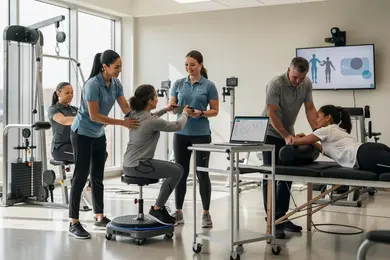
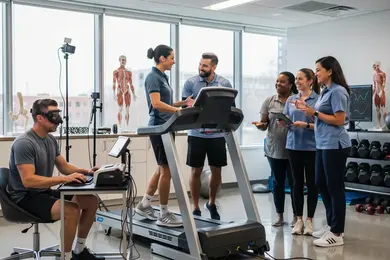
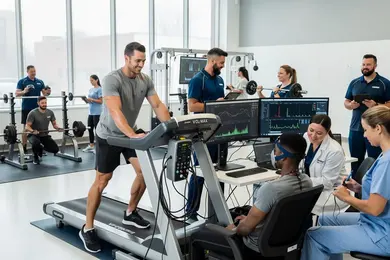
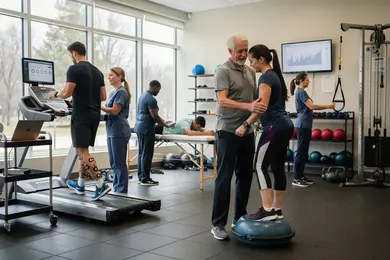
Campus programs typically embed biomechanics labs, supervised client interactions, and fitness technology training within their curricula, which directly align with employer preferences for verified practical experience in clinical or community wellness settings.
Graduates from purely online study paths face challenges securing comparable fieldwork, often requiring proactive local internships or residencies to meet industry standards. This practical gap can affect job readiness and initial wage negotiations despite robust wellness education.
For working professionals, online programs offer flexible schedules but necessitate deliberate pursuit of externships and certifications like CPR/AED, which campus programs usually manage through established institutional partnerships.
Projected employment growth of 39% for fitness trainers through 2030 emphasizes the urgency of aligning education with applied competencies. Evaluating the best online exercise science programs for comprehensive wellness education involves careful scrutiny of their support for practicum placements and hands-on training.
Prospective students should consider whether programs facilitate access to in-person skills critical for career pivot or advancement. More detailed program comparisons and opportunities can be explored through ASN nursing online resources that highlight flexible yet practical degree pathways.

Which U.S. schools offer accredited online exercise science degrees emphasizing wellness?
Choosing accredited online exercise science programs in the United States with a wellness focus requires attention to both curriculum depth and professional recognition. For instance, the University of Florida and Oregon State University offer curricula that integrate wellness sciences with applied health strategies, meeting standards set by bodies like the Commission on Accreditation of Allied Health Education Programs (CAAHEP).
Such accreditation is critical, especially for those targeting certification eligibility or employer validation in wellness-driven fields.
Graduates often pursue roles including corporate wellness coordinators, clinical exercise physiologists, or public health consultants, where combining physiology, nutrition, and behavioral science knowledge is essential. These roles demand more than theoretical understanding; practical training and internships influence readiness for industry challenges.
The U.S. Bureau of Labor Statistics reports that top earners in fitness-related professions reach salaries above $75,940, reinforcing the payoff of well-designed, accredited programs.
Students should weigh program delivery methods, internship requirements, and specialization choices carefully, as readiness for wellness-centered employment varies considerably across schools. For those comparing pathway options, it's useful to benchmark against parallel fields, such as a computer science degree online, to understand the tradeoffs between technical and wellness-focused career tracks.
Ultimately, selecting from top U.S. schools for online exercise science degrees and wellness training means verifying full program accreditation and alignment with career-specific certifications like Certified Strength and Conditioning Specialist (CSCS) or Certified Wellness Coach credentials to maximize long-term employability and earning potential.
What courses and practicum experiences are included in wellness-focused exercise science curricula?
Wellness-focused exercise science course requirements concentrate on integrating anatomy, physiology, kinesiology, nutrition, and behavioral health with targeted practicum experiences in real-world environments. These practicum experiences in exercise science wellness programs are critical, as they provide supervised clinical internships, fitness assessments, and wellness program design within settings such as hospitals or corporate wellness centers.
For example, students might pilot scalable wellness initiatives addressing employee sedentary behavior, linking theoretical knowledge to workforce demands for immediate client engagement and outcome evaluation.
Employers prioritize graduates who can combine psychological motivation and physiological factors within exercise prescriptions. Curricula often embed behavior change theories and lifestyle management coursework to foster client adherence-skills measurable through practicum evaluations that correlate with faster onboarding and better job retention.
Program design varies significantly in cost and format; public institutions average $19,370 annually, less than half the $45,920 charged by private universities, while online options reduce commuting and housing expenses, making them more accessible for professionals.
When assessing the practical value of programs, students should weigh the availability of integrated practicum opportunities across diverse wellness settings to boost employability. Professionals seeking flexibility and affordability may explore options such as a master's degree in data science online for complementary upskilling, combining wellness expertise with analytical capabilities to meet evolving industry needs.
What admission requirements do online exercise science programs typically have for adult learners?
Admission to online exercise science programs for adult learners involves more than simply meeting baseline academic criteria; it demands a clear demonstration of readiness and applicable experience that align with the program's practical outcomes. While a high school diploma or GED is the common starting point, many programs require prerequisite coursework in biological sciences to ensure foundational knowledge is established before advancing.
Applicants transferring prior college credits benefit when programs evaluate transcripts proactively, reducing repetition and accelerating completion, an essential factor for working adults balancing multiple commitments.
Standardized testing is frequently optional or waived, but minimum GPA requirements-often between 2.5 and 3.0-serve as an academic performance benchmark. Professional references or letters of recommendation are especially valuable for career changers, offering insight into relevant skills and dedication.
Online study assumes candidates have reliable internet access and comfort with digital platforms; some programs require personal statements that articulate career objectives, helping admissions assess motivation. Practical components-clinical internships or placements-may necessitate background checks and immunizations, adding layers of logistical and financial preparation.
For example, Franklin University's 2026-2027 tuition rates differentiate standard students at $398 per credit from military service members paying $250, reflecting targeted affordability.
Scheduling demands such as synchronous online sessions or secured exam proctoring impact working students' availability. Understanding these requirements enables realistic planning, avoiding conflicts during critical learning and evaluation periods.

How long do online exercise science degrees take and what do they cost?
Completing an online exercise science degree involves tradeoffs in time, cost, and career impact that prospective students must weigh carefully. Programs typically range from two to four years depending on full-time or part-time enrollment and degree level, with bachelor's degrees averaging four years unless accelerated options apply.
The financial commitment, generally between $15,000 and $60,000 for a bachelor's, varies with institution type, residency status, and program design. Beyond tuition, students must budget for technology fees, textbooks, and possible clinical practicums required by accreditation.
Choosing part-time study may extend completion but allows employed professionals to maintain income while improving credentials. For instance, a healthcare worker transitioning to therapeutic wellness coordination might prioritize a flexible, part-time path integrating wellness programming skills, valued in workplaces expanding corporate and clinical wellness initiatives.
Employers expect applicants to blend exercise science expertise with practical wellness experience, often requiring certifications alongside formal degrees. The projected 10% employment growth for recreational therapists through 2030 reflects demand for those who understand both therapeutic and preventive health strategies.
- Program length and format affect total time-to-degree and debt incurred
- Clinical practicum components may require occasional in-person attendance
- Certification and hands-on experience enhance employability in corporate wellness roles
Decisions should align with the student's career goals and capacity for upfront investment, recognizing that accelerated bachelor's options favor faster workforce entry while part-time routes offer affordability and work-study balance.
What exercise science and wellness career paths can graduates pursue with this degree?
The exercise science degree opens distinct career tracks that vary significantly in employer expectations and professional requirements. Roles like exercise physiologists require not only clinical acumen in patient rehabilitation but also certifications to interpret complex physiological data. This role frequently involves post-cardiac or chronic disease recovery protocols within medical settings, demanding a fusion of anatomy expertise and practical experience.
Recreational therapists, dealing with adaptive interventions for disabled or older adults, face regulatory hurdles that differ by state, often necessitating licensing beyond the degree. These roles have a projected 10% growth rate, indicating steady-but specialized-demand linked to institutional therapy environments.
Positions in wellness coaching and corporate health lean heavily on behavior change methodologies and measurable outcome metrics. Practitioners here must balance diverse workplace cultures and justify program efficacy via ROI data, a task that can complicate job security and program sustainability. Employment in this sector typically emphasizes preventive care initiatives rather than clinical treatment.
For career changers without direct clinical backgrounds, the credentialing timeline and access to internships or healthcare partnerships are critical. Lack of practical exposure frequently delays entry and employability. Graduates should weigh:
- Sector-specific certification requirements
- Necessity of hands-on experience for competitive hiring
- Variations in regulatory and licensing standards by state
Overall, deciding which niche suits one's career goals demands clear recognition of the operational realities in each path, from clinical scrutiny to corporate wellness measurement, influencing long-term job stability and growth potential.
What salaries and earning potential can wellness-focused exercise science graduates expect?
Salaries for wellness-focused exercise science graduates vary widely, typically starting between $45,000 and $65,000 annually, with significant growth linked to specialization and leadership roles. For example, wellness directors combining expertise in nutrition, health promotion, and human performance earn around $61,300 per year, based on Payscale data referenced by BestColleges, indicating the premium placed on integrated knowledge and program development skills.
Entry-level roles often exist within corporate wellness, community health, or fitness centers, where remuneration is closer to $45,000 due to narrower responsibilities and limited managerial duties. Progression into program coordination and certified health coaching can push salaries beyond $60,000, depending on credentials and measurable professional outcomes.
Consider a wellness coach in a large healthcare system: an initial salary near $50,000 may rise to $70,000+ following health promotion certifications and accrued leadership experience. Conversely, exercise science graduates without additional specialization or certifications in fitness training frequently face wage ceilings under $50,000.
Geographic location matters-urban regions with major healthcare providers or corporate hubs pay approximately 10-20% more than rural areas. Employers value candidates who combine practical wellness skills with demonstrable impact on population health metrics.
What certifications or licenses align with exercise science degrees in wellness programming?
Certification is a decisive factor for exercise science graduates seeking roles focused on wellness programming, especially where employers expect validated expertise in physiology and program design. The Certified Strength and Conditioning Specialist (CSCS) and the American College of Sports Medicine's Certified Exercise Physiologist (ACSM-EP) represent foundational credentials tied to specific sectors like clinical fitness and rehabilitation.
Those targeting corporate wellness may find strategic value in the Certified Health Education Specialist (CHES) credential, which addresses behavioral health and workplace policy nuances absent from sports-focused certifications.
Licensing requirements vary by state and typically arise for professionals performing therapeutic exercise or rehabilitation, often necessitating physical or occupational therapy licensure. This regulatory variability introduces additional friction for career changers or adult learners balancing affordability.
For instance, Concordia University, St. Paul offers a $250 per credit rate, which helps reduce cost. However, to avoid employment delays, targeted credentialing is necessary.
Employers often treat certification as a proxy for readiness; without it, graduates face restricted job prospects and lower initial salaries. The absence of proper credentials can also extend the timeline for workforce entry by up to a year due to supplementary training demands. Key considerations for prospective candidates include state licensure verification, alignment of certifications with sector-specific roles, and planning clinical hours with practical requirements in mind.
- Distinguish career goals: sports performance roles require CSCS, corporate wellness benefits from CHES.
- Consider state-specific licensing if therapeutic roles are intended.
- Anticipate potential delays and costs associated with additional certification or licensure.
How can prospective students evaluate and choose a reputable online exercise science program?
Choosing an online exercise science program demands deeper scrutiny beyond accreditation and surface metrics. Regional or national accreditation verifies academic standards and credit transferability, but prospective students must also weigh published outcomes such as employment rates and salary data to gauge genuine return on investment.
For instance, athletic directors in sports and wellness typically earned a median income near $60,620 in 2022, with top performers exceeding $100,000, positioning administrative tracks as financially viable options.
Key evaluation points include:
- Verified accreditation and clear graduate outcomes data
- Faculty expertise tied to current industry practices
- Access to experiential learning opportunities
- Financial clarity and adaptable course schedules
- Alignment with regional licensure mandates
Assessing faculty credentials and active research involvement ensures curriculum relevance, particularly when practical skills matter. For example, students aiming for strength and conditioning roles in professional sports require programs offering real-world experiences-internships, virtual labs, or field mentorships-that conventional online models may lack.
Cost transparency and flexible delivery formats are equally pivotal for working professionals balancing education and employment. Candidates should also verify licensure and certification requirements for their intended state, as some allied health credentials hinge on specific credits or residency conditions.
Such multidimensional assessment guides realistic pathways within exercise science programs, optimizing both career mobility and practical readiness.
Other Things You Should Know About Exercise Science
Many 2027 online exercise science programs require 120 to 300 supervised practicum or internship hours before graduation. Schools usually place students in approved wellness, fitness, or community health settings, and the site must be supervised by a qualified professional and documented through faculty-approved logs.
Employer perceptions of online exercise science degrees vary by region and employer size. Larger healthcare and fitness organizations often prioritize accreditation and relevant certifications over delivery mode, but some may regard on-campus credentials as more rigorous. Choosing an accredited program with recognized internship components improves credibility; graduates should also proactively build professional networks and practical experience to enhance marketability.
Students aiming for roles specifically focused on holistic wellness and behavioral coaching should prioritize programs with integrated wellness curricula, as these tend to cover broader lifestyle factors beyond physical training.
Conversely, those targeting clinical or performance-based careers might benefit more from traditional exercise science programs. Aligning program content with career goals optimizes workforce readiness and reduces the need for remedial certifications or education post-graduation.
References
- Exercise Science Degree Programs, Online Included for 2026 https://www.kinesiologydegrees.org/programs/exercise-science
- Careers in Exercise Science – Jobs, Salaries, and Growth Opportunities https://www.pickmyuni.com/student-resources/careers-in-exercise-science-123
- Health and Wellness Degree Online | 2025 Career Paths https://www.educationconnection.com/online-degrees/health-and-wellness-degree/
- Exercise Science Degree Programs & Career Guide 2025 https://www.nutritioned.org/exercise-science-degree/
- Online Exercise Science Degrees: Top School Review https://www.edumed.org/online-schools/exercise-science-degrees/
- Exercise Physiologist https://acsm.org/certification/get-certified/exercise-physiologist/
- A Comparison of Physical Activity Levels between On-Line and Campus University Students https://clinmedjournals.org/articles/ijsem/international-journal-of-sports-and-exercise-medicine-ijsem-5-141.php
- Five Online Degrees For Students With A Passion For Fitness https://www.academicinfo.net/blog/2023-02-16-five-online-degrees-for-students-with-a-passion-for-fitness/
- Exercise Science Degree Programs Lead to Rewarding Careers in Health and Fitness https://www.carrollcc.edu/articles/exercise-science-degree-programs-lead-to-rewarding-careers-in-health-and-fitness/
- Exercise Science Degree Careers, Jobs and Salaries - Peak Physical Therapy and Sports Performance https://peaktherapy.com/blog/exercise-science-degree-careers-jobs-and-salaries/