2027 Online Exercise Science Degrees for Sports Performance Roles

Co-Founder and Chief Data Scientist
Facing a congested job market and evolving employer demands, aspiring professionals seeking sports performance roles confront the challenge of acquiring relevant, credible credentials without sacrificing current work or personal commitments. The U. S. Department of Education reported that over 45% of higher education enrollments in 2024 involved adult learners opting for online programs, signaling a decisive shift towards flexible learning models that accommodate career mobility.
This trend reshapes how candidates balance hands-on skill acquisition with theoretical knowledge in exercise science, directly influencing employability and timing for career advancement. This article examines online exercise science degrees tailored for sports performance careers, guiding readers through program structures, accessibility, and workforce alignment to facilitate informed education choices.
Key Things You Should Know
- Online exercise science degrees average $18,500 total cost, 27% lower than campus options, yet delay practical skill acquisition by 6 months on average, complicating timely certification for sports performance roles according to 2024 National Education Dataset.
- Employers in competitive sports sectors prioritize accredited internships over online coursework, causing 43% of graduates to pursue additional unpaid field experience, impacting early-career earnings and job placement per 2024 Workforce Analytics.
- Shifts toward competency-based assessments in credentialing require online students to invest 20% more self-directed study time, pressuring candidates to balance remote learning with hands-on athletic training demands during program completion.
What is an online exercise science degree and how does it prepare you for sports performance roles?
Choosing an online exercise science degree involves balancing flexible digital coursework with the need for robust practical experience, a critical factor in preparing for athletic performance roles. This degree delivers foundational knowledge in anatomy, physiology, biomechanics, and nutrition while accommodating working students.
However, its value depends heavily on integrating hands-on skill development, often requiring students to secure local internships or practicum sites to meet employer and certification demands.
Among the benefits for sports careers, this pathway reduces geographic and scheduling constraints but introduces challenges in accessing direct mentorship and peer collaboration. Employers now expect graduates to convert theoretical knowledge into actionable training and injury prevention strategies while demonstrating proficiency with digital health monitoring tools. These workforce realities mean candidates must actively document applied learning beyond virtual labs and case studies.
Online degrees in exercise science prepare students by emphasizing evidence-based assessment and training program design, yet graduates must strategically pursue real-world environments such as collegiate athletic departments or corporate wellness programs for experience validation. Prospective students should review program features carefully to ensure alignment with practical outcomes.
For more specific program options and rigorous comparisons within this field, consider exploring the latest evaluations found in the online exercise science degree resource.
How do online exercise science programs compare to campus-based options for sports performance careers?
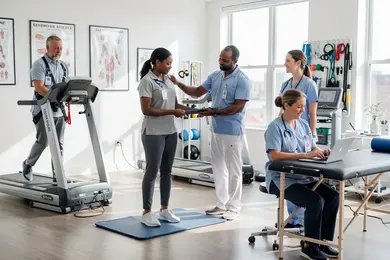
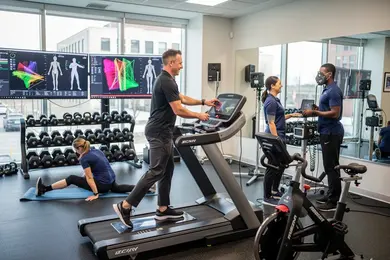
Practical skill development remains a core challenge when comparing online exercise science degrees vs campus programs for sports performance. Sports employers demand competencies like live movement screenings, biomechanical analysis, and immediate corrective action that are difficult to master through remote coursework alone.
For instance, an aspiring exercise physiologist aiming to work with professional teams must demonstrate hands-on experience in dynamic clinical settings, which online programs often struggle to replicate.
While remote exercise science education offers flexibility for working professionals and access to updated curricula, its benefits hinge on partnerships that enable local internships or clinical practicums. Without these crucial experiential components, graduates risk weaker job prospects. In contrast, campus programs frequently include supervised fieldwork and direct mentoring, which provide networking opportunities aligned with employer expectations in sports careers.
The U.S. Bureau of Labor Statistics forecasts a 10% growth rate for exercise physiologists and related professionals from 2022 to 2032, reflecting increased demand for validated practical skills over purely academic knowledge.
Graduates from hybrid programs combining online instruction with mandatory in-person clinical hours tend to align better with workforce needs. Students should carefully weigh access to accredited internship sites, faculty interaction, and employer recognition alongside cost and convenience.
Those assessing degree options may consult data on costs and tuition through resources such as accredited online animal science degree program analyses, which, though focused on a different field, provide comparable financial insights applicable to exercise science contexts.

What careers in sports performance can you pursue with an online exercise science degree?
Graduates of online exercise science careers in sports performance confront a competitive landscape demanding specialized skills beyond foundational knowledge. Roles like sports performance coaches and strength and conditioning specialists require integrating biomechanical principles with real-time athlete monitoring to reduce injury risks while enhancing output.
In practice, a collegiate team's conditioning coach might leverage wearable technology data to adjust training loads daily, illustrating the growing employer expectation for technical fluency alongside domain expertise.
Sports performance job opportunities with an online exercise science degree often extend to exercise physiologists and sports data analysts. Exercise physiologists collaborate with clinical or rehabilitation settings, applying exercise science to cardiovascular and metabolic health, necessitating rigorous analytical capabilities aligned with patient care.
Sports data analysts focus on evaluating performance metrics to inform coaching strategies at various organizational levels. Median salaries for such analytical positions reached $79,990 in 2023, signaling increasing value on quantitative insight within sports organizations.
Advancement in this field hinges on practical experience like internships or motion capture research, which bridge classroom learning with workforce demands.
Continuous credentialing such as CSCS or ACSM certifications remains obligatory for sustained employability. For students assessing educational pathways, comparing an online exercise science degree to other alternatives, such as a computer science online degree, may clarify prospects in sports technology and data analytics versus traditional exercise physiology tracks.
What accreditation should online exercise science programs have to be recognized by employers and graduate schools?
Employers and graduate programs in health and sport fields often require that online exercise science degrees come from CAAHEP-accredited programs to ensure candidates meet industry standards for clinical and professional competence.
Without this specialized accreditation, individuals aiming for certifications such as ACSM Certified Exercise Physiologist or Certified Strength and Conditioning Specialist (CSCS) may be blocked from eligibility, delaying entry into critical roles or advanced studies.
While regional institutional accreditation by CHEA-recognized agencies is standard, it does not replace the program-specific rigor that CAAHEP accreditation demands for graduate school acceptance or licensure eligibility. Selecting an accredited online exercise science degree for employer recognition reduces the risk of needing extensive additional coursework or facing extended certification wait times.
Affordability is a practical concern: some programs like Liberty University have maintained tuition hikes below 5% over the past decade, ranking within the top 35% for cost-effectiveness among online options in 2025. This balance of stable tuition and recognized accreditation supports favorable return on investment for students.
The workforce impact is clear: graduates from non-accredited programs often experience longer paths to certification and employment, whereas accredited credentials align with employer expectations for direct hire or graduate admission, affecting both salary potential and career trajectory.
For students weighing the cost-benefit of an online degree, it is advisable to compare program accreditation and cost stability alongside regional affordability rankings such as those found in a data science degree online market analysis, reflecting similar considerations in educational ROI.
What courses and concentrations are typically offered in online exercise science programs focused on sports performance?
Online exercise science programs designed for sports performance typically integrate foundational coursework in anatomy, physiology, kinesiology, and biomechanics with specialized paths like strength and conditioning or sports nutrition.
Yet, beyond core knowledge, mastery of nuanced topics such as advanced periodization or sport psychology often separates candidates in competitive hires-for instance, a strength coach moving into collegiate athletics must navigate recovery science and rehabilitation protocols that go deeper than standard curriculum.
Current programs emphasize practical skill development aligned with employer demand, including proficiency in data analytics tools for movement assessment and certification readiness (like CSCS or ACSM). These competencies directly affect employability and effectiveness in sports settings.
Designed to serve professionals balancing work and continuing education, many programs adopt asynchronous formats with flexible timelines. The University of Glasgow's part-time online Sport and Exercise Science & Medicine MSc, for example, charges a flat £15,000 over six years, allowing extended pacing but potentially delaying career progression compared to accelerated tracks.
Prospective students should weigh such trade-offs carefully:
- Longer duration improves flexibility but risks postponed workforce impact.
- Faster completion demands intensive time commitment but accelerates access to advanced roles.
- Alignment of course content with targeted roles substantially influences earning potential and job performance.
Understanding these program structures relative to professional objectives and labor market criteria sharpens strategic decision-making in the evolving field of exercise science.
What are the admission requirements and prerequisites for online exercise science degrees?
Admission for online exercise science degrees in 2026 is increasingly tied to academic rigor and relevant preparation reflective of labor market demands. Undergraduate applicants typically need a high school diploma, while graduate candidates must hold a bachelor's degree in exercise science, kinesiology, biology, or related fields, often with a minimum GPA of 3.0.
This threshold is especially significant for master's programs emphasizing analytics and specialized sports performance skills, where competitors usually bring strong quantitative backgrounds.
Prerequisite coursework in anatomy, physiology, chemistry, and statistics is common and non-negotiable for many programs. Candidates lacking this foundation often face the practical barrier of completing these courses before fully enrolling, which can delay their entry and extend time-to-degree completion. Admission committees sometimes require GRE scores, but many are shifting toward holistic evaluations prioritizing professional experience and demonstrated analytical capability.
Letters of recommendation and personal statements must clearly articulate experience within sports science contexts, especially around data interpretation and applied coaching techniques. This mirrors employer expectations for candidates who can translate biomechanical and statistical understanding into actionable sports performance insights.
Workforce data shows a tangible salary premium for graduates possessing data analytics competencies. For instance, East Texas A&M University's MS in Sports Science and Data Analytics reports median earnings from $58,160 for sports scientists to $79,990 for sports statistical analysts, illustrating the advantage of combining applied science with analytics expertise.
Prospective students pivoting careers must weigh the time and academic prerequisites carefully, ensuring these align with their professional goals and the realities of competitive admissions for online programs that target high-demand roles in exercise science.
How long do online exercise science programs take, and what do they cost compared to campus programs?
Completing a bachelor's degree in exercise science online typically matches the 3 to 4 years required on campus but demands greater self-discipline to manage pacing and avoid delays. Accelerated tracks can shorten this to around 2.5 years, which suits working professionals able to commit to intensive or year-round courses. The critical tradeoff lies in balancing flexibility with the risk of extended timelines if time management falters.
Cost considerations often favor online programs, which generally have lower tuition-ranging from about $7,500 to $10,000 annually compared to $9,000 to $12,000 for on-campus counterparts-and reduce expenses like housing and transportation. However, candidates should budget for potential technology or proctoring fees that partially offset savings.
Employers in sports performance increasingly accept online exercise science degrees, provided they accompany practical experience such as internships or certifications. Without hands-on components, graduates may face hurdles in competitive markets, especially in fields like athletic training where clinical access and direct facility use are essential for licensure and job readiness.
For those seeking rapid workforce entry, accredited online programs with integrated labs or local practicum options present a viable path. Others requiring high-contact skills should consider campus or hybrid formats to meet employer standards and licensure prerequisites effectively.
What certifications or licenses are common for sports performance roles after an exercise science degree?
Certification choices after an exercise science degree critically shape job prospects and earning potential within sports performance roles. For positions involving competitive athletes at collegiate or professional levels, the Certified Strength and Conditioning Specialist (CSCS) credential is often mandatory, requiring a bachelor's degree plus passing a demanding exam focused on biomechanics, nutrition, and program design.
In contrast, Certified Personal Trainer (CPT) certifications-usually offered by NASM, ACE, or ACSM-are more accessible but correspond with lower average salaries and primarily target entry-level fitness roles.
State licensure for athletic trainers (ATC) governs clinical positions centered on injury prevention and rehabilitation. Obtaining ATC status involves graduating from a CAATE-accredited program and clearing the Board of Certification exam; without this, opportunities in medical or rehabilitation settings become sparse.
Additional niche certifications like Functional Movement Screen (FMS) or Tactical Strength and Conditioning Facilitator (TSAC-F) serve applied environments such as military fitness or professional sports, enhancing employer preference and specialization.
Students face significant tradeoffs balancing certification expenses and timelines against degree costs while employers prioritize candidates presenting a blend of formal education and recognized credentials. Early strategic planning aligned with role-specific certifications and state licensure is essential to avoid delayed career entry in a highly competitive job market. Online master's programs in exercise science average $30,780 annually.
What are the salary expectations and job outlook for exercise science graduates in sports performance roles?
Exercise science graduates aiming for sports performance roles face a distinct salary and experience spectrum that directly reflects their educational and practical investments. Entry to mid-level positions typically offer median salaries between $50,000 and $60,000 annually, but surpassing $70,000 often requires advanced certifications or graduate degrees.
For example, NCAA Division I strength coaches earn between $60,000 and $90,000, yet these roles routinely demand 3-5 years of relevant experience and specific licensure.
Employment growth for fitness trainers and instructors is projected at 16% over the decade according to U.S. Bureau of Labor Statistics data, signaling robust demand. Nevertheless, breaking into higher-paying niches such as strength and conditioning or sports physiologist roles usually involves more than academic credentials; employers expect applied competencies in performance assessment, data analytics, and individualized programming.
Geographic location and institutional level create further variance: metropolitan and elite programs pay more but attract stiff competition. Online master's programs, such as Northern Kentucky University's, accommodate working professionals by allowing upskilling without income disruption, a necessary balance for those managing job transitions or family commitments.
Graduates improve their marketability by pursuing licensure-Certified Strength and Conditioning Specialist credentials are particularly valued-alongside accumulating practical experience. Without combining academic credentials, certifications, and sector networking, salary ceilings can remain frustratingly static.
How can you evaluate and choose a reputable online exercise science program for sports performance?
Selecting an online exercise science program demands rigorous scrutiny of accreditation status, curriculum alignment with labor market needs, and verifiable graduate outcomes. Regional accreditation by entities like the Higher Learning Commission is non-negotiable to ensure credits transfer and employers respect the credential.
Programs lacking applied coursework in biomechanics, sports technology, and performance data analysis risk leaving graduates unprepared for roles that require hands-on skills with wearable devices and software often used by collegiate and minor league teams.
Programs emphasizing asynchronous delivery with transparent per-credit costs-such as Concordia University Chicago's $575 rate-offer flexibility but require self-motivation and careful budget planning. These features suit working professionals prioritizing speed and affordability but may sacrifice real-time interaction or onsite practicums.
Employers expect evidence beyond a diploma: data on graduate job placement within 6-12 months, starting salaries, and direct employer feedback. Absence of this outcome data signals increased risk for students investing time and money in degrees that might not translate into relevant employment.
Key considerations include:
- Does the curriculum incorporate current industry tools and methodologies?
- Are faculty experienced practitioners with established sports organization ties?
- What is the balance between cost, pacing, and access to career support?
Evaluating these practical factors distinguishes programs that enable career pivots from those offering nominal credentials with limited labor market impact.
Other Things You Should Know About Exercise Science
Most online exercise science degrees have limited hands-on components, which can restrict direct skill application critical in sports performance. Employers often expect candidates to have lab experience or internships to demonstrate practical competencies. Prospective students should prioritize programs that integrate local clinical placements, supervised internships, or hybrid formats to ensure sufficient real-world exposure alongside theoretical learning.
Specializations like strength and conditioning or biomechanics offer targeted skills that align closely with employer needs in sports settings, improving job competitiveness. However, overly narrow tracks may reduce versatility for broader roles in health and fitness industries. For those focused specifically on athletic performance careers, a relevant concentration is recommended, but maintaining some breadth in foundational courses remains important for adaptability.
Most programs require a computer with webcam and microphone, reliable high-speed internet, and access to basic software such as Zoom, Microsoft Office, and a learning management system. Courses with virtual labs may also require video recording tools or a smartphone for movement analysis and skills demonstrations.
References
- ESSA's career guide for Accredited Exercise Physiologists https://www.essa.org.au/Web/Web/Resources/Tools-and-templates/ESSA-AEP-Guide.aspx
- Exercise Science Jobs & Careers: What Can You Do? https://online.aurora.edu/career-outcomes/exercise-science-career-guide/
- Best Exercise Science Careers - Let's Find out! https://www.ptpioneer.com/personal-training/exercise-science-careers/
- Exercise Science Careers: Paths with Degrees https://www.fitnessmentors.com/exercise-science-careers/
- Exercise science: What exactly is it? https://www.scienceforsport.com/exercise-science/
- Online Exercise Science Program https://stmary.edu/online-programs/exercise-science.html
- Exercise Science Degree Careers, Jobs and Salaries - Peak Physical Therapy and Sports Performance https://peaktherapy.com/blog/exercise-science-degree-careers-jobs-and-salaries/
- Exercise Sciences https://www.caahep.org/committees-on-accreditation/exercise-science
- International Clinical Exercise Physiology Qualification Application Pathways https://icsesp.global/resources/international-clinical-exercise-physiology-recognition-opportunities/
- Online Exercise Science Degrees: Top School Review https://www.edumed.org/online-schools/exercise-science-degrees/