2027 First Exercise Science Roles for Career Changers Entering Performance Work

Co-Founder and Chief Data Scientist
Career changers entering exercise science performance roles often face a critical bottleneck: identifying pathways that balance accelerated skill acquisition with employer expectations for hands-on experience. The National Center for Education Statistics reports a 28% surge since 2022 in adult learners enrolling in hybrid and online exercise science programs, signaling growing demand for flexible options.
Yet this trend complicates decisions, as limited clinical and lab exposure in some programs can hinder readiness for performance-centered jobs that prioritize applied assessment and intervention competencies. This article examines first-entry roles and education strategies that optimize both workforce integration and practical skill development for nontraditional students aiming to pivot successfully into exercise science performance careers.
Key Things You Should Know
- Post-baccalaureate exercise science roles often demand certification beyond a bachelor's degree; 62% of employers surveyed by the National Strength and Conditioning Association require CSCS certification, creating a tradeoff between time invested and job eligibility.
- Healthcare and collegiate sports sectors show a 17% growth in exercise science-related roles through 2030, per U.S. Bureau of Labor Statistics, intensifying competition and driving employers to seek candidates with practical internships over academic credentials alone.
- Average cost for accredited exercise science programs plus certification trails $25,000, which delays career transitions by 18 months on average, disproportionately affecting career changers balancing immediate income needs with retraining investments.
What are the best first exercise science roles for career changers entering performance work?
Transitioning into performance roles within exercise science often hinges on a critical tradeoff between immediate employment in entry-level positions and investing time in formal credentials. Positions as exercise physiologists demand a bachelor's degree and certification, offering a median annual wage of $58,160 and a projected 9% job growth through 2034-a stronger outlook than many comparable fields. This pathway suits career changers targeting upward mobility with defined benchmarks.
Conversely, strength and conditioning assistants provide faster workforce entry but expect specific sport programming knowledge and biomechanics fundamentals.
While salaries start lower, these roles accelerate practical understanding of athlete performance data in environments like collegiate athletic programs or private facilities. Rehabilitation aides, another common entry point, support therapists by preparing patients and managing equipment, valuable for those without clinical backgrounds contemplating future movement toward physical therapy or clinical exercise physiology.
For professionals evaluating the best entry-level exercise science jobs for career changers in performance, weighing education costs, credential requirements, and long-term job stability is essential. Employers increasingly prioritize applied skills, clinical experience, and measurable outcomes over academic titles alone. Aligning initial roles with focused career goals enhances the likelihood of advancement.
Those intrigued by the administrative side of athletics may also explore pathways on how to become an athletic director, which opens further opportunities within the broader sports performance ecosystem.
Understanding top first exercise science positions for professionals transitioning to performance roles requires pragmatic evaluation of where each role fits on this spectrum of immediacy, skill-building, and credential complexity.
What does an exercise science performance career path look like for adult career changers?
Adult career changers pursuing exercise science career opportunities for adult career changers in the US encounter a complex landscape requiring a bachelor's degree in exercise science, kinesiology, or a related field, often complemented by certifications in performance areas like strength conditioning or sport psychology.
Practical experience through internships or supervised clinical hours, such as 500+ practicum hours in clinical exercise physiology, extends transition periods to 2-3 years for many professionals.
A mid-career pivot-for example, a finance professional moving into clinical exercise physiology-illustrates the significant time and financial investments necessary to meet licensure and certification standards.
The labor market for exercise science professionals shows structural stability but limited growth, with roughly 1,700 annual job openings mostly from replacement needs through 2034. This means new entrants must compete with recent graduates and incumbent workers maintaining credential renewal and specialization.
Successful candidates demonstrate competencies in exercise testing, program design, and data interpretation, while transferable skills like data analysis and client communication provide an edge without substituting formal qualifications. Transitioning to performance roles with an exercise science background for adults demands balancing certification costs, time, and typically modest entry-level salaries, often starting near $50,000 annually.
Those focusing on athletic training or rehabilitation may find clearer advancement pathways with professional networking in specialized communities. Strategic decision-making involves weighing short-term income reductions during credentialing against longer-term stability. Prospective students may also consider complementary studies, such as a nutritional science degree online, to enhance versatility in this competitive sector.
What exercise science degrees or certificates do you need to start in performance roles?
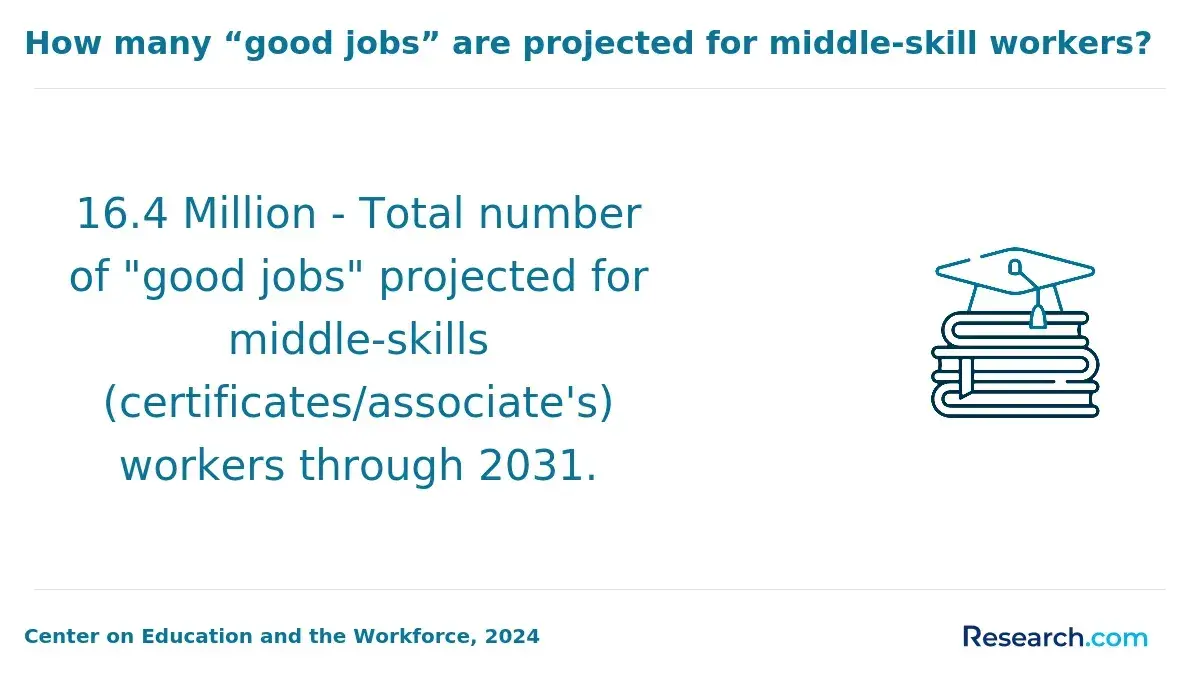
Hiring trends in performance roles emphasize practical credentials combined with foundational academic knowledge. For those seeking exercise science degrees for performance careers, a bachelor's degree remains the minimum qualification employers accept, particularly when paired with certifications like Certified Strength and Conditioning Specialist (CSCS) or Certified Personal Trainer (CPT).
These certifications demonstrate applied skills that often accelerate entry into sectors such as professional sports, military fitness, or corporate wellness.
Students who aim beyond entry-level must weigh the tradeoffs between faster entry and long-term advancement. Graduate credentials-a master's degree or specialized certificates-are generally required for positions involving sports performance analysis, rehabilitation, or research-driven roles.
For example, a Master of Science in exercise science or a targeted graduate certificate enhances eligibility for collegiate strength coaching or clinical exercise physiology. Programs incorporating data-driven performance metrics better prepare candidates for employer expectations in these advanced areas.
Experience gained through internships or apprenticeships is not optional; it often outweighs formal education alone in hiring decisions across industries like pro sports, health clinics, or military performance units. According to Sacred Heart University, job growth for exercise and sport scientists is projected at roughly 20% through 2028, with salaries typically ranging from $54,000 to $83,400 annually. Balancing practical experience with credentials remains key.
One practical consideration for career changers is selecting programs that integrate hands-on exposure alongside theoretical training. The growing demand means that certifications needed to start performance roles in exercise science are increasingly targeted at candidates proficient in statistically based training methods.
Those looking for alternative master's pathways may consider fields like library science master's as a strategic pivot, depending on individual career goals and market niches.
How do online and campus-based exercise science programs compare for performance-focused careers?
Campus-based exercise science programs for performance careers consistently outperform online options in delivering hands-on training vital for roles such as strength and conditioning coaching or athletic training. Practical experience with lab equipment, in-person coaching practicums, and biomechanical assessments form the core of employability in performance-focused exercise science program comparisons in the US.
Employers often require documented proficiency that online programs struggle to provide without students independently securing external placements.
Conversely, online programs offer flexibility suited to working professionals or those unable to relocate but lack immersive physical skill development, which delays readiness for high-performance careers. Decision-making therefore involves trading higher campus program costs and fixed residency against the need for deliberate supplementary practical training when choosing online pathways.
For example, graduates targeting collegiate sports performance staff roles benefit from structured, faculty-monitored internships common in campus settings, easing entry barriers. UK employment data reveals only 13% of sport and exercise science graduates work as sports coaches or instructors 15 months post-graduation and 9% enter secondary education teaching, indicating challenges even for campus-trained candidates.
Prospective students should consider these workforce realities in light of logistic and financial constraints to determine how best to achieve desired career outcomes. Further context on related educational opportunities can be found in data science degrees relevant for interdisciplinary skill sets.
How can you verify accreditation and program quality in exercise science schools?
Accreditation in exercise science programs is a baseline for ensuring the curriculum meets professional standards, but its practical value hinges on measurable outcomes like certification pass rates and graduate employment. Reliable accreditation comes from entities such as the Commission on Accreditation of Allied Health Education Programs (CAAHEP) or the Distance Education Accrediting Commission (DEAC) for online studies.
However, verifying this through the U.S. Department of Education's Database of Accredited Postsecondary Institutions helps avoid diploma mills that can hinder employability.
Graduates face an employment landscape where data transparency on job placement-especially roles such as health and wellness directors-is increasingly demanded by employers. For example, the national average salary for a U.S. director of health and wellness is $69,833 annually, a figure reflecting the premium placed on well-prepared candidates with hands-on experience.
An emerging reality is the value of internship-linked programs for candidates targeting performance roles within professional sports or rehabilitation clinics, where practical skills often equal accreditation in hiring decisions. Conversely, adult learners juggling employment should consider accredited online options with flexible schedules, paying close attention to clinical practicum requirements and credit transfer policies to maintain workforce relevance.
- Confirm accreditation through recognized bodies and government databases to ensure institutional legitimacy.
- Assess graduate outcomes with a focus on certification pass rates and employment transparency.
- Prioritize programs offering internships or clinical partnerships matched to career goals.
- Weigh flexible scheduling and transfer policies for those balancing full-time work.
What core courses and practical training prepare you for performance-focused exercise science jobs?
Programs focusing on exercise science for career changers must integrate both biomechanical analysis and exercise physiology to prepare professionals for roles demanding precise performance improvements and rehabilitation. Mastery of these core areas shapes training plans tailored to athletic or occupational needs, ensuring effective conditioning and recovery.
Hands-on experience via internships or practica in environments like sports facilities or rehabilitation centers is vital. For instance, managing a collegiate sports facility involves operational responsibilities including scheduling, compliance, and maintenance, directly influencing athlete safety and readiness.
Key workforce expectations include certifications in first aid and CPR plus familiarity with strength and conditioning protocols. Proficiency in data collection and analysis software is often required to monitor athlete performance metrics and adjust programming accordingly.
Technical expertise extending to emergency response, nutrition basics, and psychological factors enhances employability beyond entry-level roles. Without this breadth, candidates risk stagnating in assistant positions rather than progressing to management or leadership.
Students should prioritize programs with comprehensive lab work and internships to reduce post-graduation ramp-up time. The national average salary of $69,454 for U.S. sports facilities managers reflects how scientific knowledge combined with practical skills commands competitive compensation.
What admission requirements and prerequisites do exercise science programs have for career changers?
Admission to exercise science programs for career changers requires navigating key academic and experiential thresholds that directly influence employability and workforce readiness. Typically, a bachelor's degree from an accredited institution suffices for entry, but programs expect proficiency in foundational sciences such as biology, chemistry, anatomy, and physiology.
Missing these prerequisites often means delaying full admission or facing provisional coursework, which affects time to workforce reentry and upfront costs.
Practical exposure is not optional; many programs mandate documented experience-through internships, volunteer roles, or employment-in health or fitness settings. This prepares students to meet employer expectations for applied skills alongside theoretical knowledge, particularly in specialized career tracks.
For instance, those targeting athletic scouting-a role with a national average salary of $50,874-should prioritize programs that integrate internship placements connecting candidates to relevant sports organizations.
Graduate-level applicants might need GRE scores, although some schools waive this in recognition of professional experience. Letters of recommendation and statements of purpose remain critical to convey commitment and clarify career objectives.
Students must weigh tradeoffs: completing prerequisites prolongs study and costs but skipping them risks insufficient technical preparation. Opting for programs with flexible prerequisite options, relevant experiential opportunities, and transparent employment outcome data aligned with performance-focused careers enhances strategic decision-making.
How long do exercise science programs take, and what tuition and other costs are typical?
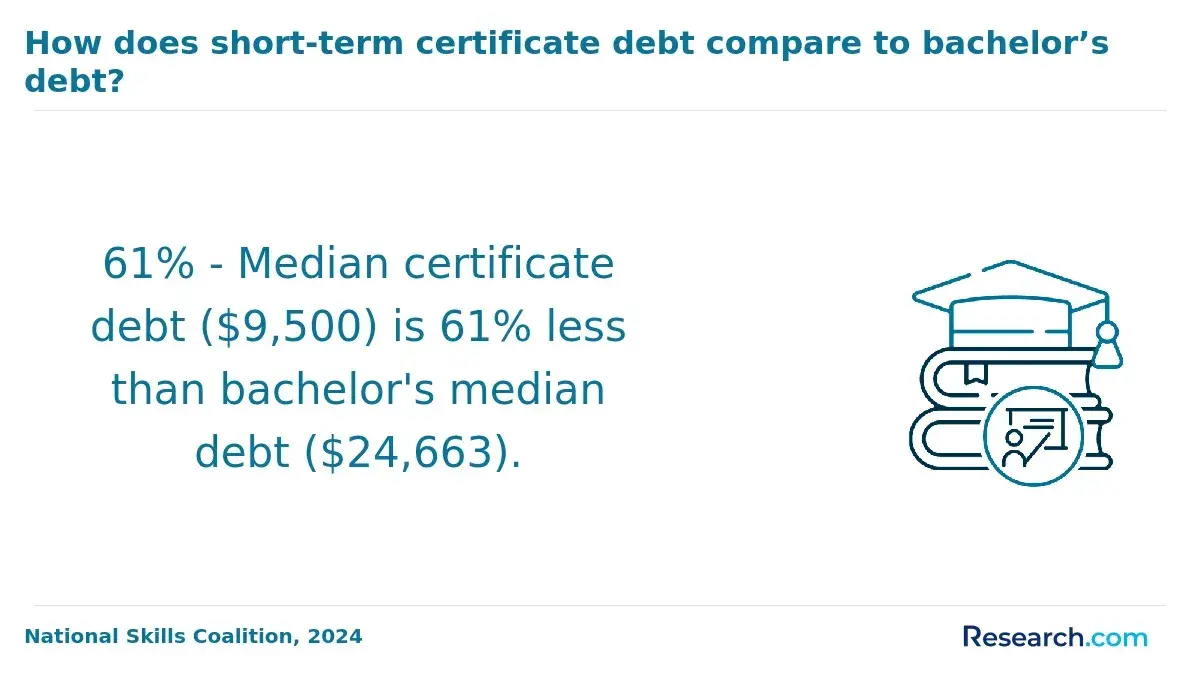
Deciding on an exercise science program necessitates balancing time, cost, and expected workforce entry points against employer demands and certification requirements. Associate degrees typically demand about 2 years and cost $6,000 to $15,000, suitable for entry-level support roles in fitness or rehabilitation.
Bachelor's degrees extend to 4 years with tuition often between $20,000 and $60,000, targeting roles like strength and conditioning coaching, where certifications may supplement academic credentials.
Graduate degrees, especially master's programs lasting 1 to 3 years post-bachelor's and costing $15,000 to $50,000 annually, become essential for clinical exercise physiologists and certain licensed healthcare roles. Professional degrees linked to exercise science, such as physician assistant studies, require 2 to 3 years after a bachelor's, frequently exceeding $50,000 per year. These pathways lead to significantly higher median salaries but involve heavier debt and opportunity cost.
Beyond tuition, anticipate annual expenses of $1,000 to $3,000 for textbooks, equipment, and certifications, plus unpaid clinical internships that reduce earning capacity during training.
Strategic choices revolve around:
- Weighing faster, cheaper credentials against eligibility for high-earning, licensed positions
- Understanding how partial certifications or accelerated options may reduce lost income
- Recognizing that longer programs commonly align with roles paying above $70,000, while top medical professions exceed $290,000 annually
These practical considerations should guide decisions beyond sticker price or degree level alone, emphasizing pathway relevance to intended subfields and realistic workforce integration.
What entry-level performance roles, employers, and work settings are common for new graduates?
Entry-level roles for exercise science graduates differ significantly in work environment and credential requirements, influencing both early career stability and earning potential.
Collegiate and professional sports positions often demand advanced certifications like CSCS and extensive unpaid internships, emphasizing athlete training and performance monitoring with variable schedules and frequent travel. In contrast, corporate wellness or rehabilitation positions prioritize formal licensure, steady hours, and programmatic data management, offering more predictable work-life balance but potentially less direct athletic engagement.
The average starting salary ranges broadly between $54,000 and $83,400 annually, reflecting the diversity in job functions and employer types. For instance, a strength and conditioning coach at a Division I university faces intense performance-based responsibilities and travel compared to a wellness coordinator focusing on employee health initiatives within a corporate setting.
Practical experience through internships remains non-negotiable for entry, with employers prioritizing demonstrable hands-on skills alongside academic achievements. New graduates must evaluate tradeoffs between more competitive but unstable sports sector roles and steadier, credential-driven roles in clinical or corporate settings.
What certifications, salary ranges, and job outlook should career changers expect in performance work?
Entering performance-focused roles in exercise science demands certifications typically aligned with exercise physiology, strength and conditioning, or personal training through bodies like the American College of Sports Medicine (ACSM) or the National Strength and Conditioning Association (NSCA).
Candidates without a bachelor's degree in exercise science or related fields face longer pathways, as advanced certifications such as Certified Exercise Physiologist or Strength and Conditioning Specialist increasingly influence hiring decisions in both clinical and athletic domains.
Practical field experience is a critical barrier; hands-on practicum requirements often delay full workforce entry and compound challenges for career changers balancing current jobs. Opting for certificate programs with flexible schedules and recognized accreditation mitigates friction.
Employment outlook projects a 10% growth rate through 2033, generating approximately 1,600 new positions annually. This demand favors applicants blending academic credentials, licensure, and applied skills-particularly in settings emphasizing data-driven programming and biometric monitoring.
Salary for entry-level positions generally ranges from $45,000 to $65,000 but tilts higher in collegiate athletics or rehabilitation centers. Mid-career professionals can expect $70,000 to $90,000, reflecting accrued expertise and certifications. Variability across geographic and industrial sectors remains significant, which underscores the need to target local labor markets where healthcare providers or sports organizations cluster.
- Certification pathways require a bachelor's degree foundation for most recognized credentials.
- Supervised practicum components introduce logistical challenges, delaying credential completion.
- Employer preferences prioritize combined credentials and demonstrable applied skills.
- Growth is robust but stratified by region, setting, and level of specialization.
Other Things You Should Know About Exercise Science
A common first role is strength and conditioning assistant or performance intern. Employers often ask for a bachelor’s degree in exercise science or kinesiology, CPR/AED certification, and 200 to 400 hours of supervised practicum or internship experience before independent coaching duties.
Early specialization can accelerate entry into specific performance roles but limits flexibility if career goals shift or market demand changes. A broad foundational program provides wider job prospects initially but may result in slower advancement in targeted areas without subsequent certifications or experience. Career changers should prioritize programs offering core versatility paired with clear pathways to specialization, balancing immediate employability against long-term career agility.
Employers in performance work often expect a degree specifically in exercise science or kinesiology due to direct relevance, favoring candidates with coursework aligned to biomechanics, physiology, and applied methods. Degrees in general health sciences or wellness typically require supplemental certifications or experience to compete effectively. Decision-makers should weigh how closely their academic credentials match job requirements to avoid gaps that limit interview opportunities.
Simultaneous certification pursuit can improve employability but risks overloading students, especially if balancing work and study. Prioritizing degree completion first usually ensures mastery of foundational knowledge critical for certification exams and practical applications. However, if a program integrates certification preparation into the curriculum, it can streamline credentialing and reduce total time to qualification in performance roles.
References
- Career Change Success Rate: What the Data Really Says (2026 Guide) | AscendurePro https://ascendurepro.com/career-change-success-rate/
- Online Exercise Science Degrees: Top School Review https://www.edumed.org/online-schools/exercise-science-degrees/
- ESSA's career guide for Accredited Exercise Scientists https://www.essa.org.au/Web/Web/Resources/Tools-and-templates/ESSA-AES-Guide.aspx
- Exercise science: What exactly is it? https://www.scienceforsport.com/exercise-science/
- What does a career in Exercise Science look like? https://www.lmc.edu/about/news-center/articles/2025/what-does-a-career-in-exercise-science-look-like.htm
- Beyond the Gym and the Field: Career Paths You Might Not Expect https://www.snu.edu/blog/beyond-the-gym-and-the-field-career-paths-you-might-not-expect
- Re-Thinking Entry-Level Job Requirements Can Connect Employers With the Right Talent | Generation https://www.generation.org/news/re-thinking-entry-level-job-requirements-can-connect-employers-with-the-right-talent/
- Career Change From IT: The Best Options, Salaries, and How to Make the Switch https://trainingcamp.com/articles/career-change-from-it-the-best-options-salaries-and-how-to-make-the-switch/
- How Certification Can Change Your Career in 2026 https://ieatraining.org/how-certification-can-change-your-career-2026
- CourseCareers https://coursecareers.com/blog-posts/15-careers-you-can-start-with-no-experience-or-degree