2027 Exercise Science Specializations That Best Match Performance and Conditioning Careers

Co-Founder and Chief Data Scientist
Choosing the right specialization in exercise science directly impacts a professional's ability to meet employer requirements in sports performance and conditioning roles, where demand for advanced, applicable expertise increases yearly.
Over 40% of students pursuing health-related degrees in 2024 opted for flexible, online or hybrid formats according to the National Center for Education Statistics, signaling a shift in accessibility that affects when and how learners can reskill or upskill while working.
This trend highlights the need to prioritize specializations that align not only with labor market demand but also with adaptable program structures suited to nontraditional students. This article examines exercise science specializations strategically matched to performance and conditioning careers, enabling informed choices that balance immediate employability and sustainable career mobility.
Key Things You Should Know
- Exercise science specializations tied to certified strength and conditioning roles yield a 15% median wage premium, but require costly CSCS credentials, extending full workforce entry by 12-18 months per National Strength and Conditioning Association data.
- Employers prioritize candidates with integrated biomechanics and data analytics skills, reflecting a 27% increase in job postings demanding quantitative assessment capabilities, reshaping curricula toward tech-driven training.
- Programs focused on clinical exercise physiology face workforce saturation risks, with BLS reporting 3.5% growth slower than average, prompting strategic pivots toward preventive health and performance analytics to sustain employability.
What exercise science specializations align best with performance and strength and conditioning careers?
Specializations in strength and conditioning and human performance are best suited for those targeting performance-focused exercise science career paths, but navigating these requires balancing technical knowledge with practical application. Graduates equipped with biomechanics, exercise physiology, and sport nutrition expertise design training programs that measurably enhance athlete outcomes. However, a purely theoretical focus can limit employability in this competitive niche.
Positions in elite sports organizations have expanded by about 10-15% yearly since 2020, driven by data-driven performance methods. Employers increasingly expect candidates to demonstrate hands-on experience with technologies like GPS tracking and heart rate variability analytics.
For example, a strength coach tailoring workout loads for collegiate footballers depends heavily on biomechanics specialization to mitigate injury risks and enhance performance-showcasing the critical nature of applied learning in exercise science specializations for strength and conditioning careers.
Students focused on applied exercise physiology often find advantages in roles involving tactical athletes or rehabilitation, where physiological metrics directly inform recovery and endurance strategies. Practical certification opportunities during studies markedly improve marketability since industry demand favors interdisciplinary skill sets over purely academic credentials.
Choosing a specialization that integrates sports technology with physiological foundations influences not only job prospects but also income potential. For clearer expectations on compensation within related domains, reviewing standard benchmarks such as the sports analyst salary can provide relevant context for making informed career decisions.
What degrees are needed to work in strength and conditioning and performance training?
The threshold credential for strength and conditioning and performance training careers is typically a bachelor's degree in exercise science, kinesiology, or a closely related field; however, employers distinctly favor accredited programs integrating coursework in anatomy, physiology, biomechanics, and sports nutrition.
Specialized certifications like the Certified Strength and Conditioning Specialist (CSCS) frequently serve as mandatory supplements, ensuring practical competence beyond academic theory. For positions requiring advanced clinical or research expertise, a master's degree in exercise physiology or clinical exercise science becomes a functional necessity, expanding knowledge in program design, assessment methods, and rehabilitation techniques to address medically complex athlete populations.
For instance, strength and conditioning degree requirements for performance training careers vary by employment context. Professional sports strength coaches generally must combine formal education with documented internships or assistant coaching roles, contrasting with commercial fitness trainers who often need only a bachelor's degree alongside certifications and client management experience.
The job outlook supports this stratification: the Bureau of Labor Statistics projects a 9% growth for exercise physiologists over the next decade, with roughly 1,700 annual openings and a median wage near $58,160, underscoring demand for specialized clinical skills.
Degree selection demands close attention to program accreditation, embedded internships, and alignment with certification prerequisites such as those set by the National Strength and Conditioning Association (NSCA). Practical considerations also influence feasibility, including part-time study availability and hands-on practicum access, especially for working professionals aiming to pivot careers.
Prospective students navigating these tradeoffs might also explore relevant pathways like an animal science degree online when interdisciplinary skills are applicable.
Prioritizing academic programs known as the best academic programs for strength and performance coaching means balancing these operational realities against long-term employability. This involves reducing retraining redundancies and meeting state licensing where applicable, ensuring educational investments translate directly into workforce readiness.
How do online and campus exercise science programs compare for performance-focused students?
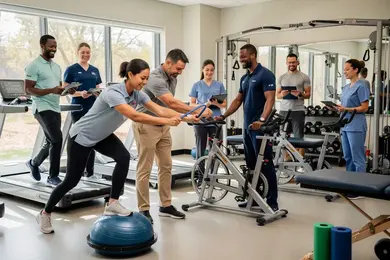
Students focused on conditioning careers must recognize that campus and online exercise science programs serve distinct employer expectations and practical requirements. Campus programs excel in providing essential hands-on labs, specialized equipment access, and live coaching, all vital for skill mastery in biomechanics or metabolic conditioning.
For example, those preparing for athlete performance roles gain direct mentorship and peer collaboration that enhance technique refinement under supervision. This immersive environment supports internships often facilitated through athletic or clinical partnerships, which can significantly boost job prospects.
In contrast, online study offers flexibility suited for working professionals seeking to deepen theoretical knowledge or earn certifications without interrupting employment. Such programs, however, typically face challenges in replicating kinesthetic learning and fulfilling clinical hours demanded in high-performance fields. Online curricula must rely on virtual labs or required field placements, which remain less standardized and can limit immediate career pipeline access.
Students evaluating the best online vs campus exercise science degrees for conditioning careers should weigh these tradeoffs carefully. Optimal choices include programs with transparent field placement outcomes and strong employer ties, as the absence of direct applied experience often results in extended job searches or the need for additional certification.
The Department of Sports Nutrition and Metabolic Conditioning at Calvin University notes a 7% employment growth projection for nutritionists and dietitians from 2022 to 2032, indicating rising demand for applied competencies emphasized by campus training. Prospective students may also consider overall computer science cost as a comparative model for evaluating program investment relative to career outcomes.
What core coursework and lab experiences prepare students for conditioning and performance roles?
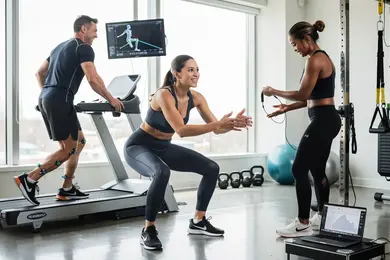
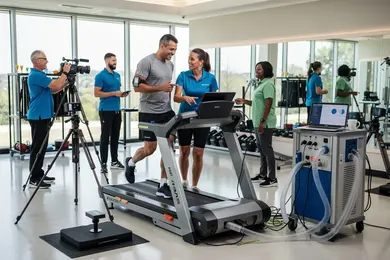
Conditioning and performance roles demand a precise balance between technical expertise and broad foundational knowledge, with core coursework and lab experiences centered on biomechanics, exercise physiology, and strength training methodologies. Without sufficient lab hours in advanced biomechanics-where motion capture and force plate technology are utilized-graduates face challenges in employability, as employers value detailed biomechanical monitoring for athlete optimization.
Essential exercise science courses for performance coaching include metabolic testing, muscle biopsy analysis, and cardiovascular assessment protocols, equipping students to evaluate athlete conditioning and guide recovery effectively. Employers also expect proficiency in statistical analysis and research methods, using tools like SPSS or R to interpret athlete workload data and develop evidence-based interventions, a skill often underrepresented in typical curricula.
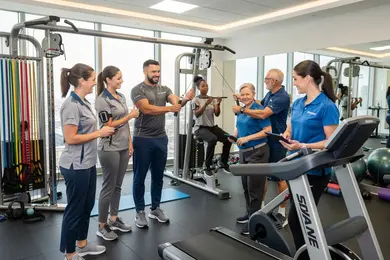
Practical internships or clinical practicums with diverse athlete populations-from youth development to elite professionals-are critical for mastering adaptive programming and workload periodization in dynamic settings. This real-world experience is a key differentiator in preparing students for the varied demands of athletic conditioning.
The tradeoff between deep technical training and a comprehensive understanding of athlete management shapes career readiness. Programs that miss this balance risk producing either narrowly skilled or underprepared graduates.
For those evaluating programs or considering a strategic shift into this field, comparing laboratory training in exercise science for athletic conditioning is essential. Additionally, opportunities exist to complement this pathway with an online master's in data science to enhance quantitative competencies in performance roles.
How does accreditation impact exercise science programs and careers in strength and conditioning?
Accreditation significantly influences employability and credential eligibility in strength and conditioning-focused exercise science programs, especially within tactical fields like military and public safety. Since 2020, there is growing demand for certified professionals capable of improving operational readiness and reducing injuries-demand primarily satisfied by candidates graduating from accredited programs.
For example, federal agencies typically require credentials like the CSCS, which rigorously demand completion of an accredited degree. Graduates from non-accredited institutions often face hiring barriers regardless of their hands-on experience or personal skill. Employers increasingly prioritize candidates with standardized academic foundations aligned to industry benchmarks.
Tradeoffs between accredited and non-accredited programs include:
- Lower upfront costs in non-accredited degrees versus longer job searches and fewer direct pathways to certification
- Greater access to clinical internships and applied training in accredited programs enhancing practical competence and network-building
- Impact on salary negotiation leverage and long-term career mobility tied to renewal and recertification based on accredited education
Choosing an accredited exercise science program thus blends educational rigor with strategic workforce positioning, a critical consideration for those targeting tactical strength and conditioning roles demanding both academic validation and field proficiency.
What certifications do performance coaches and strength and conditioning specialists typically need?
Certifications such as the Certified Strength and Conditioning Specialist (CSCS), Performance Enhancement Specialist (PES), and Corrective Exercise Specialist (CES) shape employability through distinct sector expectations rather than interchangeable credentials.
For instance, collegiate strength coaches almost uniformly require CSCS due to its rigorous testing on biomechanics and physiology, while corporate wellness programs often prioritize NASM-PES for its population-wide performance and injury prevention focus.
These certifications are not simply checkboxes; they embody domain-specific competencies crucial for professional credibility.
Prospective candidates must weigh time and financial constraints before committing to these credentials. Most require a bachelor's degree in exercise science or a related field plus documented practical experience, often through internships or mentorships that deliver direct exposure to occupational demands. Preparation spans 3 to 6 months, costing approximately $400 to $1000 per certification when factoring in courses and exam fees.
Fitness labor market projections by Calvin University and the Bureau of Labor Statistics anticipate a 15% employment growth in corporate wellness and occupational conditioning roles by 2032. This trend underscores a tangible demand for professionals equipped with multiple certifications that integrate performance enhancement and injury prevention.
Balancing these credentials strategically allows candidates to align with employer preferences while managing the resource-intensive nature of certification acquisition.
What are typical salaries and earning potential in strength and conditioning and performance careers?
Salary outcomes within strength and conditioning and performance careers vary widely, shaped by certification, experience, and work environment. Entry-level strength coaches in smaller settings often start near $40,000, while seasoned professionals working with collegiate or professional athletes commonly exceed $75,000 annually.
Performance specialists in private clinics or professional sports may reach six-figure earnings when bonuses are factored in, reflecting the premium placed on advanced expertise and verifiable results.
Rehabilitation and return-to-play roles tied to physical or occupational therapy present a distinct pathway with rising demand and competitive salaries. Employment for these practitioners is projected to grow 11-14% over the next decade, with starting salaries frequently above $70,000 and experienced clinicians commanding over $100,000 when holding specialized conditioning credentials.
Prospective candidates must weigh several tradeoffs: pursuing niche certifications can accelerate salary growth in less formal settings, whereas aiming for clinical or professional sports roles typically requires graduate degrees and licensure but offers higher earning ceilings. For instance, a high school strength coach might increase income more rapidly through certifications than by immediately investing time and money into master's programs.
Employers in professional sports and rehabilitation clinics focus on quantifiable performance improvements and injury reduction when selecting hires and negotiating compensation. This underscores the importance of aligning education and certification choices with measurable outcomes to enhance both employability and salary prospects in this competitive space.
What is the job outlook and demand for performance coaches and conditioning specialists?
Demand for strength and conditioning coaches and performance analysts consistently exceeds that for generalist roles, reflecting a shift toward specialized expertise in the sports and athletic training sectors. Organizations-from professional teams to collegiate programs and emerging esports training-prioritize candidates who combine physiological knowledge with advanced skills in performance analytics and individualized athlete programming.
This specialization imposes tangible workforce pressures. Candidates without certifications like CSCS or practical experience in biomechanical assessment and data-driven athlete monitoring face reduced hiring prospects despite broad academic backgrounds in exercise science. For instance, an NFL team may require proficiency in both biomechanical analysis and on-field programming, while a university strength coach role expects abilities in rehab integration and athlete lifestyle management.
Practical tradeoffs include navigating market saturation among general fitness coaches by developing niche qualifications that align closely with employer expectations. Industry data shows job growth rates for performance coaches outpace average employment rates in exercise science by over 10%, but heightened standards mean that students must carefully evaluate curricula that marry exercise science theory with real-world technology application.
- Certification in strength and conditioning combined with hands-on analytics experience is often essential.
- Specialized roles demand fluency in applied performance technology alongside physiological expertise.
- Market saturation of generalist coaches increases competition, favoring candidates with targeted skill sets.
How long do exercise science programs focused on performance and conditioning usually take, and what do they cost?
Choosing an educational path in exercise science requires balancing time, cost, and job market alignment. Associate degrees, typically completed in 2 years with costs ranging from $6,000 to $20,000, prepare students for entry-level roles such as fitness trainers or wellness coaches but limit access to advanced positions.
Bachelor's degrees, usually four years and costing between $40,000 and $120,000, meet hiring standards for collegiate and professional sports environments and open broader employment opportunities.
Graduate-level options-certificates or master's degrees-take 1 to 2 years and cost between $15,000 and $50,000, targeting professionals pursuing specialized roles like clinical exercise physiologists or strength and conditioning specialists. Choosing between accelerated certification and a full degree hinges on tradeoffs: shorter, less expensive credentials may allow quicker entry but restrict career advancement, especially in competitive sectors.
Employer expectations increasingly favor comprehensive academic backgrounds due to wellness's growing prominence; data from Marshall University's Wellness Coaching and Preventive Fitness Programming citing McKinsey's Future of Wellness Survey reveal 82% of U.S. consumers prioritize wellness. For those analyzing program options through the lens of long-term employability, program length, financial investment, and credential relevance must align with specific career targets and workforce demands.
How can prospective students evaluate and choose reputable exercise science schools for performance careers?
Selecting an exercise science program demands attention to measurable outcomes and alignment with employer requirements rather than relying solely on institutional prestige. Accreditation from recognized bodies like CAATE or ACSM is a baseline necessity to ensure curriculum rigor and eligibility for certifications central to strength and conditioning or performance roles.
Employment data provides a clearer picture: for instance, programs with a community health emphasis connected to recreational therapy respond to stable labor market needs. NutritionED reports an average salary of $65,350 for recreational therapists in 2024, with a 4.3% job growth rate through 2033, illustrating the tangible return of integrating practical community programming.
Curriculum specificity shapes marketplace readiness. Degrees focused on applied biomechanics, nutrition, and strength conditioning better serve those targeting athlete performance roles. Access to internships or practicum placements in professional or collegiate settings is critical, given employers prioritize hands-on experience over theory alone.
On-campus options generally offer superior lab access and coaching networks, whereas online formats can limit professional networking essential for performance fields.
Faculty engaged in relevant research and professional partnerships enhance program value and hiring perceptions. Programs that prep students for certifications such as CSCS or CPT align more closely with employer expectations.
Prospective students must account for differences in skill emphases between strength and conditioning versus community recreation therapy roles to avoid misaligned education paths. Balancing cost, completion time, location, and evidence of successful job placement will shape sustainable career trajectories in this specialized labor market.
Other Things You Should Know About Exercise Science
Practical experience is critical; employers prioritize candidates with hands-on training in real-world settings like athletic facilities or rehab centers. Programs offering structured internships or clinical placements significantly improve employability by developing applied skills beyond textbook knowledge. Students should choose programs with robust experiential components to ensure readiness for performance or conditioning roles that demand immediate practical competence.
A bachelor's degree may suffice for entry-level positions, but a graduate degree is often required to access higher-level roles, including leadership or specialized performance coaching.
Graduate programs deepen expertise, improve credential competitiveness, and are favored by employers looking for staff who can manage complex training programs or perform research-based assessments. Prioritizing a master's degree aligns with long-term career growth and opportunities for advancement in this field.
In 2027, specializations such as Strength and Conditioning, Sport Psychology, and Biomechanics align well with performance and conditioning careers. These specialized fields offer targeted skills that meet the demands of athletic optimization, injury prevention, and mental performance, which are crucial for excelling in these industries.
The most recognized credentials are the NSCA Certified Strength and Conditioning Specialist (CSCS), the USA Weightlifting Level 1, and the NASM Performance Enhancement Specialization. For CSCS, candidates need a bachelor’s degree or to be enrolled in the final semester of a bachelor’s program before testing.
References
- So you want to be a sports performance coach… — White Lion Performance https://www.whitelionperformance.com/blog/2019/10/8/becomingastrengthcoach
- Exercise science: What exactly is it? https://www.scienceforsport.com/exercise-science/
- Exercise Science, BS https://www.belmont.edu/academics/majors-programs/exercise-science/
- Top 20 Careers With a Master’s in Exercise Science | PLNU https://www.pointloma.edu/resources/health-sciences/top-20-careers-masters-exercise-science
- How to Become a Strength and Conditioning Coach https://www.origym.ie/blog/become-a-strength-and-conditioning-coach/
- Online Exercise Science Degrees: Top School Review https://www.edumed.org/online-schools/exercise-science-degrees/
- How to Become a Strength and Conditioning Coach in 3 Steps | ISSA https://www.issaonline.com/blogs/strength/how-to-become-a-strength-and-conditioning-coach-in-3-steps
- Strength and Conditioning Degree 2026 - [Tuition & Duration] https://www.ptpioneer.com/personal-training/strength-and-conditioning-degree/
- CSCS Certification | Certified Strength & Conditioning Specialist https://www.nsca.com/certification/cscs/
- Strength and Conditioning Coach | Truest https://www.truest.me/careers/strength-and-conditioning-coach