2027 Exercise Physiologist Roles You Can Target With an Exercise Science Degree

Co-Founder and Chief Data Scientist
For professionals seeking to leverage an exercise science degree, identifying roles that align with evolving industry demands while accommodating personal constraints is a critical challenge. The U. S. Department of Education reports a 15% increase in adult enrollment in health-related online programs in 2024, signaling a shift toward flexible, accessible education pathways crucial for career mobility.
Yet, selecting the right target roles requires understanding nuanced workforce expectations and licensure complexities across clinical, corporate, and community settings. This article outlines specific exercise physiologist positions matched to diverse career goals, aiding readers in navigating practical entry points and advancement options within the field's multifaceted landscape.
Key Things You Should Know
- The National Center for O*NET reports a 13% growth in clinical exercise physiologist roles through 2030, but the $60K median wage limits appeal for those targeting rapid financial returns, pressuring students to weigh training duration against delayed income.
- Employers increasingly demand integrated certifications-like ACSM's Clinical Exercise Physiologist-beyond bachelor's degrees, forcing graduates into costly postbaccalaureate credentialing sequences that extend workforce entry time and expenses.
- Public university exercise science programs average $25K annual in-state tuition per NCES data, making cost a key barrier; however, employer-funded residencies remain scarce, complicating access for lower-income prospects focused on applied clinical settings.
What exercise physiologist careers can you pursue with an exercise science degree?
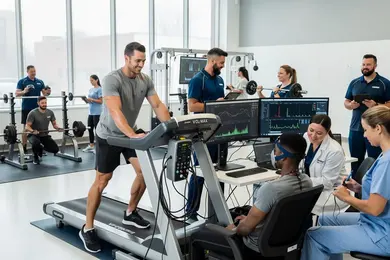
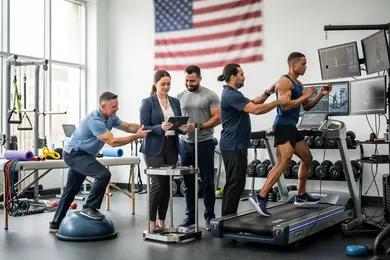
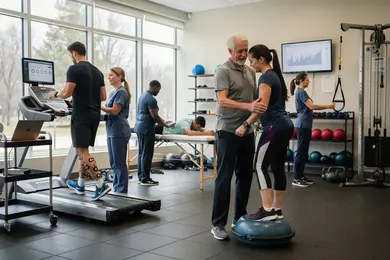
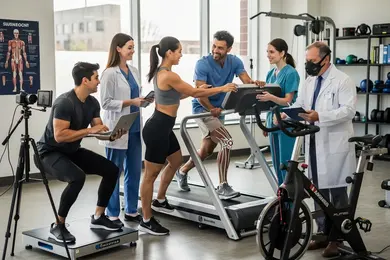
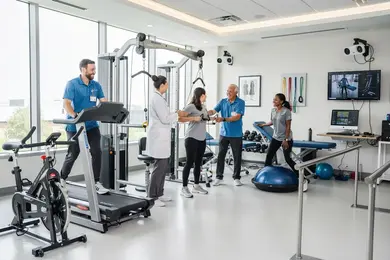
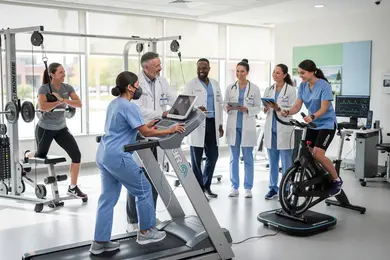
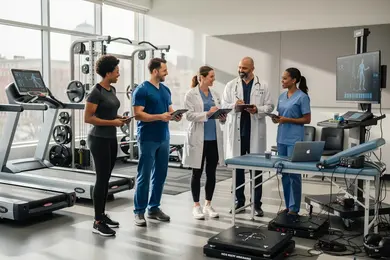
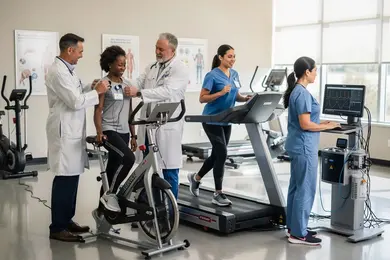
Exercise physiologist job opportunities in the United States demand more than just academic credentials; they hinge on practical certification, clinical experience, and proficiency in technology-driven assessment tools. Clinical exercise physiologists typically work within hospitals or rehabilitation centers, collaborating with multidisciplinary teams to reduce readmissions and improve chronic disease outcomes.
For instance, Australian accredited exercise physiologists generated AU$1.2 billion in healthcare savings by cutting hospitalizations and medical service use, a benchmark reflecting potential economic impact beyond the U.S.
Careers for graduates with an exercise science degree extend to corporate wellness, where professionals design measurable fitness programs that align with productivity goals and reduce sick leave. Another path focuses on sports performance, requiring additional certification in athletic training. These divergent roles illustrate the spectrum of specialization and the necessity of aligning career objectives with credentialing and licensing demands that vary by state and sector.
Tradeoffs include the investment of time and money in postgraduate certification, weighed against improved salary potential and job security. Many employers prioritize candidates with skills in exercise testing, health risk assessments, and evidence-based adaptations tailored to acute and chronic conditions. For students assessing educational pathways, review programs carefully, including options like a sports science degree online, to align academic choice with workforce realities.
What education and training are required to become an exercise physiologist?
Employers hiring exercise physiologists increasingly demand graduate-level qualifications and certifications beyond a bachelor's degree in exercise science due to the complex care requirements in clinical settings. A master's degree in exercise physiology or clinical exercise science coupled with certification from bodies like the American Society of Exercise Physiologists or the American College of Sports Medicine significantly improves employability and scope of practice.
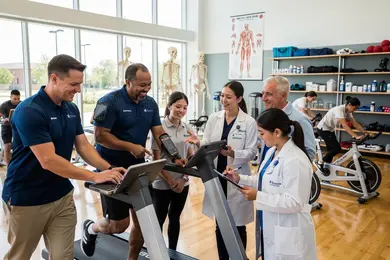
Clinical experience through internships or supervised practicum, especially in cardiac rehabilitation programs, is not optional but fundamental. This experience directly links to improved patient outcomes such as a 47% reduction in all-cause mortality and 31% fewer hospital readmissions over two years.
Prospective students evaluating exercise physiologist degree requirements in the US should critically assess program elements that influence workforce readiness:
- Integration of clinical practicum aligned with healthcare employer standards
- Graduation-to-certification pathways that streamline credential acquisition
- Collaborations with medical facilities providing hands-on training and real patient interaction
Those lacking graduate credentials or certification face constrained career trajectories within healthcare systems prioritizing measurable patient outcomes. Therefore, evidence-based credentialing and experiential training remain crucial for effective entry and advancement in clinical cardiac rehabilitation or chronic disease management.
Considering these factors alongside specialized offerings like an accredited online animal science degree illustrates the wider landscape of practical training options for health-related science careers.
What entry-level and advanced exercise physiologist roles exist in clinical and fitness settings?
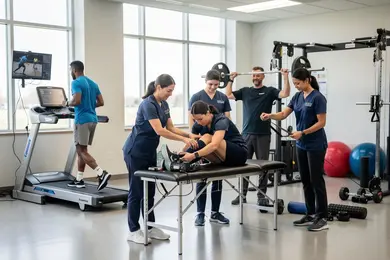
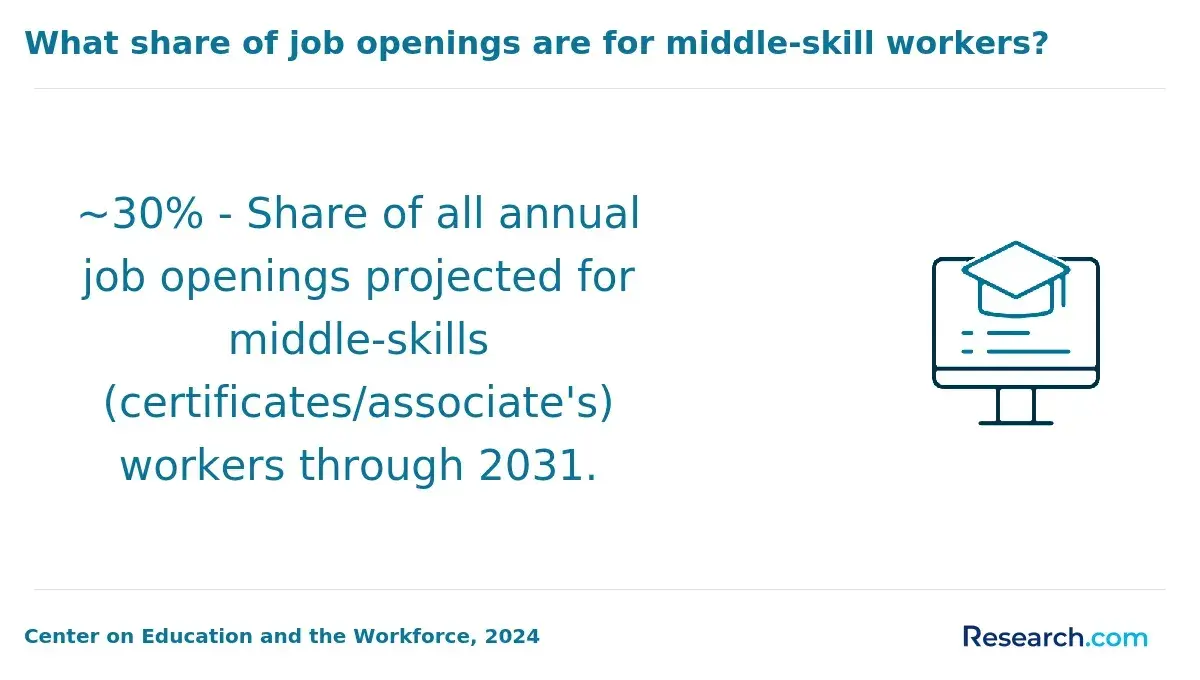
Entry-level positions in clinical settings such as cardiac rehabilitation specialist or medical fitness coordinator demand proficiency in exercise testing and patient monitoring, often requiring certifications like ACSM-CEP. These roles emphasize navigating electronic health records and delivering individualized programs under physician oversight.
By contrast, fitness-focused entry roles prioritize client screening and behavioral counseling, with less clinical knowledge but heightened interpersonal skills. Not all exercise physiologist career opportunities bear equal credential demands, and this distinction critically shapes employability and job function.
Advanced clinical roles-clinical exercise physiologist and rehabilitation program director-frequently mandate a master's degree and licensure to manage complex chronic diseases and interdisciplinary teams. Corporate wellness environments value senior exercise physiologists who leverage data analytics to design interventions that demonstrate a tangible return on investment.
Research confirms companies implementing structured wellness programs with clinical exercise interventions see healthcare savings and productivity gains ranging from $1.50 to $3.00 per dollar invested within a few years. This performance metric shapes employer expectations, pressuring professionals toward advanced competencies beyond foundational exercise science training.
Practical tradeoffs include evaluating the financial and time investments for advanced certifications against local job market demand and regulatory environments. Clinical roles require detailed navigation of insurance and compliance, whereas fitness or wellness roles necessitate outcome tracking to validate program impact.
Students and professionals can enhance their long-term viability by aligning training and hands-on experience with specific market needs, a strategy similar to aligning with best practices in certification or degree selection, as seen in parallel fields like online library science programs. This strategic approach applies across both entry-level and advanced exercise physiologist jobs in clinical settings and within clinical and fitness exercise physiologist career opportunities.
How does an exercise science degree curriculum prepare you for exercise physiologist work?
Exercise science degree course preparation for exercise physiologist roles demands mastery of applied physiology, biomechanics, and nutrition to meet employer expectations within clinical and performance environments.
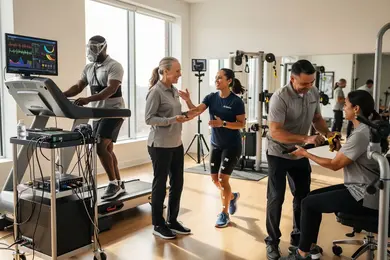
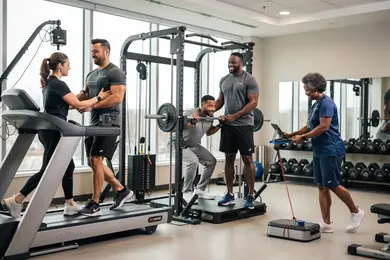
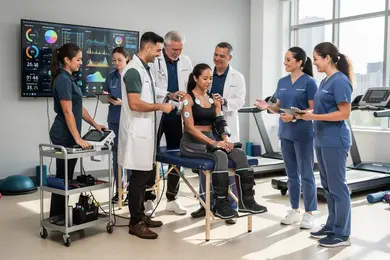
Students gain skills from exercise science curriculum for exercise physiology careers that extend beyond theory, focusing on practical assessments like VO2 max and musculoskeletal testing-tools essential for tailoring interventions to diverse client realities, from post-surgical patients to elite athletes.
Program content prioritizes exercise prescription targeting chronic disease management and injury prevention. It also trains students to adapt methodologies for clients with limitations such as comorbidities or mobility challenges. This flexibility is critical since real-world employers prefer candidates who can navigate these complexities effectively.
Reflecting workforce data, over 80% of professional sports organizations hire strength and conditioning coaches with this specialized background.
Interdisciplinary collaboration is an operational imperative, as communicating with physicians, nutritionists, and physical therapists shapes treatment adherence and outcomes in multi-disciplinary teams. Balancing scientific rigor with client engagement distinguishes entry-level learners from seasoned practitioners, a nuance often undervalued in hiring decisions.
Prospective students weighing this pathway should consider such practical tradeoffs alongside financial planning options, including related fields like an MS data science online, which might complement or diversify career trajectories in health analytics or research.
Are online exercise science programs good pathways into exercise physiology careers?
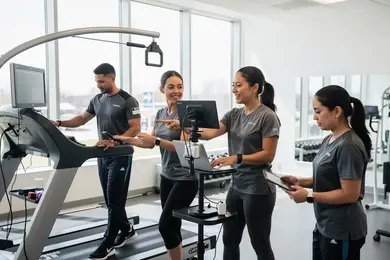
Successful entry into exercise physiology careers via online exercise science programs depends heavily on integrating rigorous practical experience with theoretical coursework. Employers for clinical and diagnostic roles demand demonstrable hands-on competencies, especially for positions like cardiac technician or diagnostic exercise specialist, where skills in cardiopulmonary testing and patient monitoring are essential.
These competencies cannot be effectively acquired through fully remote learning without local clinical internships or partnerships.
Programs that incorporate coordinated clinical placements align with licensure and certification requirements crucial for employment in regulated healthcare settings. Graduates lacking these supervised experiences face significant barriers to employment, as state licensure and certification exams mandate documented real-patient contact hours. This is especially pertinent for U.S. students targeting cardiopulmonary or diagnostic clinics.
Key considerations for prospective students evaluating online exercise science pathways include:
- Verification of program alignment with state and national licensure standards
- Availability of hybrid or local practicum arrangements to ensure clinical exposure
- Compatibility of practical training with certification requirements from bodies such as the American Society of Exercise Physiologists
Ignoring these elements risks investing in credentials with limited workforce value. Government Jobs and Skills Australia data indicate moderate demand and a 38% part-time employment rate in testing roles, with median weekly earnings of AU$1,067, emphasizing the importance of flexibility balanced against practical readiness. Students unable to access onsite clinical networks should weigh hybrid or in-person options to remain competitive in specialized clinical environments.
How do you compare and choose accredited exercise science schools for this career?
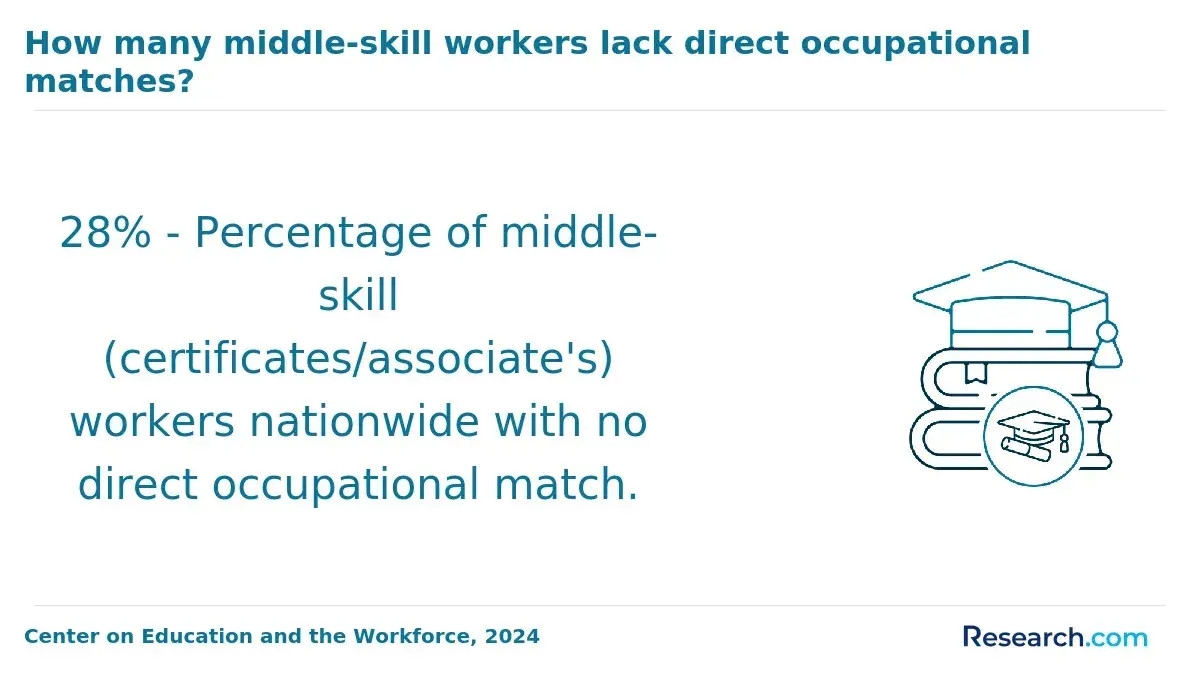
Selecting graduate programs in exercise science requires prioritizing accreditation and tangible employment outcomes over surface-level rankings. Accreditation by bodies like the Commission on Accreditation of Allied Health Education Programs (CAAHEP) signals curricular rigor recognized by employers, an essential filter in a field where 41% of physiologist roles demand education beyond a bachelor's degree.
Job placement rates and licensure or certification pass rates serve as concrete measures of a program's real-world impact. For example, a school with strong clinical practicum ties to hospitals offers direct workforce integration advantages, especially for those targeting clinical or research roles.
Curriculum balance is another critical factor. Programs that integrate foundational coursework with research skills and applied physiology better equip students for roles emphasizing evidence-based practice and doctoral-level progression.
Flexibility also matters. Part-time or hybrid formats with effective remote learning options reduce friction for working professionals, whereas rigid full-time programs risk delaying timely career shifts.
Tuition cost must be considered in light of return on investment, particularly whether the program facilitates advanced degree pathways or robust employer networks in hospitals or research institutions-key determinants of hiring prospects in specialized sectors.
- Accreditation and program outcomes must align with specific career goals and advanced credential requirements.
- Clinical and research partnerships directly influence employment probabilities.
- Delivery format impacts accessibility for working students.
- Financial investment should correspond to clear professional advancement opportunities.
What certifications and professional credentials do exercise physiologists typically need?
Certifications like the Certified Clinical Exercise Physiologist (CEP) from ACSM or ASEP are non-negotiable for roles in clinical and community health, serving as gatekeepers to responsible practice and legal compliance. Without these credentials, professionals are typically relegated to fitness or wellness roles that lack clinical depth and often involve lower compensation.
State licensure standards, which increasingly require 500 to 1200 supervised clinical hours combined with a related bachelor's degree, emphasize the application of knowledge in complex patient scenarios-particularly chronic conditions such as diabetes and cardiovascular disease.
For example, supervised clinical experience enables exercise physiologists working in community health settings to reduce type 2 diabetes risk by nearly 60% among vulnerable populations, a direct indicator of how credentialing impacts outcomes. Additional qualifications, such as CPR/AED certification or specialties in cardiac rehab, often tilt hiring decisions and reimbursement eligibility in favor of credentialed candidates.
Choosing to bypass formal certification limits access to insurance billing and higher-paying clinical roles, concentrating opportunities in less regulated wellness sectors. Professionals must carefully verify that credentials align with state licensure and employer expectations to avoid costly credential mismatches. Real-world hiring trends reveal that formal credentialing is less optional credential verification than foundational to professional viability and upward mobility in this field.
What salary can exercise physiologists earn and which roles pay the most?
Compensation in the exercise science field diverges sharply based on sector and role specialization, making targeted career decisions essential. U.S. exercise physiologists employed in clinical settings typically earn between $45,000 and $60,000 annually, constrained by healthcare reimbursement limits and insurance protocols.
In contrast, roles embedded in sports science or performance analysis offer significantly higher pay, especially within professional or collegiate athletic programs and elite sports consultancy.
For instance, UK data indicate that Sports Scientist and Performance Analyst positions frequently surpass £60,000 and can reach six figures, which parallels well-compensated U.S. positions in private performance and sports teams. This contrast illustrates a key tradeoff: stable but capped salaries in healthcare versus volatile, potentially lucrative earnings in high-performance environments.
Employers in performance-focused roles demand advanced certifications, sophisticated data analytics capabilities, and practical exercise prescription experience addressing complex or specialized populations. Healthcare roles prioritize mastery of clinical documentation and insurance compliance, which limits salary growth but provides income predictability.
- Candidates must balance steady clinical employment with its predictable but limited income against the networking, continuous skill upgrades, and uncertain contracts that come with sports science careers.
- This decision is critical for professionals seeking a strategic pivot or advancement within exercise science fields.
Students and workers should assess employer expectations carefully: whether stability through direct patient care or maximizing income through applied sports science innovation, each path requires tailored educational and professional development strategies.
What is the job outlook for exercise physiologists and related exercise science roles?
The outlook for exercise physiologists through 2026 varies significantly by specialization and sector, with a clear divide between traditional roles and emerging niches. Clinical positions supporting cardiac or pulmonary rehabilitation face growing competition from both advancing health technologies and the encroaching scope of physical therapy.
Employers increasingly prioritize candidates skilled in data analytics, telehealth, and integrated patient management over those with basic exercise prescription capabilities. Without such competencies, professionals often remain confined to entry-level roles lacking significant advancement opportunities.
In contrast, exercise science applied within sleep medicine represents a less saturated and more stable niche. Facilities addressing sleep disorders are integrating exercise-based protocols to enhance patient outcomes, which boosts demand for practitioners versed in both exercise physiology and sleep diagnostics. Though this path may involve challenging logistics such as overnight shifts and strict monitoring, it offers clearer long-term job stability.
Prospective students and career changers should weigh these practical tradeoffs:
- Generic clinical roles offer wider access but slower employment growth and tighter competition.
- Specialized sleep medicine requires targeted training and adaptability but yields steadier demand and clearer career pathways.
- Gaining certifications in emerging health technologies and participating in multidisciplinary teams enhances employability.
Realistic evaluation of these factors is critical when aligning education in exercise science with desired workforce outcomes.
How can you build a long-term career path and specialization in exercise physiology?
Long-term success in exercise physiology hinges on strategic educational choices that align tightly with distinct career goals. A graduate degree-master's or PhD-with a focus on advanced exercise physiology is often essential for entry into higher-paying academic or research roles. For instance, UK exercise physiology lecturers earn between £27,786 and £41,905 annually, illustrating salary scales in academia that follow from advanced credentials.
The profession demands more than degrees: certifications in specialized areas such as clinical exercise testing or cardiac rehabilitation are critical for competitive positioning. Hands-on experience in clinical or rehabilitation settings complements academic qualifications, especially in roles involving patient risk assessment or tailored exercise prescriptions.
Emerging employer priorities stress technological literacy, including proficiency in physiological data analytics software and patient-monitoring systems. Research careers require securing published work and grant funding, while clinical roles offer direct patient interaction but typically lower salaries compared to academic positions. Applicants must weigh immediate employment in clinical practice against the delayed but enhanced earning potential of doctoral and postdoctoral training.
Other Things You Should Know About Exercise Science
An exercise science degree alone often does not meet the requirements for clinical exercise physiologist positions, which typically require additional certifications and supervised clinical experience. Many employers expect candidates to have a minimum of the ACSM Clinical Exercise Physiologist certification or similar credentials due to the specialized skills in medical assessment and pathology management.
Therefore, students should prioritize programs that include practical healthcare exposure and plan for post-degree certification to remain competitive in clinical environments.
Workload varies significantly depending on the setting: clinical roles generally involve structured hours but high responsibility managing patients with complex health conditions, while fitness and corporate wellness roles may offer more flexible schedules but require constant client engagement and program adaptation.
Employers expect exercise physiologists to maintain detailed documentation and measurable outcomes, adding administrative demands. Candidates should evaluate whether they prefer predictable routines with clinical accountability or more dynamic, client-driven environments when choosing their career focus within exercise science.
Hospitals usually require ACSM clinical exercise physiologist certification, a bachelor’s degree in exercise science or a related field, and current BLS or ACLS training. Many employers also expect 400 hours of supervised clinical experience before hiring for cardiac rehab or pulmonary rehab roles.
References
- Exercise Physiologist Career https://explorehealthcareers.org/careers/sports-medicine/exercise-physiologist/
- What does a Clinical Exercise Physiologist do? Career Overview, Roles, Jobs | IAPA https://careers.indianapas.org/career/clinical-exercise-physiologist
- Exercise Science Degree Programs & Career Guide 2025 https://www.nutritioned.org/exercise-science-degree/
- Exercise science: What exactly is it? https://www.scienceforsport.com/exercise-science/
- Exercise Physiologist https://acsm.org/certification/get-certified/exercise-physiologist/
- ESSA's career guide for Accredited Exercise Physiologists https://www.essa.org.au/Web/Web/Resources/Tools-and-templates/ESSA-AEP-Guide.aspx
- Exercise Science Careers: Paths with Degrees https://www.fitnessmentors.com/exercise-science-careers/
- Explore Exercise Physiology: Your Path to Health Careers https://blog.daar.com.au/blog/explore-exercise-physiology-your-path-to-health-careers