2027 Best Online Exercise Science Programs for Working Adults Seeking Performance Careers

Co-Founder and Chief Data Scientist
Balancing a full-time job while pursuing a performance-driven career in exercise science often means navigating rigid program schedules that clash with work hours and personal commitments. The challenge intensifies because nearly 60% of adult learners in higher education now prefer online or hybrid formats, according to the National Center for Education Statistics.
This shift reveals a clear demand for flexible, employer-aligned curricula that do not compromise academic rigor or credential recognition. Without programs designed specifically for working professionals, career progression stalls or requires unsustainable sacrifices. This article identifies the best online exercise science programs tailored to accommodate working adults seeking tangible career advancement and real-world skills.
Key Things You Should Know
- Accelerated online exercise science degrees often reduce hands-on internship hours by 30%, challenging students to secure employer-valued practical experience post-graduation amid growing clinical competency demands.
- Employers increasingly prioritize certification-aligned curricula; programs lacking integration with NASM or ACSM standards report up to 25% lower graduate job placement within 12 months, indicating credential alignment is key for workforce entry.
- Median total cost for reputable programs rose 12% since 2023 due to enhanced digital lab tech, disproportionately impacting working adults balancing tuition with limited time-off, thus influencing enrollment timing and debt burden.
What are the best online exercise science degree options for working adults seeking performance careers?
Programs offering the best online exercise science degrees for working adults must balance academic rigor with scheduling flexibility and practical experience requirements. Candidates targeting performance careers should prioritize curricula accredited by recognized bodies like CAAHEP, as this alignment directly affects eligibility for certifications such as CSCS or ACSM, which many employers require.
Without these credentials, graduates often face delays entering the workforce and may need additional coursework.
A common hurdle in fully online formats is securing supervised practicum or internship placements. Flexible exercise science programs for performance career learners address this by integrating capstone projects or partnerships with local fitness centers to satisfy employer expectations for hands-on experience.
For example, a professional shifting toward sports performance analysis benefits most from programs combining biomechanics, data analytics, and monitored fieldwork, which collectively improve both skill application and job market readiness.
Cost-efficiency and institutional reputation also influence employment prospects, as high-performance employers prefer graduates from programs with demonstrated quality and industry connections. The growing prevalence of digital learning-where 63% of U.S. undergraduates take at least one online course-facilitates this balance between work and education.
Working adults seeking optimized pathways can explore options through online degree in exercise science portals specializing in credible, flexible programs.
How do online exercise science programs compare to campus-based degrees for flexibility and training quality?
Online exercise science programs provide unmatched scheduling flexibility essential for working adults managing professional and family commitments. However, the benefits of online versus campus exercise science degrees for working adults are not equal when considering training quality.
Practical skills such as biomechanics assessment and exercise testing require immersive, hands-on experience that fully online programs often lack. Employers especially in high-performance roles-like strength and conditioning coaches in professional sports-prioritize candidates with direct clinical or in-person practicum exposure.
This tradeoff affects employability: a purely online path demands additional fieldwork or certifications to compete effectively, given the U.S. Bureau of Labor Statistics projects a 39% growth rate for fitness trainers and instructors between 2020 and 2030. Hybrid models usually integrate short residencies or clinical placements, better aligning curriculum with workforce expectations.
Prospective students evaluating online degrees in computer science or other fields should note that these program structures can significantly influence skill mastery and professional readiness in exercise science.
What accreditation should online exercise science programs have to qualify for professional performance roles?
Employers in specialized fields like sports medicine and occupational health prioritize candidates from accredited online exercise science programs for professional certification, rejecting those with credentials from unaccredited institutions due to inconsistent skill development.
Accreditation by CAAHEP or recognized regional agencies not only affirms curriculum relevance to employer standards but also enables access to federal financial aid, a critical factor for working adults balancing cost and return on educational investment.
For professionals targeting roles such as corporate wellness director, choosing an exercise science degree with recognized national accreditation for performance careers directly affects qualification and competitiveness. Graduates from non-accredited programs may face extra certification requirements or restrictions on licensure eligibility, especially in regulated positions like physical therapy assistant or collegiate strength and conditioning coach.
Outcomes data highlight tangible advantages: alumni from accredited programs frequently secure higher median salaries and stronger employment metrics. For example, graduates of the University of Memphis's online M.S. in Exercise Science, equipped with proper accreditation, report median earnings around $67,415 shortly after completion. This underscores the value of rigorous accreditation for measurable workforce benefits.
Those exploring educational pathways should also consider comparably vetted programs in related disciplines, such as online MLIS programs, to understand the broader landscape of accredited, affordable graduate education.
What admission requirements do online exercise science bachelor's and master's programs typically have?
Admission to online exercise science programs demands careful alignment with both academic and professional standards, reflecting the discipline's demand for scientific rigor and applied competence. Entry requirements for exercise science bachelor's and master's degrees emphasize foundational coursework-biology, chemistry, and sometimes physics-for bachelor's applicants, ensuring candidates can manage advanced science-based material.
Master's candidates must show completion of a relevant bachelor's degree, typically with a minimum GPA near 3.0, balancing academic performance with relevant experience or research when programs allow. Standardized tests like SAT or ACT remain common for bachelor's admission but are increasingly waived with prior credits or work experience; some master's tracks require GRE or proof of statistical literacy.
Beyond transcripts, applicants must submit personal statements clarifying career goals and motivation. Letters of recommendation provide insight into academic aptitude or professional reliability. These layered criteria reflect the reality that exercise science graduates enter a workforce demanding both scientific knowledge and the ability to apply it in varied settings, such as clinical rehabilitation or performance optimization.
Cost considerations shape feasibility, with an example online B.A. charging $420 per credit, leading to tuition around $50,400 for 120 credits before aid or transfer credits. Working adults especially weigh the value proposition: balancing time away from employment and family with educational benefits.
To evaluate such investments effectively, students can consult rankings like the cheapest data science master's in USA for comparative cost insights across STEM-related fields.
How long do online exercise science degrees take and what course topics do students study?
Opting for an exercise science degree demands careful consideration of time investment relative to life responsibilities and career objectives. Associate degrees offer a quicker route, typically completed in about two years, suitable for those needing expedited entry into the field.
Bachelor's programs commonly require four years, though accelerated options can reduce this to approximately three years. This pacing is critical for working adults who must balance academic demands with professional and personal obligations; underestimating this can result in burnout or extended timelines.
Curricula combine foundational sciences such as anatomy, physiology, and biomechanics with applied subjects like nutrition and fitness assessment. Specializations matter: clinical roles lean heavily on rehabilitation and pathology, while athletic performance careers prioritize biomechanics and conditioning, influencing program selection based on targeted employment sectors.
The increase in 196 online sport and exercise degree programs worldwide has expanded access but raises questions about program quality and hands-on experience availability. Employers in healthcare and sports industries emphasize practical training - internships or practicum placements often separate competitive candidates from those with merely theoretical knowledge.
Prospective students should rigorously verify if an online program's design includes partnerships with local facilities or supervised practical components. Aligning program content and experiential opportunities with career goals significantly affects employability and long-term professional outcomes.
What does an online exercise science learning experience look like, including labs, practicums, and technology?
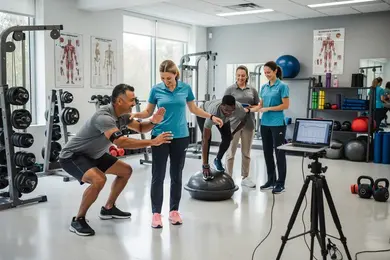
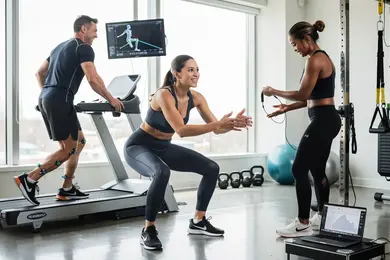
The logistical complexity of practicum and lab requirements remains a key challenge for online exercise science students balancing professional and academic demands. While theoretical content translates well to virtual platforms using motion capture and remote biometric tools, these technologies fall short of substituting in-person tactile experience that many employers expect for credentialing and licensure.
Successful online programs depend heavily on local partnerships to place students in relevant clinical or fitness settings. For example, a student working at a nearby sports clinic can efficiently complete practicum hours without disrupting their job, enabling practical skills acquisition that aligns with real-world duties like rehabilitation or strength coaching.
Conversely, those without access to proximate facilities often face scheduling delays or must travel extensively, which can extend time to completion and complicate accelerated degree timelines.
Employers seeking graduates for performance roles prioritize documented work experience in diverse environments such as collegiate athletics or outpatient rehab. Consequently, students navigating online exercise science pathways must proactively secure quality placements and manage time effectively to meet hands-on competencies. This dynamic creates a tradeoff between flexible online coursework and the operational realities of physical lab attendance.
In 2025, Concordia University Chicago's online kinesiology and exercise science programs graduated 241 students, illustrating demand but also underscoring that not all online programs equally equip students for practical career readiness.
What are the main career paths in performance and sports for exercise science graduates?
Exercise science graduates face sharply defined career pathways where educational choices and credential levels directly influence employability and earning potential. For example, becoming a strength and conditioning coach demands practical certifications and experience within collegiate or professional teams, often making entry-level roles accessible mainly through associate degrees or certificates.
In contrast, athletic trainers bear significant responsibility for injury prevention and rehabilitation, with licensure requirements that limit quick entry but command higher trust and pay.
Nutritionists in this field capitalize on exercise physiology data to craft performance-enhancing, individualized diet plans, a sector growing due to enhanced understanding of nutrition's role in competitive success. Meanwhile, biomechanics analysts require advanced academic preparation alongside technical skills in motion capture and data interpretation, making this a less accessible but more specialized niche.
Sports management pivots the exercise science skillset toward operational leadership, marketing, and athlete development-roles that reward broader business acumen beyond sports knowledge. Here, bachelor's or master's degrees can substantially improve advancement and salary potential, as reflected in athletic director averages exceeding $60,000 annually, with top earners surpassing six figures.
Graduates must weigh upfront credential investments against realistic labor market entry points: certificates unlock technician roles, whereas degrees widen strategic options but require longer commitment and practical experience to reach upper-tier salaries.
- Strength and conditioning coaches: certification and hands-on experience essential
- Athletic trainers: licensure mandatory, focus on injury prevention and care
- Sports nutritionists: emerging focus on diet tailored by exercise science data
- Biomechanics analysts: advanced degrees plus technical proficiency needed
- Sports management roles: require business acumen and advanced education for leadership
What salary ranges and earning potential can exercise science professionals expect in performance-focused roles?
Salary outcomes in exercise science vary widely, particularly between general health roles and specialized performance-focused positions. Professionals in performance coaching or analysis-such as strength and conditioning coaches for collegiate athletes-typically earn between $55,000 and $85,000, with advanced certifications pushing some beyond $100,000 annually.
In contrast, the U.S. Bureau of Labor Statistics reports median salaries near $54,000 for broader health and fitness occupations, reflecting a significant earnings gap tied to credentials and applied expertise.
Decision-making around education must factor in substantial upfront costs against these salary potentials. For instance, average annual tuition and expenses were $19,370 at public universities versus $45,920 at private institutions, according to National Center for Education Statistics data summarized by BestColleges.
Online programs can mitigate these expenses and maintain income flow during study, yet advancing beyond entry-level roles generally requires graduate education or specialized certification.
Working professionals shifting into performance science face critical tradeoffs: time away from work and income for hands-on training, along with the necessity for employer-valued certifications grounded in measurable athlete outcomes rather than solely academic credentials.
Programs incorporating applied practicums and employer networking improve justification of tuition costs by enhancing direct employability. Choosing such targeted pathways aligns investment with realistic career advancement and salary maximization.
What certifications and licenses are important for exercise science careers in sports and performance fields?
Securing certification in strength and conditioning-specifically the NSCA-CSCS credential-is often non-negotiable for candidates pursuing roles with collegiate or professional sports teams. Unlike academic degrees, these certifications directly address employer expectations in athlete assessment, program design, and performance optimization. Without such credentials, professionals risk limited access to elite sports settings where practical expertise outweighs theoretical knowledge.
Conversely, certifications from the American College of Sports Medicine, such as Certified Exercise Physiologist or Certified Personal Trainer, serve those working with broader or clinical populations. These credentials prioritize exercise testing and health risk assessment but may hold less sway in purely athletic performance environments, illustrating a clear occupational divide within exercise science careers.
Key tradeoffs for prospective practitioners include the time and financial investment required for certification exams and continuing education, balanced against the tangible salary advantages documented by the U.S. Bureau of Labor Statistics. For example, the highest-earning fitness trainers, linked to strength and conditioning, surpassed median annual pay of $75,940, signaling certification's influence on market value.
State licensure requirements remain niche, mostly relevant to athletic trainers or physical therapists, underscoring the importance of understanding certification versus licensure distinctions to avoid career bottlenecks or liability exposure.
- NSCA-CSCS certification is prioritized for high-performance sports roles
- ACSM credentials suit clinical or general population exercise contexts
- Investment in certifications correlates with higher earning potential
- Licensure requirements vary and impact specific allied health roles
How can working adults choose a reputable, affordable online exercise science program that fits their goals?
Choosing an accredited exercise science program with clear outcomes data directly impacts employability and career pivot success. Regional accreditation and recognition from bodies like the Commission on Accreditation of Allied Health Education Programs (CAAHEP) or SHAPE America provide assurance that graduates meet industry expectations.
For example, a working adult balancing full-time commitments will benefit from programs offering asynchronous learning coupled with flexible scheduling to prevent delays or dropout.
Cost comparisons without context misrepresent value. A $15,000 program with an 80% on-time graduation rate and 70% job placement may yield better market returns than a cheaper program lacking those outcomes. A program's connection to certifications in exercise psychology or recreational therapy matters, particularly with job growth predictions of 10% and 13% respectively, exceeding the typical 8% growth rate for all occupations per the U.S. Bureau of Labor Statistics.
Specialization focus and experiential learning-such as internships or practicums-are critical. A clinical exercise psychology track demands hands-on psychological assessment skills, while recreational therapy requires patient-centered rehabilitation techniques. The availability of partnerships with local health organizations to facilitate flexible or virtual practicum experiences can influence readiness for workforce demands.
Evaluate alumni career trajectories and employer relationships carefully. Programs tied to recognized industry bodies can foster vital networks. Additionally, robust technical support designed specifically for distance learners reduces attrition and supports career transition pacing.
Other Things You Should Know About Exercise Science
Employers in the performance sector increasingly accept online exercise science degrees when the program is from an accredited institution and includes rigorous practicum experiences. However, graduates from programs lacking hands-on components or recognized affiliations may face skepticism, especially for roles requiring immediate applied expertise.
Candidates should prioritize programs that integrate supervised internships or partnerships with sports organizations to meet employer expectations for job readiness.
Many accredited online exercise science programs accept up to 60 semester credits toward a bachelor’s degree, but they usually require at least 30 credits completed at the granting institution. Commonly accepted sources include regionally accredited colleges, CLEP exams, and military training evaluated by ACE or NCCRS.
A bachelor's degree provides foundational knowledge and may suffice for entry-level positions in performance fields, while a master's degree often opens doors to advanced roles, specialization, and higher salaries. The tradeoff lies in time and cost, as master's programs generally require greater investment but yield stronger long-term career growth.
Working adults should assess their current experience and career goals to decide if immediate employment or progressive advancement justifies pursuing graduate study.
Programs incorporating certification prep streamline the path to professional credentials valued in performance careers, reducing extra study time and cost after graduation. This integration often signals curriculum alignment with industry standards, enhancing employability. Working adults should favor programs that embed preparation for certifications such as ACSM or NSCA to maximize return on investment and improve access to specialized job roles.
References
- Exercise science: What exactly is it? https://www.scienceforsport.com/exercise-science/
- Exercise Science Careers: Paths with Degrees https://www.fitnessmentors.com/exercise-science-careers/
- Online Exercise Science Program https://stmary.edu/online-programs/exercise-science.html
- Best Exercise Science Careers - Let's Find out! https://www.ptpioneer.com/personal-training/exercise-science-careers/
- Five Online Degrees For Students With A Passion For Fitness https://www.academicinfo.net/blog/2023-02-16-five-online-degrees-for-students-with-a-passion-for-fitness/
- Online Degree vs. Traditional: Choosing the Right Path https://beal.edu/online-degree-vs-traditional/
- Three Benefits of Virtual Labs in College Science Courses - Every Learner Everywhere® https://www.everylearnereverywhere.org/blog/three-benefits-of-virtual-labs-in-college-science-courses/
- ESSA's career guide for Accredited Exercise Scientists https://www.essa.org.au/Web/Web/Resources/Tools-and-templates/ESSA-AES-Guide.aspx
- Best Masters in Kinesiology Degree Programs Online for 2026 https://www.kinesiologydegrees.org/programs/degree/masters
- What can I do with a sports science degree? | TEG London https://www.teg.london/what-can-i-do-with-a-sports-science-degree/